Gummy Smile Treatment: A Comprehensive Guide to Your Options
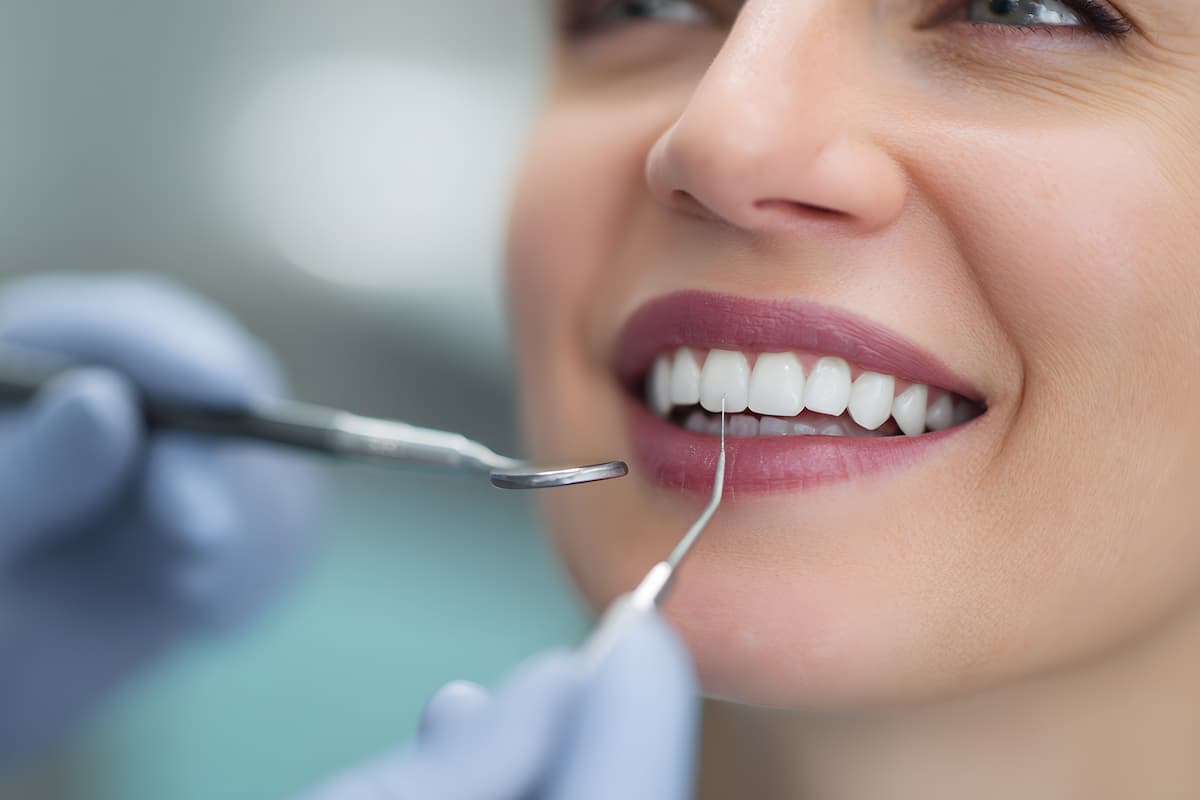
Many people feel self-conscious about showing too much gum when they smile. If this sounds familiar, you are far from alone. Clinically referred to as excessive gingival display, a gummy smile is a relatively common aesthetic concern — and one that can have several very different underlying causes. Understanding those causes is the most important first step, because the right gummy smile treatment depends entirely on what is driving the appearance in the first place.
This guide explains what a gummy smile is, what causes it, which treatment options exist, what to expect from each, and how to approach the decision-making process thoughtfully and without pressure.
What Is a Gummy Smile?
A gummy smile — or excessive gingival display — describes a smile in which a greater proportion of the upper gum tissue is visible than is considered proportionate by clinical or aesthetic standards. There is no single definition of how much gum is "too much," and what matters most is how an individual feels about their own smile.
Clinically, a display of more than approximately 3–4 mm of gum tissue above the upper teeth when smiling is often used as a threshold for assessment, though this varies between practitioners and published guidance. It is worth noting that a gummy smile is not inherently a sign of poor oral health — but in some cases, the underlying factors do warrant clinical evaluation beyond aesthetics alone.
If you want broader context on gum-line changes, why gums pull away from teeth is a useful companion read.
Are you curious about how much of what you see when you smile is influenced by factors you can and cannot control? The answer, as you will discover below, is more nuanced than most people expect.
What Causes Excessive Gingival Display?
One of the most important things to understand about a gummy smile is that it rarely has a single, universal cause. Several anatomical and developmental factors can contribute — sometimes in combination. This is why a careful assessment is essential before any treatment is considered.
Upper Lip Length and Hypermobility
In some people, the upper lip is shorter than average, meaning more gum tissue is naturally exposed during smiling. In others, the lip moves higher than typical when animated — a characteristic sometimes called a hypermobile or hyperactive upper lip. Both can create the impression of a gummy smile even when the underlying teeth and gums are entirely proportionate.
Gingival Overgrowth or Altered Passive Eruption
Sometimes the gum tissue simply covers more of the tooth surface than expected. This can occur as a natural variation in how the teeth erupted during development — a condition called altered passive eruption — or as a side effect of certain medications, such as some blood pressure treatments or immunosuppressants. In these situations, the teeth themselves may be a normal size, but appear shorter because a greater portion remains covered by gum tissue.
Tooth Size, Wear and Position
Teeth that are genuinely shorter than average, whether due to wear, genetic variation or incomplete eruption, can contribute to a gummy appearance. Similarly, the angle and position of the upper teeth can affect how much gum is visible during smiling.
Skeletal Factors: Upper Jaw Proportions
In some cases, the underlying cause is skeletal. If the upper jaw (maxilla) has grown further downward or forward than typical, this can affect both the amount of gum displayed and the overall facial proportions. This is known as vertical maxillary excess and is generally a more complex situation that may require specialist input.
Multiple Contributing Factors
It is entirely possible — and quite common — for more than one of these factors to be present simultaneously. This is why experienced clinicians take time to assess each contributing element before recommending any course of treatment.
How Is the Cause Assessed?
A thorough assessment by a suitably qualified dental professional is essential before any gummy smile correction is considered. This will typically involve a clinical examination of the gum tissue, teeth, lips and facial proportions, as well as a review of any relevant dental or medical history.
In more complex cases, photographs, dental records and, occasionally, radiographic imaging may be used. Where skeletal factors are suspected, referral to an orthodontist or oral and maxillofacial surgeon may be appropriate.
If you would like to discuss your findings in person, booking with our clinical team can help clarify which route is most appropriate.
Gummy Smile Treatment Options
Because the causes of a gummy smile vary significantly, so do the available treatments. No single procedure is appropriate for everyone. What follows is an evidence-informed overview of treatment purpose, suitability, limitations, risks and expected longevity.
Gum Contouring and Crown Lengthening
Gum contouring (sometimes called gingival contouring or crown lengthening) involves the reshaping or removal of excess gum tissue to expose more of the tooth surface. It is typically performed under local anaesthetic using a soft-tissue laser or conventional surgical instruments.
This approach may be particularly suitable where altered passive eruption or gingival overgrowth is the primary contributing factor. Where the bone level also needs adjustment, a more involved surgical crown lengthening procedure may be required.
For patients comparing pathways, gummy smile correction options can help frame which approach may suit different causes.
Limitations and risks: Gum contouring is generally considered a stable, long-lasting procedure when the cause is correctly identified. However, results may be less predictable if the underlying anatomy is not fully assessed. Temporary sensitivity, swelling and discomfort are common following treatment, and healing typically takes several weeks. As with any surgical procedure, there are small risks of infection and uneven results.
Understanding the broader context of cosmetic dental treatment available at a private practice can help patients frame their options more clearly.
Orthodontic Treatment
Where the position or eruption of the upper teeth contributes to the gummy appearance, orthodontic treatment — such as fixed braces or clear aligner therapy — may help by repositioning the teeth and, in some cases, reducing the amount of gum visible. Orthodontics may also be combined with other treatments as part of a broader treatment plan.
Limitations and risks: Orthodontic treatment takes time — often 12–24 months or more — and requires commitment to wearing retainers afterwards to maintain the result. It is not suitable as a standalone solution where the cause is primarily muscular or skeletal.
Botulinum Toxin Injections
Where a hyperactive upper lip is identified as the primary cause, botulinum toxin injections into the muscles that elevate the upper lip may temporarily reduce the degree of gum display. This is a non-surgical option that can be effective when carefully targeted.
Important considerations: Botulinum toxin is a prescription-only medicine in the UK. Under current regulations, it can only be prescribed by a suitably qualified prescriber following a face-to-face consultation. Its effects are temporary — typically lasting three to six months — meaning repeat treatments are needed to maintain the result. It would not be appropriate for causes that are skeletal or gingival in origin.
The General Dental Council (GDC) provides guidance on the qualifications and responsibilities of practitioners performing these procedures.
Lip Repositioning Surgery
Lip repositioning is a minor surgical procedure that limits the upward movement of the upper lip when smiling, thereby reducing gum exposure. It may be suitable for patients in whom a hypermobile lip is a significant contributing factor and who prefer a longer-lasting alternative to botulinum toxin injections.
Limitations and risks: Lip repositioning is a relatively specialist procedure and is not widely available at all dental practices. As with any surgery, there are risks associated with healing and there is a possibility of partial relapse over time.
Orthognathic Surgery
Where vertical maxillary excess or other significant skeletal factors are identified as the primary cause, orthognathic (jaw) surgery may be discussed. This involves repositioning the upper jaw and is performed under general anaesthetic by an oral and maxillofacial surgeon, usually in a hospital setting.
Orthognathic surgery is typically reserved for cases where the skeletal discrepancy is significant and where other options would not adequately address the underlying cause. It is usually undertaken in conjunction with orthodontic treatment before and after surgery.
Limitations and risks: This is a major surgical procedure with a recovery period of several weeks and potential risks including temporary altered sensation, swelling and, rarely, more significant complications. Patients considering this route would typically be referred through an NHS pathway where clinical criteria are met, or may access it privately.
Patients exploring more comprehensive smile changes may also find it helpful to read about smile makeover planning as part of their broader research.
How Long Might Results Last?
The longevity of gummy smile treatment varies considerably depending on the procedure and the underlying cause:
• Gum contouring for altered passive eruption is generally considered long-lasting, though it cannot reverse the ageing process or prevent future gum changes.
• Orthodontic results can be maintained long-term with appropriate retention, but gums may change over time.
• Botulinum toxin injections are temporary, typically requiring repeat treatment every few months.
• Lip repositioning can offer more durable results than injections, though some degree of relapse has been reported in the literature.
• Orthognathic surgery produces structural changes that are generally stable once healing is complete.
What Affects Gummy Smile Treatment Cost in the UK?
The cost of gummy smile treatment in the UK varies considerably depending on the type of procedure, the complexity of the case, the experience of the practitioner and the location of the practice.
As a general guide:
• Botulinum toxin injections for a hyperactive lip tend to be among the lower-cost options, though they require ongoing maintenance.
• Gum contouring costs will vary depending on the extent of the procedure and whether laser or surgical techniques are used.
• Orthodontic treatment costs range broadly depending on the type of appliance and treatment duration.
• Orthognathic surgery is the most significant financial investment and, in some cases, may be available through the NHS where functional criteria are met.
It is advisable to request a written treatment plan and cost estimate before proceeding with any private dental treatment, as required by GDC standards. For further context on what to expect from private treatment costs, the NHS guidance on private dental treatment offers a useful starting point.
Where soft-tissue reshaping is part of the plan, gum contouring treatment is often one of the options discussed.
How Should You Compare Your Options?
Choosing between gummy smile treatment options can feel overwhelming. A few questions worth considering before or during your consultation include:
• Has the cause of my gummy smile been identified?
• Is this treatment addressing the cause, or the appearance only?
• What are the realistic expectations for my specific situation?
• What are the risks, and how experienced is the clinician in managing them?
• What happens if I choose not to treat it?
Gummy smile correction is an elective decision. There is no clinical requirement to pursue treatment unless a genuine functional or health concern exists. The right choice is the one that aligns with your personal preferences, your clinical situation and your expectations — not external pressure.
For sequencing expectations, smile makeover treatment timeline can provide additional context before you decide.
Frequently Asked Questions
1. Is gummy smile treatment painful?
Most procedures are carried out under local anaesthetic, so discomfort during treatment is usually minimal. Post-procedure soreness, swelling and sensitivity are common and typically manageable with over-the-counter pain relief. The level of discomfort will vary depending on the type of treatment undertaken.
2. How long is the recovery period?
Recovery depends on the procedure. Gum contouring may involve a few days of mild soreness and several weeks of full tissue healing. Lip repositioning surgery has a similar recovery arc. Botulinum toxin injections involve no meaningful downtime. Orthognathic surgery typically requires several weeks off work and a more extended period of full recovery.
3. Are the results permanent?
This depends on both the treatment and the cause. Procedures that address the underlying anatomy — such as gum contouring for altered passive eruption or orthognathic surgery for skeletal causes — tend to offer long-lasting results. Botulinum toxin injections are temporary by nature. No treatment can guarantee permanent results, and the ageing process continues to affect oral and facial tissues over time.
4. Can gummy smile treatment affect my natural smile?
Well-planned treatment should aim to produce a natural-looking result that complements your overall facial proportions. That said, it is important to have an honest conversation with your clinician about realistic expectations. Excessive gum reduction, for example, could affect the aesthetic balance of the smile. The goal is improvement that feels right for you, not an arbitrary standard.
5. What if more than one factor is contributing to my gummy smile?
This is quite common. In such cases, a combined approach may be recommended — for example, gum contouring alongside orthodontic treatment, or botulinum toxin alongside a minor surgical procedure. A thorough assessment will help identify which factors are most significant and which combinations are likely to deliver the most meaningful improvement.
6. Is gummy smile treatment available on the NHS?
Gummy smile treatment is generally considered a cosmetic procedure and is not routinely available on the NHS. However, where there is a significant underlying skeletal or functional concern — such as a severe jaw discrepancy — referral through an NHS pathway for orthognathic surgery may be appropriate. A GDP or specialist can advise whether NHS eligibility applies in your circumstances.
7. How do I know which treatment is right for me?
The only reliable way to identify the most appropriate treatment is through a clinical assessment with a suitably qualified dental professional. Self-diagnosis from photographs or online resources is not an adequate substitute for a proper examination, particularly given how varied the causes of a gummy smile can be.
8. Can a gummy smile affect my oral health?
A gummy smile is not inherently a sign of poor oral health. However, in some cases — such as where gingival overgrowth is related to medication use or where altered passive eruption affects how teeth can be cleaned — there may be oral health implications worth discussing with a clinician. Learning how to maintain healthy gums alongside any aesthetic treatment is always worthwhile.
9. What should I look for in a clinician?
Look for a GDC-registered dental professional with demonstrated experience in the specific procedure you are considering. For more complex procedures — such as orthognathic surgery or combined treatment planning — you may be referred to a specialist orthodontist or oral and maxillofacial surgeon. The Care Quality Commission (CQC) registers and inspects dental practices in England, and patients can check a practice's registration status on the CQC website.
10. How much should I expect to pay for gummy smile treatment in London?
Costs in London private practices tend to reflect higher operating costs and practitioner experience. It is not possible to give a precise figure without a clinical assessment, as costs depend on the procedure type, complexity and extent of treatment required. Always request a written estimate in advance, and do not hesitate to ask for a full breakdown of what is included.
Disclaimer
This article is for general education only and is not a diagnosis or treatment recommendation. Gummy smile causes vary, so suitability for any procedure must be confirmed through an in-person assessment with a qualified dental professional. Recovery timelines and outcomes differ by anatomy, treatment choice and clinical history. If you have concerns about your gums, smile or oral health, seek personalised advice from your dentist.
Written Date: 06 November 2026 | Next Review Date: 06 November 2027
Written by Wimpole Dental Editorial Team · reviewed by Wimpole Dental Clinical Team
This article is general information, not personal clinical advice. For a diagnosis and a plan tailored to you, book a consultation with a GDC-registered dentist.
Related treatments at our Wimpole Street practice