Small changes, noticeable difference — with minimal drilling
Composite Bonding Wimpole Street, London
Repair chips, close small gaps and reshape edges — usually in a single visit using tooth-coloured composite, often with no drilling.
from £395 per toothFlexible payment options — ask at your consultation
- 45–90 min per tooth
- £30 consultation
- Written, itemised quote
Why choose us
Why choose composite bonding?
Delivered to a consistently high standard by a named, GDC-registered clinician at our CQC-regulated practice on Wimpole Street, London.
Usually a single visit
No drilling in most cases
Additive & conservative
About the treatment
Composite Bonding at our Wimpole Street practice
Clinically reviewed by Dr Andreia Phipps, Dentist, GDC 229601 · Last reviewed July 2026
Composite bonding in London uses the same tooth-coloured resin as white fillings, sculpted freehand onto the surface of your teeth to repair chips, refine uneven edges, close small gaps and improve symmetry. At our Wimpole Street practice, bonding is one of our most requested cosmetic treatments precisely because it can make a meaningful visual difference in a single visit, usually without drilling or injections.
Bonding tends to suit patients with generally healthy, well-positioned teeth who want to correct small imperfections: a chipped corner, a worn edge, a narrow gap or slightly mismatched tooth shapes. It is not designed to correct significant crowding or bite problems — for those, alignment is usually the better first step — and heavily broken-down teeth may need a stronger restoration. Suitability is always confirmed at an in-person consultation with a GDC-registered dentist in Marylebone.
The appointment itself is calm and methodical. Your dentist first shade-matches the composite to your surrounding enamel, often using several tints and translucencies layered together. The tooth surface is gently cleaned and conditioned so the resin bonds securely, then the composite is applied in thin layers, each shaped by hand and hardened with a curing light in seconds. Finally the new surface is trimmed, your bite is checked, and everything is polished to a smooth, natural lustre.
Because composite is added to the tooth rather than cut into it, bonding is one of the most conservative cosmetic treatments available. In most cases no drilling or anaesthetic is needed and healthy enamel is preserved — which also means bonding is usually reversible, an important reassurance if you are cautious about committing to cosmetic dentistry.
We use modern nano-hybrid composites chosen for their polish retention, strength and lifelike optical qualities. Technique matters as much as material: layering, edge anatomy and final polishing are what separate bonding that looks convincingly natural from bonding that looks flat. Our clinicians at this central London practice devote unhurried appointment time to that finishing detail.
Composite bonding at our Wimpole Street practice costs from £395 per tooth, with a written, itemised quote before treatment begins. The final figure depends on how many teeth are treated, how much reshaping each needs, and whether bonding forms part of a wider plan with whitening or alignment. Appointments typically take 45–90 minutes per tooth.
How does bonding compare with the alternatives? Against porcelain veneers, bonding is more affordable, quicker and more conservative, but composite is softer than ceramic — it can chip or pick up stain over time and typically lasts 4–8 years rather than the 10–15 years porcelain can achieve with good care. Against whitening, bonding changes shape as well as shade, but if colour is your only concern, dentist-prescribed whitening is usually the simpler starting point. Many patients find combining the two gives the most natural result.
Honest limitations: composite edges can chip if you bite pens, nails or ice; the surface can gradually pick up staining from tea, coffee and red wine; and heavy grinders may wear bonding faster, in which case a night guard can help protect it. The good news is that composite is straightforward to repair or refresh — small chips can usually be patched in a short visit rather than remade from scratch.
Aftercare is simple. Brush twice daily, floss around the bonded edges, keep strongly staining drinks moderate, and attend regular hygiene visits so the composite can be professionally repolished — this alone noticeably extends its lifespan and keeps the finish bright. If you plan to whiten, do it before bonding, as composite does not lighten with whitening gel and is shade-matched to your teeth at the time of placement.
Bonding is frequently combined with ProAligner straightening and whitening as the finishing stage of a smile plan: align, brighten, then refine the edges. Choosing composite bonding near Harley Street at our Wimpole Street practice means that whole sequence can be planned and delivered under one roof in central London, with every stage priced in writing before you begin. Individual results vary, and we will always tell you if a more conservative option would serve you better.
The consultation is where a good bonding result is really made. Your dentist studies your smile line, the proportions of neighbouring teeth, your bite and any habits such as grinding that could affect how the composite wears. Photographs and, where helpful, digital scans allow the intended changes to be discussed with you before any composite is placed, and for larger cases a mock-up can show the proposed shapes in your own mouth. You leave the consultation with a written, itemised quote and a clear understanding of what bonding can — and cannot — achieve for your teeth.
Because bonding usually involves no drilling and no injections, it is one of the treatments nervous patients find easiest to say yes to. The appointment is quiet and unhurried: you can listen to music, take breaks whenever you like, and watch progress in a mirror as each layer is sculpted. Many anxious patients tell us that bonding was the visit that changed how they felt about dentistry altogether — a comfortable experience with a visible result at the end of it.
Our Wimpole Street practice is a short walk from Bond Street and Oxford Circus stations, with Regent's Park also nearby, so bonding appointments fit neatly around a day in central London. Single-tooth repairs can often be completed within a lunch hour, while larger cases are given longer, unhurried slots so the layering and polishing are never rushed. If you are planning bonding ahead of a particular event, tell us at your consultation and we will schedule the stages with sensible time to spare.
Composite Bonding cost in London
- Treatment fee
- from £395 per tooth
- Consultation
- £30
- Typical duration
- 45–90 min per tooth
- Payment
- Flexible options — ask at your consultation
Full fees for every treatment are published in our fee guide.
Explore more cosmetic dentistry, compare costs in our pricing guide or browse real patient results in the smile gallery.
What to expect at our Wimpole Street practice
- Care from a named, GDC-registered clinician at a CQC-regulated practice.
- A written, itemised plan and fixed quote before anything begins.
- Time to ask questions, understand your options and give informed consent — no pressure to proceed.
- Clear aftercare and structured review where clinically needed, with support if you have concerns.
Suitability is always confirmed at an in-person consultation with a GDC-registered dentist. Treatment outcomes depend on individual clinical factors — individual results may vary and no result can be guaranteed. A written, itemised quote is provided before any treatment begins.
Composite Bonding at a glance
- Price from
- from £395 per tooth
- Typical time
- 45–90 min per tooth
- New patients
- £30 consultation
- Payment
- Flexible options — ask at consultation
- CQC-regulated practice
- GDC-registered clinicians
- Written, itemised plan
Your journey
Composite Bonding treatment steps
Assessment
Your journey begins with a £30 consultation: a full examination with a GDC-registered dentist, X-rays where clinically needed, and time to talk through what you'd like to achieve and answer any questions you might have.
Your written plan
You'll receive a personalised, itemised treatment plan outlining the process and costs — every option explained in plain English with an exact price against each item, and never any pressure to proceed.
Treatment
Composite Bonding is carried out by a named, GDC-registered clinician at our CQC-regulated practice on Wimpole Street, London — with evening and weekend appointments to fit around work.
Aftercare & review
Clear written aftercare, review appointments where clinically needed, and structured recall to protect your result — and your oral health — for the long term.
Real results
Our composite bonding results
Genuine patients of the practice, treated by named clinicians and published with consent. Drag the slider to compare — individual results vary and no outcome can be guaranteed.
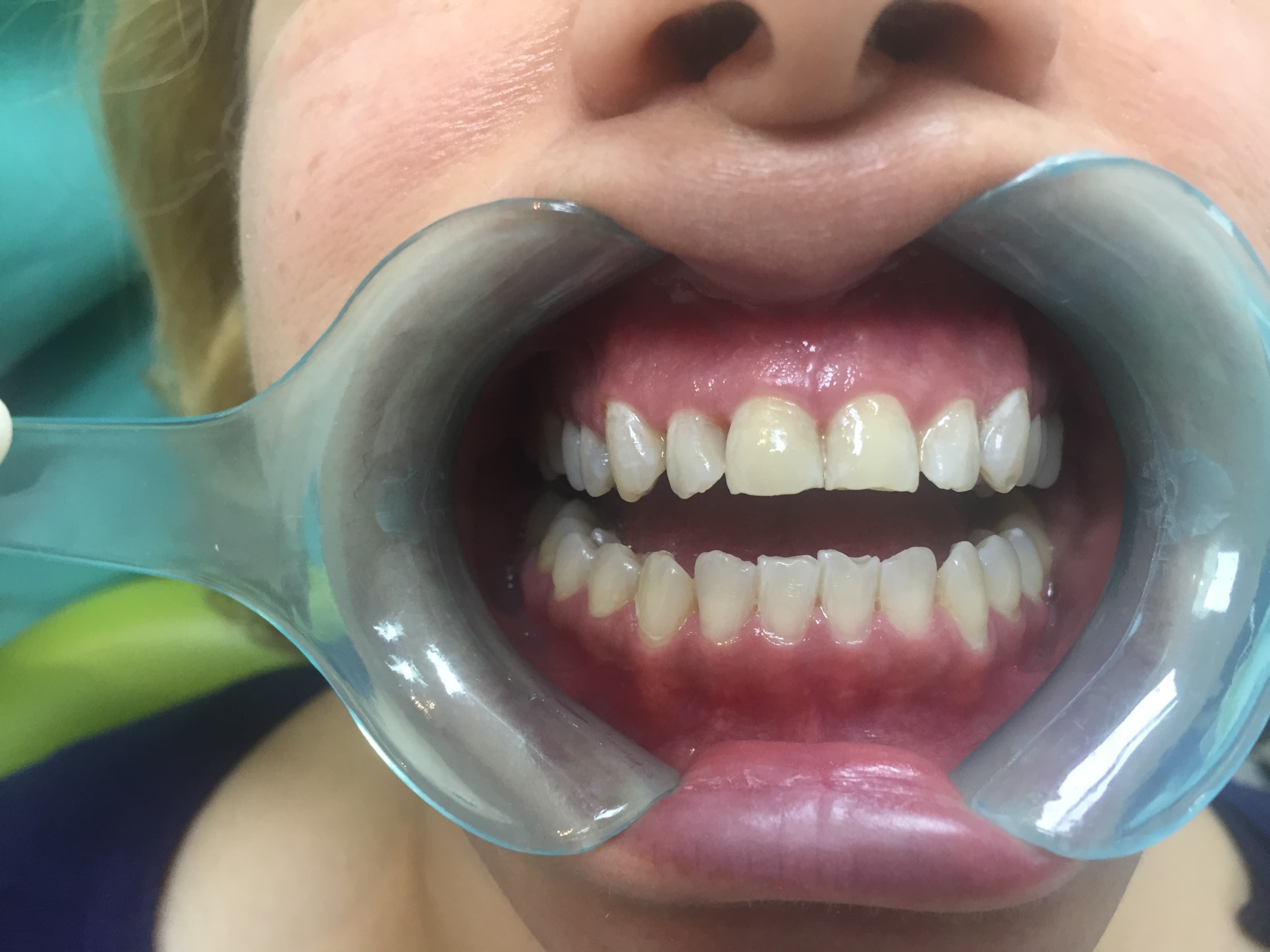
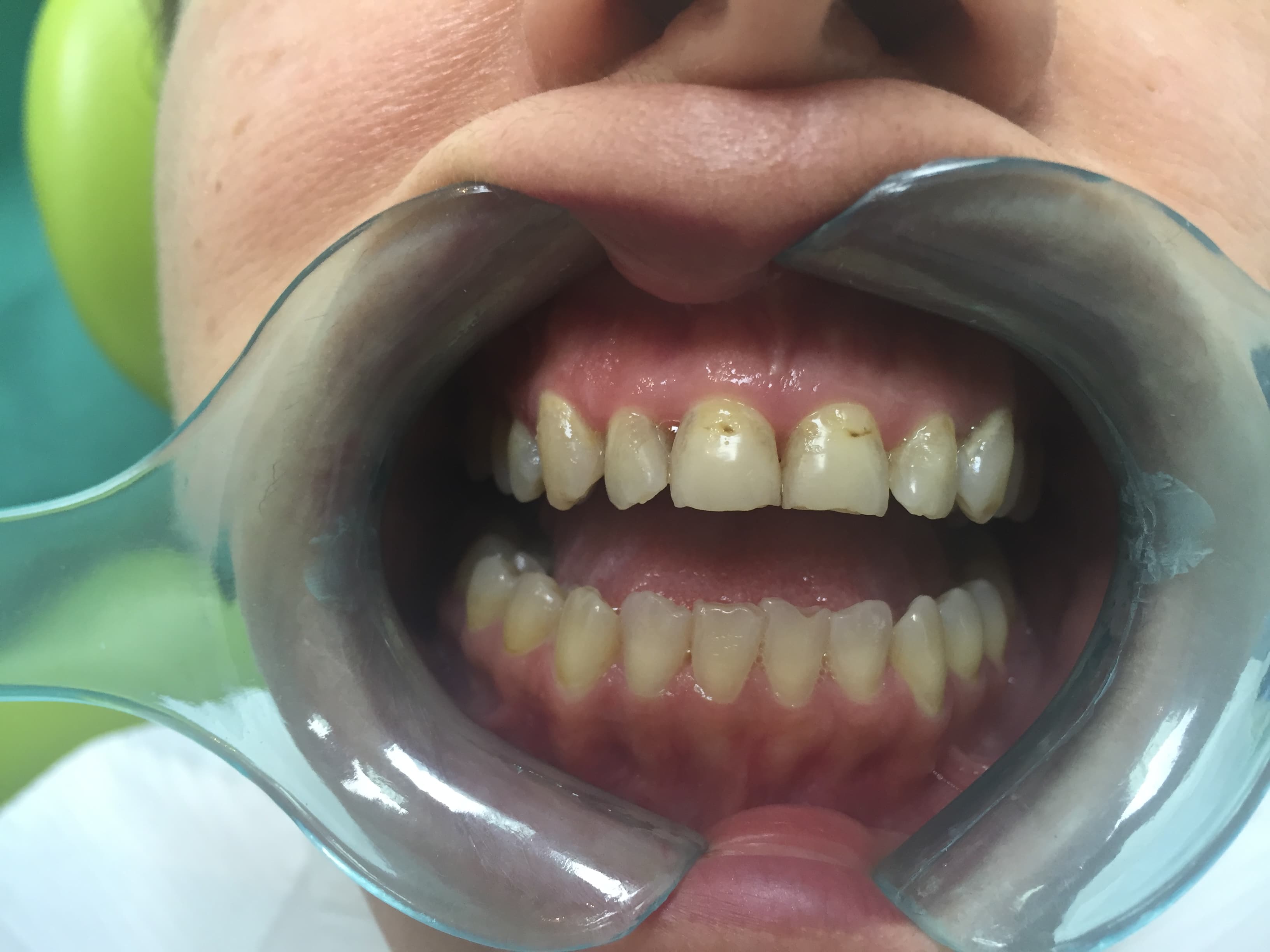
Composite Bonding
Discoloured and chipped front teeth transformation
Discoloured, chipped front teeth rebuilt and brightened with carefully layered composite bonding.
Treated by Dr Yasha Shirazi
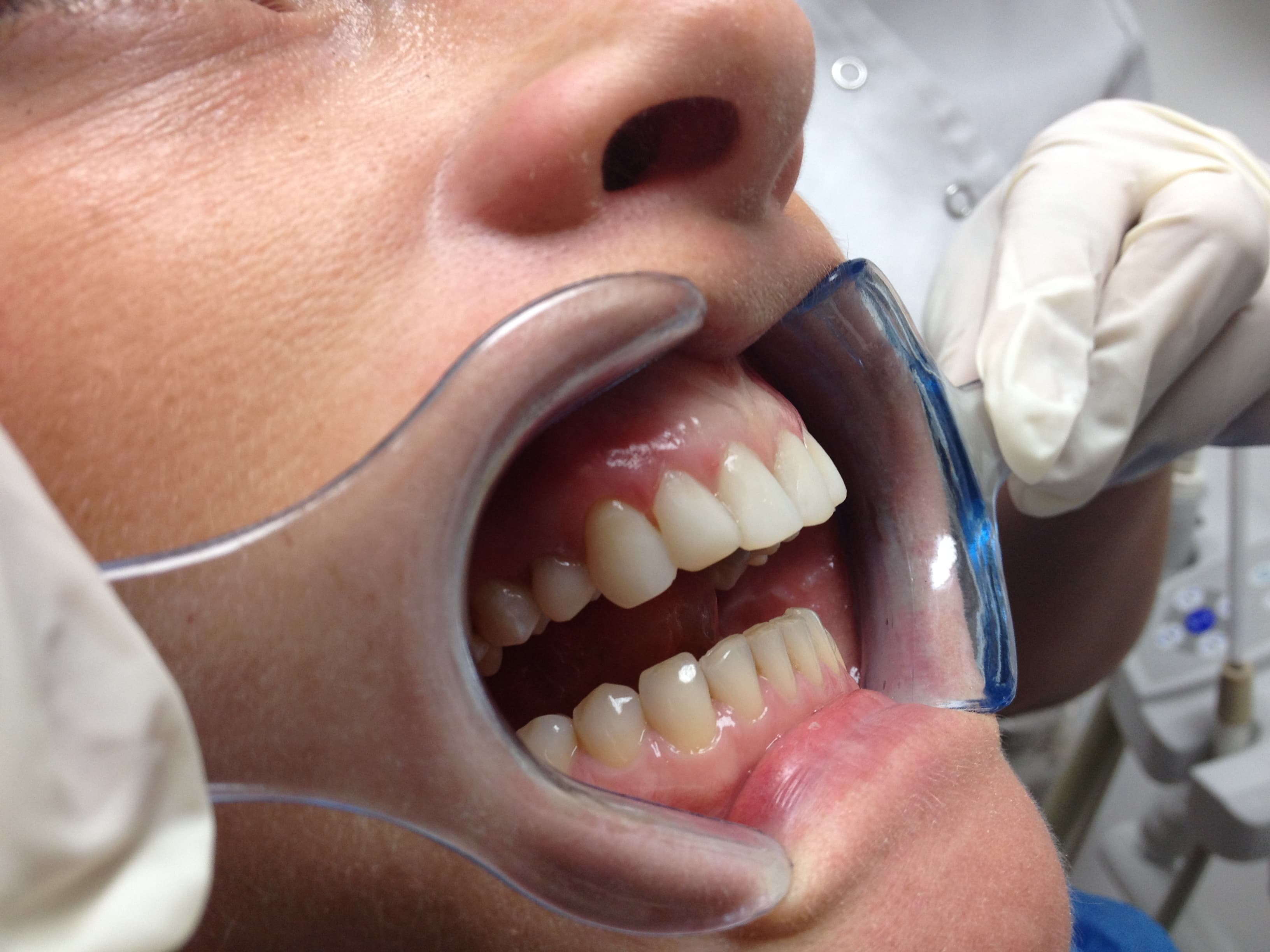
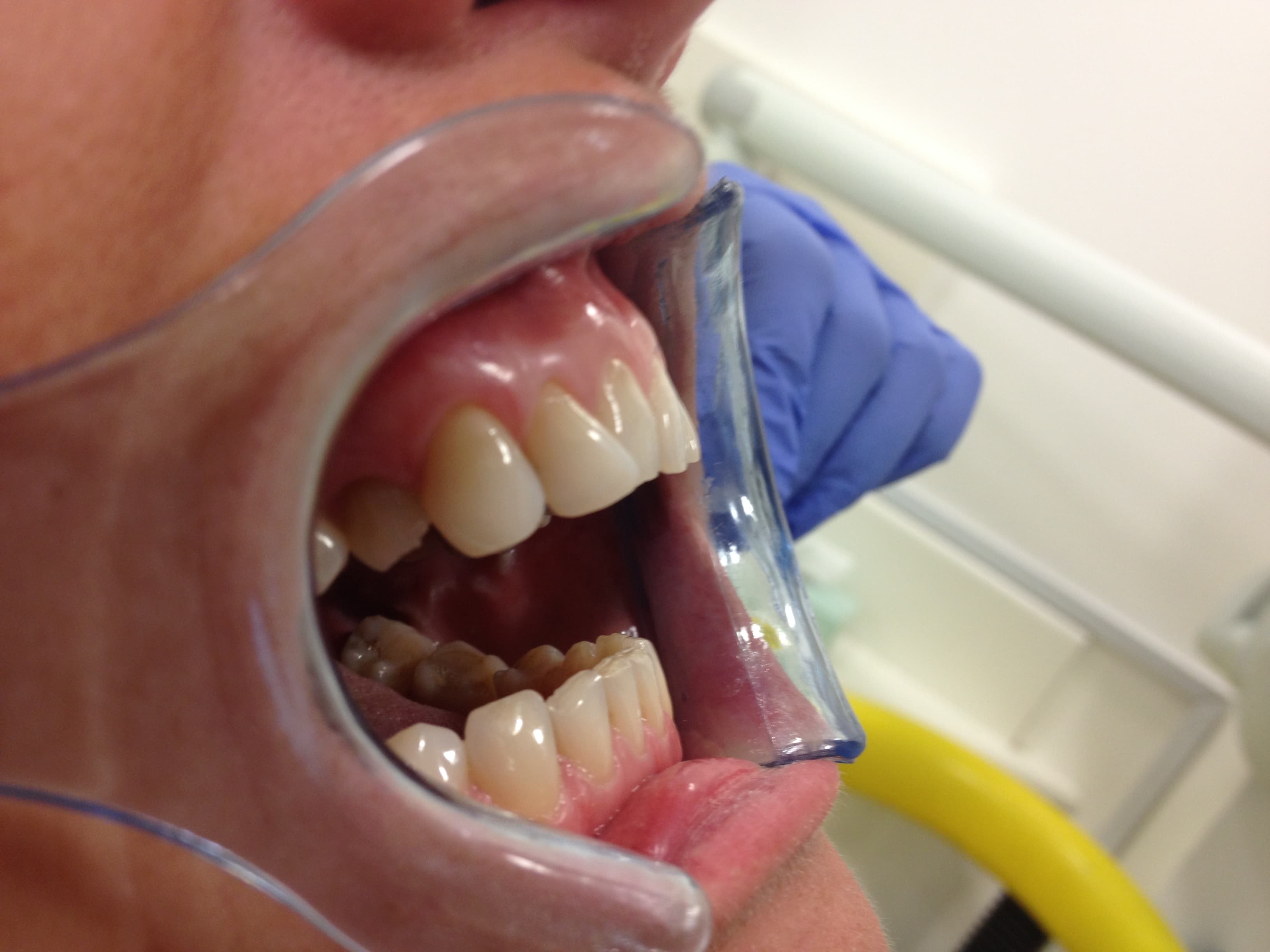
Composite Bonding
Composite bonding refinement
Worn, uneven front teeth reshaped with layered composite for a natural, harmonious finish.
Treated by Dr Yasha Shirazi
Watch & learn
Explained by our clinicians
Short, plain-English explainers from our clinicians on composite bonding and closely related treatments.
What Is Composite Bonding? A Fast Way to Improve Your Smile
Why Composite Bonding Fails Early
Coffee and Composite Bonding
Your clinicians
Meet your dentists
Every clinician at our Wimpole Street practice is GDC-registered — numbers published and verifiable on the public register.

Dr Yasha Y Shirazi
Dentist
GDC No. 195843

Dr Kamran Yazdi
Principal Dentist
GDC No. 197926

Dr Andreia Phipps
Dentist
GDC No. 229601

Dr Reza Davari
Dentist
GDC No. 302422

Dr Narges Ameri
Dentist
GDC No. 325081

Dr Ayman Mukhtar
Dentist
GDC No. 302583

Dr Elisabeth Lichtmannegger
Dentist
GDC No. 319325

Dr Niknaz Rostam Yazdi
Dentist
GDC No. 328954

Dr Sam Parsno
Implant Dentist
GDC No. 72207

Jack Button
Dental Hygienist & Therapist
GDC No. 244367
Questions & Answers
Frequently asked questions
Honest answers about composite bonding, costs and what to expect. Everything is explained again in person at your consultation with a GDC-registered dentist.
Typically 4–8 years with good care. Composite can chip or stain over time but is straightforward to repair or refresh.
In most cases, yes — because it is additive and does not usually involve removing enamel.
Bonding is more conservative and more affordable; porcelain veneers are stronger, more stain-resistant and longer-lasting. Your dentist will explain both options with written prices so you can decide.
In most cases no anaesthetic is needed at all, because nothing is drilled — the composite is added to the surface of the tooth. Some patients notice mild sensitivity for a day or two afterwards, which typically settles on its own. If a tooth does need minor adjustment before bonding, your dentist will discuss numbing options with you first so you stay comfortable throughout.
Composite can gradually pick up surface staining from tea, coffee, red wine and smoking — more readily than porcelain does. Regular hygiene visits and professional repolishing keep bonding looking fresh, and small stained areas can often be buffed back rather than replaced. If you are planning to whiten your teeth, do so before bonding, because composite does not respond to whitening gel.
It varies with your goals. Some patients bond a single chipped tooth; many choose the four to six upper front teeth that show most when smiling, so the result looks balanced. At your consultation at our Wimpole Street practice we assess your smile line and recommend the smallest number of teeth that achieves a harmonious result, with each tooth priced individually in your written quote.
Often, yes. Small to moderate gaps can usually be closed by adding composite to the adjacent edges, keeping the teeth in natural proportion. Very wide gaps may look better treated with a short course of alignment first, then minimal bonding to finish — otherwise the teeth can end up looking too broad. Your dentist will show you the options, and a written plan sets out costs before anything begins.
Treat bonded edges as you would natural teeth, with a little extra care: avoid biting fingernails, pens, ice or opening packets with your teeth, as these habits chip composite. Keep heavily staining drinks moderate, brush and floss normally, and attend hygiene appointments for repolishing. If you grind your teeth at night, a custom night guard can help protect your bonding — many patients find this meaningfully extends its lifespan.
Contact the practice and we will arrange to see you — a chipped edge is rarely urgent, but it is worth repairing promptly so the remaining composite and the tooth beneath stay protected. One of composite's genuine advantages is repairability: in most cases the chipped area can be cleaned, re-bonded and repolished in a single short visit rather than remade from scratch. Repairs are quoted in writing before they go ahead, and we will also look at what caused the chip so it is less likely to recur.
Before, ideally. Composite is shade-matched to your teeth at the time it is placed and does not respond to whitening gel afterwards, so whitening first lets the bonding be matched to your lighter, final shade. If you bond first and whiten later, the natural teeth may lighten while the composite stays put, leaving a visible mismatch. Your dentist at our Wimpole Street practice will sequence the stages correctly in your written plan, with each step priced separately.
Yes — Wimpole Dental is regulated by the Care Quality Commission (CQC), and every clinician is registered with the General Dental Council (GDC), with numbers you can verify on the public register. You'll be treated by a named, experienced clinician working to current professional standards — never a rotating locum.
You'll always receive a written, itemised quote before any treatment begins. New patients start with a £30 consultation; flexible payment options may be available — ask at your consultation.
That's very common and completely understood. Your dentist will explain each step in plain English, work at your pace and never pressure you to proceed. Let us know how you feel when you book and we'll make your visit as calm and comfortable as possible.
Sources & further reading
External links open in a new tab. This page was clinically reviewed by a GDC-registered dentist; it is general information, not a substitute for an in-person consultation.
Find Us
Composite Bonding on Wimpole Street, London
Contact
020 7183 0692Opening hours
- Monday9:00am – 6:00pm
- Tuesday9:00am – 8:00pm
- Wednesday9:00am – 6:00pm
- Thursday9:00am – 8:00pm
- Friday8:00am – 5:00pm
- Saturday10:00am – 4:00pm
- SundayClosed
Related
More cosmetic dentistry
Cosmetic Dentistry
Teeth Whitening
Teeth Whitening
Professional home whitening with custom trays and dentist-prescribed gel — typically a brighter smile over around 2–3 weeks. Individual results vary.

Cosmetic Dentistry
Porcelain Veneers
Porcelain Veneers
Hand-crafted ceramic veneers for a durable, natural-looking result. Veneers involve removing a thin layer of enamel and are not reversible.

Cosmetic Dentistry
Composite Veneers
Composite Veneers
Veneers sculpted freehand in tooth-coloured resin — often completed in a single visit, subject to assessment — a more affordable route to a refreshed smile.
Book Today
Ready to start your smile journey?
Book a £30, no-obligation consultation. You'll leave with a written, itemised plan — and clarity on cost, timeline and options.
22 Wimpole St, London W1G 8GQ · CQC regulated · GDC-registered clinicians