Veneers in Turkey: Costs, Risks and What UK Patients Should Know
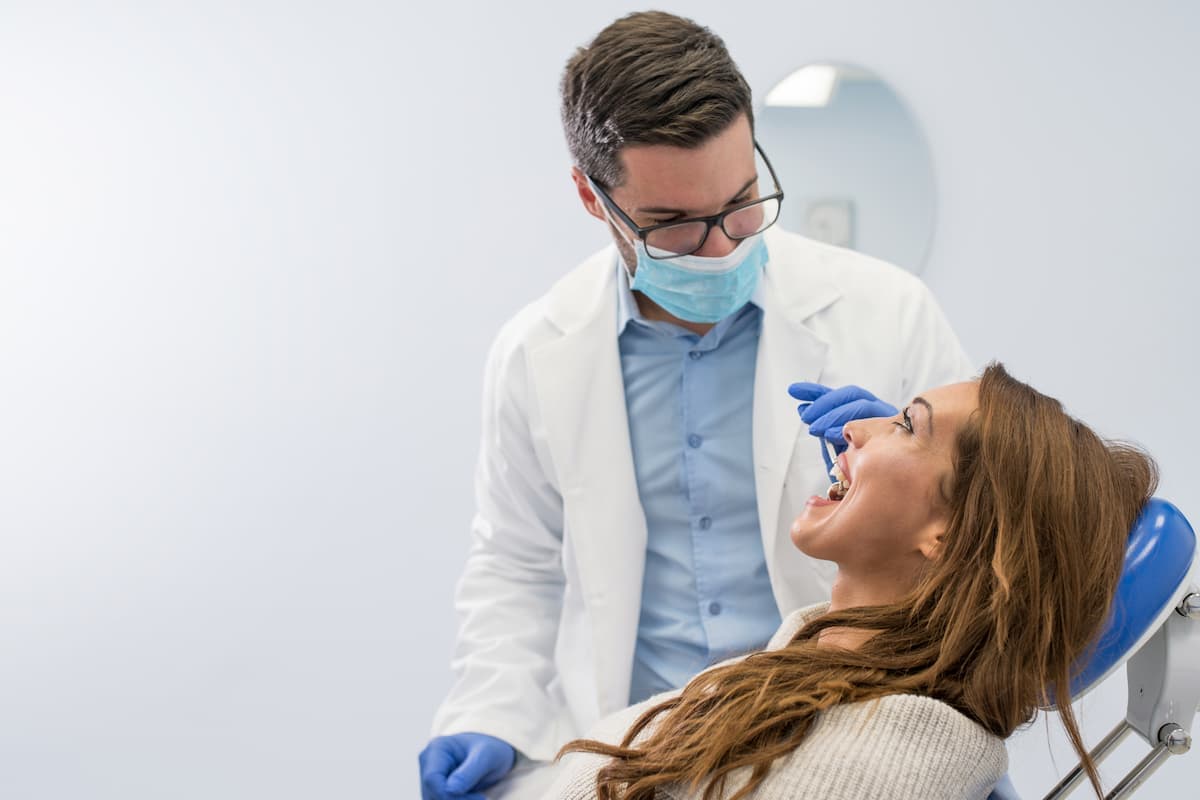
The idea of combining a cosmetic dental transformation with travel to Turkey has attracted significant attention among UK patients. Lower advertised prices, heavily promoted social media packages and striking before-and-after photographs have made veneers in Turkey a subject many people are actively investigating. But behind the appealing price tags lie important clinical, practical and long-term considerations that deserve careful attention before any irreversible procedure is booked.
This article is designed to give UK patients a balanced, evidence-informed overview of what dental veneers in Turkey involve — including honest cost comparisons, realistic risk information, guidance on choosing a reputable clinic, and what to consider before committing to treatment abroad.
What Are Dental Veneers?
Dental veneers are thin restorations bonded primarily to the front surface of teeth. They are commonly used to change the colour, shape, size or overall appearance of teeth and are a recognised option in cosmetic dentistry.
There are two principal types:
• Porcelain veneer treatment uses laboratory-fabricated restorations with a natural translucency that closely mimics tooth enamel.
• Composite veneers — resin-based restorations that may be applied directly to the tooth in a single appointment or fabricated in a laboratory.
Veneers are distinct from dental crowns, which cover most or all of the visible tooth and typically require more extensive tooth preparation. Understanding this distinction matters enormously when researching treatment abroad — a point we return to below.
What Does "Turkey Teeth" Actually Mean?
The phrase "turkey teeth" is an informal and somewhat imprecise term used in British popular culture to describe dramatic cosmetic dental transformations — often characterised by very white, uniform teeth — associated with dental treatment in Turkey.
Crucially, it does not describe a single dental procedure. The term is applied loosely to treatment plans that may involve porcelain veneers, dental crowns, composite veneers, or combinations of restorative procedures. Some patients who have travelled abroad believing they would receive veneers have later discovered that their treatment involved dental crowns — procedures that require considerably more natural tooth structure to be removed.
This is why confirming in writing which specific restoration is proposed for each individual tooth is essential before agreeing to any treatment plan.
Veneers vs Crowns: An Important Clinical Distinction
The General Dental Council (GDC) expects dental professionals to provide patients with enough information to make informed decisions about their care. This includes explaining which procedures are proposed, what preparation is involved, and what alternatives exist. Patients should request a written treatment plan detailing the specific restoration proposed for each tooth before consenting to any work.
If a clinician is recommending crowns for otherwise healthy teeth purely for cosmetic reasons, it is worth seeking a second opinion — ideally from your regular dentist in the UK before travelling.
How Much Do Veneers Cost in Turkey?
One of the primary drivers of interest in dental veneers in Turkey is cost. Dental treatment in Turkey is frequently advertised at significantly lower prices than equivalent private treatment in the UK. However, like-for-like price comparisons are more complex than headline figures suggest.
Approximate Cost Considerations
Important note: Published package prices for dental veneers turkey vary widely between clinics. The figures advertised online often reflect introductory or promotional pricing and may not include consultation fees, x-rays, temporary restorations, additional appointments or aftercare. Request an itemised written quotation before committing.
The apparent savings on treatment cost may be partially or significantly offset by travel, accommodation, potential time off work, and any costs associated with follow-up care or corrective treatment after returning home. The lowest initial quotation does not automatically represent the lowest overall long-term cost.
Porcelain vs Composite Veneers in Turkey
Understanding the difference between veneer materials is important when evaluating treatment options abroad.
Porcelain Veneers
• Fabricated in a dental laboratory from ceramic materials
• Closely mimic the natural translucency of tooth enamel
• Generally considered more durable for long-term wear
• Resistant to staining in most circumstances
• Cannot be repaired in the same way as composite; may need replacement if damaged
• Higher cost than composite veneers
• Require two or more appointments for preparation, temporisation and fitting
Composite Veneers
• Made from tooth-coloured resin material
• May be applied directly to the tooth in a single appointment or laboratory-fabricated
• Generally lower cost than porcelain
• More susceptible to staining over time
• Can often be repaired or adjusted more easily
• Shorter clinical longevity in some situations
Both veneer types require appropriate oral health, a stable bite, and healthy periodontal conditions before placement. Neither is suitable for everyone, and clinical suitability should be assessed on an individual basis. The Oral Health Foundation highlights that any cosmetic dental work should be underpinned by a thorough oral health assessment.
Patients comparing materials can also review composite veneer options before deciding between direct and laboratory-led approaches.
Risks of Getting Veneers in Turkey
Receiving dental veneers in Turkey is not inherently unsafe, but there are real risks — both clinical and logistical — that patients should understand before making decisions about irreversible cosmetic treatment abroad.
Clinical Risks Associated with Veneers Generally
• Tooth sensitivity — particularly after enamel preparation
• Gum irritation — especially if restorations do not fit precisely at the gum margin
• Chipping or debonding — if the restoration is poorly fitted or subjected to excess force
• Bite problems — if restorations are not correctly adjusted
• Pulp damage — in some cases, tooth preparation or infection can affect the tooth pulp
• Potential need for root canal treatment — particularly where crowns rather than veneers have been placed on healthy teeth
• Restoration failure — requiring replacement or corrective treatment
Logistical Risks Specific to Overseas Treatment
• Difficulty arranging timely follow-up or adjustment appointments after returning home
• Challenges pursuing complaints or warranty claims from the UK
• Potential for NHS services declining to provide corrective treatment for elective cosmetic work undertaken privately abroad
• Communication barriers in some cases
• Time pressure to complete treatment within a short visit, potentially limiting thorough assessment
The GDC provides specific guidance for patients considering going abroad for dental treatment, recommending that patients research regulatory frameworks, ask detailed questions and obtain written treatment plans.
Do Veneers in Turkey Ruin Your Natural Teeth?
This is one of the most frequently asked questions about dental veneers abroad, and it deserves a measured, clinical answer.
Dental veneers — when appropriately planned and applied to suitable teeth — may require a degree of permanent enamel removal. The amount of preparation depends on the specific clinical situation, the type of veneer, the condition of the existing teeth and the technique used. Some minimally prepared or no-preparation veneer designs require very little enamel removal; others require more.
Dental crowns require significantly more tooth preparation than veneers. This is clinically appropriate when a tooth requires structural support or protection — but should not be recommended routinely for healthy teeth purely for cosmetic reasons.
The concern raised by organisations including the British Dental Association (BDA) is not simply that preparation occurs, but that unnecessary removal of healthy natural tooth structure carries long-term consequences — including increased sensitivity, potential pulp damage, and a lifelong requirement for replacement restorations. Once enamel is removed, it cannot regenerate.
This does not mean treatment in Turkey necessarily results in harm. It means patients should understand what preparation is proposed for their specific teeth, ask why it is necessary, and seek an independent opinion if they are uncertain.
For additional context on preparation choices, natural tooth preparation risks can be useful to review before consenting.
What Happens During the Veneers Procedure in Turkey?
A typical veneer treatment journey — whether in the UK or abroad — may involve the following stages:
1. Initial consultation — assessment of your dental and medical history
2. Clinical examination — examination of teeth, gums and bite
3. Dental imaging — X-rays or digital imaging where clinically indicated
4. Treatment planning — discussion of proposed restorations, materials and expected outcomes
5. Tooth preparation — removal of enamel where required, shaping of teeth
6. Impressions or digital scanning — to create accurate working models for the laboratory
7. Temporary restorations — to protect prepared teeth while permanent restorations are fabricated
8. Laboratory fabrication — production of the final restorations
9. Try-in and assessment — checking fit, colour and shape before final bonding
10. Final bonding or fitting — permanent placement of the veneers
11. Bite and aesthetic checks — adjustments as required
12. Aftercare instructions — guidance on care, maintenance and what to do if problems arise
The actual process varies according to the individual treatment plan. Not every step listed above applies in every case.
How Long Should You Stay in Turkey for Veneers?
There is no single fixed duration for veneer treatment in Turkey. The time required depends on:
• The number of teeth being treated
• The type of restoration (porcelain veneers typically require multiple visits to allow laboratory fabrication)
• The laboratory's turnaround time
• The number of appointments included in the treatment plan
• Any additional dental work required
• Unexpected clinical findings during examination
• Required adjustments following the try-in stage
Many clinics advertise treatment completion within a specific number of days. However, patients should be cautious about booking inflexible return travel arrangements before the clinical schedule has been confirmed. If unexpected findings require additional treatment time — or if adjustments are needed — a rushed departure can compromise the outcome.
How to Choose a Safe Dental Clinic in Turkey for Veneers
Selecting a clinic requires thorough research. The following checklist may help UK patients make a more informed assessment:
1. Verify the treating dentist's identity and qualifications — check that the dentist's name and credentials are clearly communicated.
2. Ask about professional registration — Turkey has its own dental regulatory bodies; ask which authority the clinician is registered with.
3. Confirm the clinic's legal status — ask about the facility's regulatory authorisation or accreditation status.
4. Ensure a full dental examination is performed — this should include periodontal health assessment, not just an aesthetic evaluation.
5. Ask whether diagnostic imaging is included — X-rays should be part of appropriate clinical assessment.
6. Confirm in writing which restoration is proposed for each tooth — veneer or crown?
7. Ask how much natural tooth structure will be removed — and why.
8. Understand the proposed materials and laboratory arrangements — where are the restorations being fabricated?
9. Request a written treatment plan and itemised quotation before agreeing to anything.
10. Ask about infection control procedures — sterilisation, single-use instruments and clinical hygiene standards.
11. Obtain written consent documentation — including an explanation of risks and limitations.
12. Understand warranty terms and exclusions — what is and is not covered, and for how long.
13. Clarify post-treatment support arrangements — what happens if something goes wrong after you return home?
14. Ask about emergency arrangements — both during your stay and after returning to the UK.
15. Establish responsibility for corrective treatment — who bears the cost if the outcome requires correction?
Positive online reviews, glossy websites and social media presence are not reliable substitutes for thorough clinical assessment and transparent communication. The GDC strongly encourages patients to seek independent advice from their regular dentist before committing to irreversible cosmetic treatment abroad.
Potential Advantages
• Treatment may be priced differently to equivalent private dentistry in the UK
• Access to private dental providers experienced in treating international patients
• Potentially shorter appointment scheduling in some cases
• Opportunity to compare treatment plans and obtain multiple consultations
• Combining treatment with travel to a country many people find appealing
Potential Disadvantages
• Different regulatory frameworks and professional complaint mechanisms
• Difficulty arranging follow-up care and adjustments from the UK
• Travel and accommodation represent genuine additional expenses
• Limited time during a short visit may not allow for thorough assessment and adjustment
• Language and communication differences in some cases
• Complications after returning home may require UK private treatment at additional cost
• NHS services may not provide corrective care for elective cosmetic procedures
Treatment quality in dental tourism is determined primarily by the individual clinic, the treating dentist, the clinical process applied and the materials used — not by the country as a whole. Thorough due diligence remains essential regardless of where treatment is sought.
Veneers Aftercare and Maintenance
Dental veneers — whether placed in Turkey or the UK — require consistent, lifelong maintenance. They are not a permanent, maintenance-free solution.
Daily and Ongoing Care
• Brush teeth twice daily using a non-abrasive fluoride toothpaste
• Use interdental brushes or floss to clean between teeth and around veneer margins
• Avoid habits that may damage restorations — including nail-biting, pen-chewing or using teeth as tools
• Avoid or moderate consumption of heavily staining foods and drinks, particularly with composite veneers
• If you grind your teeth (bruxism), discuss protective measures with your dentist — a custom night guard may be appropriate
• Attend regular dental examinations and professional hygiene appointments
• Monitor for any changes in fit, sensitivity or appearance and report these promptly
Arranging Follow-Up Care in the UK
Before returning from Turkey, obtain complete written records of your treatment, including:
• The specific restorations placed and materials used
• Laboratory details
• Any temporary measures applied
• Aftercare instructions
• Warranty documentation
• Contact information for the treating clinic
Sharing this information with your regular UK dentist will enable them to monitor your oral health and provide appropriate ongoing care.
The lifespan of any veneer depends on the material, the quality of placement, oral hygiene, bite forces, lifestyle factors and the consistency of ongoing dental care. No specific lifespan can be guaranteed.
Practical maintenance routines are explained in long-term veneer care habits.
What Should UK Patients Consider Before Travelling for Veneers?
Before booking flights or committing to treatment abroad, consider the following:
• Have a thorough dental examination in the UK first. Your regular dentist can assess whether your gums, bite and existing teeth are suitable for veneers — and may identify conditions that need addressing before any cosmetic work.
• Understand whether the procedure is reversible. Enamel preparation is permanent. Dental crowns require more preparation than veneers. These are lifelong commitments.
• Consider the total cost, not just the treatment fee — including travel, accommodation, potential follow-up care and any corrective treatment.
• Research the specific clinic and dentist, not just the country or city.
• Obtain a written treatment plan in English before agreeing to anything.
• Consider travel insurance that includes dental treatment abroad, emergency repatriation and cover for complications.
• Reflect on whether cosmetic alternatives — such as professional teeth whitening or composite bonding — might address your aesthetic concerns with less preparation of natural teeth.
If you want a UK baseline opinion first, book a UK consultation before arranging overseas treatment.
Cosmetic dentistry can produce meaningful aesthetic improvements when appropriately planned and carried out for the right patient. The goal of this article is not to discourage overseas treatment, but to ensure that any decision is made with full awareness of the clinical, financial and practical implications involved.
Frequently Asked Questions
1. Are veneers in Turkey cheaper than in the UK?
Advertised treatment costs for dental veneers in Turkey are frequently lower than equivalent private treatment in the UK. However, once travel, accommodation, potential time off work and any follow-up or corrective treatment costs are factored in, the overall financial difference may be smaller than it initially appears. The total cost — not just the treatment fee — should inform any financial comparison.
2. Can a UK dentist maintain veneers that were fitted abroad?
A UK dentist can generally monitor veneers fitted abroad and provide routine maintenance such as hygiene care and examination. However, warranty arrangements and responsibility for any corrective work are typically matters between the patient and the original treating clinic. It is advisable to share your complete treatment records with your UK dentist upon returning home.
3. What documents should I request before returning to the UK after treatment?
You should request a written summary of the treatment performed, specifying which restorations were placed and on which teeth, the materials used, the laboratory involved, aftercare instructions, warranty terms and conditions, and contact details for the treating clinic. These documents are important for your ongoing UK dental care.
4. Can veneers be removed if someone changes their mind?
Veneers generally cannot simply be removed and have the teeth returned to their previous state if enamel has been prepared. The preparation process is irreversible, which is why it is classified as an irreversible cosmetic procedure. This underlines the importance of understanding the full implications before consenting to treatment.
5. What should I do if a veneer becomes loose or falls off after returning to the UK?
Contact your regular UK dentist promptly. Keep the veneer if possible. Do not attempt to reattach it yourself. Your dentist can assess the situation, provide temporary protection if needed, and advise on appropriate next steps. You should also contact the treating clinic in Turkey to report the issue, particularly if a warranty was provided.
6. Should existing gum disease be treated before having cosmetic veneers?
Yes. Healthy periodontal conditions are generally considered a prerequisite for cosmetic dental procedures including veneers. Active gum disease can affect the longevity of restorations and the accuracy of fit at the gum margin. Any gum disease or oral health problems should be assessed and stabilised before cosmetic treatment is undertaken.
7. Can teeth whitening be an alternative to veneers?
For patients whose primary concern is tooth colour rather than shape or surface imperfections, professional teeth whitening may achieve the aesthetic improvement they are seeking with no removal of natural tooth structure. It is a considerably less invasive option and worth discussing with your dentist before committing to veneer preparation.
8. What should I do if my bite feels uncomfortable after treatment?
Report bite discomfort to your treating dentist as soon as possible. If you are still in Turkey, ask for an assessment and adjustment before returning home. If you have already returned to the UK, contact your regular dentist. Persistent bite changes can place additional stress on teeth and restorations and may require attention.
9. Is there a difference between getting veneers and getting crowns in Turkey?
Yes — these are clinically different procedures. Veneers cover primarily the front surface of a tooth and typically require less preparation. Crowns cover most or all of the visible tooth and require more extensive preparation. Both are irreversible. Some patients who travel abroad for veneers receive crowns instead, so confirming in writing which procedure is proposed for each tooth before treatment is very important.
10. Do I need travel insurance for dental treatment in Turkey?
Standard travel insurance policies may not cover elective cosmetic dental procedures or complications arising from them. If you are travelling for dental treatment, it is worth seeking a specialist policy that explicitly covers the dental procedure, any emergency dental care needed during your trip, and complications that may arise after returning home. Read the policy terms carefully before purchasing.
Disclaimer
This information is educational and not personal dental advice. Overseas cosmetic treatment suitability depends on full clinical assessment. Take independent advice from a GDC-registered clinician before irreversible procedures. Wimpole Dental is regulated by the Care Quality Commission (CQC).
Written Date: 20 November 2026 | Next Review Date: 20 November 2027
Written by Wimpole Dental Editorial Team · reviewed by Wimpole Dental Clinical Team
This article is general information, not personal clinical advice. For a diagnosis and a plan tailored to you, book a consultation with a GDC-registered dentist.
Related treatments at our Wimpole Street practice