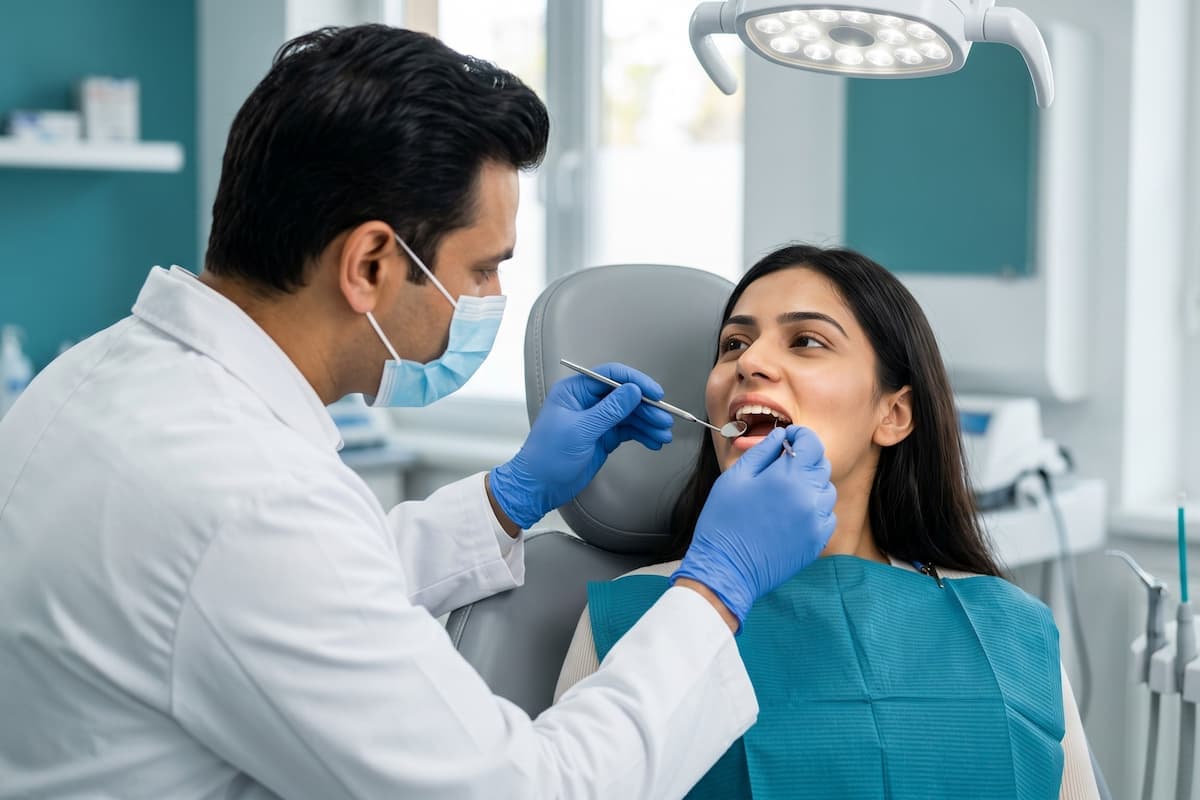
Composite Bonding for Gapped Teeth: Suitability, Results and Costs
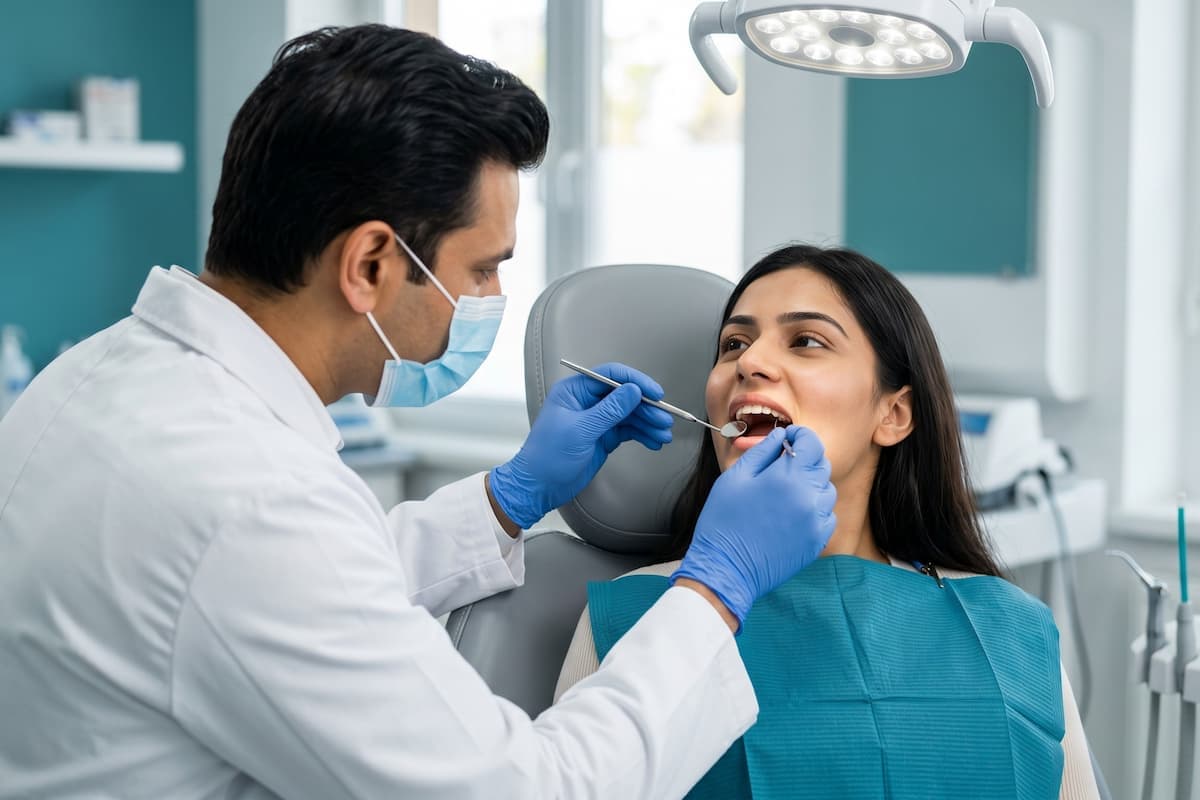
A gap between your teeth — whether a small space between your front teeth or multiple areas of uneven spacing — can be a source of real self-consciousness for many people. It is entirely understandable to want to explore your options. For a growing number of patients, composite bonding for gapped teeth has become a popular and accessible cosmetic dental treatment worth considering.
But is it the right solution in every case? Can composite bonding realistically close every type of gap? And what should you honestly expect in terms of results, longevity and cost?
This guide explains the clinical realities, suitability considerations and what composite bonding can and cannot achieve — so you can approach any professional conversation well-informed.
Can composite bonding fix gapped teeth? Composite bonding may help improve the appearance of suitable gaps between teeth by applying and sculpting tooth-coloured resin onto the tooth surface. However, suitability depends on the size and distribution of the gap, tooth proportions, bite alignment and overall oral health. It is not appropriate for every type of dental spacing, and an individual clinical assessment is required.
What Does Composite Bonding for Gapped Teeth Involve?
Composite bonding procedures use a tooth-coloured composite resin material that is carefully applied, shaped and polished directly onto the surface of one or more teeth.
In the context of closing a gap between teeth, the process typically works by building out the sides of the teeth that border the space. The dentist sculpts the resin so that it narrows or closes the visible gap, blending seamlessly with the natural tooth colour and contour.
One of the key advantages of composite bonding is that it is generally a minimally invasive treatment. In many cases, little or no removal of natural tooth enamel is required, which distinguishes it from more involved restorations such as dental veneers or crowns. The treatment is typically completed in a single visit, and the results are immediately visible.
That said, the suitability of composite bonding for closing gaps is not universal. The clinical approach and the realistic outcome depend significantly on the nature of the spacing involved.
Which Types of Dental Gaps May Be Suitable for Composite Bonding?
Not all dental gaps are the same, and understanding the type of spacing you have is an important first step.
Identifying your gaps between teeth pattern first can help you judge whether additive treatment is proportionate.
Small to Moderate Front Tooth Gaps (Midline Diastema)
A midline diastema — the technical term for a gap between the two upper front teeth — is one of the most common presentations that patients bring to cosmetic dental consultations. For small to moderate gaps in this area, composite bonding on spaced teeth can be a clinically appropriate option. The resin is applied to the inner edges of both teeth to gradually reduce the visible space.
The critical consideration here is proportionality. The front teeth have naturally defined widths relative to their height. Closing a gap using composite bonding widens both teeth, which must remain within aesthetically balanced and clinically acceptable proportions. A very wide gap may require each tooth to be widened significantly — potentially resulting in teeth that appear unnaturally broad.
Spaces Between Multiple Teeth
Where spacing is distributed across several teeth rather than concentrated in one area, the treatment plan becomes more complex. Composite bonding may still be a viable option in some cases, but the dentist needs to assess how adjustments to multiple teeth will interact with the overall smile line and bite.
Gaps Associated with Tooth Proportions or Size Discrepancies
Sometimes spacing occurs because a tooth is naturally smaller than those around it — a condition known as a peg lateral, where a lateral incisor is unusually narrow. Composite bonding can sometimes be used to build out such a tooth and create a more balanced appearance alongside its neighbours.
Gaps Involving Missing Teeth or Underlying Conditions
It is important to note that composite bonding is not appropriate for gaps caused by missing teeth or by underlying dental health conditions. If a space exists because a tooth has been lost, extracted or never developed, the treatment options are quite different — and may include dental implants, bridges or orthodontic treatment. Similarly, if gum disease or bone loss is contributing to spacing changes, oral health must be addressed before any cosmetic treatment is considered.
Composite Bonding for Front Teeth: Key Considerations
The front teeth are the most visible part of the smile and the most common site for gap dental bonding requests. Composite bonding for a gap between front teeth can produce natural-looking, pleasing results when the gap size is within a manageable range and the surrounding teeth are proportionally appropriate.
However, the dentist will need to assess several factors before recommending bonding for front teeth gaps:
• Gap size: Larger gaps require more resin, which can affect tooth proportions and the long-term stability of the bonding.
• Bite alignment: How the upper and lower teeth meet (the occlusion) is critically important. If the opposing teeth place excessive pressure on bonded surfaces, this increases the risk of chipping or debonding.
• Existing restorations: Previous crowns, veneers or fillings will affect colour matching and the bonding process.
• Gum health: Healthy gums provide the correct foundation for accurate tooth contouring.
If you are exploring options for composite bonding gap front teeth, a thorough cosmetic dental consultation will help clarify whether bonding is the most suitable route for your specific situation.
Can Composite Bonding Improve the Appearance of Overlapping Teeth?
This is a question that comes up frequently, and it deserves a careful answer.
Can composite bonding fix overlapping teeth? In a limited sense, bonding can sometimes smooth or recontour teeth that have minor irregularities in their edges or surfaces — which may slightly improve the appearance of mild crowding or minor overlapping. However, composite bonding does not move teeth. It is a restorative material applied to the outer surface of a tooth; it does not alter the position of the tooth root within the jawbone.
Attempting to mask significant overlapping using bonding can result in teeth that appear bulky or disproportionate, and may also create areas that are more difficult to clean — potentially affecting gum health over time.
Where teeth genuinely overlap or where there is meaningful crowding, orthodontic treatment — whether through traditional braces or clear aligners — is typically the clinically appropriate route. Some patients choose to combine orthodontic treatment with composite bonding: orthodontics to reposition the teeth and bonding to refine the shape and appearance of individual teeth afterwards. This staged approach is worth discussing with your dentist.
Treatment Limitations: What Composite Bonding Cannot Do
Being realistic about the limitations of composite bonding is essential for informed decision-making.
• Larger gaps may fall outside the suitable range for bonding because closing them would require widening the teeth to a degree that compromises natural proportions.
• Chipping risk: Composite resin is durable but not as hard as natural tooth enamel or ceramic materials. Front teeth edges and areas exposed to biting forces carry a higher risk of chipping, particularly if the bite is not ideal.
• Staining over time: Composite resin can absorb staining from tea, coffee, red wine and certain foods to a greater degree than ceramic restorations. While polishing can help, some colour change over time is a realistic expectation.
• Longevity: Composite bonding typically lasts between five and ten years, depending on the case, oral hygiene, habits and maintenance. It is not a permanent restoration, and repairs or replacement may be needed.
• Tooth proportions: Any change to tooth width through bonding must remain aesthetically proportional. This requires careful planning and an experienced clinician.
Composite Bonding vs Veneers and Orthodontics: Understanding Your Options
It is helpful to understand where composite bonding sits alongside other cosmetic and orthodontic options.
Bonding versus veneers comparison can help clarify where wider gaps may need a different restorative route. Veneers offer greater versatility for closing wider spaces and can address colour and shape simultaneously, but they typically require some removal of tooth enamel and represent a more involved and irreversible commitment.
For cases involving significant spacing across multiple teeth, bite issues or genuine tooth misalignment, clear aligner treatment or orthodontics may deliver more predictable and stable long-term results.
Composite Bonding Before and After Gapped Teeth: Setting Realistic Expectations
Patients often search for composite bonding before and after gapped teeth images to understand what results look like in practice. While clinical photography can be helpful, it is important to interpret such images carefully.
Realistic expectations following composite bonding for a dental gap may include:
• A visibly reduced or closed space between the treated teeth
• Improved symmetry and balance within the smile
• A natural-looking result when the gap is within a suitable range and the treatment is well-executed
• Teeth that appear wider than before — which is an inherent result of narrowing a gap by adding material
What before-and-after images cannot convey is the individual variation in results based on gap size, tooth shape, bite factors and oral health. Every patient's outcome will differ.
It is worth approaching any before-and-after gallery — whether on a practice website or social media — with the understanding that each case is unique. Fabricated or misleading results have no place in ethical dental marketing, and your treating dentist should provide honest, case-specific guidance on what is realistic for your situation.
For added context, reviewing before and after outcomes can help you compare mild versus complex spacing cases.
Cost Considerations: How Much Is Composite Bonding for a Gap?
How much is composite bonding for a gap? This is one of the most common questions patients ask, and it is a reasonable one to explore — though the answer depends on several variables.
Factors that influence composite bonding gap teeth cost include:
• Number of teeth involved: Closing a single gap between two front teeth involves a different scale of treatment compared to addressing spacing across multiple teeth.
• Gap size and complexity: Larger or more complex cases require more material, more chairtime and greater clinical skill.
• Amount of composite resin required: More extensive gaps need more material to achieve a balanced result.
• Dentist expertise and practice location: Composite bonding costs in London typically reflect higher practice overheads compared with other UK regions.
• Treatment planning and assessment: A thorough clinical assessment, including study models or digital planning, may be included in the overall treatment cost.
• Maintenance and repair: Composite bonding may require polishing, minor repairs or eventual replacement, which should be factored into the overall cost consideration.
As a general guide, composite bonding front teeth gap cost in the UK private sector varies meaningfully between practices and is most reliably confirmed through a formal treatment quotation following a clinical assessment. For budgeting structure, UK cost expectations can support like-for-like quote comparisons.
We do not publish fixed prices here, as the appropriate cost for your treatment can only be determined following an individual clinical assessment and personalised treatment plan. We encourage you to request a dental examination or cosmetic consultation to receive an accurate and transparent quotation relevant to your specific case.
Longevity and Maintenance: Looking After Your Bonding
If you proceed with composite bonding to close a gap, maintaining the results requires some practical awareness:
• Avoid biting hard objects: Biting nails, pen lids or hard foods directly with bonded teeth increases chipping risk.
• Moderate staining foods and drinks: While you do not need to avoid these entirely, being mindful of tea, coffee and red wine will help maintain the colour of the resin.
• Maintain excellent oral hygiene: Brushing twice daily with a fluoride toothpaste and cleaning between your teeth daily supports the gum health that underpins the appearance of your bonding.
• Attend regular dental check-ups: Your dentist can monitor the condition of your bonding, polish the surface if needed and address any minor chips early.
• Wear a night guard if appropriate: If you grind your teeth (bruxism), a custom night guard can significantly extend the life of composite bonding and protect your natural teeth.
When Should You Seek Professional Dental Advice?
If you are considering composite bonding on spaced teeth — or any cosmetic dental treatment — a professional clinical assessment is the essential starting point. No amount of online research can replace an examination by a qualified dentist who can assess your specific gap, tooth proportions, bite, gum health and overall oral health.
A good cosmetic dental consultation should help you understand not just whether bonding is technically possible, but whether it is the most appropriate option for your situation, your long-term dental health and your aesthetic goals.
If you have been searching for composite bonding gap teeth near me and are based in or around London, choose a consultation route that fits your goals.
Frequently Asked Questions
1. Can you get composite bonding on gapped teeth if the gap is very large?
Composite bonding can close small to moderate gaps effectively, but very large spaces present a clinical challenge. Closing a wide gap using bonding requires widening the teeth on either side significantly, which can result in disproportionate or unnatural-looking teeth. In cases of larger gaps, your dentist may recommend alternative treatments such as dental veneers or orthodontic correction as more suitable options.
2. Does composite bonding for a gap require removal of natural tooth enamel?
In many cases, composite bonding for gaps requires little or no enamel removal, making it one of the more minimally invasive cosmetic treatments available. The resin is typically applied directly to the existing tooth surface. However, the dentist may need to lightly prepare the surface to ensure proper adhesion, and individual cases vary.
3. How long does composite bonding typically last on front teeth?
Composite bonding on front teeth generally lasts between five and ten years, though this varies depending on the size of the restoration, the patient's bite, oral hygiene habits and lifestyle factors such as diet. Regular dental check-ups allow any wear or minor chipping to be monitored and addressed before more significant repairs are needed.
4. Can composite bonding be repaired if it chips?
Yes, one of the practical advantages of composite resin is that it can often be repaired relatively straightforwardly if a chip or minor fracture occurs. Your dentist can add new resin and re-polish the area. This is generally simpler and less costly than repairing ceramic restorations, though it is preferable to protect the bonding through sensible oral habits.
5. Will composite bonding change the shape of my teeth noticeably?
Yes — and this is worth understanding before treatment. Closing a gap using bonding means adding width to the teeth on either side of the space. The degree of visible shape change depends on the size of the gap and the number of teeth involved. An experienced dentist will plan the proportions carefully to ensure the result looks balanced and natural, but it is realistic to expect some change in tooth shape.
6. Is orthodontic treatment a better option than composite bonding for gaps?
For some patients, orthodontic treatment may provide a more appropriate and stable long-term solution — particularly where the gap is large, where multiple teeth are spaced, or where the underlying cause is related to bite or tooth alignment. Orthodontics physically repositions the teeth, whereas bonding alters their surface appearance. Some patients benefit from a combination of both. The right choice depends on your individual clinical situation, which a dentist can assess.
7. Can composite bonding stain over time?
Composite resin is more susceptible to surface staining than ceramic materials such as porcelain veneers. With regular professional polishing during dental check-ups and mindful lifestyle habits — particularly around tea, coffee and red wine — this can be managed. Some degree of colour change over the lifespan of the bonding is a realistic expectation.
8. How many teeth are typically involved in composite bonding for a gap?
For a standard midline diastema (a gap between the two front teeth), bonding is usually applied to both teeth on either side of the space. For distributed spacing across the smile, several teeth may be involved. The number of teeth treated directly affects the overall treatment plan, complexity and cost.
9. Is composite bonding suitable for gaps caused by gum disease?
Composite bonding is not appropriate where active gum disease is present. If gum disease has caused spacing changes — sometimes called 'black triangles' between teeth or spacing due to bone or gum recession — the oral health condition must be diagnosed and treated first. Cosmetic treatment should only be considered once oral health has been stabilised.
10. What is the difference between composite bonding and porcelain veneers for closing gaps?
Composite bonding uses tooth-coloured resin applied and shaped directly onto the tooth in a single appointment. Porcelain veneers are custom-made ceramic shells fabricated in a dental laboratory and bonded to the tooth in a subsequent visit. Veneers generally offer greater durability, superior stain resistance and can address wider gaps more effectively, but they require some enamel reduction and represent a more involved, typically more costly commitment. Your dentist can help you understand which option best suits your clinical needs and aesthetic goals.
Disclaimer
This content is educational and not individual dental advice. Suitability and longevity vary by gap size, bite, gum health, and habits. Please seek personalised assessment from a GDC-registered clinician. Wimpole Dental is regulated by the Care Quality Commission (CQC).
Written Date: 20 November 2026 | Next Review Date: 20 November 2027
Written by Wimpole Dental Editorial Team · reviewed by Wimpole Dental Clinical Team
This article is general information, not personal clinical advice. For a diagnosis and a plan tailored to you, book a consultation with a GDC-registered dentist.
Related treatments at our Wimpole Street practice