Is Teeth Whitening Safe? What UK Law Says — and What to Avoid

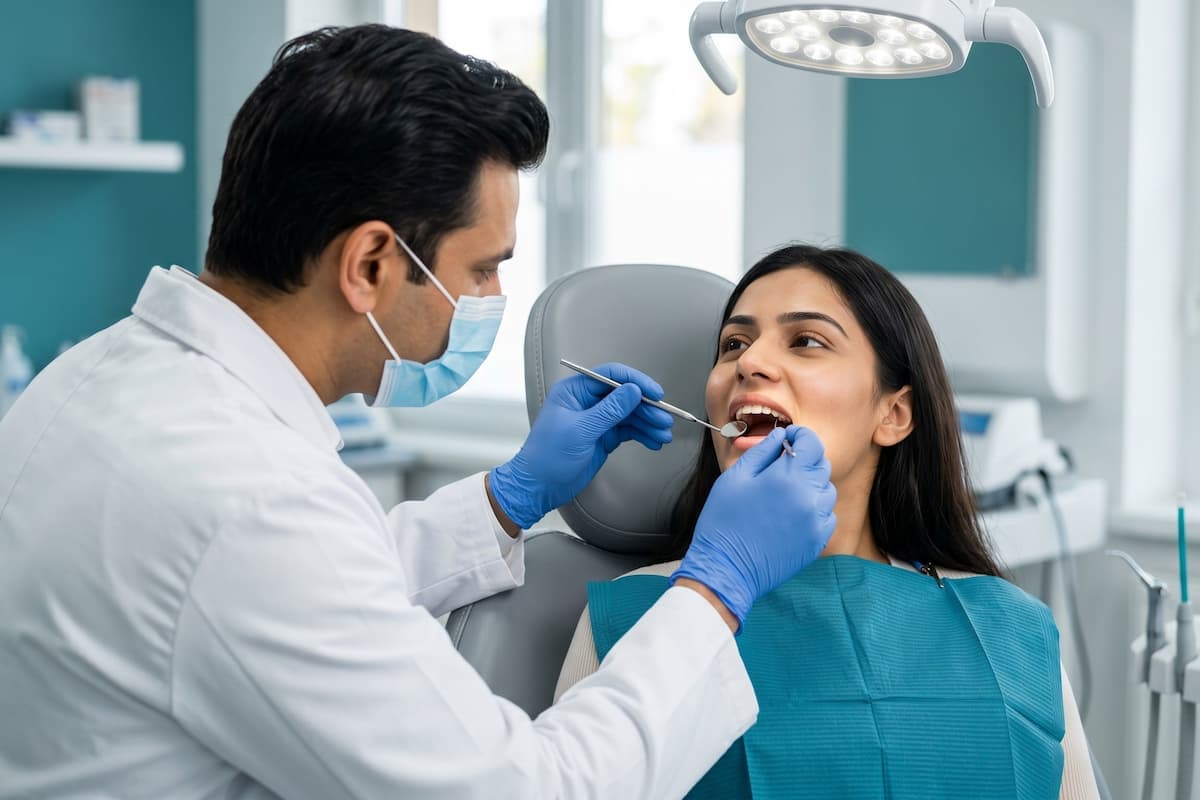
Teeth whitening is one of the most requested cosmetic treatments in the UK — and one of the most misunderstood. The single most important fact: in the UK, tooth whitening may only legally be carried out by a dentist (or a hygienist/therapist on a dentist's prescription), for patients aged 18 and over.
Why the law exists
Whitening gels work by releasing hydrogen peroxide, which safely breaks down stain molecules inside enamel when used at prescribed concentrations with custom-fitted trays. Used incorrectly — the beauty-salon and online-kit route — the same chemistry burns gums, damages enamel and can cause lasting sensitivity.
An examination first also matters: whitening over undiagnosed decay or gum disease is painful and masks problems that need treating.
What results to expect
With dentist-prescribed home whitening, most patients see a clearly noticeable improvement over two to three weeks of nightly wear. How far your shade changes depends on your starting point and the cause of discolouration — a responsible dentist will give you a realistic expectation, not a guaranteed number of shades. Individual results vary.
Whitening does not change the colour of crowns, veneers or fillings, which is why it belongs early in any smile plan.
Disclaimer
This article is for general educational information and does not replace a personal diagnosis or treatment plan. Dental advice should be based on a clinical examination with a GDC-registered professional. If you have pain, swelling, trauma, or signs of infection, seek urgent care promptly. Treatment options and outcomes vary according to individual clinical factors.
Written by Dr Andreia Phipps · reviewed by Dr Andreia Phipps, GDC 229601
This article is general information, not personal clinical advice. For a diagnosis and a plan tailored to you, book a consultation with a GDC-registered dentist.
Related treatments at our Wimpole Street practice