Porcelain Veneers: A Comprehensive Guide to Treatment, Suitability and Care
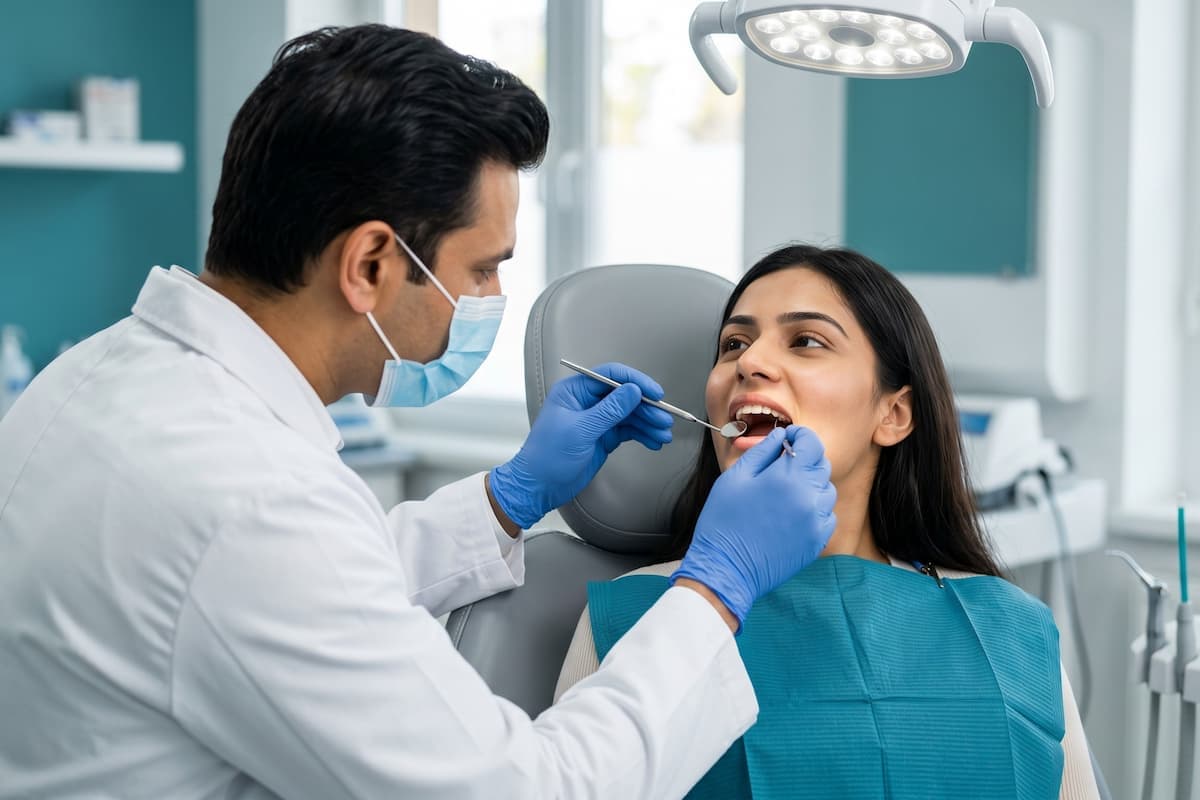
Porcelain veneers have become one of the most recognised options in cosmetic dentistry, sought by people looking to address concerns about the colour, shape, size or overall appearance of their teeth. If you have been researching dental veneers and want a clear, balanced picture of what to expect — including the benefits, the limitations, the procedure itself and what happens afterwards — this guide is designed to help you make a genuinely informed decision from a dentist wimpole street london perspective.
What Are Porcelain Veneers?
Porcelain veneers are thin, custom-made shells of dental ceramic bonded to the front surface of the teeth to improve their appearance. Each veneer is precisely crafted to match the natural contours of the tooth and the surrounding dentition. They are used to change the colour, shape, length or surface texture of one or more teeth, and are considered a form of porcelain veneer smile care rather than a medically necessary procedure.
What Concerns Can Veneers Help to Address?
Porcelain veneers are not a universal solution, but they can be considered for a range of aesthetic concerns, including:
• Teeth that are discoloured and do not respond sufficiently to professional whitening treatment
• Teeth that are chipped, worn or slightly misshapen
• Teeth with gaps or spacing the patient wishes to reduce
• Teeth that appear uneven in size or proportion
• Minor surface irregularities affecting the overall appearance of the smile
It is important to note that veneers address cosmetic concerns rather than underlying dental health conditions. Where tooth decay, gum disease or significant structural damage is present, these issues would generally need to be addressed before cosmetic treatment could be considered.
How Do Porcelain Veneers Work?
Porcelain veneers work by bonding a thin layer of dental ceramic — typically between 0.3 and 0.7 millimetres thick — to the prepared front surface of the tooth. The ceramic is matched to the desired shade and shape and is permanently attached using dental adhesive. The result is a covering that, when well-made and properly placed, closely resembles natural tooth enamel in terms of light reflection and translucency.
Because the veneer replaces only the outermost visible surface, the underlying tooth structure remains largely intact, though a small amount of enamel is typically removed during preparation to ensure a natural fit and appearance.
Who May Be Suitable for Porcelain Veneers?
Suitability for porcelain veneers can vary considerably from person to person, and a thorough clinical assessment is always necessary before treatment can be recommended. Generally speaking, veneers may be considered where:
• The teeth and gums are in good health, with no active decay or gum disease
• There is sufficient tooth enamel to support preparation and bonding
• The patient's bite does not place excessive stress on the veneer surfaces
• The individual has realistic expectations about the outcomes of cosmetic treatment
• Existing oral hygiene is good and can be maintained long-term
Veneers may not be appropriate for people who grind or clench their teeth heavily (a condition known as bruxism), as this can increase the risk of veneer fracture over time. Similarly, where teeth are severely misaligned, orthodontic treatment may be a more appropriate first step. Every case is different, and a dentist will assess your overall dental health before discussing whether veneers may be a suitable option for you.
The Porcelain Veneer Treatment Journey
Understanding what the treatment process typically involves can help to reduce uncertainty and support informed decision-making.
Initial Assessment and Planning
Before any preparation takes place, a dentist will carry out a comprehensive examination of your teeth, gums and bite. This is likely to include a discussion of your cosmetic concerns, your dental history, diagnostic records such as photographs and, where appropriate, digital scans or impressions. This stage is important for identifying any underlying dental issues that may need attention before treatment proceeds, and for establishing whether veneers are genuinely appropriate for your situation.
Tooth Preparation
To accommodate a porcelain veneer, a small and precise amount of enamel is removed from the front surface of the tooth. This is typically a very thin layer but is an irreversible step — once enamel has been removed, it cannot be replaced. This is an important consideration for anyone researching veneer treatment, and your dentist should explain it clearly during the consultation process.
Following preparation, impressions or digital scans of your teeth are taken and used to create custom veneers in a dental laboratory.
Temporary Veneers
In many cases, temporary veneers are placed to protect the prepared teeth while the permanent restorations are being crafted. This stage also gives patients an early indication of how the final result might look and feel.
Bonding the Veneers
Once the permanent veneers have been fabricated and approved, they are carefully bonded to the prepared teeth using dental adhesive. The dentist will check the fit, colour match and bite before the veneers are permanently secured.
Review and Aftercare
A follow-up appointment is usually recommended to assess how the veneers are settling and to check that the gums and bite remain comfortable. Ongoing dental examinations are an important part of maintaining veneers over the long term.
Potential Benefits
• Porcelain closely mimics the light-reflecting properties of natural tooth enamel
• Veneers can address several cosmetic concerns simultaneously
• The ceramic material is generally stain-resistant compared to natural enamel or composite resin
• With appropriate care, veneers can be a durable cosmetic solution
• Treatment can be highly customisable in terms of shape, size and shade
Limitations to Consider
• Tooth preparation involves the irreversible removal of enamel, meaning the tooth will always require some form of covering going forward
• Veneers can chip or fracture if subjected to excessive force or pressure
• They do not address underlying structural or health-related dental issues
• Not everyone is suitable for veneer treatment
• Veneers will eventually need to be replaced, requiring further enamel removal or assessment at that point
• Adjacent untreated teeth may continue to change in shade over time
Current UK clinical understanding supports a balanced approach to cosmetic dentistry — one that prioritises long-term oral health alongside aesthetic outcomes.
Are Porcelain Veneers Permanent?
This is one of the most important questions to consider. Porcelain veneers are not removable in the way that, for example, a retainer might be. Because tooth enamel is removed during preparation, this aspect of the process is permanent and irreversible. The veneers themselves, however, are not a permanent fixture in the sense that they do not last a lifetime without any risk of damage or the need for eventual replacement. They are best understood as a long-term but not permanent cosmetic restoration.
How Long Do Porcelain Veneers Last?
The longevity of porcelain veneers can vary significantly depending on a range of individual factors. These include:
• The quality of the original preparation and bonding
• The patient's oral hygiene routine
• The health of the underlying teeth and gums
• Whether the patient grinds or clenches their teeth
• Diet and lifestyle habits
• Bite and occlusal forces
• The regularity of dental examinations and professional maintenance
Research and clinical experience suggest that well-maintained porcelain veneers can last many years — commonly in the range of ten to fifteen years or beyond in suitable cases — but individual outcomes differ and no specific lifespan can be guaranteed. The General Dental Council emphasises the importance of patients receiving clear and honest information about the longevity of dental restorations before treatment proceeds.
Risks and Considerations
Porcelain veneer treatment, like all clinical procedures, carries certain risks that are worth understanding before committing to treatment:
• Sensitivity: Some patients experience temporary sensitivity following tooth preparation, particularly to temperature changes
• Fracture or chipping: Porcelain can fracture under excessive force, such as biting hard objects or grinding
• Debonding: In some cases, a veneer may become detached from the tooth surface
• Gum response: The margins of a veneer can affect the surrounding gum tissue if not well-fitted or maintained
• Colour mismatch over time: Natural adjacent teeth may change shade while the veneer remains the same
• Irreversibility: As noted, enamel removal cannot be undone
Discussing these risks openly with your dentist is an important part of the consent process.
How to Care for Porcelain Veneers
Good maintenance is essential for supporting the lifespan of your veneers and your overall oral health.
• Brush twice daily with a non-abrasive fluoride toothpaste
• Floss daily, taking care around the veneer margins
• Attend regular dental examinations and hygiene appointments
• Avoid biting directly on very hard foods such as ice, hard sweets or crusty bread with the veneered teeth
• If you grind your teeth at night, discuss the use of an occlusal guard with your dentist
• Avoid or limit foods and drinks that are highly acidic over time
• Report any sensitivity, movement or discomfort to your dentist promptly
Porcelain veneers do not require special cleaning products, but avoiding highly abrasive polishing pastes is generally advisable.
Porcelain Veneers vs Composite Veneers
When exploring cosmetic dental veneers, many patients encounter both porcelain and composite resin options. Understanding the differences can support better decision-making.
Composite veneers can be a suitable option for some patients, particularly where a more conservative or reversible approach is preferred. The most appropriate choice depends on your clinical circumstances, aesthetic goals and budget, and is best discussed with a qualified dentist offering composite veneer alternatives.
Cost Considerations
Porcelain veneers are generally provided within private dental care in the UK and are not available on the NHS, as they are considered a cosmetic treatment. The cost of porcelain veneers can vary according to a range of factors, including:
• The number of veneers required
• The complexity of the case and any preparatory treatment needed
• The materials and laboratory used
• The experience and location of the dental practice
• Any associated assessments or diagnostic records required
Because costs vary widely across the UK and between individual practices, it is important to obtain a written treatment plan and cost estimate from your own dentist before proceeding. A reputable practice should provide transparent pricing and allow you adequate time to consider your options.
Alternatives to Porcelain Veneers
Porcelain veneers are not the only way to address cosmetic dental concerns, and in some cases, alternative approaches may be more appropriate:
• Composite veneers — a less invasive, more affordable but potentially less durable alternative
• Teeth whitening — where discolouration is the primary concern and the teeth are otherwise healthy
• Composite bonding — suitable for minor chips, gaps and irregularities with minimal tooth preparation, including edge-shape correction options
• Orthodontic treatment — where alignment or spacing is the underlying issue
• Dental crowns — where a tooth requires more extensive restoration beyond cosmetic improvement
Discussing all available options during a consultation can help you identify the most suitable treatment pathway for your individual circumstances.
When to Seek Professional Advice
If you are considering porcelain veneers, the most important first step is to arrange a comprehensive dental examination with a qualified dentist registered with the General Dental Council. A thorough assessment of your dental health, bite, gum condition and cosmetic expectations is essential before any treatment planning can take place.
If you have any concerns about the appearance of your teeth, it is always appropriate to raise these at your next dental appointment, even if you are not yet sure whether veneers are the right option for you. Your dentist can help you understand what is achievable and which approaches may be most suitable for your individual circumstances.
Frequently Asked Questions
1. Will I need to have enamel removed before getting porcelain veneers?
In most cases, yes. A small but precise amount of tooth enamel is removed to allow the veneer to sit flush with the surrounding teeth and appear natural. This preparation is generally irreversible, which is why understanding the process fully before committing to treatment is important.
2. Can porcelain veneers be replaced if they become damaged?
If a porcelain veneer chips, fractures or becomes detached, it may be possible to replace it, though the options available will depend on the extent of the damage and the condition of the underlying tooth. Unlike composite veneers, porcelain cannot easily be repaired in the same appointment — replacement typically involves a new laboratory-fabricated veneer.
3. Will veneers look natural?
When well-designed and properly placed, porcelain veneers can closely resemble natural teeth in terms of colour, shape and light reflection. However, achieving a natural result depends on careful treatment planning, an experienced clinical team and open communication about your aesthetic goals. Outcomes can vary between individuals.
4. Can I have veneers if I grind my teeth?
Bruxism (tooth grinding or clenching) can significantly increase the risk of veneer fracture over time. In some cases, it may be possible to manage this with a custom-made occlusal splint, but heavy grinding may make veneers less suitable depending on the severity. This is something a dentist would assess carefully before recommending treatment.
5. How much do porcelain veneers cost in the UK?
The cost of porcelain veneers varies widely and depends on the number of veneers, the complexity of your case, the practice location and the materials involved. Porcelain veneers are a private treatment and are not available through the NHS. Your dental practice should provide a clear, written cost estimate as part of your treatment plan.
6. Do porcelain veneers stain?
The ceramic material used in porcelain veneers is generally more resistant to staining than natural tooth enamel or composite resin. However, the margins where the veneer meets the natural tooth can be more susceptible to staining over time, particularly with regular consumption of tea, coffee, red wine or tobacco.
7. How soon after getting veneers can I eat normally?
Most patients are able to eat normally within a short period after the bonding appointment, though your dentist may advise avoiding very hard or sticky foods initially while you adjust. Longer-term, it is advisable to take care with particularly hard foods to reduce the risk of chipping.
8. Is there an age consideration for veneer treatment?
Veneers are generally considered more appropriate for adults whose teeth have fully developed. In younger patients, ongoing dental development and enamel considerations may affect suitability. A dentist would assess this as part of the overall clinical evaluation.
9. What happens to my teeth if the veneers need to be removed in the future?
Because enamel is removed during preparation, the underlying tooth will not return to its original state if the veneer is removed. The tooth will typically require some form of covering — whether a replacement veneer or another restoration — as the prepared surface will not be the same as the original unprepared tooth.
10. Do I still need regular dental check-ups with veneers?
Yes. Regular dental examinations remain essential even after veneer treatment. Routine check-ups allow your dentist to monitor the condition of the veneers, assess the health of the surrounding teeth and gums, and address any issues early. Veneers do not replace the need for ongoing preventive dental care.
Dental Disclaimer
This article is for general information only and does not replace personalised dental advice, diagnosis, or treatment planning. Suitability for veneers and alternative options must be confirmed by an in-person assessment with a GDC-registered dentist. Outcomes and longevity vary by individual, so please seek tailored clinical advice before deciding on treatment.
Written Date: 23 September 2026 · Next Review Date: 23 September 2027
Written by Wimpole Dental Editorial Team · reviewed by Wimpole Dental Clinical Team
This article is general information, not personal clinical advice. For a diagnosis and a plan tailored to you, book a consultation with a GDC-registered dentist.
Related treatments at our Wimpole Street practice