What Is A True Dental Emergency Vs Urgent Care?
Introduction
When you develop sudden tooth pain, experience an injury to your mouth, or notice unexpected swelling, it can be difficult to know how seriously to treat the situation. Many people search online to understand whether their symptoms require immediate attention or whether they can wait for a routine appointment. Knowing the difference between a true dental emergency and an urgent — but non-life-threatening — dental care situation is genuinely helpful, both for your peace of mind and for your oral health.
Understanding what constitutes a dental emergency helps you make informed decisions, avoid unnecessary anxiety, and ensures you seek the right level of care at the right time. In some situations, acting quickly can mean the difference between saving or losing a tooth. In others, a carefully arranged urgent appointment within a day or two may be entirely appropriate.
This article explains the key differences between dental emergencies and urgent dental care, what symptoms to look out for, and when it is sensible to seek professional dental advice.
What Is A Dental Emergency? (Featured Snippet Answer)
What is a true dental emergency versus urgent dental care?
A true dental emergency involves a situation that poses an immediate risk to health — such as severe dental infection with swelling affecting the airway, uncontrolled bleeding, or a knocked-out tooth. Urgent dental care addresses significant pain or damage that needs attention within 24–48 hours but does not represent an immediate medical threat.
Understanding The Difference: Dental Emergency Vs Urgent Care
One of the most common sources of confusion for patients is understanding where the boundary lies between a dental emergency and dental urgent care. The terms are often used interchangeably, but clinically they describe different levels of urgency.
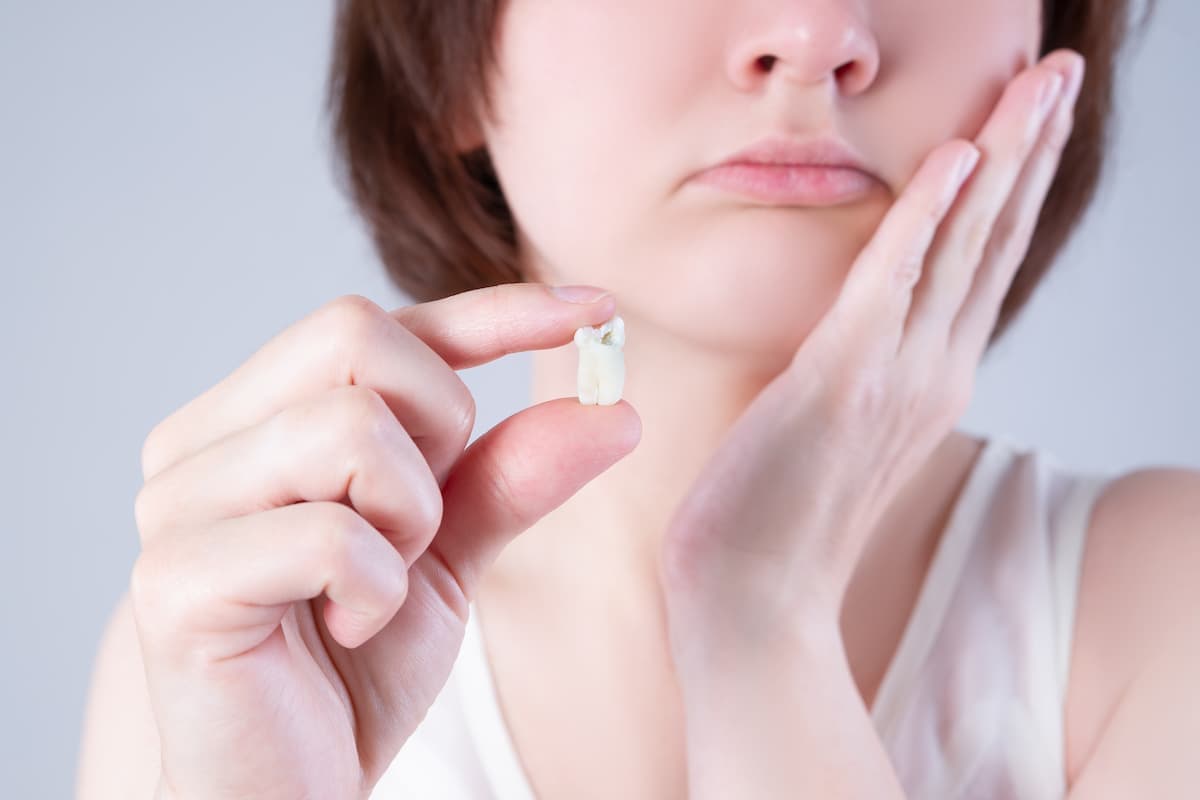
A true dental emergency is any situation that poses an immediate risk to your overall health, involves uncontrolled bleeding, or where delay could result in lasting harm. Examples include a dental abscess that is causing significant facial swelling, particularly swelling that affects swallowing or breathing, or a tooth that has been completely knocked out (avulsed), where time is critical to any prospect of reimplantation.
Urgent dental care, on the other hand, refers to situations that are painful, distressing, or involve damage to your teeth or gums — but do not carry an immediate risk to your general health. A broken tooth with a sharp edge, a lost crown or filling causing sensitivity, or moderate toothache that has not responded to over-the-counter pain relief would typically fall into this category. These situations warrant prompt attention but do not usually require an emergency visit to hospital.
Understanding this distinction can help you choose the most appropriate course of action and reduce unnecessary worry.
Signs That May Indicate A True Dental Emergency
There are certain dental symptoms that may warrant immediate professional attention, and in some cases, a visit to your nearest accident and emergency department if your dental practice cannot be reached.
The following situations are generally regarded as true dental emergencies:
• A knocked-out (avulsed) adult tooth — Time is critical here. If a permanent tooth has been knocked out, it is generally recommended to try to keep it moist (in milk or held gently in the cheek) and seek dental attention as quickly as possible. The prospect of reimplantation reduces significantly with delay.
• Dental abscess with facial swelling — An untreated dental abscess can cause infection to spread to surrounding tissues. If you notice significant swelling of the face, jaw, or neck, difficulty swallowing, or a high temperature, you should seek immediate medical attention.
• Uncontrolled bleeding from the mouth — Bleeding that does not slow or stop following dental trauma may require urgent assessment.
• Severe facial trauma — Any significant injury to the jaw, face, or mouth that may involve broken bones or serious soft tissue injury requires urgent medical and dental attention.
If you experience any of these symptoms, contact your dental practice immediately. If they are unavailable, NHS 111 can provide guidance, and A&E should be attended if there is a risk to airways or you cannot reach dental care.
Situations That Are Urgent But Not Immediately Life-Threatening
Many dental problems that feel acutely distressing are categorised as urgent rather than emergency situations. This does not diminish the discomfort you may be experiencing — it simply means that arranging an appointment within 24 to 48 hours is generally appropriate, rather than attending A&E.
Common urgent dental situations include:
• Moderate toothache — Persistent tooth pain that has not resolved with over-the-counter pain relief, particularly if it is affecting your sleep or eating.
• A cracked or broken tooth — A fracture that causes pain or has left a sharp edge, but where the tooth remains in place and there is no uncontrolled bleeding.
• A lost crown, bridge, or filling — Exposed dentine can cause sensitivity and discomfort and should be assessed by a dentist, but this rarely constitutes a medical emergency.
• A loose or partially dislodged tooth — A tooth that has been displaced following trauma but has not been completely knocked out should be seen promptly, but usually allows a short window for an urgent dental appointment.
• Swelling without systemic symptoms — Mild localised gum swelling may indicate infection that requires assessment, but without fever or spreading swelling it is typically urgent rather than emergency.
For many of these situations, emergency dental appointments at Wimpole Dental are available to help patients receive appropriate care without delay.
The Clinical Science Behind Dental Infections And Why They Can Escalate
Understanding why dental infections can become serious helps explain why prompt attention matters, even when symptoms initially feel manageable.
A dental abscess forms when bacteria enter the tooth's inner pulp — often through a cavity, crack, or gum disease — and cause infection. The pulp contains nerves and blood vessels, and once infected, the body's immune response triggers inflammation and the accumulation of pus within the surrounding tissue.
In most cases, this remains a localised infection. However, if left untreated, dental infections can spread along tissue planes into the jaw, neck, and in rare cases, deeper structures of the body. The submandibular space (beneath the jaw) and surrounding areas can become involved in a condition known as Ludwig's angina, which is considered a medical emergency due to the risk of airway compromise.
This is why a dental abscess should never simply be managed with pain relief alone. Antibiotics may be prescribed to help manage the infection, but definitive dental treatment — which may involve root canal treatment, drainage, or extraction — is generally required to address the underlying cause. Antibiotic treatment alone does not resolve the source of the infection.
Recognising early signs of spreading infection, such as increasing facial swelling, fever, or difficulty opening the mouth, is important so that appropriate care can be sought promptly.
When Professional Dental Assessment May Be Appropriate
There are several situations where it is sensible to seek professional dental assessment, even if your symptoms do not feel immediately severe. Dental problems rarely resolve on their own, and early assessment can often prevent minor issues from becoming more significant.
Consider contacting a dentist if you experience:
• Tooth pain lasting more than 24–48 hours — Persistent pain, even if moderate, may indicate underlying decay, infection, or structural damage that warrants investigation.
• Swelling of the gums, face, or jaw — Any noticeable swelling around the mouth or face should be assessed, as it may indicate infection.
• Increased sensitivity — Sensitivity to hot, cold, or sweet foods that is new, persistent, or worsening can be a sign of enamel damage, exposed dentine, or pulp involvement.
• Visible damage to a tooth — Chips, cracks, or broken teeth, even if painless, can affect the structural integrity of the tooth and expose inner layers to bacteria.
• A tooth that feels loose — In adults, tooth mobility is not normal and should always be assessed professionally.
• Bleeding gums that persist — Occasional minor bleeding may relate to brushing technique or gum irritation, but persistent bleeding may indicate gum disease that warrants professional evaluation.
If you are ever uncertain about the severity of a dental symptom, it is always sensible to contact a dental practice for guidance. Most practices can help you assess whether you need an urgent appointment or whether your concern can wait for routine scheduling. You can find out more about dental pain and what it might mean to help you understand your symptoms better.
Prevention And Maintaining Good Oral Health
Whilst dental emergencies and urgent situations cannot always be predicted, there are a number of practical steps you can take to reduce your risk of developing serious dental problems.
Attend regular dental check-ups. Routine dental examinations allow your dentist to identify early signs of decay, gum disease, or structural issues before they progress to a point where emergency treatment may be needed. The frequency of your check-ups will depend on your individual oral health needs.
Maintain consistent oral hygiene at home. Brushing twice daily with a fluoride toothpaste and cleaning between your teeth with floss or interdental brushes helps to reduce the bacterial build-up that contributes to decay and gum disease.
Wear a mouthguard during contact sport. Many dental injuries, including knocked-out teeth and fractured enamel, occur during sport. A custom-fitted mouthguard provides effective protection for athletes.
Address dental anxiety. Many patients delay treatment due to anxiety about dental visits, which can allow conditions to worsen. Speaking openly with your dental team about any concerns can help make appointments feel more manageable.
Avoid using teeth as tools. Opening packaging, biting fingernails, or chewing on pens can place unnecessary stress on teeth and increase the risk of fractures.
Manage teeth grinding (bruxism). If you grind or clench your teeth — particularly at night — speak to your dentist. A night guard can help protect your teeth from the cumulative damage that bruxism can cause. More information about teeth grinding and its effects on dental health may be helpful if this is a concern for you.
Key Points To Remember
• A true dental emergency involves an immediate risk to general health — such as spreading infection with facial swelling, uncontrolled bleeding, or a completely knocked-out adult tooth.
• Urgent dental care covers painful or distressing situations — such as broken teeth, lost restorations, or moderate toothache — that need prompt attention but are not immediately life-threatening.
• Dental infections can escalate if left untreated; early assessment and appropriate treatment are important.
• If you are unsure about the severity of your symptoms, contacting a dental practice for guidance is always a sensible first step.
• Regular check-ups, good oral hygiene, and appropriate protective measures (such as mouthguards) can help reduce the risk of dental problems developing into emergencies.
• Never attend A&E for routine dental pain — reserve this for genuine medical emergencies such as significant facial swelling affecting breathing or uncontrolled bleeding.
Frequently Asked Questions
1. Can I go to A&E with a toothache?
Accident and emergency departments are not generally equipped to provide dental treatment, and attending A&E for toothache alone is not recommended unless there are accompanying symptoms that suggest a more serious condition — such as significant facial swelling, difficulty breathing or swallowing, or a high fever. For dental pain, contacting your dental practice or calling NHS 111 for advice is usually the most appropriate first step. They can help direct you to the right level of care.
2. What should I do if a tooth gets knocked out?
If an adult tooth is completely knocked out, time is important. Handle the tooth by the crown (the visible white part), not the root. If it is dirty, rinse it gently with milk or clean water — do not scrub it. Try to place it back into the socket if possible, or keep it in milk or tucked inside your cheek to keep it moist. Contact a dentist immediately. The sooner the tooth is seen by a dentist, the better the prospect of any treatment options being available. Note that this advice applies to adult (permanent) teeth, not baby teeth.
3. How do I know if a toothache is an emergency?
A toothache alone, whilst painful and distressing, is not usually a dental emergency. However, if the pain is accompanied by significant facial or gum swelling, a high temperature, difficulty swallowing, or if the pain is severe and unrelenting, these symptoms may indicate a spreading infection that warrants more urgent attention. Contacting your dental practice for advice is always sensible if you are unsure. They can help assess whether you need an urgent same-day appointment or whether your symptoms can be managed initially with over-the-counter pain relief while you wait for an appointment.
4. Is a lost filling or crown a dental emergency?
A lost filling or crown is generally considered an urgent situation rather than a dental emergency. Whilst it can cause sensitivity, discomfort, or leave the tooth feeling sharp, it rarely poses an immediate health risk. You should contact your dental practice to arrange a prompt appointment. In the meantime, over-the-counter temporary filling materials (available from pharmacies) can be used to protect the tooth, and avoiding very hot, cold, or hard foods on that side of the mouth can help manage discomfort.
5. Can a dental abscess go away on its own?
A dental abscess will not resolve without treatment. Whilst symptoms may temporarily ease — particularly if the abscess bursts and releases pressure — the underlying infection remains and will typically worsen without professional dental intervention. Antibiotics may help to manage the infection temporarily, but they do not address the source of the problem. Definitive dental treatment is required to resolve a dental abscess properly. If you suspect you have a dental abscess, it is important to contact a dental practice promptly for assessment and appropriate management.
6. What is the difference between a dentist and a dental hospital?
A general dental practice — such as a private dental clinic — provides the vast majority of dental care, including routine treatment, urgent appointments, and many specialist services. Dental hospitals are typically associated with universities or NHS teaching environments and may offer specialist services or manage more complex clinical cases. In a dental emergency that also constitutes a medical emergency, such as a spreading infection affecting the airway, a general hospital A&E department should be attended rather than either of the above. For most dental concerns, your first point of contact should be your own dental practice.
Conclusion
Understanding the difference between a true dental emergency and an urgent dental care situation can help you respond appropriately when dental problems arise. A true dental emergency — such as a spreading infection with facial swelling, an avulsed adult tooth, or uncontrolled bleeding — may require immediate professional attention, and in some cases attendance at a hospital emergency department. Urgent dental care situations, whilst painful and distressing, generally allow a short window for a prompt dental appointment to be arranged.
If you are ever unsure whether your dental symptoms require immediate attention, contact your dental practice or NHS 111 for guidance. Early professional assessment can help prevent many dental problems from escalating into more serious concerns.
Dental symptoms and treatment options should always be assessed individually during a clinical examination.
Disclaimer
This article has been produced for educational and informational purposes only. The content is intended to provide general dental health information for adult readers and does not constitute professional dental advice, diagnosis, or treatment recommendations. Every individual's oral health circumstances are different, and the information provided here cannot account for personal medical history, clinical presentation, or individual treatment needs.
If you are experiencing dental pain, swelling, trauma, or any other oral health concern, you should contact a qualified dental professional for an assessment. Do not rely on this article as a substitute for professional clinical examination and advice. Treatment suitability and clinical decisions can only be made following an appropriate dental consultation.
This content has been produced in accordance with General Dental Council (GDC) communication standards, Care Quality Commission (CQC) patient safety principles, ASA CAP Code healthcare advertising rules, and GMC ethical communication guidance. No guaranteed outcomes, exaggerated treatment claims, or diagnostic statements have been made.
Written Date: 7th August 2026 Next Review Date: 7th August 2027
Written by Wimpole Dental Editorial Team · reviewed by Wimpole Dental Clinical Team
This article is general information, not personal clinical advice. For a diagnosis and a plan tailored to you, book a consultation with a GDC-registered dentist.
Related treatments at our Wimpole Street practice