Jaw ache and clicking deserve answers, not endurance
TMJ / Jaw Pain Treatment Wimpole Street, London
Diagnosis and treatment of jaw joint disorders — clicking, locking, pain and tension headaches — starting non-surgically.
£795 (Michigan splint)Flexible payment options — ask at your consultation
- 2–3 visits
- £30 consultation
- Written, itemised quote
Why choose us
Why choose tmj / jaw pain treatment?
Delivered to a consistently high standard by a named, GDC-registered clinician at our CQC-regulated practice on Wimpole Street, London.
Full bite analysis
Custom Michigan splint
Non-surgical first
About the treatment
TMJ / Jaw Pain Treatment at our Wimpole Street practice
Clinically reviewed by Dr Yasha Y Shirazi, Dentist, GDC 195843 · Last reviewed July 2026
The temporomandibular joints (TMJ) are the hinges just in front of your ears that let the jaw open, close and slide. Temporomandibular disorders (TMD) describe a group of problems affecting these joints and the muscles that move them — producing jaw pain, clicking or popping, restricted opening and tension-type headaches. TMJ treatment in London at our Wimpole Street practice starts non-surgically, in line with current clinical guidance, because that is where the evidence points for most patients.
Symptoms that may suggest a TMD include aching around the jaw or temples, clicking or grating on opening, a jaw that occasionally catches or locks, discomfort when chewing, morning jaw stiffness and headaches concentrated around the temples. These symptoms overlap with other conditions — ear problems, sinus issues and some headache disorders — so a careful examination matters before anything is treated.
TMD is usually multifactorial. Contributing factors can include night-time grinding and clenching (bruxism), stress and muscle tension, joint disc displacement, changes to the bite, habits such as nail biting or gum chewing, and general pain sensitivity. Because several factors often act together, effective care addresses the pattern rather than chasing a single cause — and symptoms can often be improved, though responses vary from person to person.
Assessment at our Marylebone practice involves listening carefully to your history, palpating the joints and muscles, measuring your range of jaw movement, listening for joint sounds and carrying out a full bite analysis. We examine your teeth for the tell-tale wear patterns of grinding, and take imaging only where the findings justify it. Suitability for treatment is confirmed at this in-person consultation with a GDC-registered dentist.
For most patients, first-line care is conservative: understanding the condition, resting the joint with a softer diet during flare-ups, jaw exercises, warmth, stress management and simple analgesia where appropriate. These measures alone settle a good proportion of cases, and they cost little. We would rather give you an honest self-care plan than sell you an appliance you may not need.
Where symptoms persist, splint therapy is the mainstay. A Michigan splint is a precisely made, hard acrylic appliance worn over the upper teeth at night. It provides an ideal, even biting surface that discourages the muscles from clenching at full force and shields the teeth and joints from grinding loads. Treatment takes two to three visits: records and impressions or a digital scan, fitting and fine adjustment, then review.
A Michigan splint at our practice costs £795, confirmed in a written, itemised quote before treatment. That figure covers the records, laboratory construction, fitting, adjustment and initial reviews. Cost drivers across TMJ care more broadly include the number of review and adjustment visits needed and whether additional treatment — such as physiotherapy referral — forms part of your plan.
Alternatives and adjuncts are discussed openly. Some patients benefit from referral to a physiotherapist experienced in jaw disorders; others from addressing stress and sleep. Where muscle overactivity dominates, a referral for botulinum toxin treatment of the jaw muscles can be considered with an appropriately trained prescriber. Irreversible options — adjusting the bite or extensive restorative work — are not first-line treatments, and we always exhaust conservative options before considering anything irreversible.
It is important to set expectations honestly. TMD symptoms tend to fluctuate, and while many patients improve substantially with splint therapy and self-care, some experience only partial relief and a small number need specialist referral to an oral medicine or maxillofacial team. Splints require consistent night-time wear to work, occasional adjustment, and they manage the condition rather than curing it. Individual results vary.
Aftercare involves wearing the splint as advised, bringing it to your routine check-ups so we can monitor its fit and wear, and continuing the exercises and habits that helped. Many patients notice improvement within weeks of consistent wear, with continued gains over two to three months — and if progress stalls, we reassess rather than persist blindly.
Self-care during a flare-up deserves more detail, because done well it often shortens the episode. Practical measures include switching to softer foods and cutting food into smaller pieces for a week or two, avoiding wide yawning and prolonged chewing (gum is a common culprit), applying warmth to the sides of the face, and consciously keeping the teeth apart at rest — lips together, teeth apart is the resting position we coach. Gentle stretching exercises, demonstrated at your visit, help maintain range of movement. Many patients find that recognising the early signs of a flare and starting these measures promptly makes each episode shorter and less intense than the last.
Stress and sleep are worth taking seriously as part of the picture. Clenching frequently tracks periods of pressure at work or disturbed sleep, and patients often notice their symptoms wax and wane with life events. We are not counsellors, and we say so — but flagging the connection matters, because splint therapy protects the teeth and joints while the underlying drivers persist. Where stress appears to be a major contributor, we may suggest speaking to your GP about broader support alongside the dental management.
Left entirely unmanaged, TMD does not follow a single predictable course. Many people’s symptoms fluctuate and eventually settle; in some, persistent heavy grinding gradually wears or cracks teeth, and long-standing muscle overactivity can keep headaches and jaw fatigue in circulation. The purpose of assessment is not to alarm but to establish which pattern you are in — a fluctuating, self-limiting one that needs only advice, or a persistent one where a splint and structured review will genuinely help. Either answer is useful.
Attending from across London is easy: the practice sits on Wimpole Street in Marylebone, a few minutes’ walk from Bond Street, Oxford Circus and Regent’s Park underground stations. Splint therapy involves a small number of short visits — records, fit and review — so most patients slot them around work without difficulty, and follow-up adjustments are quick appointments.
Patients come to our central London practice, near Harley Street, for jaw pain because TMD rewards methodical, conservative care over quick fixes. At our Wimpole Street practice you will get a thorough diagnosis, an honest conversation about what is likely to help, and treatment that starts with the least invasive effective option — with clear written costs at every step.
TMJ / Jaw Pain Treatment cost in London
- Treatment fee
- £795 (Michigan splint)
- Consultation
- £30
- Typical duration
- 2–3 visits
- Payment
- Flexible options — ask at your consultation
Full fees for every treatment are published in our fee guide.
Explore more advanced dentistry, compare costs in our pricing guide or browse real patient results in the smile gallery.
What to expect at our Wimpole Street practice
- Care from a named, GDC-registered clinician at a CQC-regulated practice.
- A written, itemised plan and fixed quote before anything begins.
- Time to ask questions, understand your options and give informed consent — no pressure to proceed.
- Clear aftercare and structured review where clinically needed, with support if you have concerns.
Suitability is always confirmed at an in-person consultation with a GDC-registered dentist. Treatment outcomes depend on individual clinical factors — individual results may vary and no result can be guaranteed. A written, itemised quote is provided before any treatment begins.
TMJ / Jaw Pain Treatment at a glance
- Price from
- £795 (Michigan splint)
- Typical time
- 2–3 visits
- New patients
- £30 consultation
- Payment
- Flexible options — ask at consultation
- CQC-regulated practice
- GDC-registered clinicians
- Written, itemised plan
Your journey
TMJ / Jaw Pain Treatment treatment steps
Assessment
Your journey begins with a £30 consultation: a full examination with a GDC-registered dentist, X-rays where clinically needed, and time to talk through what you'd like to achieve and answer any questions you might have.
Your written plan
You'll receive a personalised, itemised treatment plan outlining the process and costs — every option explained in plain English with an exact price against each item, and never any pressure to proceed.
Treatment
TMJ / Jaw Pain Treatment is carried out by a named, GDC-registered clinician at our CQC-regulated practice on Wimpole Street, London — with evening and weekend appointments to fit around work.
Aftercare & review
Clear written aftercare, review appointments where clinically needed, and structured recall to protect your result — and your oral health — for the long term.
Real results
Real results from our smile gallery
Genuine patients of the practice, treated by named clinicians and published with consent. Drag the slider to compare — individual results vary and no outcome can be guaranteed.
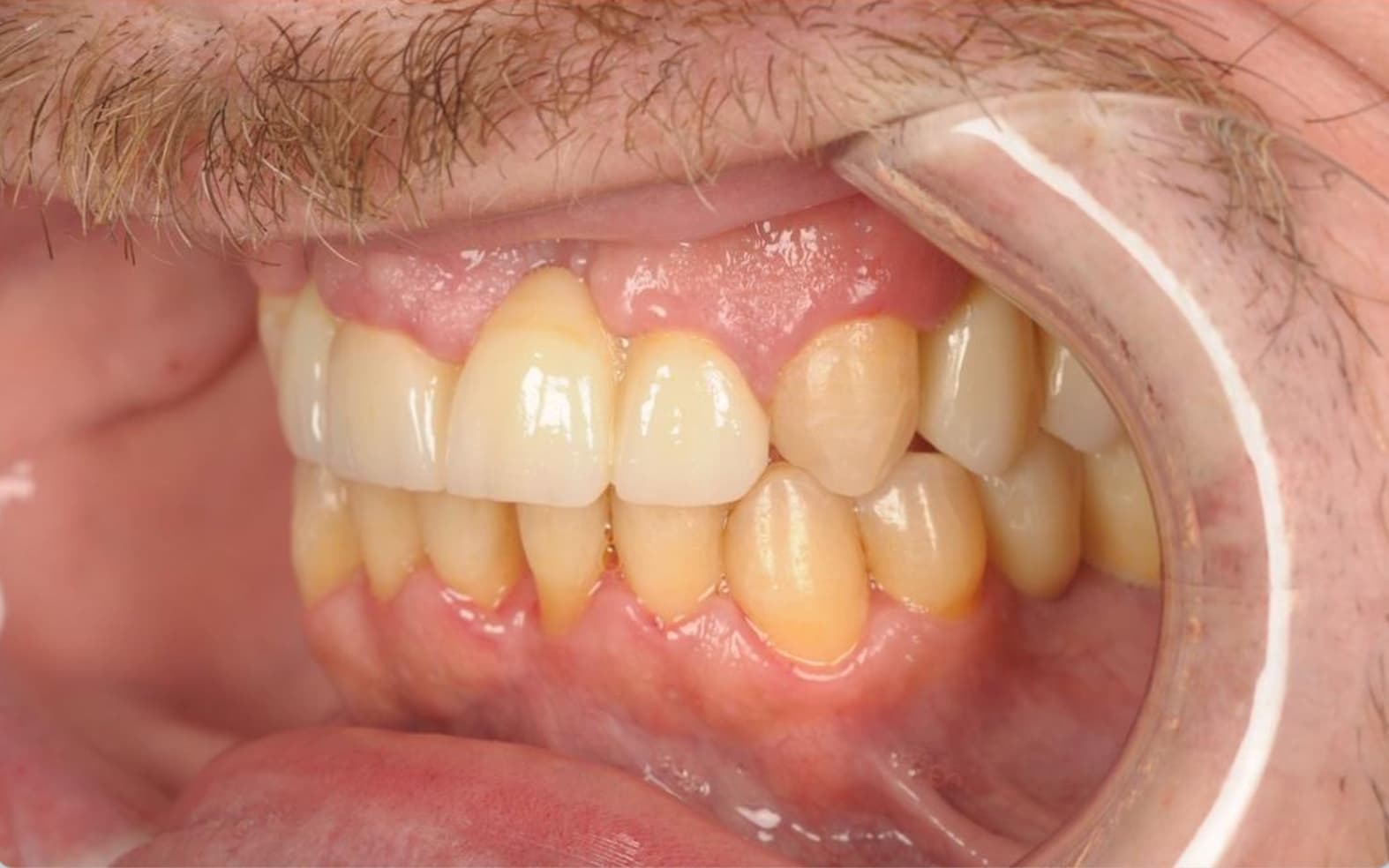
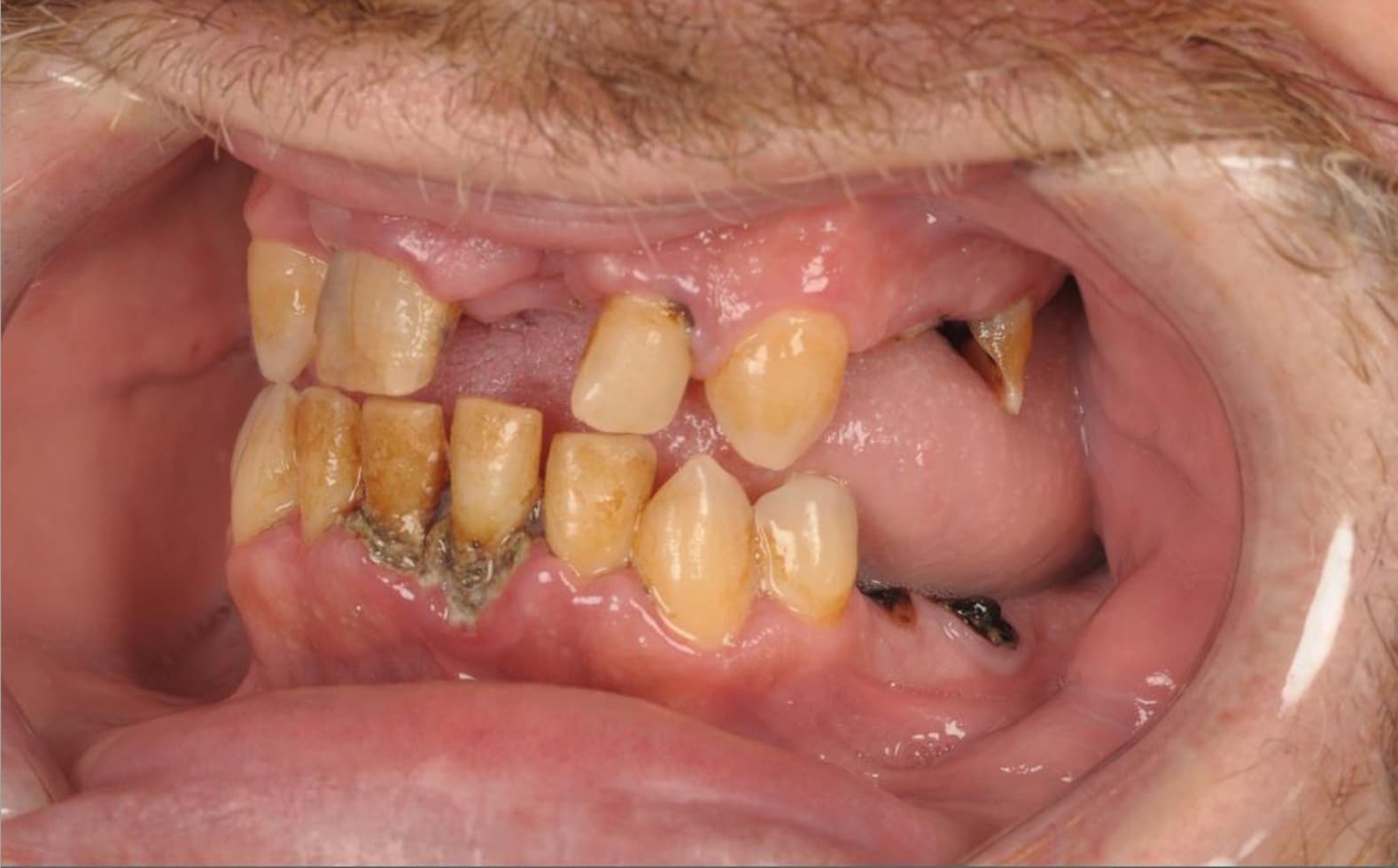
Full Mouth Reconstruction
Full mouth rehabilitation — improved bite and profile
Side view showing the restored bite relationship and facial profile after staged reconstruction.
Treated by Dr Kamran Yazdi
Watch & learn
Explained by our clinicians
Short, plain-English explainers from our clinicians on tmj / jaw pain treatment and closely related treatments.
Tooth Grinding Treatment
Your clinicians
Meet your dentists
Every clinician at our Wimpole Street practice is GDC-registered — numbers published and verifiable on the public register.
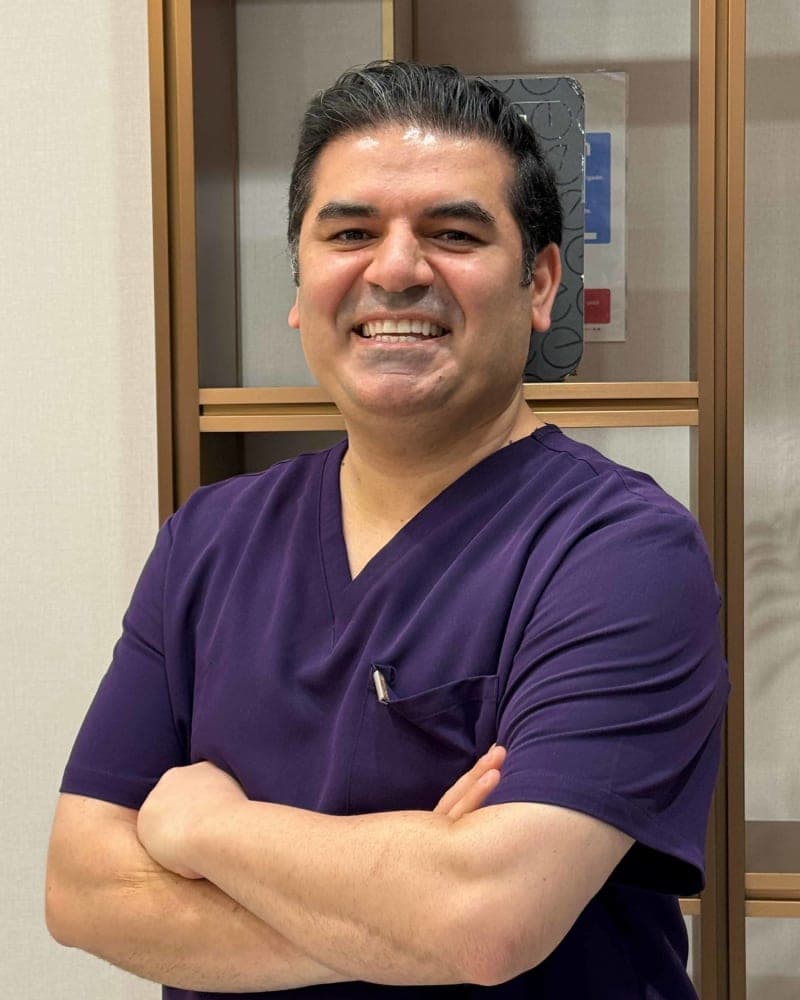
Dr Yasha Y Shirazi
Dentist
GDC No. 195843

Dr Kamran Yazdi
Principal Dentist
GDC No. 197926
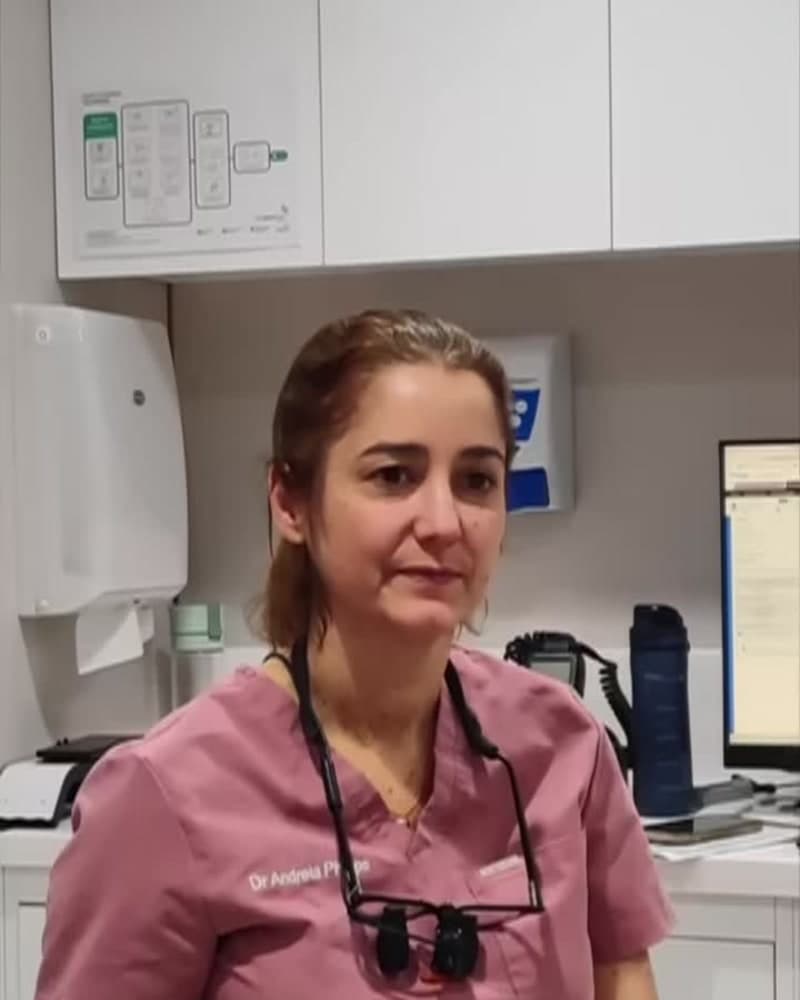
Dr Andreia Phipps
Dentist
GDC No. 229601
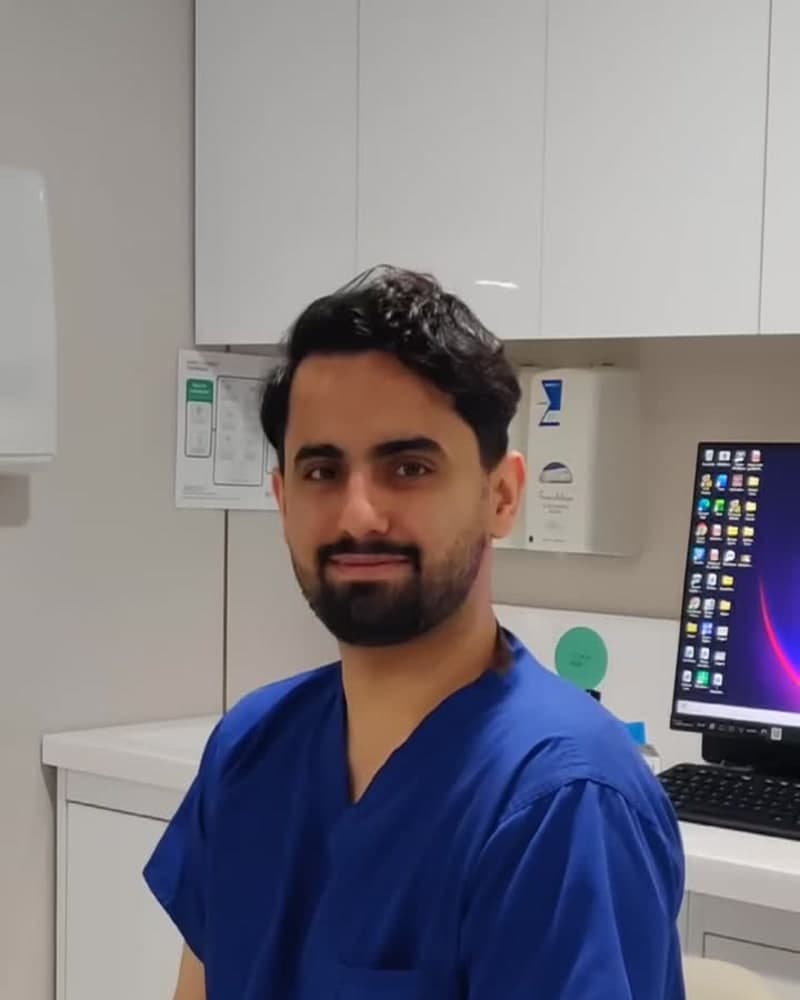
Dr Reza Davari
Dentist
GDC No. 302422
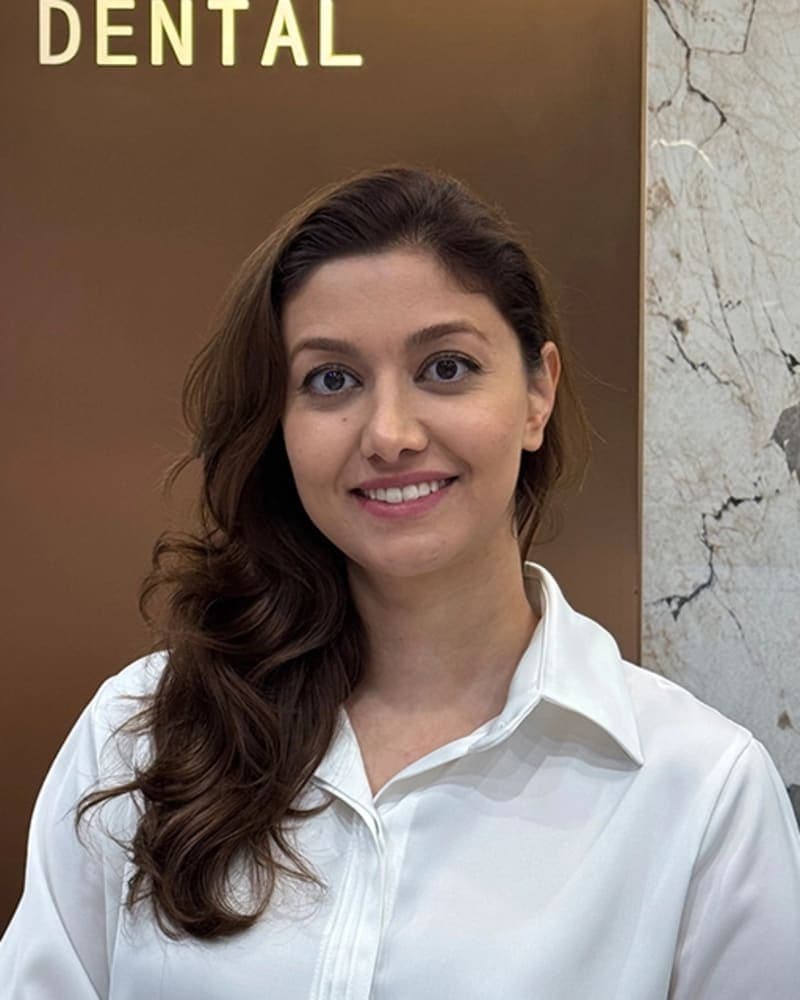
Dr Narges Ameri
Dentist
GDC No. 325081

Dr Ayman Mukhtar
Dentist
GDC No. 302583

Dr Elisabeth Lichtmannegger
Dentist
GDC No. 319325

Dr Niknaz Rostam Yazdi
Dentist
GDC No. 328954

Dr Sam Parsno
Implant Dentist
GDC No. 72207

Jack Button
Dental Hygienist & Therapist
GDC No. 244367
Questions & Answers
Frequently asked questions
Honest answers about tmj / jaw pain treatment, costs and what to expect. Everything is explained again in person at your consultation with a GDC-registered dentist.
It provides an ideal, even biting surface at night, relaxing the jaw muscles and protecting your teeth from grinding forces.
Many patients notice improvement within weeks of consistent night wear, with continued gains over 2–3 months.
TMD symptoms can often be improved substantially, but responses vary and the condition tends to fluctuate. Treatment aims to manage symptoms and protect the joint and teeth rather than promise a permanent cure.
Painless clicking is common and often needs no treatment beyond monitoring. Clicking with pain, locking or restricted opening is worth assessing properly.
Many patients wear it nightly during active symptoms, then reduce to as-needed wear once things settle. Because grinding tends to be long-term, some choose to continue wearing it to protect their teeth. We review this together.
Tension-type headaches around the temples can be linked to jaw muscle overactivity, but headaches have many causes. Our assessment considers the jaw contribution and we will advise if your GP should also be involved.
No — irreversible bite adjustment is not a first-line TMD treatment. In line with current guidance, we exhaust conservative, reversible options such as splint therapy and self-care first.
A Michigan splint at our Wimpole Street practice is £795 including records, fitting and reviews, confirmed in a written, itemised quote. Simple self-care advice is part of your consultation.
A night guard primarily shields the teeth from grinding wear. A Michigan splint is a more comprehensively adjusted appliance: its biting surface is refined at the chair so the jaw closes evenly and slides smoothly, which is aimed at calming muscle and joint symptoms as well as protecting teeth. Your assessment determines which is the better fit for your pattern of symptoms.
A single brief episode of catching or locking is not unusual in TMD and often relates to the position of the joint disc. It is worth mentioning at assessment so we can examine your range of movement, but it rarely signals anything urgent. Repeated or prolonged locking is a stronger reason to be seen promptly.
During a flare-up, yes — resting the joint with softer foods and avoiding gum, prolonged chewing and wide yawning tends to help symptoms settle. Once things are stable, most patients return to a normal diet, using common sense about very hard or chewy foods if they notice a link to symptoms.
Rinse and brush it with cool water and a soft brush each morning, let it dry and store it in its case away from heat. Bring it to every check-up so we can verify the fit and biting contacts, and book an adjustment if any new dental work changes your bite. Well cared for, a splint typically serves for years before needing replacement.
Yes — Wimpole Dental is regulated by the Care Quality Commission (CQC), and every clinician is registered with the General Dental Council (GDC), with numbers you can verify on the public register. You'll be treated by a named, experienced clinician working to current professional standards — never a rotating locum.
You'll always receive a written, itemised quote before any treatment begins. New patients start with a £30 consultation; flexible payment options may be available — ask at your consultation.
That's very common and completely understood. Your dentist will explain each step in plain English, work at your pace and never pressure you to proceed. Let us know how you feel when you book and we'll make your visit as calm and comfortable as possible.
Sources & further reading
External links open in a new tab. This page was clinically reviewed by a GDC-registered dentist; it is general information, not a substitute for an in-person consultation.
Find Us
TMJ / Jaw Pain Treatment on Wimpole Street, London
Contact
020 7183 0692Opening hours
- Monday9:00am – 6:00pm
- Tuesday9:00am – 8:00pm
- Wednesday9:00am – 6:00pm
- Thursday9:00am – 8:00pm
- Friday8:00am – 5:00pm
- Saturday10:00am – 4:00pm
- SundayClosed
Related
More advanced dentistry
Advanced Dentistry
Wisdom Tooth Removal
Wisdom Tooth Removal
Assessment, monitoring and in-house surgical removal of problematic wisdom teeth — including impacted cases.

Advanced Dentistry
Night Guards (Teeth Grinding)
Night Guards (Teeth Grinding)
Custom-fitted night guards that protect your teeth from grinding and clenching (bruxism) while you sleep.
Children's Dentistry
Gentle, positive dental care for children and teenagers — from first visits to fluoride, sealants and alignment screening.
Book Today
Ready to start your smile journey?
Book a £30, no-obligation consultation. You'll leave with a written, itemised plan — and clarity on cost, timeline and options.
22 Wimpole St, London W1G 8GQ · CQC regulated · GDC-registered clinicians