Troublesome wisdom teeth, handled calmly and carefully
Wisdom Tooth Removal Wimpole Street, London
Assessment, monitoring and in-house surgical removal of problematic wisdom teeth — including impacted cases.
Surgical extraction from £650Flexible payment options — ask at your consultation
- 30–60 min
- £30 consultation
- Written, itemised quote
Why choose us
Why choose wisdom tooth removal?
Delivered to a consistently high standard by a named, GDC-registered clinician at our CQC-regulated practice on Wimpole Street, London.
CBCT-planned surgery
Impacted cases welcome
Sedation available
About the treatment
Wisdom Tooth Removal at our Wimpole Street practice
Clinically reviewed by Dr Ayman Mukhtar, Dentist, GDC 302583 · Last reviewed July 2026
Wisdom teeth — the third molars — usually appear between the late teens and mid-twenties, and for many people they cause no trouble at all. Wisdom teeth that erupt cleanly and can be kept clean need no treatment. Problems tend to arise when there is not enough room, leaving the tooth partly through the gum or angled against its neighbour (impacted). Wisdom tooth removal in London at our Wimpole Street practice covers the whole pathway: assessment, monitoring and, where clinically justified, in-house surgical removal.
Signs that a wisdom tooth may need attention include recurrent soreness or swelling of the gum over the tooth (pericoronitis), difficulty cleaning the area, food trapping, decay in the wisdom tooth or the tooth in front, and occasionally cyst formation seen on X-ray. These signs have several possible causes, so a proper examination — rather than self-diagnosis — is the sensible first step.
Our approach follows NICE guidance: wisdom teeth are removed only when there is a clear clinical justification, such as repeated infection, unrestorable decay or damage to adjacent teeth — not simply because they are present or impacted. Many wisdom teeth are best monitored, and we will tell you honestly when that is the right course. Suitability for removal is always confirmed at an in-person consultation with a GDC-registered dentist.
Assessment begins with an examination and a panoramic X-ray to show the position of the tooth, the shape of its roots and its relationship to important structures. Where the roots sit close to the inferior dental nerve — which supplies feeling to the lip and chin — we take a CBCT 3D scan to map the anatomy precisely before planning any surgery. This imaging stage is central to keeping treatment predictable and risks well understood.
If removal is recommended, we explain the specific findings for your tooth: how it will be removed, whether the gum will need lifting or the tooth sectioning, expected recovery, and the individual risks that apply. Straightforward upper wisdom teeth are often quick, simple extractions; lower impacted teeth are more involved. For anxious patients, intravenous sedation is available so you can be deeply relaxed throughout.
On the day, the area is fully numbed with local anaesthetic — with sedation on top if chosen — and the tooth is removed carefully, sectioning it where that means less pressure and a smaller procedure. Dissolving stitches are placed if the gum has been lifted. Most surgical removals take between thirty and sixty minutes, and you leave with written aftercare instructions and a direct line to the practice if anything concerns you while healing.
Costs at our Marylebone practice are set out clearly in advance: simple extraction from £250, complicated extraction from £450 and surgical extraction from £650, always with a written, itemised quote after your assessment. Cost drivers include the depth and angle of impaction, whether CBCT imaging is required, whether sedation is chosen, and the surgical time involved.
Alternatives are always part of the conversation. Monitoring with periodic X-rays suits many symptom-free impacted teeth. For pericoronitis, treating the infection and improving cleaning sometimes settles the problem without surgery. In selected lower teeth very close to the nerve, coronectomy — removing the crown and leaving the roots — can reduce nerve risk, and complex cases can be referred to oral surgery specialists where that serves you better.
Honest discussion of risks matters. Common, temporary effects include swelling, bruising, jaw stiffness and discomfort for a few days. Dry socket can occur, particularly in smokers. Lower wisdom teeth close to the nerve carry a small risk of temporary — rarely persistent — altered sensation in the lip, chin or tongue; your scan lets us quantify and discuss that risk for your specific anatomy. Individual healing varies.
Aftercare is straightforward: rest for the remainder of the day, avoid rinsing for the first twenty-four hours, then gentle warm salt-water rinses, soft foods and keeping the area clean as it heals. Most patients are comfortable within three to five days after routine extractions, a little longer for surgical cases. A review is included, and we are always available if you have concerns while healing.
Nervous patients often ask what the removal actually feels like, and it is worth answering plainly. With effective local anaesthetic you should feel pressure and movement but not pain — and if you feel anything sharp, you raise a hand and we stop and top up the anaesthetic before continuing. The sounds and sensations are usually the strangest part, which is one reason sedation is popular for lower impacted teeth: most sedated patients report the appointment passing quickly and remember little of it. Telling us about anxiety at booking means we can plan the appointment, and the anaesthetic approach, around it.
Preparing for the appointment helps recovery go smoothly. Eat a normal meal beforehand unless you are having sedation, in which case we give specific fasting and escort instructions in advance. Arrange a quiet rest of the day — most people can work the next day after a simple extraction, while surgical cases often warrant a day or two of lighter activity. Stock soft foods at home, avoid alcohol and strenuous exercise for the first couple of days, and if you smoke, abstaining for as long as possible around the procedure meaningfully reduces the risk of dry socket.
Where monitoring rather than removal is the plan, it has structure too. We record the tooth’s position at baseline, advise you on cleaning around a partially erupted tooth — a single-tufted brush can reach where a normal head cannot — and review at agreed intervals with periodic X-rays where justified. If circumstances change, such as a second episode of pericoronitis or new decay, the balance of the NICE criteria may shift towards removal, and we revisit the decision together rather than leaving it to drift.
The practice is on Wimpole Street in Marylebone, a short walk from Bond Street, Oxford Circus and Regent’s Park underground stations, which matters practically: after sedation you must travel home with an escort, and easy central London transport links make that straightforward for patients coming from across the city. Reviews after surgery are quick visits, easily combined with a trip into town.
Patients choose our central London practice, near Harley Street, for wisdom tooth care because assessment, 3D imaging, surgery and sedation are all available under one roof, without long referral waits. If a wisdom tooth is troubling you — or you simply want to know where you stand — an assessment at our Wimpole Street practice will give you a clear answer and a plan, whether that is removal or simply watchful monitoring.
Wisdom Tooth Removal cost in London
- Treatment fee
- Surgical extraction from £650
- Consultation
- £30
- Typical duration
- 30–60 min
- Payment
- Flexible options — ask at your consultation
Full fees for every treatment are published in our fee guide.
Explore more advanced dentistry, compare costs in our pricing guide or browse real patient results in the smile gallery.
What to expect at our Wimpole Street practice
- Care from a named, GDC-registered clinician at a CQC-regulated practice.
- A written, itemised plan and fixed quote before anything begins.
- Time to ask questions, understand your options and give informed consent — no pressure to proceed.
- Clear aftercare and structured review where clinically needed, with support if you have concerns.
Suitability is always confirmed at an in-person consultation with a GDC-registered dentist. Treatment outcomes depend on individual clinical factors — individual results may vary and no result can be guaranteed. A written, itemised quote is provided before any treatment begins.
Wisdom Tooth Removal at a glance
- Price from
- Surgical extraction from £650
- Typical time
- 30–60 min
- New patients
- £30 consultation
- Payment
- Flexible options — ask at consultation
- CQC-regulated practice
- GDC-registered clinicians
- Written, itemised plan
Your journey
Wisdom Tooth Removal treatment steps
Assessment
Your journey begins with a £30 consultation: a full examination with a GDC-registered dentist, X-rays where clinically needed, and time to talk through what you'd like to achieve and answer any questions you might have.
Your written plan
You'll receive a personalised, itemised treatment plan outlining the process and costs — every option explained in plain English with an exact price against each item, and never any pressure to proceed.
Treatment
Wisdom Tooth Removal is carried out by a named, GDC-registered clinician at our CQC-regulated practice on Wimpole Street, London — with evening and weekend appointments to fit around work.
Aftercare & review
Clear written aftercare, review appointments where clinically needed, and structured recall to protect your result — and your oral health — for the long term.
Real results
Real results from our smile gallery
Genuine patients of the practice, treated by named clinicians and published with consent. Drag the slider to compare — individual results vary and no outcome can be guaranteed.
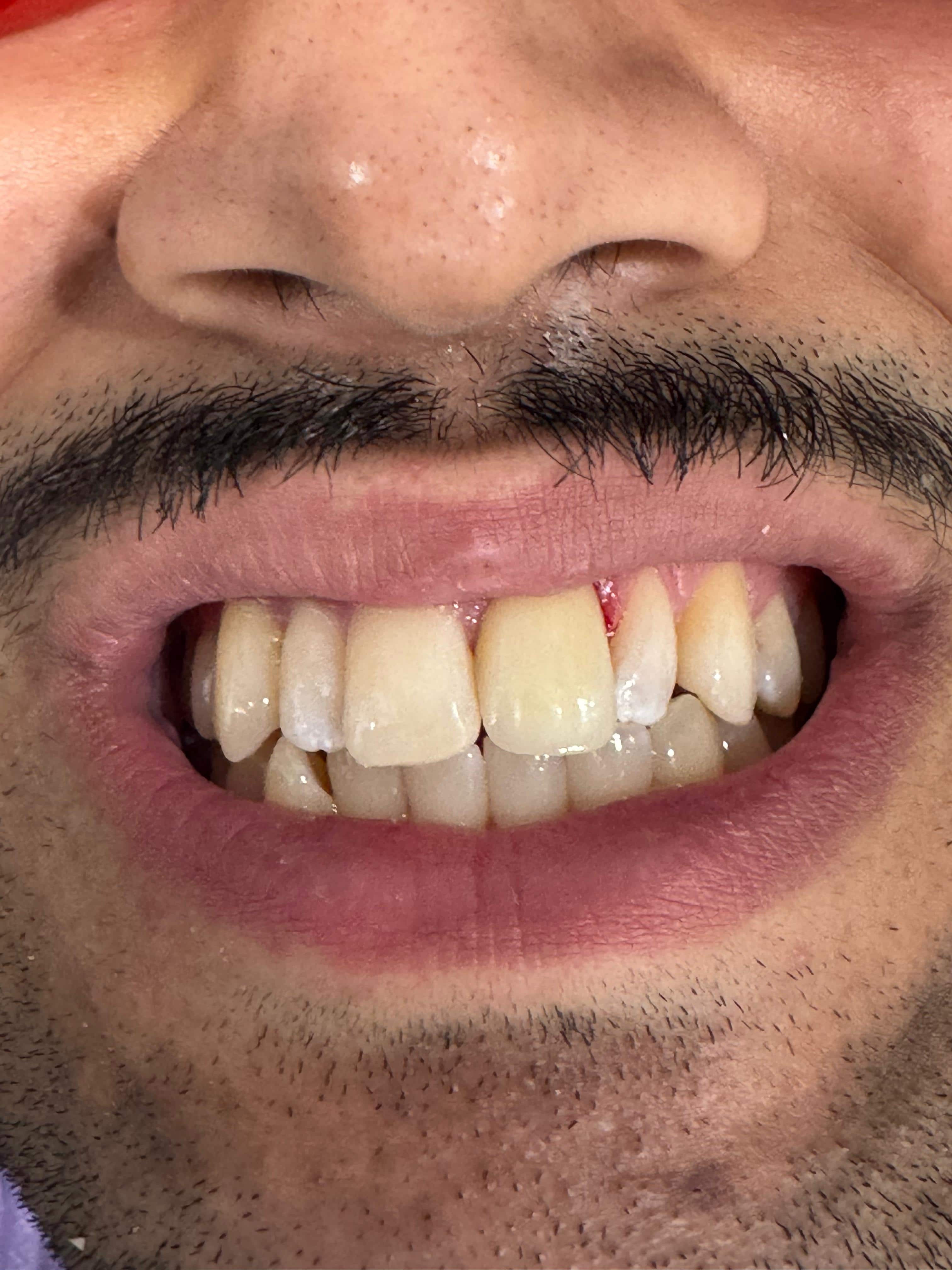
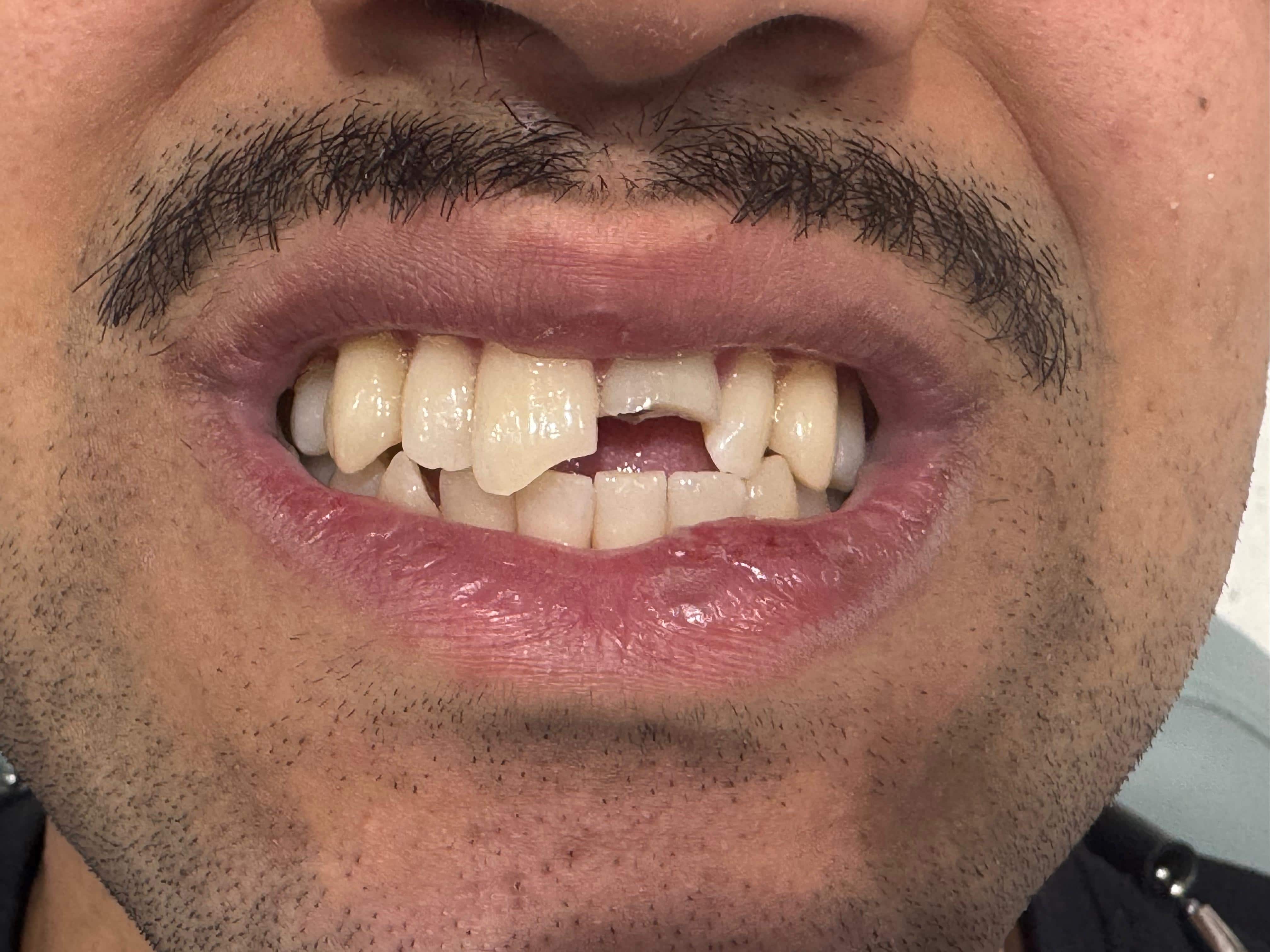
Emergency Root Canal & Crown
Emergency root canal and crown for a fractured front tooth
A severely fractured front tooth saved with root canal treatment, a fibre post and a porcelain crown.
Treated by Dr Yasha Shirazi
Watch & learn
Explained by our clinicians
Short, plain-English explainers from our clinicians on wisdom tooth removal and closely related treatments.
Tooth Grinding Treatment
Your clinicians
Meet your dentists
Every clinician at our Wimpole Street practice is GDC-registered — numbers published and verifiable on the public register.
Dr Yasha Y Shirazi
Dentist
GDC No. 195843

Dr Kamran Yazdi
Principal Dentist
GDC No. 197926
Dr Andreia Phipps
Dentist
GDC No. 229601
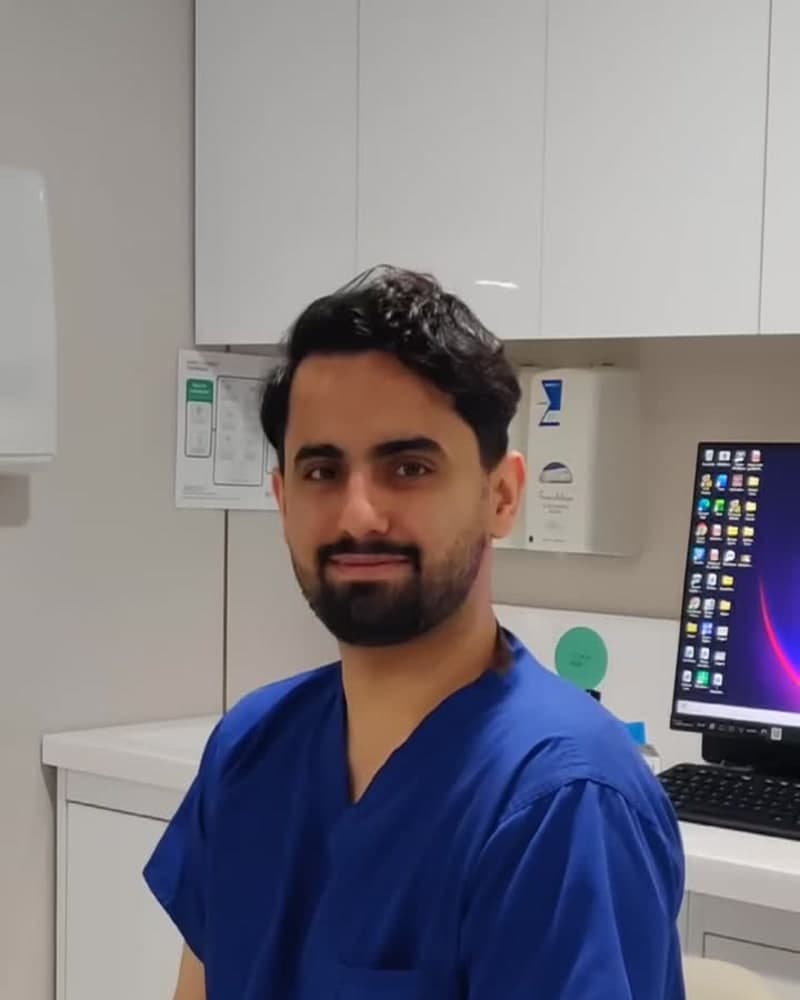
Dr Reza Davari
Dentist
GDC No. 302422
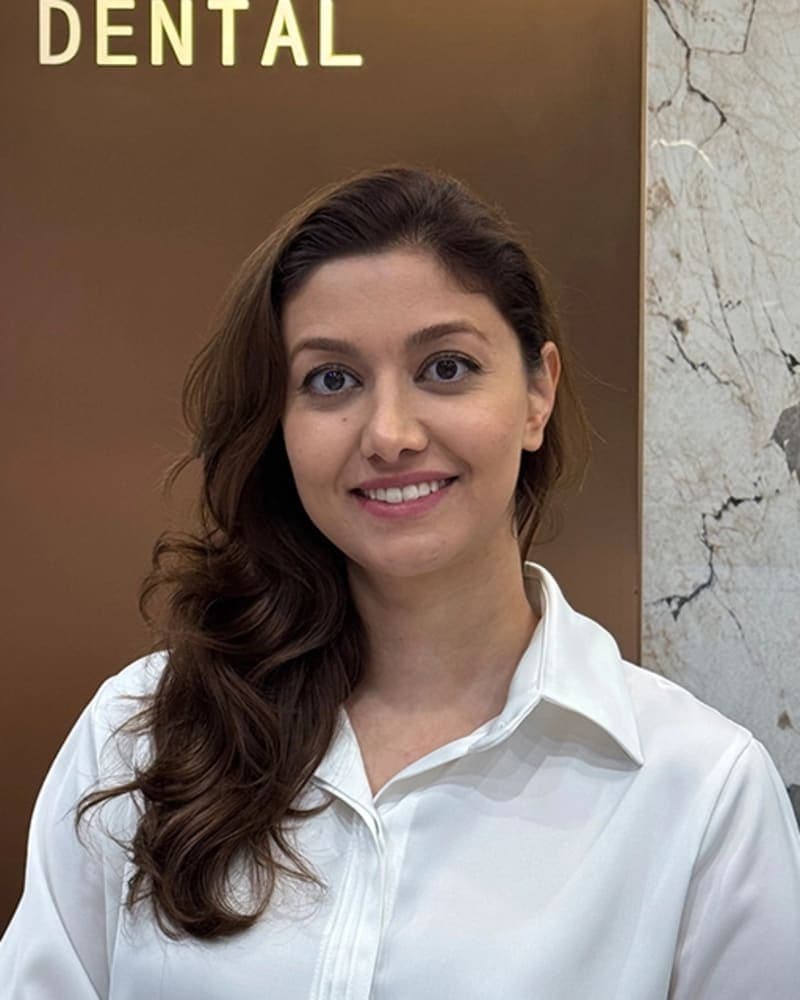
Dr Narges Ameri
Dentist
GDC No. 325081
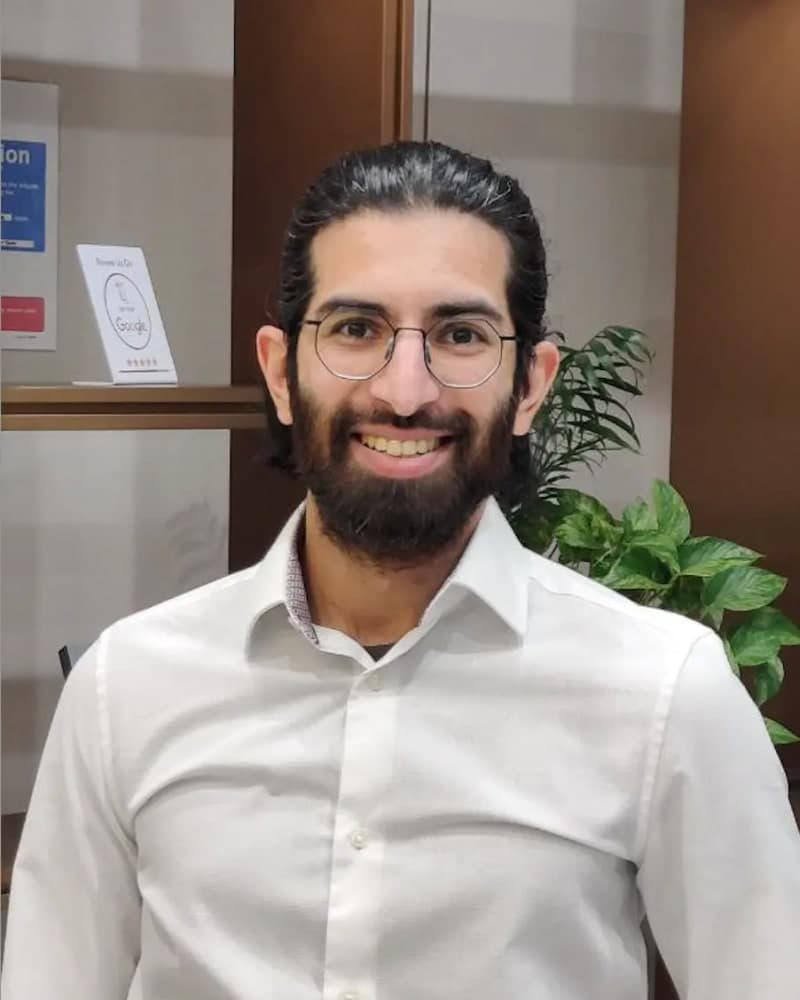
Dr Ayman Mukhtar
Dentist
GDC No. 302583

Dr Elisabeth Lichtmannegger
Dentist
GDC No. 319325

Dr Niknaz Rostam Yazdi
Dentist
GDC No. 328954

Dr Sam Parsno
Implant Dentist
GDC No. 72207

Jack Button
Dental Hygienist & Therapist
GDC No. 244367
Questions & Answers
Frequently asked questions
Honest answers about wisdom tooth removal, costs and what to expect. Everything is explained again in person at your consultation with a GDC-registered dentist.
No — only those causing or likely to cause problems. Assessment and monitoring are often the right first step.
Most patients are comfortable within 3–5 days for routine extractions; surgical cases may take a little longer.
Only where the panoramic X-ray suggests the roots sit close to the nerve. A CBCT scan maps the anatomy precisely so the surgery can be planned safely and the risks discussed accurately.
Yes — intravenous sedation is available for anxious patients. You remain conscious but deeply relaxed, and most people remember little of the procedure. You will need an escort home afterwards.
Dry socket is a painful delayed-healing condition that can develop a few days after extraction. Avoiding smoking, vigorous rinsing and straws in the first days reduces the risk, and it is treatable if it occurs — just contact us.
Lower wisdom teeth sitting close to the nerve carry a small risk of temporary, and rarely persistent, altered sensation in the lip, chin or tongue. Where imaging shows proximity, we discuss the specific risk for your tooth and options such as coronectomy.
At our Wimpole Street practice, simple extraction is from £250, complicated from £450 and surgical from £650. Your exact fee is confirmed after assessment in a written, itemised quote.
Stick to soft, cool foods for the first day or two and chew away from the site. Most people return to a normal diet within a week as comfort allows.
Pericoronitis is inflammation of the gum flap over a partially erupted wisdom tooth, often triggered by trapped food and plaque. A first, mild episode can frequently be settled with cleaning, rinses and improved hygiene around the tooth. Recurrent episodes are one of the recognised justifications for removal under NICE guidance, so the pattern over time guides the decision.
After a simple extraction, most people are back to normal activities the next day. Surgical removals — particularly lower impacted teeth — often warrant a day or two of lighter activity while swelling and stiffness settle. We will give you a realistic expectation for your specific tooth at the planning stage.
Coronectomy removes the crown of a lower wisdom tooth while deliberately leaving the roots in place, and is considered for selected teeth whose roots sit very close to the nerve. It can reduce the risk of nerve disturbance in suitable cases, though it is not appropriate for every tooth — your CBCT scan informs whether it is worth discussing.
Yes — Wimpole Dental is regulated by the Care Quality Commission (CQC), and every clinician is registered with the General Dental Council (GDC), with numbers you can verify on the public register. You'll be treated by a named, experienced clinician working to current professional standards — never a rotating locum.
You'll always receive a written, itemised quote before any treatment begins. New patients start with a £30 consultation; flexible payment options may be available — ask at your consultation.
That's very common and completely understood. Your dentist will explain each step in plain English, work at your pace and never pressure you to proceed. Let us know how you feel when you book and we'll make your visit as calm and comfortable as possible.
Sources & further reading
External links open in a new tab. This page was clinically reviewed by a GDC-registered dentist; it is general information, not a substitute for an in-person consultation.
Find Us
Wisdom Tooth Removal on Wimpole Street, London
Contact
020 7183 0692Opening hours
- Monday9:00am – 6:00pm
- Tuesday9:00am – 8:00pm
- Wednesday9:00am – 6:00pm
- Thursday9:00am – 8:00pm
- Friday8:00am – 5:00pm
- Saturday10:00am – 4:00pm
- SundayClosed
Related
More advanced dentistry
TMJ / Jaw Pain Treatment
Diagnosis and treatment of jaw joint disorders — clicking, locking, pain and tension headaches — starting non-surgically.

Advanced Dentistry
Night Guards (Teeth Grinding)
Night Guards (Teeth Grinding)
Custom-fitted night guards that protect your teeth from grinding and clenching (bruxism) while you sleep.
Children's Dentistry
Gentle, positive dental care for children and teenagers — from first visits to fluoride, sealants and alignment screening.
Book Today
Ready to start your smile journey?
Book a £30, no-obligation consultation. You'll leave with a written, itemised plan — and clarity on cost, timeline and options.
22 Wimpole St, London W1G 8GQ · CQC regulated · GDC-registered clinicians