Chipped Teeth: Understanding Treatment Options and Pain Considerations
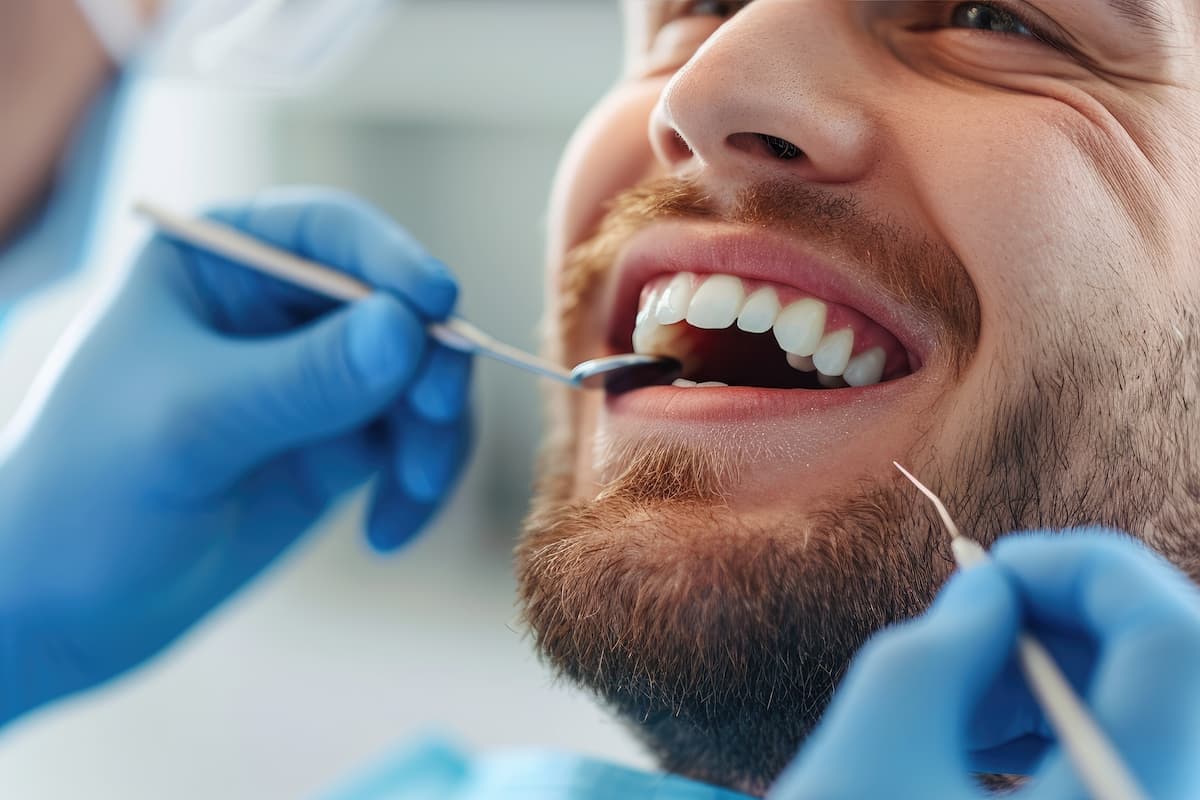
Chipping a tooth can be a surprisingly unsettling experience — even when the damage appears small. Whether it happened during a meal, a fall, a sporting moment or simply while biting something harder than expected, the immediate response is often a mix of concern, curiosity and uncertainty about what to do next.
The good news is that not all chipped teeth are emergencies. The appropriate response, and indeed the most suitable treatment option, depends on a range of factors that a dentist is best placed to assess. This article explains what chipped teeth are, why they happen, whether they cause pain, and how dental professionals think about treatment — so that you can approach any appointment with a clearer understanding of what to expect.
What Is a Chipped Tooth?
To understand what a chip actually means clinically, it helps to know a little about tooth structure. The outermost layer of a tooth is enamel — the hardest substance in the human body. Beneath the enamel lies dentine, a softer, porous layer that is more sensitive. Deeper still sits the dental pulp, which contains nerves and blood vessels.
A minor chip affects only the enamel. This is the most common type of chipped tooth and often causes no pain, though it may leave a rough or sharp edge. When a chip extends into the dentine, sensitivity can become more pronounced — particularly to hot, cold or sweet foods and drinks. If damage reaches the pulp, symptoms are likely to be more significant.
It is worth distinguishing between a small enamel chip, a larger fragment loss, a crack that extends through the tooth structure, and a more significant fracture involving the cusp or the root. These are quite different clinical situations, even if they may feel similar to a patient initially. Dentists use this distinction to guide their assessment and to consider which, if any, intervention is most appropriate.
What Causes Chipped Teeth?
Teeth can chip for a number of reasons, and understanding the cause is useful both for treatment planning and for reducing the risk of it happening again.
Common causes include:
• Dental trauma — a fall, sporting impact, road accident or blow to the face
• Biting hard objects — ice, hard sweets, pens, fingernails or unexpectedly hard food
• Weakened tooth structure — teeth affected by tooth decay or large existing fillings may be more vulnerable to chipping
• Tooth grinding (bruxism) — repeated clenching or grinding places significant pressure on teeth and can gradually wear and chip enamel over time
• Acid erosion — exposure to dietary acids or conditions such as acid reflux can thin enamel, making chips more likely
• Age-related changes — tooth structure can become more brittle with age, increasing susceptibility to fracture
In some cases, a tooth chips not because of a single traumatic event but because underlying enamel or tooth structure has been progressively weakened. This is one reason why regular dental check-ups can be valuable — they allow a dentist to identify areas of concern before a chip occurs.
Can a Chipped Tooth Cause Pain?
This is one of the most common questions people ask, and the honest answer is: it depends on the extent of the damage.
Minor enamel chips often cause no pain at all. The sharp edge may be noticeable with the tongue, and there may be some mild sensitivity, but many people with small chips experience no discomfort whatsoever.
Chips extending into dentine are more likely to cause sensitivity. The dentine contains microscopic tubules that connect to the pulp, and when exposed, they can allow temperature changes, sweet foods or pressure to trigger a short, sharp sensation. This is distinct from persistent or severe pain.
More significant fractures — particularly those that approach or involve the pulp — may cause more pronounced and sustained discomfort. A deep crack can sometimes mimic toothache, and pain that is persistent, spontaneous or worsening warrants prompt professional assessment.
It is also worth noting that a chip on its own may not be immediately painful but can become more uncomfortable over time if the sharp edge causes irritation to the tongue, cheek or surrounding soft tissue. Similarly, a chip that goes unrepaired may be more susceptible to further damage or decay over time.
What Should You Do If You Chip a Tooth?
If you chip a tooth, a calm and measured response is usually appropriate. In most cases, this is not a dental emergency — but some practical steps can be helpful in the short term.
1. Rinse gently with warm water to clean the area
2. Save any fragment if possible — though whether it can be reattached depends on the circumstances and is something a dentist can advise on
3. Cover any sharp edges if needed — dental wax or sugar-free chewing gum can temporarily cushion a rough edge to prevent irritation
4. Avoid hard, sticky or very hot or cold foods until you have been seen
5. Contact a dental practice to arrange an assessment — the urgency will depend on your symptoms
If you are experiencing severe or persistent pain, significant swelling, signs of infection, or if the chip has resulted from significant trauma, seek professional advice more promptly. For out-of-hours dental emergencies in England, NHS 111 can direct you to appropriate care, and this guide on severe toothache and emergency warning signs may help with immediate decision-making.
How Are Chipped Teeth Treated?
There is no single answer to how dentists fix chipped teeth because the appropriate approach depends on a careful assessment of the damage. Treatment options range from very simple procedures to more structured restorative work. Below is an overview of approaches a dentist may consider.
Dental Bonding for Chipped Teeth
Dental bonding using composite resin is one of the most commonly considered options for minor to moderate chips. The dentist applies a tooth-coloured resin material to the affected area, shapes it carefully and hardens it with a curing light. The result can closely match the natural appearance of the tooth.
Bonding is a relatively straightforward procedure that usually requires no anaesthetic for small chips and preserves most of the existing tooth structure. It is often suitable for front teeth where aesthetics are a priority, though it can also be considered for other teeth depending on bite forces and location. Composite resin can be susceptible to staining and may require maintenance or replacement over time.
Tooth Reshaping (Enameloplasty)
For very small chips affecting the edge of a tooth, a dentist may be able to smooth and reshape the enamel gently — a process sometimes referred to as enameloplasty or tooth contouring. This is a conservative option that removes no additional tooth structure beyond what is needed to create a smooth, even edge. It is generally only appropriate when the chip is minor and the remaining enamel is healthy.
Dental Veneers
A dental veneer is a thin shell of porcelain or composite material that covers the front surface of a tooth. It is most relevant where a chip has affected a front tooth and where bonding alone may not achieve the most aesthetically satisfying or durable result. Veneers typically require a small amount of enamel to be removed from the tooth surface before placement, which makes the decision to place one a more considered clinical discussion. They are not suitable for all patients or all clinical situations.
Dental Crowns for Chipped Teeth
A dental crown fits over the entire visible portion of a tooth and may be considered when a chip has removed a significant amount of tooth structure, when a crack extends deep into the tooth, or when a tooth has been weakened to the point where simply restoring the missing portion may not provide adequate protection. Crowns are generally considered a more substantial restorative option and require careful preparation of the remaining tooth. They are not the default response to a minor chip but may be the most appropriate choice in certain circumstances.
When a Tooth Cannot Be Straightforwardly Restored
In rare cases involving very deep fractures — particularly those extending below the gumline or into the root — other clinical decisions may need to be discussed. These situations are assessed individually and may involve consideration of root canal treatment, tooth extraction, or tooth replacement options such as dental implants where relevant. These are not common outcomes for a straightforward chip, but they are worth understanding as part of the broader picture.
How Do Dentists Decide Which Treatment Is Suitable?
When a dentist assesses a chipped tooth, they are considering several factors simultaneously. Understanding these can help you make sense of any recommendations you receive.
Factors that typically influence treatment decisions include:
• The extent and depth of the chip — whether it is confined to enamel or extends into dentine or pulp
• The position of the tooth — front teeth are subject to different aesthetic and functional demands than back teeth
• The amount of remaining tooth structure — more structure generally supports more conservative options
• Bite forces in that area — teeth under greater chewing pressure may need more durable solutions
• The underlying dental health — the presence of decay, existing large restorations or gum disease affects what is appropriate
• Your symptoms — pain, sensitivity or signs of nerve involvement affect both urgency and treatment type
• Your aesthetic priorities — particularly relevant for visible front teeth
• Long-term function and durability — a treatment that suits your specific lifestyle and dental history
Current clinical understanding generally favours the most conservative approach that adequately addresses the damage. This means a dentist is unlikely to recommend a crown when bonding would be clinically sufficient, or a veneer when simple reshaping would achieve a satisfactory result. However, individual circumstances always shape the final recommendation.
How Long Can Chipped Tooth Repairs Last?
Durability varies depending on the type of repair, the tooth's location, the forces it is subjected to and how well the restoration is maintained.
Composite bonding typically requires monitoring over the years and may need refreshing or replacement, particularly on teeth that experience significant biting forces or in patients who grind their teeth.
Porcelain veneers, when well-maintained and placed on suitable teeth, can offer longer-term durability, though they are not indestructible and can fracture under force.
Dental crowns, where clinically appropriate, are generally considered one of the more durable restorative options — though they too have a lifespan influenced by oral hygiene, biting habits and the quality of the underlying tooth structure.
Regardless of the type of repair, good oral hygiene, regular dental check-ups and being mindful of habits such as biting hard objects or grinding will all influence how long a repair remains in good condition.
Can Chipped Teeth Be Prevented?
While accidents cannot always be avoided, there are practical steps that can meaningfully reduce the risk of chipping a tooth.
• Wear a mouthguard during contact sports — this is one of the most effective forms of dental protection
• Avoid biting hard objects — including ice, hard sweets, pens, bottle tops and fingernails
• Address tooth grinding — if you suspect you grind your teeth at night, speak to a dentist about whether a custom night guard may be appropriate
• Maintain a consistent oral health routine — healthy enamel is more resilient, so brushing with a fluoride toothpaste and attending regular appointments supports tooth strength
• Be mindful of dietary acid — frequent consumption of acidic foods and drinks can gradually erode enamel over time, increasing vulnerability
• Treat decay promptly — addressing cavities early prevents the structural weakening that can make chips more likely
Preventive dentistry is not about eliminating all risk — it is about reducing it where possible and maintaining the overall health of your teeth so that they are as resilient as they can be.
When Should You Seek Professional Dental Advice?
Any tooth that has chipped deserves professional assessment, even if it is causing no immediate pain. A dentist can evaluate whether the damage is confined to enamel, whether there is any risk to the deeper tooth structure, and whether any action is advisable.
Seeking advice sooner rather than later is particularly sensible when:
• There is persistent or worsening pain, or pain that wakes you at night
• The tooth is very sensitive to temperature or pressure
• You can see a significant piece has broken away
• The chip has occurred as a result of significant facial trauma
• There is swelling or signs of infection around the tooth or gum
• A sharp edge is cutting into your tongue, lip or cheek
For minor chips with no symptoms, the clinical priority may be lower, but a dentist can still assess whether monitoring or a simple repair is advisable. Early review can sometimes prevent a small problem from becoming a more complex one.
Seeking Professional Advice
If you have chipped a tooth and are uncertain about what to do next, a professional dental assessment is the most reliable way to understand your specific situation. Dentists can examine the extent of the damage, discuss the options that may be relevant for you, and help you make an informed decision — without pressure and at a pace that suits you.
At Wimpole Dental, our clinicians take a careful, patient-centred approach to assessing dental damage, taking the time to explain findings and talk through the options most appropriate to your circumstances.
Frequently Asked Questions
Can a very small chip get worse over time if left untreated?
A small enamel chip may remain stable for some time, but it can also become a point of weakness if the tooth is subjected to repeated stress or if decay develops in the area. A dentist can assess whether monitoring or repair is the more prudent approach for a specific chip.
Will my chipped tooth be sensitive after it has been repaired?
Some mild sensitivity after a dental repair is relatively common and usually settles within a few days. If sensitivity persists or worsens after treatment, this should be reported to your dentist, as it may indicate that the repair needs adjustment or that the tooth requires further assessment.
I grind my teeth at night — does this make chipped tooth repairs less durable?
Bruxism places higher-than-average forces on teeth and restorations, which can affect how long a repair lasts. If tooth grinding is identified, a dentist may discuss protective measures — such as a night splint — alongside any repair, to help preserve both the restoration and the surrounding teeth.
Can a chipped tooth affect the way I bite?
In some cases, a chip that alters the biting surface of a tooth can affect the bite slightly, particularly if it is on a back tooth. A dentist will usually check the bite following any repair to ensure that the restored tooth does not create uneven contact with opposing teeth.
Is it possible for a chipped tooth to develop an infection?
If a chip exposes the dentine or — in more significant cases — affects the pulp, there is a possibility of bacterial entry over time, which could lead to infection. This is more of a concern with deeper damage than a minor enamel chip. Any signs of swelling, persistent throbbing pain or a raised bump on the gum near the tooth should be assessed promptly.
Are chipped teeth more common in certain age groups?
Dental trauma causing chipped teeth can occur at any age, but is statistically more common in children and younger adults involved in sports or active play. In older adults, chips may be more likely to result from weakened enamel or existing restorations that have reached the end of their lifespan. Underlying causes do vary by age group, which can influence both the type of chip and the most appropriate management.
Can I eat normally while waiting for a chipped tooth appointment?
In most cases you can eat, but it is sensible to avoid very hard, very sticky or very temperature-extreme foods until the tooth has been assessed. If there is a sharp edge causing irritation, dental wax or sugar-free gum can be used as a temporary measure for comfort.
Will the repair look natural?
Modern composite resin and porcelain materials can closely match natural tooth colour and translucency. The degree of cosmetic match achievable depends on the extent of the chip, the tooth's location and the material used. Your dentist can discuss what a realistic outcome may look like for your specific situation.
Is treatment for a chipped tooth always necessary?
Not necessarily. Very minor enamel chips with no symptoms, no sharp edges and no structural concern may sometimes be monitored rather than immediately treated. However, this is a clinical decision that should be made in consultation with a dentist rather than assumed. Some chips that appear trivial may benefit from early attention.
Can NHS dental treatment cover chipped tooth repair?
In England, NHS dental treatment is provided according to clinical need, and the options available under NHS provision differ from those available through private dental care. Cosmetic considerations are generally not covered by NHS dentistry. A dentist can advise on what treatment may be available under NHS or private arrangements based on your clinical circumstances.
Dental Disclaimer
This article is for general educational information and does not replace a personal diagnosis or treatment plan. Dental advice should be based on a clinical examination with a GDC-registered professional. Wimpole Dental is a CQC-regulated practice, and treatment decisions are made case-by-case after assessment. We follow ASA/CAP guidance for healthcare advertising and do not guarantee outcomes.
Written by Wimpole Dental Editorial Team · reviewed by Wimpole Dental Clinical Team
This article is general information, not personal clinical advice. For a diagnosis and a plan tailored to you, book a consultation with a GDC-registered dentist.
Related treatments at our Wimpole Street practice