Strength and natural looks for a tooth worth saving
Dental Crowns Wimpole Street, London
Lab-crafted porcelain, zirconia or e.max crowns that protect and restore damaged or root-treated teeth.
from £995 per crownFlexible payment options — ask at your consultation
- 2 visits
- £30 consultation
- Written, itemised quote
Why choose us
Why choose dental crowns?
Delivered to a consistently high standard by a named, GDC-registered clinician at our CQC-regulated practice on Wimpole Street, London.
Digital impressions
UK laboratory craftsmanship
Typically 10–15+ years
About the treatment
Dental Crowns at our Wimpole Street practice
Clinically reviewed by Dr Kamran Yazdi, Principal Dentist, GDC 197926 · Last reviewed July 2026
A dental crown is a precision-made cap that covers the whole visible part of a tooth, restoring its strength, shape and appearance. Where a filling repairs part of a tooth, a crown protects all of it — holding a cracked or heavily filled tooth together so it can bite and chew normally. At our Wimpole Street practice, every crown is designed digitally and hand-finished by skilled UK laboratories, then matched carefully to the shade and character of your natural teeth.
Crowns suit teeth that have lost too much structure for a filling to be reliable: teeth with large or repeatedly replaced fillings, cracked teeth, teeth worn down by grinding, and teeth that have had root canal treatment. They can also improve the appearance of a discoloured or misshapen tooth, though where cosmetics are the main goal your dentist may suggest a more conservative option such as a veneer or bonding. Suitability is always confirmed at an in-person consultation with a GDC-registered dentist.
An honest practice should also tell you when a crown is not the right answer. Where enough healthy tooth remains, an inlay or onlay — a lab-made restoration that covers only the damaged portion — preserves more of your natural tooth, and a well-placed white filling may be all that is needed for smaller cavities. We always recommend the least invasive option that will do the job reliably, and your written plan sets out the reasoning.
Treatment normally takes two visits to our Marylebone practice. At the first, the tooth is gently reshaped under local anaesthetic to create room for the crown, and a digital impression is taken — a small camera scans your teeth, with no uncomfortable putty trays. A natural-looking temporary crown protects the tooth while your final crown is crafted. At the second visit, usually one to two weeks later, the temporary is removed and your new crown is checked for fit, bite and shade before being bonded permanently in place.
Materials matter, and we will recommend the right one for your tooth. Zirconia offers exceptional strength for back teeth that take heavy chewing forces. E.max lithium disilicate combines strength with beautiful translucency, making it a favourite for visible teeth. Layered porcelain gives the most lifelike aesthetics for front teeth. All are metal-free, so there is no grey line at the gum as the years pass — a common complaint with older metal-based crowns.
Crowns are frequently the final stage of root canal treatment. A root-treated back tooth becomes more brittle over time, and a crown protects it from the fractures that are otherwise a common cause of losing the tooth later. If your dentist recommends a crown after root canal treatment, it is to protect the investment you have already made in saving the tooth.
Crowns start from £995 per tooth, with inlays and onlays also from £995. The final cost depends on the material chosen, the complexity of the tooth, and whether additional work — such as a foundation build-up or root canal treatment — is needed first. You receive a written, itemised quote before treatment begins, so there are no surprises at any stage.
As with any treatment, there are limitations to understand. Preparing a tooth for a crown removes some tooth structure, and a small proportion of crowned teeth later need root canal treatment if the nerve becomes inflamed. Crowns can occasionally chip or debond, particularly in patients who grind their teeth — where a night guard is often sensible protection. No restoration lasts forever, but a well-made crown on a well-cared-for tooth typically gives 10–15 years or more of service; longevity varies with bite forces and oral hygiene.
Caring for a crown is simple: brush twice daily, clean between the teeth, and attend regular check-ups and hygiene visits so the margin where crown meets tooth stays clean and healthy. Decay can still develop at that margin if plaque accumulates, which is why maintenance matters as much as the crown itself.
Nervous about dental treatment? You are far from alone, and crown appointments at our practice are deliberately unhurried. Your dentist explains each step before it happens, agrees a stop signal with you, and works at your pace. Because we use digital scanning rather than traditional impression putty, patients with a sensitive gag reflex usually find the process far easier than they remember from years ago. If anxiety has kept you away from the dentist, tell us when you book — we will build extra time into your appointment.
A crown is also an opportunity to think about the bigger picture. If the tooth needing a crown sits within a smile you would like to improve more broadly — perhaps alongside whitening, bonding or the replacement of older discoloured crowns — it is worth planning the shade and shape with that in mind, since a crown's colour cannot be changed later. Your dentist can sequence whitening before shade-matching so your new crown matches the brighter result, and will set out any wider options in writing without obligation.
Patients come to us for dental crowns in London from across the city and beyond. Our practice on Wimpole Street, near Harley Street in central London, combines digital impressions, careful shade-matching and genuine UK laboratory craftsmanship with transparent written pricing. If you have been told you need a crown — or you would like a second opinion on an existing plan — we would be delighted to see you.
Between your two visits, a few sensible habits protect the temporary crown: chew on the other side where you can, avoid very sticky or hard foods, and floss by sliding the floss out sideways rather than pulling upwards, which can dislodge the temporary. If it does come loose, contact the practice and we will re-cement it promptly — it protects the prepared tooth and holds the space for your final crown, so it matters more than it looks. Once the definitive crown is fitted, allow the cement its first day before testing it on anything challenging, then eat normally. Any high spot in your bite that emerges over the following days is a quick, simple adjustment at a short follow-up visit.
Dental Crowns cost in London
- Treatment fee
- from £995 per crown
- Consultation
- £30
- Typical duration
- 2 visits
- Payment
- Flexible options — ask at your consultation
Full fees for every treatment are published in our fee guide.
Explore more restorative dentistry, compare costs in our pricing guide or browse real patient results in the smile gallery.
What to expect at our Wimpole Street practice
- Care from a named, GDC-registered clinician at a CQC-regulated practice.
- A written, itemised plan and fixed quote before anything begins.
- Time to ask questions, understand your options and give informed consent — no pressure to proceed.
- Clear aftercare and structured review where clinically needed, with support if you have concerns.
Suitability is always confirmed at an in-person consultation with a GDC-registered dentist. Treatment outcomes depend on individual clinical factors — individual results may vary and no result can be guaranteed. A written, itemised quote is provided before any treatment begins.
Dental Crowns at a glance
- Price from
- from £995 per crown
- Typical time
- 2 visits
- New patients
- £30 consultation
- Payment
- Flexible options — ask at consultation
- CQC-regulated practice
- GDC-registered clinicians
- Written, itemised plan
Your journey
Dental Crowns treatment steps
Assessment
Your journey begins with a £30 consultation: a full examination with a GDC-registered dentist, X-rays where clinically needed, and time to talk through what you'd like to achieve and answer any questions you might have.
Your written plan
You'll receive a personalised, itemised treatment plan outlining the process and costs — every option explained in plain English with an exact price against each item, and never any pressure to proceed.
Treatment
Dental Crowns is carried out by a named, GDC-registered clinician at our CQC-regulated practice on Wimpole Street, London — with evening and weekend appointments to fit around work.
Aftercare & review
Clear written aftercare, review appointments where clinically needed, and structured recall to protect your result — and your oral health — for the long term.
Real results
Our dental crowns results
Genuine patients of the practice, treated by named clinicians and published with consent. Drag the slider to compare — individual results vary and no outcome can be guaranteed.
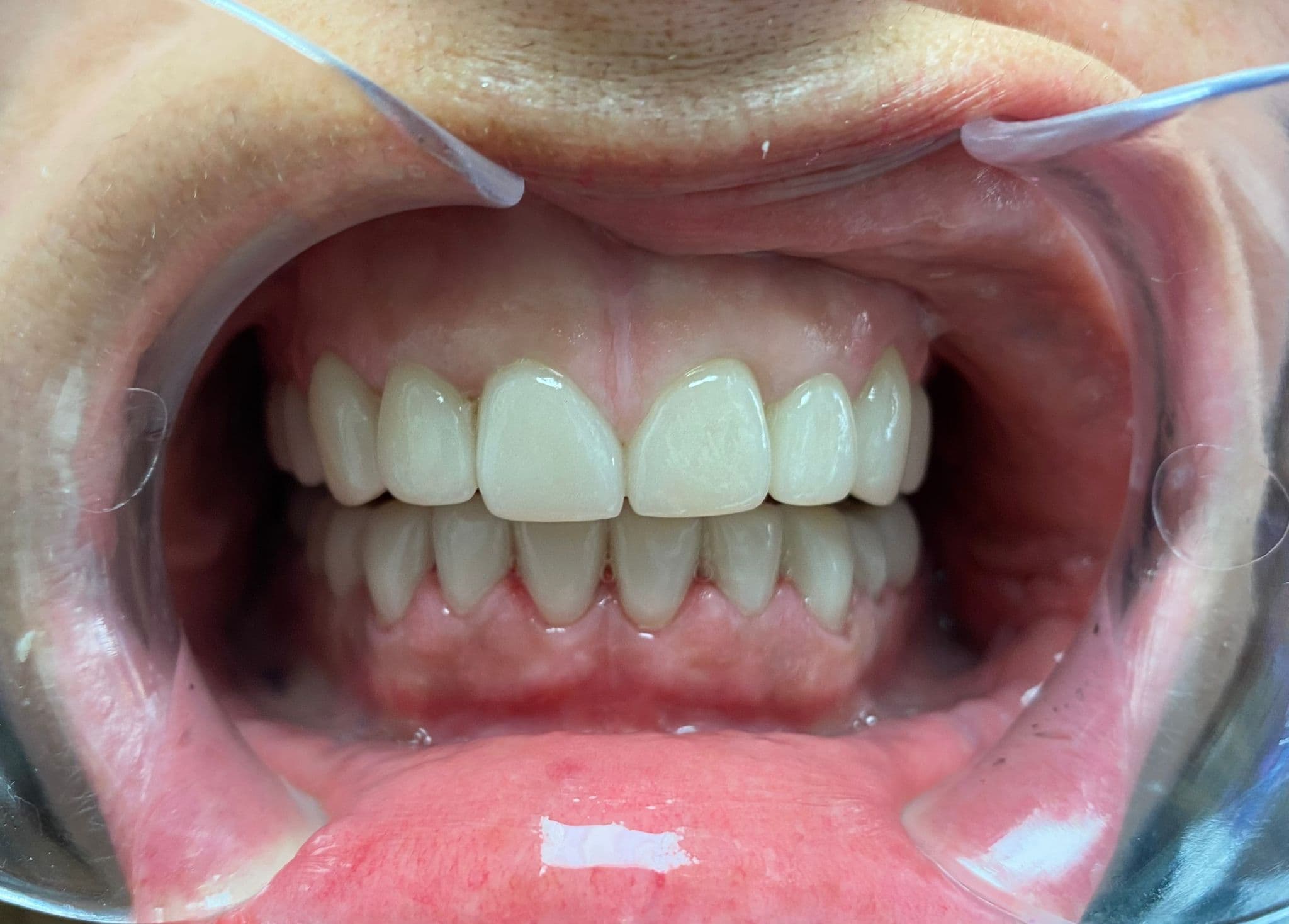
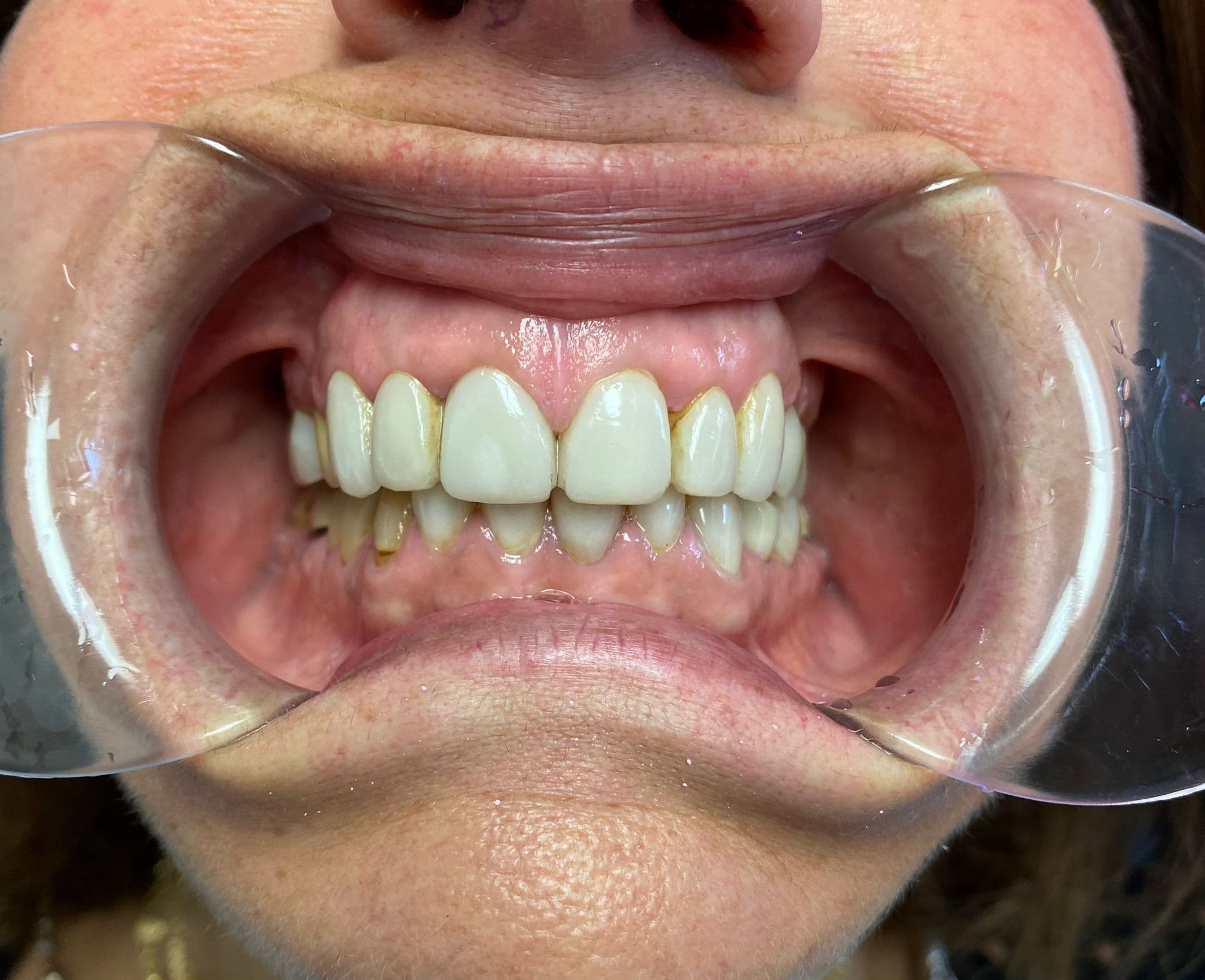
Porcelain Veneers & Crowns
Full smile rejuvenation with 24 veneers and crowns
Twenty-year-old veneers and crowns replaced for a softer, naturally balanced smile.
Treated by Dr Yasha Shirazi
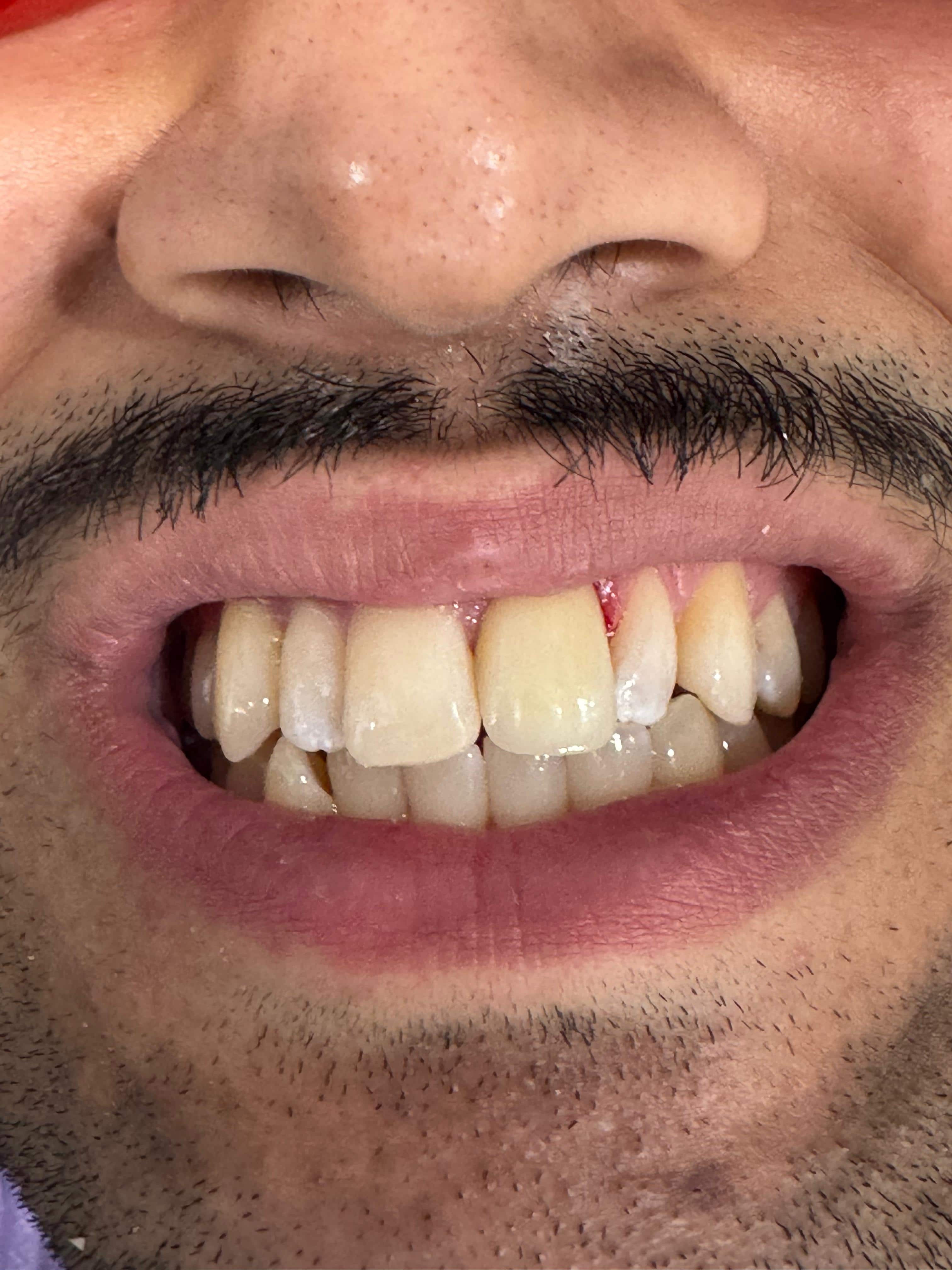
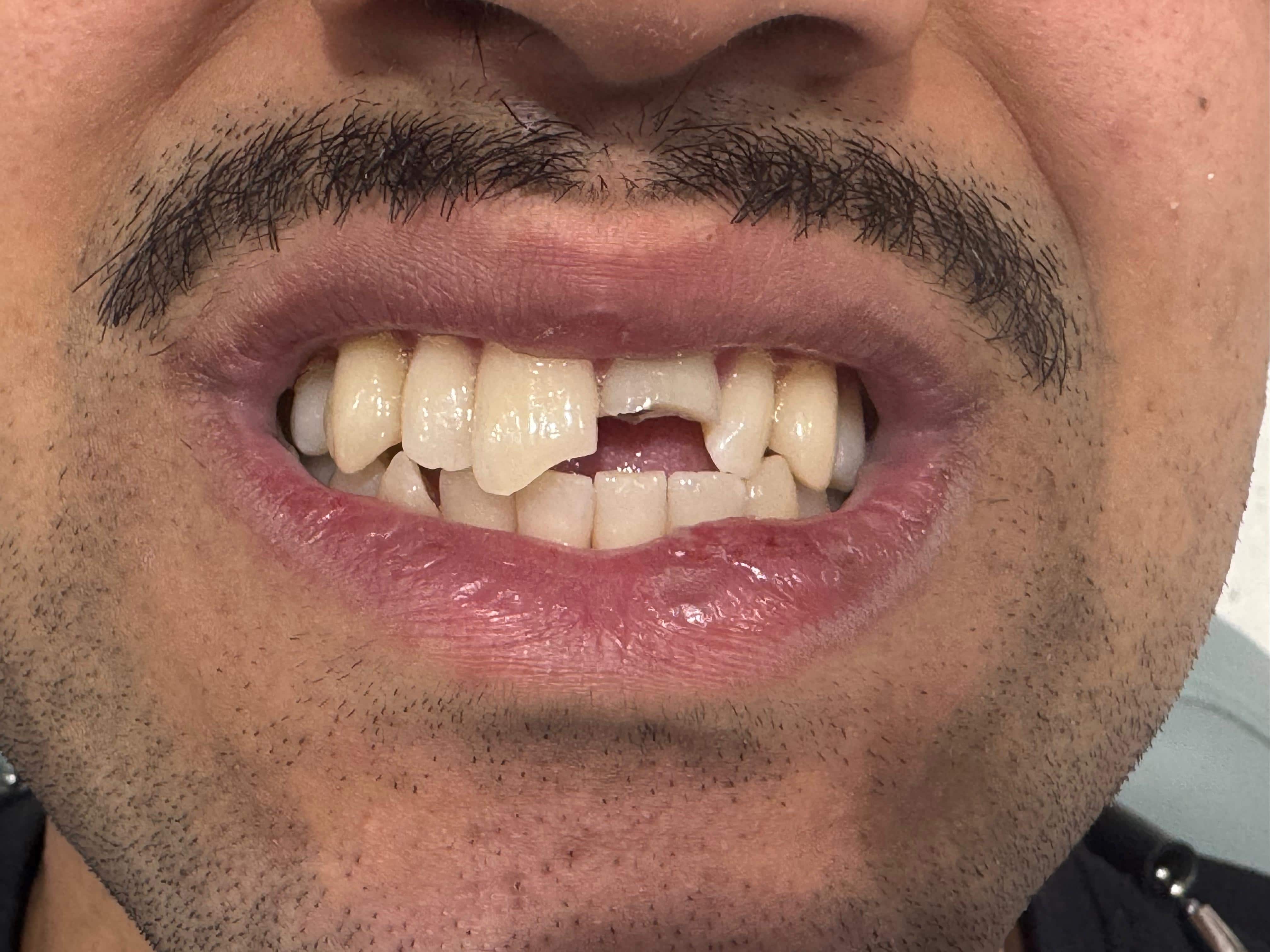
Emergency Root Canal & Crown
Emergency root canal and crown for a fractured front tooth
A severely fractured front tooth saved with root canal treatment, a fibre post and a porcelain crown.
Treated by Dr Yasha Shirazi
Watch & learn
Explained by our clinicians
Short, plain-English explainers from our clinicians on dental crowns and closely related treatments.
Dental Implants Explained
Dental Bridge Treatment
Root Canal Treatment
Your clinicians
Meet your dentists
Every clinician at our Wimpole Street practice is GDC-registered — numbers published and verifiable on the public register.

Dr Yasha Y Shirazi
Dentist
GDC No. 195843

Dr Kamran Yazdi
Principal Dentist
GDC No. 197926

Dr Andreia Phipps
Dentist
GDC No. 229601

Dr Reza Davari
Dentist
GDC No. 302422

Dr Narges Ameri
Dentist
GDC No. 325081

Dr Ayman Mukhtar
Dentist
GDC No. 302583

Dr Elisabeth Lichtmannegger
Dentist
GDC No. 319325

Dr Niknaz Rostam Yazdi
Dentist
GDC No. 328954

Dr Sam Parsno
Implant Dentist
GDC No. 72207

Jack Button
Dental Hygienist & Therapist
GDC No. 244367
Questions & Answers
Frequently asked questions
Honest answers about dental crowns, costs and what to expect. Everything is explained again in person at your consultation with a GDC-registered dentist.
Usually two visits: preparation and digital impression at the first, fitting at the second, with a temporary crown in between.
Typically 10–15+ years with good care, though this varies with bite forces and oral hygiene.
The tooth is fully numbed with local anaesthetic during preparation, and with modern anaesthesia most patients report little discomfort. Mild sensitivity for a few days afterwards is normal and usually settles quickly.
It depends on how much healthy tooth remains. Smaller cavities suit a white filling, moderate damage often suits an onlay that preserves more tooth, and extensively weakened teeth usually need the full protection of a crown. We recommend the least invasive reliable option and explain the reasoning in your written plan.
Yes — modern zirconia, e.max and layered porcelain crowns are matched carefully to the shade, shape and translucency of your natural teeth by skilled UK laboratories. Because they contain no metal, there is no grey line at the gum over time.
The crown itself cannot decay, but the natural tooth beneath it can — particularly at the margin where crown meets tooth. Good daily cleaning and regular check-ups keep this risk low.
Yes. We will usually recommend a stronger material such as zirconia and, in many cases, a custom night guard to protect both the crown and your other teeth from grinding forces.
Yes. Older crowns with grey margins, worn surfaces or a poor shade match can usually be replaced with modern metal-free ceramics. Your dentist will first check the health of the tooth beneath, then confirm options and costs in a written, itemised quote before anything begins.
Keep it safe and contact our Wimpole Street practice promptly — we can usually re-cement it at a short visit. The temporary protects the prepared tooth from sensitivity and stops neighbouring teeth drifting, so it is worth replacing quickly rather than waiting for your fit appointment. In the meantime, chew on the other side and avoid very hot or cold foods on that tooth.
Very. Our practice is on Wimpole Street in Marylebone, a short walk from Bond Street, Oxford Circus and Regent's Park underground stations, so patients come to us from right across London. Crown treatment needs only two visits, typically one to two weeks apart, and we can often schedule them around your working day.
Usually before. A crown's shade cannot be changed once it is made, so if you are considering whitening, it is sensible to whiten first and then match the crown to your brighter result. Your dentist will sequence this for you and include any whitening costs in your written, itemised quote so the whole plan is clear from the outset.
Yes — Wimpole Dental is regulated by the Care Quality Commission (CQC), and every clinician is registered with the General Dental Council (GDC), with numbers you can verify on the public register. You'll be treated by a named, experienced clinician working to current professional standards — never a rotating locum.
You'll always receive a written, itemised quote before any treatment begins. New patients start with a £30 consultation; flexible payment options may be available — ask at your consultation.
That's very common and completely understood. Your dentist will explain each step in plain English, work at your pace and never pressure you to proceed. Let us know how you feel when you book and we'll make your visit as calm and comfortable as possible.
Sources & further reading
External links open in a new tab. This page was clinically reviewed by a GDC-registered dentist; it is general information, not a substitute for an in-person consultation.
Find Us
Dental Crowns on Wimpole Street, London
Contact
020 7183 0692Opening hours
- Monday9:00am – 6:00pm
- Tuesday9:00am – 8:00pm
- Wednesday9:00am – 6:00pm
- Thursday9:00am – 8:00pm
- Friday8:00am – 5:00pm
- Saturday10:00am – 4:00pm
- SundayClosed
Related
More restorative dentistry
Restorative Dentistry
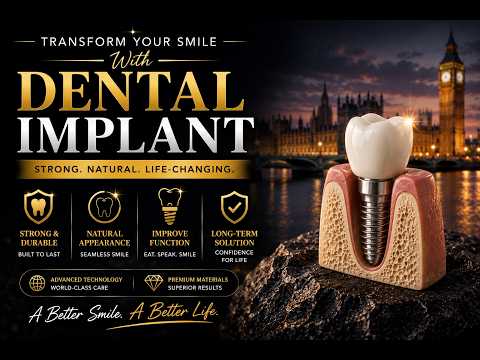
Dental Implants
Dental Implants
Titanium implants with custom porcelain crowns to replace missing teeth — planned in 3D and placed in-house.
Restorative Dentistry
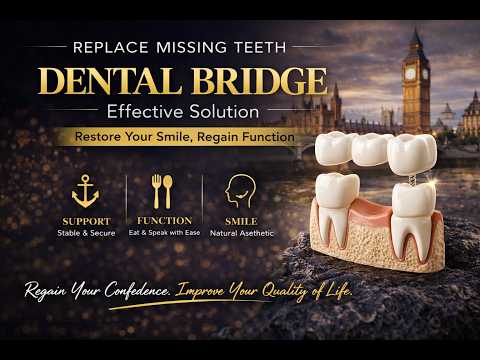
Dental Bridge
Dental Bridge
A fixed, non-removable replacement for one or more missing teeth, anchored to the neighbouring teeth.
Maryland Bridge
A minimally invasive, wing-bonded bridge — often ideal for replacing a single missing front tooth.
Book Today
Ready to start your smile journey?
Book a £30, no-obligation consultation. You'll leave with a written, itemised plan — and clarity on cost, timeline and options.
22 Wimpole St, London W1G 8GQ · CQC regulated · GDC-registered clinicians