Close the gap and restore your bite
Dental Bridge Wimpole Street, London
A fixed, non-removable replacement for one or more missing teeth, anchored to the neighbouring teeth.
from £995 per unitFlexible payment options — ask at your consultation
- 2–3 visits
- £30 consultation
- Written, itemised quote
Why choose us
Why choose dental bridge?
Delivered to a consistently high standard by a named, GDC-registered clinician at our CQC-regulated practice on Wimpole Street, London.
Fixed & non-removable
Restores bite and speech
Natural-looking result
About the treatment
Dental Bridge at our Wimpole Street practice
Clinically reviewed by Dr Kamran Yazdi, Principal Dentist, GDC 197926 · Last reviewed July 2026
A dental bridge closes the gap left by one or more missing teeth using a false tooth (or teeth) supported by crowns fitted to the neighbouring teeth. Once cemented, the whole restoration is fixed in place — there is nothing to take in and out, and nothing that moves when you eat or speak. For many patients at our Wimpole Street practice, a bridge is the ideal balance of speed, comfort and appearance when replacing a missing tooth without surgery.
Bridges suit patients who have healthy, strong teeth either side of the gap, good gum health and a stable bite. They are often a sensible choice where the neighbouring teeth already have large fillings or crowns — in which case preparing them for a bridge sacrifices little additional tooth structure. Where those neighbouring teeth are completely healthy and unfilled, your dentist may steer you towards an implant or a resin-bonded Maryland bridge instead, to avoid drilling sound teeth. Suitability is confirmed at an in-person consultation with a GDC-registered dentist.
Replacing a missing tooth is about more than appearance. When a gap is left, the neighbouring teeth can gradually drift and tilt into the space and the opposing tooth can over-erupt, which may unbalance your bite over time. A well-made bridge restores chewing function, supports clear speech, keeps the neighbouring teeth in position and completes your smile.
Treatment typically takes two to three visits to our Marylebone practice, near Harley Street. At the first, the supporting teeth are gently shaped under local anaesthetic and a digital impression is taken — no uncomfortable putty trays. A temporary bridge protects the teeth and fills the gap while your final bridge is crafted by a skilled UK laboratory. At the fit appointment, usually one to two weeks later, the bridge is checked for fit, bite and shade before being permanently cemented.
We work in modern metal-free ceramics — typically zirconia for strength on back teeth and layered porcelain or e.max for the most lifelike results on visible teeth. Digital impressions and careful laboratory communication mean the finished bridge is matched to the shade and character of your natural teeth, so it blends in rather than standing out.
Bridges start from £995 per unit — a three-unit bridge replacing one tooth, for example, comprises two supporting crowns and one false tooth. The final cost depends on the number of units, the material and the complexity of your bite. As with all treatment at our central London practice, you receive a written, itemised quote before anything begins.
How does a bridge compare with the alternatives? An implant avoids preparing the neighbouring teeth and replaces the missing root, helping preserve the jawbone, but it involves minor surgery, a longer timeline and a higher initial cost. A partial denture is the most economical route but is removable. A conventional bridge is fixed, non-surgical and completed within weeks — a genuine strength for patients who want a swift, predictable result. Your dentist will set out all the options honestly, with written prices for each.
There are limitations to weigh up. Preparing the supporting teeth removes some tooth structure, and those teeth carry the load of the missing tooth, so they must be strong and healthy. The bone under the false tooth is not stimulated and may slowly remodel over the years. Occasionally a supporting tooth can develop decay or need root canal treatment later. No restoration can be guaranteed, but a well-maintained bridge typically lasts 10–15 years, and often longer.
Aftercare centres on the area under the false tooth, which needs daily cleaning with floss threaders, superfloss or small interdental brushes — your hygienist will show you exactly how. Regular check-ups let us monitor the supporting teeth and the fit of the bridge so any issues are caught early. Longevity varies with hygiene, bite forces and general dental health.
For nervous patients, bridge treatment is one of the gentler ways to replace a tooth: there is no surgery, appointments are conventional in nature, and the whole process is complete within a few weeks. We take time to explain each stage, use digital scanning rather than impression putty wherever possible, and never rush. If dental anxiety is part of your story, mention it when you book and we will plan your visits accordingly.
Timing can matter, too. If you have recently lost a tooth or have an extraction planned, your dentist will advise on the ideal moment to fit a bridge — gums and bone remodel for several weeks after an extraction, and fitting a bridge too early can leave a small gap beneath the false tooth as tissues settle. A well-timed temporary solution bridges that interval, so you are never left with a visible space while the definitive restoration is planned properly.
If you are weighing up a dental bridge in London, our Wimpole Street practice offers unhurried consultations, honest comparisons between bridges, implants and dentures, and complete transparency on cost. We are easy to reach from anywhere in central London, and second opinions on plans from other practices are always welcome.
The consultation itself is worth describing, because good bridgework is planned, not improvised. Your dentist examines the gap, the neighbouring teeth and your bite, takes digital X-rays to confirm the supporting teeth are healthy to the root, and photographs your smile so shade and shape can be planned properly with the laboratory. You leave with a written, itemised quote and, where more than one option is realistic, a plain-English comparison of bridge, implant and denture routes. Nothing is booked until you have had time to consider it — many patients take the plan away and return with questions, which we welcome.
Laboratory craftsmanship deserves a mention, too. Your bridge is not made by a machine alone: after digital design, a skilled UK dental technician layers and characterises the ceramic by hand, matching the translucency at the biting edge and the subtle surface texture that make teeth look real. Where the shade is critical — a front-tooth bridge, for example — we can arrange a custom shade assessment so the finished work is matched in natural light rather than guessed from a chart. It is this partnership between clinic and laboratory that separates a bridge you forget about from one you notice every day.
Dental Bridge cost in London
- Treatment fee
- from £995 per unit
- Consultation
- £30
- Typical duration
- 2–3 visits
- Payment
- Flexible options — ask at your consultation
Full fees for every treatment are published in our fee guide.
Explore more restorative dentistry, compare costs in our pricing guide or browse real patient results in the smile gallery.
What to expect at our Wimpole Street practice
- Care from a named, GDC-registered clinician at a CQC-regulated practice.
- A written, itemised plan and fixed quote before anything begins.
- Time to ask questions, understand your options and give informed consent — no pressure to proceed.
- Clear aftercare and structured review where clinically needed, with support if you have concerns.
Suitability is always confirmed at an in-person consultation with a GDC-registered dentist. Treatment outcomes depend on individual clinical factors — individual results may vary and no result can be guaranteed. A written, itemised quote is provided before any treatment begins.
Dental Bridge at a glance
- Price from
- from £995 per unit
- Typical time
- 2–3 visits
- New patients
- £30 consultation
- Payment
- Flexible options — ask at consultation
- CQC-regulated practice
- GDC-registered clinicians
- Written, itemised plan
Your journey
Dental Bridge treatment steps
Assessment
Your journey begins with a £30 consultation: a full examination with a GDC-registered dentist, X-rays where clinically needed, and time to talk through what you'd like to achieve and answer any questions you might have.
Your written plan
You'll receive a personalised, itemised treatment plan outlining the process and costs — every option explained in plain English with an exact price against each item, and never any pressure to proceed.
Treatment
Dental Bridge is carried out by a named, GDC-registered clinician at our CQC-regulated practice on Wimpole Street, London — with evening and weekend appointments to fit around work.
Aftercare & review
Clear written aftercare, review appointments where clinically needed, and structured recall to protect your result — and your oral health — for the long term.
Real results
Our dental bridge results
Genuine patients of the practice, treated by named clinicians and published with consent. Drag the slider to compare — individual results vary and no outcome can be guaranteed.
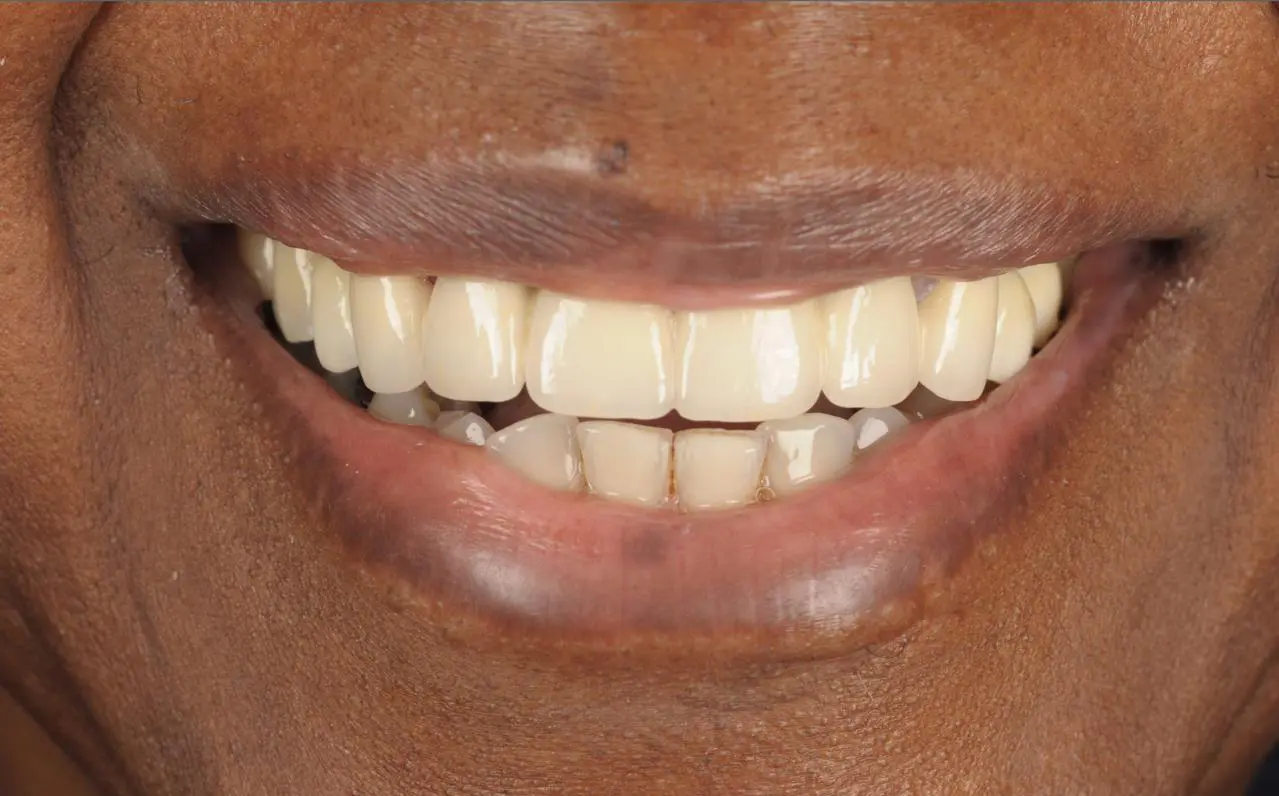
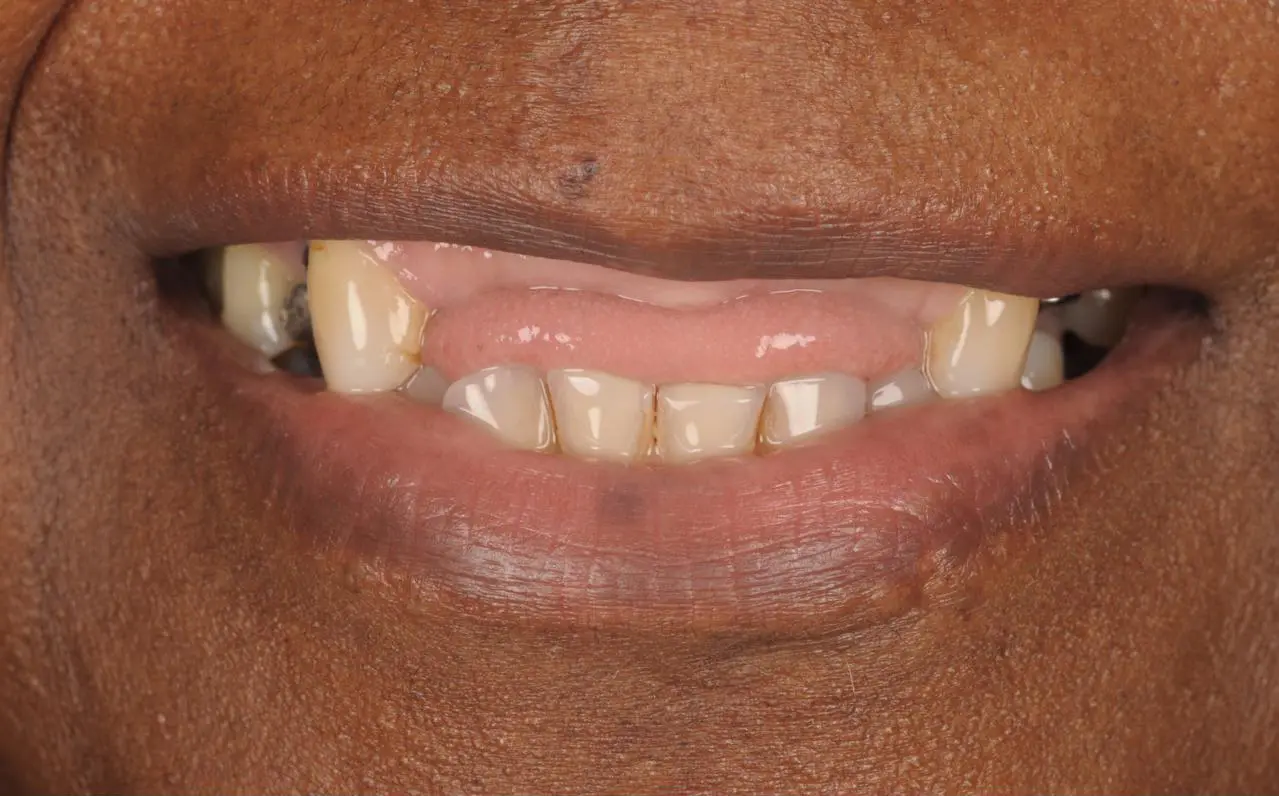
Dental Implants
Dental implant restoration
A missing tooth replaced with a titanium implant and custom porcelain crown.
Treated by Dr Kamran Yazdi
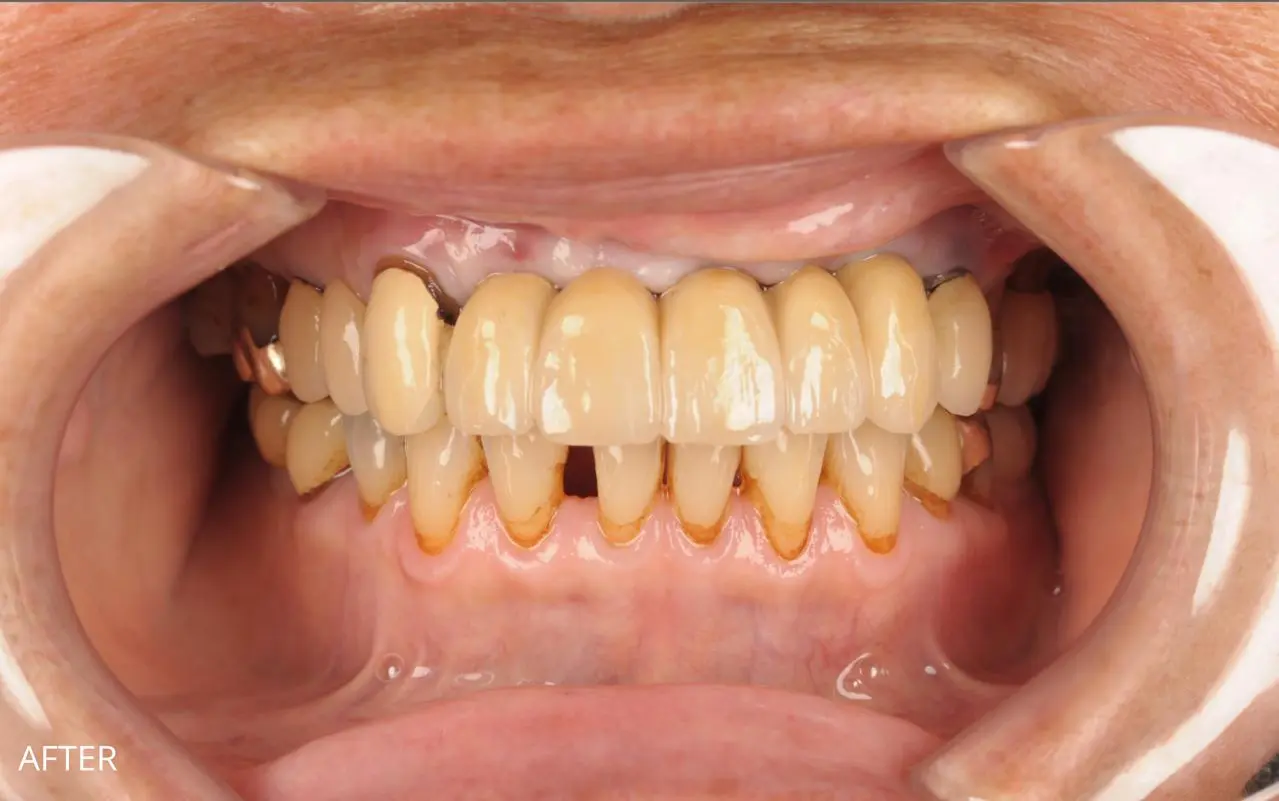
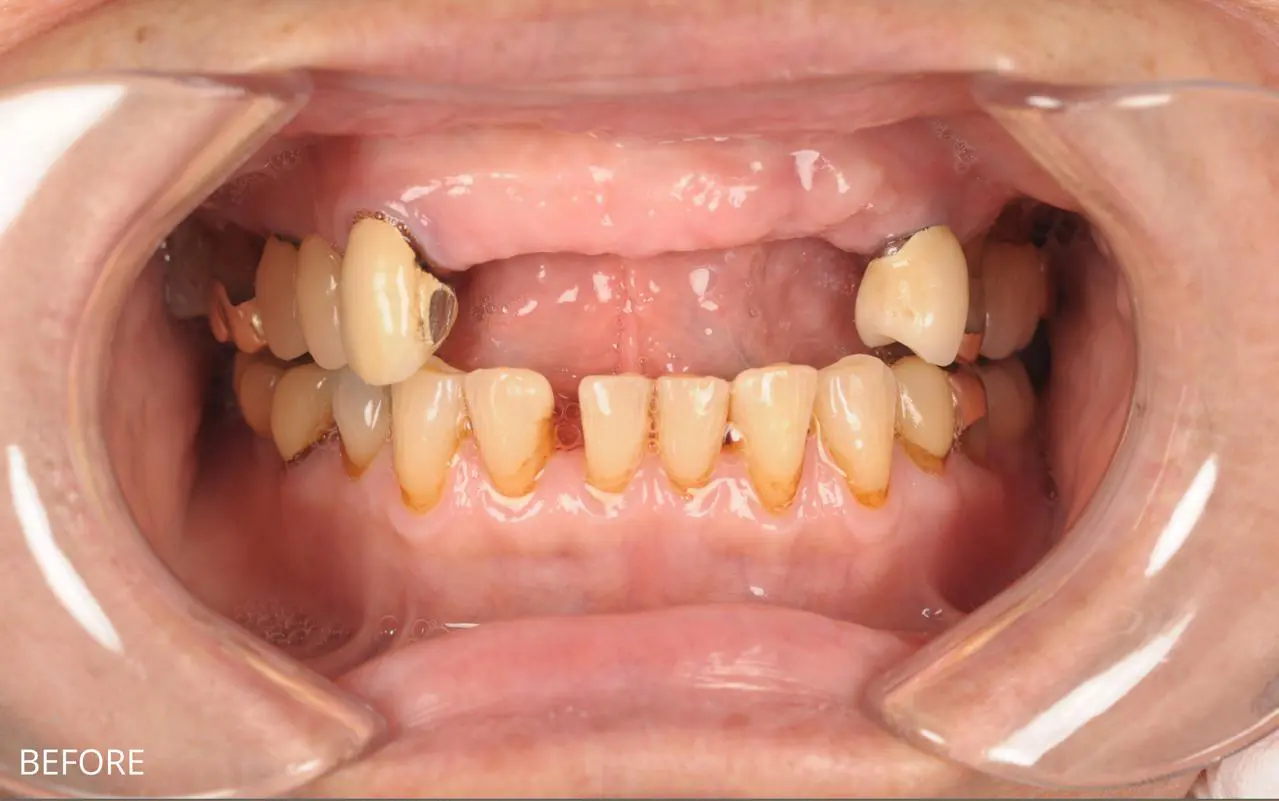
Implant Supported Bridge
Front teeth replaced with an implant-supported bridge
Missing front teeth restored with an implant-supported bridge for a stable, natural-looking result.
Treated by Dr Kamran Yazdi
Watch & learn
Explained by our clinicians
Short, plain-English explainers from our clinicians on dental bridge and closely related treatments.
Dental Implants Explained
Dental Crown Treatment
Root Canal Treatment
Your clinicians
Meet your dentists
Every clinician at our Wimpole Street practice is GDC-registered — numbers published and verifiable on the public register.

Dr Yasha Y Shirazi
Dentist
GDC No. 195843

Dr Kamran Yazdi
Principal Dentist
GDC No. 197926

Dr Andreia Phipps
Dentist
GDC No. 229601

Dr Reza Davari
Dentist
GDC No. 302422

Dr Narges Ameri
Dentist
GDC No. 325081

Dr Ayman Mukhtar
Dentist
GDC No. 302583

Dr Elisabeth Lichtmannegger
Dentist
GDC No. 319325

Dr Niknaz Rostam Yazdi
Dentist
GDC No. 328954

Dr Sam Parsno
Implant Dentist
GDC No. 72207

Jack Button
Dental Hygienist & Therapist
GDC No. 244367
Questions & Answers
Frequently asked questions
Honest answers about dental bridge, costs and what to expect. Everything is explained again in person at your consultation with a GDC-registered dentist.
An implant avoids preparing the neighbouring teeth and preserves bone, but involves minor surgery and a longer timeline. A bridge is quicker and non-surgical. We will set out both with written prices.
Typically 10–15 years with good hygiene, particularly cleaning under the bridge with the aids your hygienist recommends.
The supporting teeth are numbed with local anaesthetic during preparation, and with modern anaesthesia most patients report little discomfort. Mild sensitivity for a few days afterwards is normal.
Yes — bridges can replace two or more adjacent missing teeth in suitable cases, provided the supporting teeth are strong enough to carry the extra load. Your dentist will assess this at consultation.
The false tooth sits against the gum, so the area beneath it needs daily cleaning with superfloss, floss threaders or interdental brushes. Our hygienist will demonstrate the technique that works best for your bridge.
Yes — modern all-ceramic bridges are crafted by UK laboratories and matched carefully to the shade and shape of your natural teeth, so the result blends in seamlessly.
If a supporting tooth develops a problem, options include remaking the bridge, extending it, or moving to an implant-supported solution. We review bridges at every check-up so issues are caught early, and any future options are explained with written prices.
Yes — once you have adjusted over the first week or so, a well-fitted bridge lets you chew comfortably on both sides. It is sensible to avoid using it to bite very hard items such as ice or boiled sweets, just as you would with natural teeth, and your dentist will advise on anything specific to your bite.
Usually two to three visits at our Wimpole Street practice: a consultation with X-rays and planning, a preparation appointment of around an hour, and a shorter fit appointment one to two weeks later. We are a short walk from Bond Street and Oxford Circus stations, so appointments are easy to fit around work for patients across London.
For many anxious patients, yes. There is no surgery involved, the supporting teeth are fully numbed during preparation, and we use digital scanning rather than impression putty wherever possible, which patients with a sensitive gag reflex usually find much easier. Tell us about your anxiety when you book and we will allow extra time, explain each step and work at your pace. Many nervous patients find that once the first visit is behind them, the rest of the treatment feels straightforward — and having the gap finally closed is often a considerable relief in itself. If it would help, you are welcome to book a no-treatment consultation first, simply to talk the process through with your dentist before deciding anything.
Yes — Wimpole Dental is regulated by the Care Quality Commission (CQC), and every clinician is registered with the General Dental Council (GDC), with numbers you can verify on the public register. You'll be treated by a named, experienced clinician working to current professional standards — never a rotating locum.
You'll always receive a written, itemised quote before any treatment begins. New patients start with a £30 consultation; flexible payment options may be available — ask at your consultation.
That's very common and completely understood. Your dentist will explain each step in plain English, work at your pace and never pressure you to proceed. Let us know how you feel when you book and we'll make your visit as calm and comfortable as possible.
Sources & further reading
External links open in a new tab. This page was clinically reviewed by a GDC-registered dentist; it is general information, not a substitute for an in-person consultation.
Find Us
Dental Bridge on Wimpole Street, London
Contact
020 7183 0692Opening hours
- Monday9:00am – 6:00pm
- Tuesday9:00am – 8:00pm
- Wednesday9:00am – 6:00pm
- Thursday9:00am – 8:00pm
- Friday8:00am – 5:00pm
- Saturday10:00am – 4:00pm
- SundayClosed
Related
More restorative dentistry
Restorative Dentistry
Dental Implants
Dental Implants
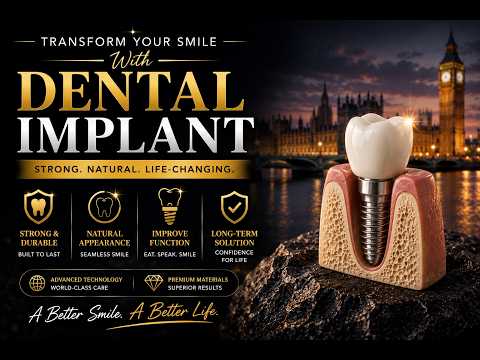
Titanium implants with custom porcelain crowns to replace missing teeth — planned in 3D and placed in-house.

Restorative Dentistry
Dental Crowns
Dental Crowns
Lab-crafted porcelain, zirconia or e.max crowns that protect and restore damaged or root-treated teeth.
Maryland Bridge
A minimally invasive, wing-bonded bridge — often ideal for replacing a single missing front tooth.
Book Today
Ready to start your smile journey?
Book a £30, no-obligation consultation. You'll leave with a written, itemised plan — and clarity on cost, timeline and options.
22 Wimpole St, London W1G 8GQ · CQC regulated · GDC-registered clinicians