Composite Bonding at Home: Risks, Safety and Alternatives
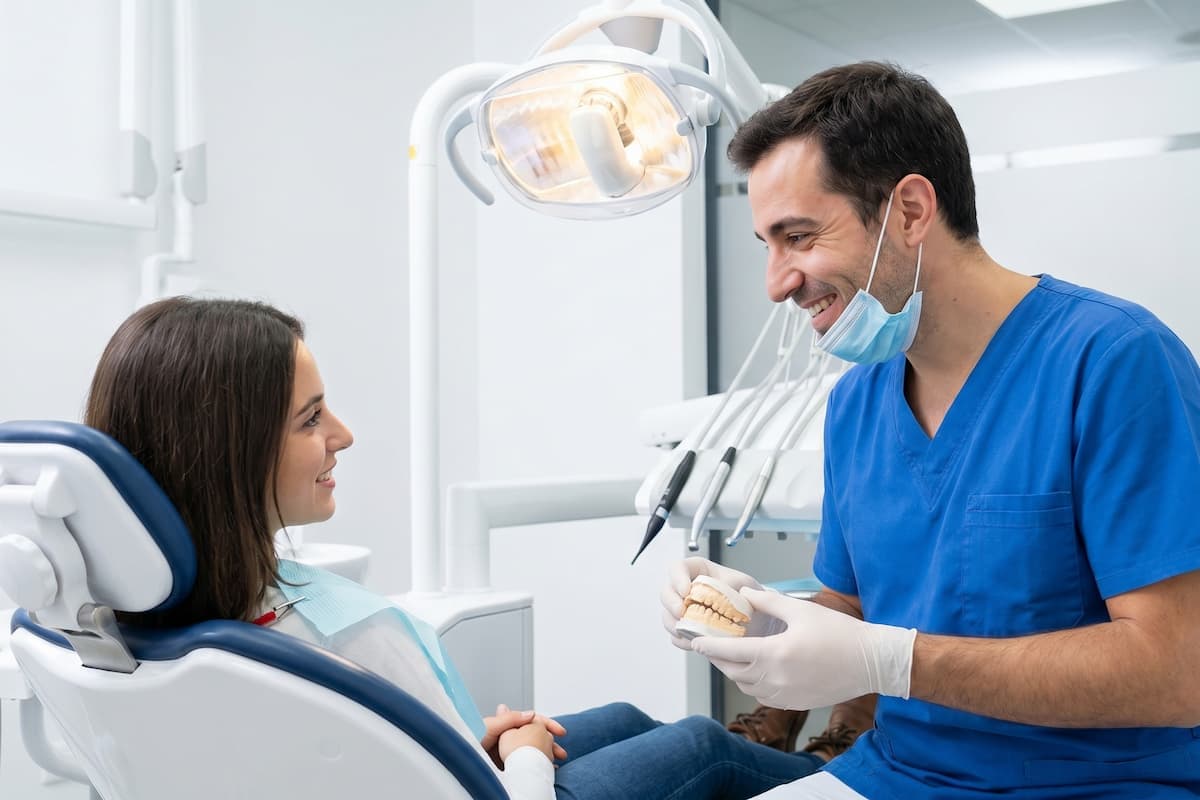
The appeal of a DIY approach to cosmetic dentistry is understandable. With composite bonding kits appearing online and the cost of professional dental treatment a genuine concern for many people, it is natural to wonder whether composite bonding at home could be a reasonable option. This article explores what composite bonding actually involves, why the professional process differs significantly from anything available in a kit, and what safer alternatives are available if you are looking to improve your smile.
What Is Composite Bonding?
Professional composite bonding is a cosmetic dental procedure in which a tooth-coloured composite resin material is applied directly to the surface of one or more teeth. It is used to address a range of aesthetic concerns, including chips, cracks, minor gaps, discolouration, irregular tooth shape and slight misalignment. Because it is applied directly to the tooth, results depend heavily on careful planning and technique.
The composite resin used in clinical settings is a carefully formulated dental material, selected according to shade, translucency and the specific requirements of each tooth. The dentist applies the material in layers, shaping and sculpting it before hardening it with a curing light. The result is then carefully polished and adjusted to fit naturally within the patient's bite.
Composite bonding is a minimally invasive procedure, and in many cases requires little or no removal of natural tooth structure. However, achieving a result that is both aesthetically pleasing and clinically sound requires skill, appropriate equipment and a thorough understanding of dental anatomy.
Can You Do Composite Bonding at Home?
Composite bonding at home — in the sense of attempting to replicate a professional cosmetic dental procedure — is not something that can be safely or effectively carried out without appropriate clinical training and equipment.
Consumer products marketed as tooth bonding kits, filling repair materials or cosmetic dental kits exist and are available to purchase online. These are not the same as the materials used in a dental practice, and they are not applied in the same way. Some may offer very temporary cosmetic concealment of minor imperfections, but they are not substitutes for professional treatment and carry a number of significant risks.
The General Dental Council (GDC) regulates dental professionals in the UK and sets clear standards for how dental treatments — including cosmetic procedures — should be carried out. Composite bonding, as a clinical procedure, falls within the scope of regulated dental practice.
Why DIY Tooth Bonding Can Be Dangerous
Understanding why tooth bonding at home carries risks requires a brief look at what a professional dentist actually does during the procedure.
Before any composite resin is placed, a dentist will:
• Examine the tooth and surrounding teeth thoroughly
• Assess the health of the gums and surrounding tissues
• Evaluate the patient's bite and occlusion
• Select the appropriate composite shade and material type
• Prepare the tooth surface precisely to ensure correct adhesion
• Apply bonding agents in the correct sequence
• Build up the composite in layers, curing each stage
• Adjust the finished restoration to ensure the bite is correct
• Polish the surface to a smooth, natural finish
Each of these steps matters. Skipping or approximating any of them introduces risk.
Potential risks associated with DIY dental bonding include:
• Poor adhesion: Without appropriate tooth preparation and bonding agents, the material may not adhere correctly, leaving gaps between the product and the natural tooth where bacteria can accumulate.
• Incorrect bite alignment: If the applied material is too thick or unevenly shaped, it can alter the way the teeth meet. Even minor bite discrepancies can lead to discomfort, jaw strain or damage to adjacent teeth over time.
• Enamel damage: Some consumer kits may include abrasive or acidic components. Inappropriate use on enamel — the protective outer layer of the tooth — may cause surface damage that is not reversible.
• Gum irritation: Poorly finished margins or materials that extend onto the gum tissue can cause localised irritation, inflammation or longer-term gum health concerns.
• Plaque accumulation: Rough or poorly adapted edges provide ideal surfaces for plaque to build up, increasing the risk of decay and gum disease around the treated tooth.
• Difficulty with removal: Some consumer products, once set, may be difficult to remove without professional intervention. Attempting self-removal risks damaging the underlying tooth structure.
It is important to note that the degree of risk depends on the specific product, how it is applied and individual circumstances. However, none of the consumer options currently available replicate the clinical safety profile of professional composite bonding.
Composite Bonding at Home vs Professional Dental Treatment
The table below outlines the key differences between attempting tooth bonding at home and receiving professional composite bonding from a qualified dental professional. This comparison is not intended to suggest that professional composite bonding is without limitation — all dental treatments carry some degree of risk, and seeing the clinical steps in how bonding is carried out can help explain why outcomes differ. The point is that those risks are assessed, managed and minimised within a regulated clinical environment.
This comparison is not intended to suggest that professional composite bonding is without limitation — all dental treatments carry some degree of risk. The point is that those risks are assessed, managed and minimised within a regulated clinical environment.
Can You Buy Composite Resin for Teeth at Home?
Dental composite resin — the actual material used in professional cosmetic bonding — is a prescription-category dental product in the UK context and is not intended for self-application by members of the public. It requires specific preparation, application techniques and curing equipment to function correctly.
However, a range of consumer products exist that are marketed for temporary tooth repair, filling gaps or improving the appearance of teeth at home. These may contain materials that superficially resemble dental composites but are formulated differently and are not equivalent to clinical-grade materials.
If you have come across products online that claim to allow you to do composite bonding at home, it is worth approaching them with caution. Temporary cosmetic repair products exist and may serve a very short-term purpose in limited circumstances — such as covering a chipped tooth before a dental appointment — but they are not a replacement for professional assessment or treatment.
If you are unsure about a product you have already purchased or used, speaking with a dental professional is always the most sensible course of action.
Permanent Damage from DIY Dental Bonding
One of the more serious concerns associated with DIY dental bonding is the potential for lasting harm to natural tooth structure.
If a consumer product is incorrectly applied, it may adhere poorly and require removal before professional treatment can be carried out. Attempting to remove it without professional help — for example, by picking or scraping — risks scratching or chipping the underlying enamel.
If the material sets in a way that disrupts bite alignment, there is a possibility of increased wear on adjacent teeth over time. Patterns described in bonding chipping risks show how even small bite changes can concentrate force on a single edge. Where products cause gum irritation or trap plaque beneath poorly adapted edges, there is a risk of contributing to localised decay. That kind of irritation may also worsen gum bleeding and tenderness.
It is also worth noting that if a DIY product has already been applied to a tooth, a dentist will need to assess it carefully before beginning any professional treatment. This may add complexity and cost to subsequent care.
None of this is intended to cause alarm. Many people who have used temporary repair products will not experience serious complications. However, the possibility of harm — even if uncommon — is a clinically legitimate reason to avoid attempting composite bonding at home.
Safe Alternatives to Composite Bonding at Home
If you are interested in improving your smile but are hesitant about professional dental treatment — whether due to cost, anxiety or uncertainty — there are some important considerations.
A professional dental assessment is always the appropriate starting point. Many dental practices, including those offering cosmetic treatments, offer initial consultations during which a dentist can explain which options are suitable for your individual circumstances, what each involves, and what the realistic outcomes and costs are.
Professional composite bonding remains one of the most accessible and minimally invasive cosmetic dental options available. It does not typically require significant tooth preparation and can address a wide range of minor aesthetic concerns in a single or small number of appointments.
Teeth whitening may be appropriate if the primary concern is discolouration rather than the shape or alignment of teeth. Professional whitening, carried out or supervised by a dental professional, is the safest and most effective approach. Home whitening using trays provided by a dentist is also an established option — but over-the-counter whitening products are not equivalent and may not be suitable for everyone.
Other cosmetic options such as porcelain veneers or Invisalign may be more appropriate depending on the nature of the concern. A dentist can advise on what is clinically indicated in your specific case.
For concerns that are very mild or entirely cosmetic in nature, it is also worth considering that not all imperfections require treatment. A dentist can help you understand whether any treatment is genuinely necessary or beneficial.
How Does Professional Composite Bonding Work?
Professional composite bonding typically takes place over one or two appointments, depending on the number of teeth involved and the complexity of the case.
At the initial consultation, the dentist will assess your dental health. You can discuss your concerns and aesthetic goals, and a clinical assessment with our clinicians helps confirm whether composite bonding is suitable for you. Some patients may require prior treatment — for example, for active gum disease or decay — before cosmetic work can begin.
During the bonding appointment, the tooth surface is lightly prepared to improve adhesion. A bonding agent is applied, followed by the composite resin in carefully built-up layers. Each layer is hardened using a curing light. The dentist then shapes and refines the composite, checks the bite, and polishes the surface to a natural finish.
Results can typically be seen immediately, and most patients experience minimal discomfort. The procedure is reversible in many cases, as it often does not require the removal of significant tooth structure.
How to Maintain Composite Bonding at Home
If you have received professional composite bonding, appropriate care at home will help to extend the life of your results and protect your overall dental health.
How to Clean Composite Bonding
• Brush twice daily using a soft-bristled toothbrush and a fluoride toothpaste. Avoid highly abrasive whitening toothpastes, as these may gradually dull the surface of composite resin.
• Floss daily to clean between the teeth and around the edges of the bonding, reducing the risk of plaque accumulation.
• Use a non-alcoholic mouthwash if appropriate — alcohol-based rinses may affect the surface of composite resin over time.
Foods, Drinks and Habits
Composite resin can stain more readily than natural enamel, particularly in the first 48 hours after treatment when it is at its most porous. It is generally advisable to:
• Limit consumption of strongly pigmented foods and drinks such as coffee, red wine, tea, berries and tomato-based sauces.
• Avoid smoking, which significantly increases the risk of staining and affects overall oral health.
• Avoid biting directly into very hard foods — such as crusty bread, ice or hard sweets — which can chip the bonding.
• Avoid using your teeth as tools, for example to open packaging.
• If you grind your teeth at night, speak to your dentist about a protective night guard.
Routine Dental Care
Regular dental examinations — at the interval recommended by your dentist — are important. Your dentist can monitor the condition of your composite bonding, polish it if needed and identify any early signs of wear or damage before they become more significant.
Can You Whiten Composite Bonding at Home?
This is an important question, and the answer requires some care.
Composite resin does not respond to conventional tooth whitening in the same way as natural enamel. Standard whitening products — whether professional or over-the-counter — work by oxidising organic pigments within the tooth structure. Composite resin does not have the same structure as enamel and will not lighten in the same way. Concerns about tooth whitening enamel safety often come up when patients combine cosmetic procedures.
This means that if you whiten your natural teeth after having composite bonding placed, your natural teeth may become lighter while the composite remains the same shade. This can result in a visible mismatch.
For this reason, it is important to discuss any whitening plans with a dentist before having composite bonding carried out, so that the shade of the bonding can be matched appropriately to a whitened smile.
If you already have composite bonding and wish to whiten your teeth, speaking to your dentist first is essential. Abrasive home whitening products may also damage the surface of composite resin rather than improving its appearance.
Learn more about professional teeth whitening options and how to plan cosmetic treatment in the right sequence.
Thinking About Composite Bonding? Speak to a Professional First
If you are considering improving your smile — whether you are interested in composite bonding, whitening or another cosmetic option — a professional consultation is the safest and most informative starting point.
At Wimpole Dental, our clinical team can help you understand which options are suitable for your dental health and aesthetic goals, and answer any questions you may have about the process, costs and expected outcomes.
You can find out more about our cosmetic dentistry services or read about composite bonding in more detail on our website.
Frequently Asked Questions
1. Can I use a DIY composite bonding kit on my teeth?
Consumer kits marketed for home tooth bonding are not the same as the materials or techniques used in professional dental practice. While some products may offer very temporary cosmetic concealment, they carry a range of risks including poor adhesion, bite disruption and enamel damage. They are not a safe or clinically equivalent alternative to professional composite bonding.
2. Can DIY tooth bonding damage enamel?
Yes, it is possible. Some consumer products may contain abrasive or acidic components, and the process of removing incorrectly applied material — particularly if done at home — risks scratching or chipping the underlying enamel. Enamel does not regenerate, so any damage is permanent. If you have concerns after using a home product, seeking professional dental advice is advisable.
3. Can a dentist remove composite bonding applied at home?
A dental professional can assess and, in most cases, remove consumer dental products that have been applied at home. However, the process may be more complex than removing professionally applied composite bonding, particularly if the product has set poorly or is covering an area of the tooth that requires careful treatment. Early professional assessment is always preferable to attempting self-removal.
4. Is dental composite resin available to the public in the UK?
Professional-grade dental composite resin is not intended for use by members of the public and requires clinical training, specific equipment and appropriate bonding agents to be applied safely and effectively. Some consumer products marketed online may superficially resemble dental composites but are not equivalent in formulation, safety profile or clinical performance.
5. Can I repair chipped composite bonding at home?
Attempting to repair chipped composite bonding at home is not advisable. A chip in professional bonding is best assessed by your dentist, who can determine whether the chip is purely cosmetic or whether the underlying tooth structure has been affected. In many cases, a repair can be carried out quickly and simply at the practice.
6. Does professional composite bonding need regular professional maintenance?
Yes. While composite bonding is relatively durable, it benefits from professional review at your regular dental check-ups. Your dentist can polish the surface, check the margins and identify any early signs of wear or staining. The lifespan of composite bonding varies depending on the location of the bonding, your oral habits and how well you maintain it at home.
7. Can whitening toothpaste damage composite bonding?
Highly abrasive whitening toothpastes may gradually dull or scratch the polished surface of composite resin, making it more susceptible to staining over time. A standard fluoride toothpaste used with a soft toothbrush is generally more appropriate for maintaining bonded teeth. If you are unsure which products to use, your dental team can advise.
8. Why does composite resin not respond to whitening treatments?
Composite resin is a synthetic material with a different molecular structure to natural tooth enamel. Standard whitening agents work by penetrating the enamel and oxidising discolouring compounds within the tooth structure — a process that does not occur in the same way with composite resin. This is why whitening treatments will lighten natural teeth but not composite bonding, potentially creating a shade mismatch.
9. What should I do if I am worried about the cost of professional composite bonding?
It is entirely reasonable to have questions about the cost of cosmetic dental treatment. Many practices offer an initial consultation at which you can discuss options, expected costs and any available payment arrangements. It is worth exploring what is clinically appropriate for your situation before making any decisions — and always preferable to exploring professional options rather than attempting DIY approaches that may ultimately cost more to correct.
10. Are there any cosmetic dental options that do not involve composite bonding?
Yes. Depending on your specific concerns, there may be a range of suitable options, including professional teeth whitening, orthodontic treatment or porcelain veneers. The most appropriate option depends entirely on individual clinical assessment. A consultation with a dental professional is the best way to understand what is available and suitable for your circumstances.
Disclaimer
This information is for general education and does not replace a personalised dental assessment. DIY bonding products can hide problems such as decay or gum inflammation and may make later treatment more complex. If you have pain, swelling, bleeding, or a chipped or loose tooth, seek professional advice promptly. For urgent symptoms such as rapidly increasing swelling or difficulty swallowing, contact emergency services. Always follow the guidance of your own clinician.
Written Date: 2026-11-13 | Next Review Date: 2027-11-13
Written by Wimpole Dental Editorial Team · reviewed by Wimpole Dental Clinical Team
This article is general information, not personal clinical advice. For a diagnosis and a plan tailored to you, book a consultation with a GDC-registered dentist.
Related treatments at our Wimpole Street practice