How Much Does Composite Bonding Cost in London?
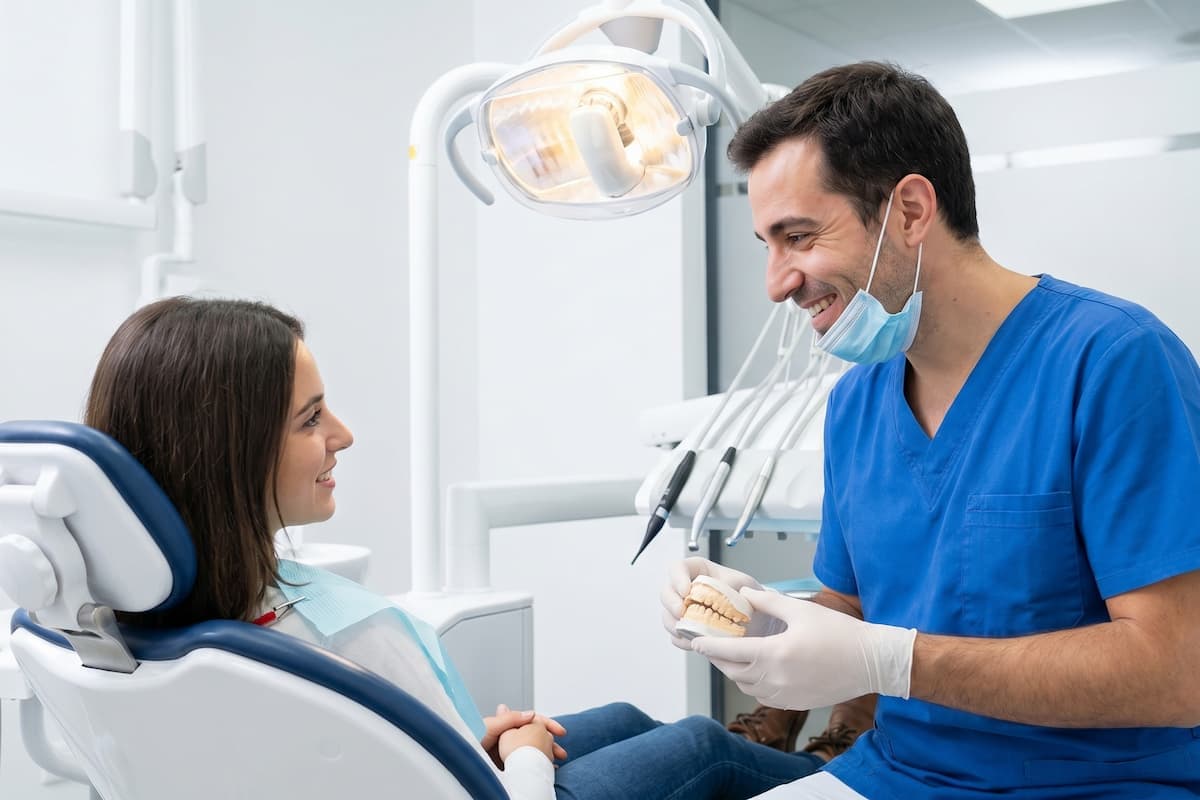
If you are considering improving the appearance of your teeth, composite bonding is one of the most widely discussed cosmetic dental treatments available at private practices across London. Before arranging a consultation, it is entirely reasonable to want a clearer picture of what the treatment might cost and why prices can differ so significantly between practices.
This guide explains how composite bonding cost in London is typically structured, what factors influence the final fee, and what patients should consider when comparing written quotes.
Understanding How Composite Bonding Is Priced
Unlike some dental treatments that carry a single fixed fee, composite bonding is almost always priced according to the scope of treatment required for the individual patient. Most private practices in London calculate their fees on a per-tooth basis, meaning the total cost rises in proportion to the number of teeth involved.
This is important to understand early in your research, because advertised starting prices — which you will commonly see on practice websites — typically reflect the minimum cost for treating a single tooth under straightforward circumstances. They rarely represent what most patients will pay for a full-smile result.
Understanding this distinction can save you from unexpected surprises when you receive a formal written treatment plan.
What Does Composite Bonding Cost Per Tooth?
The cost of composite bonding per tooth at a private London practice will depend on the individual clinical requirements for that tooth, not simply its location in the mouth. That said, as a general illustration of how per-tooth pricing works in the London private dental market:
• Single tooth: Fees can vary from approximately £150 to £400 or more per tooth, depending on the practice and the complexity involved.
• Minor chip repair: A straightforward small repair may sit toward the lower end of the fee range.
• Significant reshaping or cosmetic contouring: More involved work — including closing gaps, altering tooth proportions, or addressing several surfaces — tends to attract higher fees.
Published private dental fees vary between practices, and these figures reflect general market context rather than any specific guaranteed price. Always request a written fee estimate following a full assessment.
What Affects the Cost of Composite Bonding?
Several clinical and practical factors can influence the final composite bonding price, and understanding them helps patients interpret quotes more confidently.
Number of Teeth Being Treated
Because composite bonding is predominantly priced per tooth, the total number of teeth included in the treatment plan is the single most significant cost driver. A treatment plan involving six teeth will naturally cost more than one addressing two teeth, even if the per-tooth fee is identical.
Complexity of the Reshaping Required
Some composite bonding cases are relatively straightforward — for example, restoring a small chip on an otherwise healthy tooth. Others involve more extensive reshaping, such as building up worn edges, closing spaces between teeth, or altering the length or width of several teeth to create a balanced smile. Greater complexity generally requires more clinical time and composite material, which is typically reflected in the fee.
Amount of Composite Resin Used
The volume of composite resin material required varies from tooth to tooth and patient to patient. Treatments requiring larger amounts of material — whether to restore significant wear or to build up tooth structure — may involve higher material costs, which can be reflected in the overall fee.
Existing Oral Health and Dental Conditions
Before cosmetic composite bonding proceeds, a dentist will assess the overall health of your teeth and gums. If decay, gum disease, or other dental problems are present, these may need to be addressed first. Any preparatory dental treatment would typically be charged separately and could add to the overall cost of improving your smile.
Existing Restorations
If the teeth being treated already have fillings, crowns, or other restorations, this may affect the complexity of the bonding work and potentially the clinical approach taken.
The Practice Fee Structure
Private dental practices set their own fees in line with their clinical costs, team expertise, equipment, and location. Practices based in central London — particularly in areas such as Marylebone or the West End — may operate with higher overhead costs than those in outer boroughs, and this can be reflected in their published fees. A higher fee does not automatically indicate better treatment, nor does a lower fee indicate lesser quality. What matters is the clinical competence of the treating dentist and the suitability of the treatment plan for your individual circumstances.
How Much Could Multiple Teeth Cost?
To help illustrate how per-tooth pricing accumulates, consider the following as a general framework — noting that actual fees will depend on individual clinical assessment:
Important: These are illustrative structures only. They do not represent fixed prices and should not be used to estimate your personal treatment cost without a clinical consultation. Composite bonding full-smile costs depend entirely on individual factors.
For a broader smile makeover involving ten or more teeth, the total investment across composite bonding treatment can be considerable, and it is worth discussing whether a phased treatment plan — treating teeth in stages over time — might be an option worth exploring with your dentist.
What May Be Included in a Composite Bonding Fee?
The components included within a quoted composite bonding fee can differ between practices. Before agreeing to treatment, it is worth clarifying precisely what the quoted price covers. Some practices include the following within their composite bonding fees:
• Clinical assessment and treatment planning time
• Composite resin materials
• Shade selection and matching
• Application, shaping, and finishing of the composite
• Post-treatment review or check appointment
Other practices may charge these elements separately or list them as additional fees. There is no universal industry standard, which is why requesting a clear, itemised written treatment plan before proceeding is important.
Could Additional Dental Treatment Affect the Total Cost?
Yes — and this is a consideration that patients sometimes overlook when comparing initial quotes.
If a clinical examination reveals that your teeth or gums require attention before composite bonding can be safely placed, your dentist may recommend treatment such as:
• Professional cleaning or hygiene treatment
• Management of gum inflammation
• Decay removal and restoration
• Tooth whitening prior to shade-matching
Teeth whitening is particularly relevant. Because composite resin is shade-matched at the time of application and cannot be whitened afterwards, some dentists recommend completing a whitening course before commencing composite bonding. If this is recommended, it would represent an additional cost alongside the bonding treatment itself.
None of these additional steps should be presented as compulsory without clinical justification, and the General Dental Council (GDC) expects that patients receive clear, honest information about any recommended treatment and its associated costs.
Why Do Composite Bonding Prices Vary Between London Practices?
It is entirely normal to receive different quotes from different London practices for what appears to be the same treatment. This can feel confusing, but there are several legitimate reasons why fees vary:
• Practice location and overhead costs differ across London
• Dentist experience and postgraduate training in cosmetic dentistry varies
• Treatment scope may be interpreted differently following assessment
• Materials used may differ in grade or brand
• Inclusions within the fee may not be equivalent
• Number of teeth recommended for treatment may differ based on clinical judgement
Comparing quotes on price alone is therefore difficult and potentially misleading. A lower headline price may reflect a more limited scope of treatment rather than better value. Equally, a higher price does not automatically guarantee a superior clinical outcome.
Composite Bonding vs Veneers: A Brief Cost Consideration
Patients researching composite bonding often compare it financially with porcelain veneers. Both treatments can improve the appearance of teeth, but they differ in material, procedure, and cost.
Composite bonding uses tooth-coloured resin applied directly to the tooth surface by the dentist in a single appointment. It is generally less expensive per tooth than porcelain veneers and is considered reversible in most cases, as it typically requires minimal or no removal of natural tooth structure.
Porcelain veneers are thin ceramic shells custom-made in a dental laboratory and bonded to the front surface of teeth. They are generally more costly per tooth than composite bonding, require at least two appointments, and involve irreversible preparation of the natural tooth in most cases.
As a broad comparison, composite bonding is usually the more accessible option from a cost perspective — though porcelain veneers may offer certain aesthetic and longevity advantages that a dentist can discuss with you based on your individual clinical circumstances.
Neither treatment is universally superior, and the right choice depends on clinical suitability, aesthetic goals, and personal circumstances — not cost alone.
Is a Dental Consultation Charged Separately?
Many private practices in London charge separately for an initial consultation or smile assessment, though this varies. Some practices offer complimentary initial consultations for cosmetic enquiries; others charge a consultation fee that may or may not be offset against treatment costs if you proceed.
It is worth confirming with any practice before attending:
• Whether the consultation carries a fee
• What the consultation includes (e.g., clinical examination, photographs, shade assessment, treatment discussion)
• Whether a written treatment plan and fee breakdown will be provided
A thorough consultation is genuinely valuable. It gives both you and your dentist the opportunity to discuss your concerns, assess clinical suitability, and ensure that composite bonding is the right treatment for your individual circumstances.
How to Compare Composite Bonding Quotes Responsibly
If you are gathering quotes from more than one practice, the following approach may help you make a more meaningful comparison:
1. Request a written treatment plan from each practice, clearly setting out what is included and what is not
2. Confirm whether the quoted fee is per tooth or for a defined scope of treatment
3. Ask whether additional treatment may be required before composite bonding can proceed
4. Enquire about maintenance, repair costs, and follow-up appointments
5. Ask whether the dentist holds postgraduate training or recognised qualifications in cosmetic dentistry
6. Check whether finance or payment plans are available if the total cost is a consideration
London dental fees can change over time, and published pricing information on websites may not always reflect the most current fees. Always confirm costs directly with the practice before committing.
Considering Finance for Composite Bonding in London
Many private dental practices in London offer patient finance options, allowing the cost of composite bonding treatment to be spread across monthly payments. If this is a consideration for you, ask the practice directly about the finance arrangements available, including the representative APR, total repayable amount, and whether the finance is regulated by the Financial Conduct Authority (FCA).
Finance options can make treatment more accessible, but it is important to understand the full terms before agreeing to any credit arrangement.
When Is a Clinical Assessment Needed?
A formal clinical examination is always necessary before any composite bonding treatment can be recommended or priced accurately. No reputable dentist can provide a reliable, personalised fee without first assessing your teeth, gums, bite, and overall oral health.
If you are considering composite bonding and would like to understand whether it may be suitable for your circumstances, the first step is to arrange an appropriate dental assessment with a qualified dental practitioner — ideally one with experience in cosmetic dentistry.
Frequently Asked Questions
1. How much does a single tooth of composite bonding cost in London?
Private composite bonding fees for a single tooth in London can vary broadly depending on the practice and the complexity of treatment required. As a general market illustration, fees may range from approximately £150 to £400 or more per tooth. This should always be confirmed in writing by the treating practice following a clinical assessment, as no published range represents a universal or guaranteed fee.
2. Is composite bonding always priced per tooth?
In most London private practices, composite bonding is priced on a per-tooth basis, meaning the total cost reflects the number of teeth included in the treatment plan. However, some practices may offer a fixed price for defined treatment packages — for example, a full upper arch — so it is worth confirming the pricing structure when requesting a quote.
3. Will I need teeth whitening before composite bonding, and does that add to the cost?
Some dentists recommend completing a course of teeth whitening before having composite bonding applied, because the resin shade is matched to your natural tooth colour at the time of treatment and cannot be whitened once placed. If whitening is recommended, it would be charged separately and would add to the overall cost of your smile treatment. Your dentist should explain the clinical reasoning for any such recommendation.
4. Can I have composite bonding repaired if it chips or wears over time?
Composite bonding can chip or wear over time with normal use, and repairs are generally possible. Repair costs will vary depending on the extent of the damage and the practice's fee structure. It is worth asking your dentist about the likely need for maintenance and what repair fees might look like before you commit to treatment.
5. Are there any hidden costs I should ask about?
When receiving a composite bonding quote, it is worth specifically asking whether the fee includes: the consultation and clinical assessment, any photographs or records taken, shade matching, the bonding appointment itself, finishing and polishing, and any follow-up review appointment. Practices may handle these elements differently, so clarifying inclusions upfront helps you compare quotes accurately.
6. Does the consultation for composite bonding always cost money?
This varies between practices. Some London practices offer complimentary initial consultations for cosmetic enquiries, while others charge a consultation fee which may or may not be deducted from the treatment cost if you proceed. It is worth asking when you make an enquiry so that there are no unexpected charges.
7. Is composite bonding available on the NHS?
Composite bonding for purely cosmetic reasons is not available on the NHS, as NHS dentistry covers clinically necessary treatment. If bonding is required for a clinical reason — such as restoring a structurally damaged tooth — NHS charges would follow the standard NHS dental charge bands. Cosmetic composite bonding, such as reshaping healthy teeth for aesthetic purposes, is provided only by private practices.
8. How does the cost of composite bonding compare with porcelain veneers?
Composite bonding is generally less expensive per tooth than porcelain veneers. Porcelain veneers require laboratory fabrication and typically involve at least two appointments, which contributes to a higher per-tooth cost. However, both treatments have different clinical considerations and longevity profiles, and cost should be only one factor when discussing which option may be appropriate for your circumstances with a qualified dentist.
9. Is composite bonding suitable for everyone?
Composite bonding is not suitable for all patients. A dentist will assess factors including your bite, oral health, existing restorations, tooth structure, and aesthetic goals before recommending treatment. In some cases, an alternative treatment may be more appropriate. This is why a proper clinical assessment is always the necessary first step before any commitment.
10. Can I spread the cost of composite bonding through a finance plan?
Many private dental practices in London offer regulated patient finance options that allow you to spread the cost of treatment over monthly payments. If this is relevant to you, ask the practice for full details of the finance terms, including the APR, total repayable amount, and whether the arrangement is regulated by the Financial Conduct Authority (FCA). Understanding the full financial commitment before agreeing to any payment plan is important.
11. Thinking About Composite Bonding? A Sensible Next Step
If you are considering composite bonding and would like to understand what treatment might involve for your specific circumstances, arranging a professional dental assessment is the most meaningful next step. A qualified dentist can examine your teeth and gums, discuss your concerns and goals, outline whether composite bonding may be suitable, and provide you with a clear written treatment plan and fee estimate — giving you the information you need to make a fully informed decision, without any pressure to proceed.
At Wimpole Dental, our team is available to discuss your cosmetic dental enquiries and help you understand your options clearly.
Dental Disclaimer
The information provided in this article is intended for general educational and informational purposes only. It does not constitute professional dental advice, diagnosis, or a personalised treatment recommendation. Composite bonding costs, clinical suitability, and treatment requirements vary between individuals and can only be accurately determined following a thorough clinical examination by a qualified dental professional registered with the General Dental Council (GDC). The price ranges and cost structures referenced in this article are provided as general market context and do not represent guaranteed, fixed, or universally applicable fees. All treatment decisions, including those relating to cost, suitability, and clinical approach, should be made in discussion with a qualified dental practitioner who is able to assess your individual circumstances. If you have concerns about your dental health, please seek advice from a registered dental professional.
Written Date: 28 September 2026 Next Review Date: 28 September 2027
Written by Wimpole Dental Editorial Team · reviewed by Wimpole Dental Clinical Team
This article is general information, not personal clinical advice. For a diagnosis and a plan tailored to you, book a consultation with a GDC-registered dentist.