Cost of Invisalign: UK Prices, Finance and Options
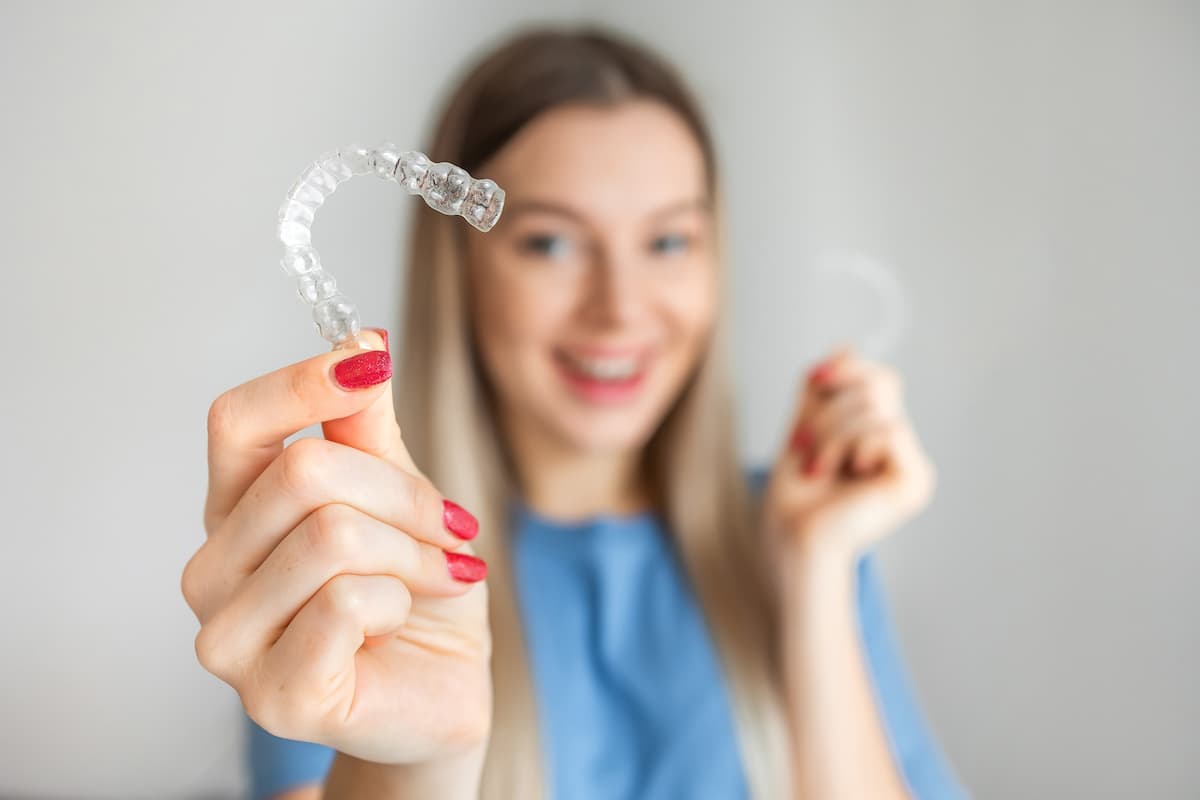
Understanding the cost of Invisalign is one of the most common questions patients ask before beginning their teeth-straightening journey. Whether you are considering treatment for the first time or comparing your options across London practices, having clear and honest pricing information is essential to making a confident, well-informed decision.
This article explains the range of Invisalign prices across the UK, what influences those costs, how finance options work, and what you should ask when requesting a quotation from any practice.
Quick Answer: How Much Does Invisalign Cost in the UK?
Invisalign treatment in the UK typically ranges from approximately £1,500 to £5,500 or more, depending on case complexity, the number of aligners required and the practice location. London prices tend to sit at the higher end of this range. Treatment cost varies considerably between individuals — only a clinical assessment can produce an accurate personal quotation.
How Much Does Invisalign Cost in the UK?
The cost of Invisalign in the UK is not fixed to a single national price. It is a privately delivered orthodontic treatment, which means each dental practice sets its own fees based on factors including clinical overheads, clinician experience and geographic location.
Based on published fee information from UK dental practices and information from Invisalign's clinical partners, treatment costs broadly fall within the following ranges:
These are indicative ranges drawn from published practice fees across the UK. They are not guaranteed prices and do not necessarily reflect what you would be quoted following a clinical examination. Treatment plans are tailored to individual clinical requirements, and your actual cost could fall above or below these estimates.
For a full picture of Invisalign treatment at Wimpole Dental, including what is covered during your assessment, it is advisable to book a consultation.
Invisalign Prices in London
Private dental care in London is generally priced higher than the national average, reflecting higher operating costs, clinic locations and practitioner expertise. Invisalign price in London typically starts from around £2,000 for minor cases, with comprehensive treatment commonly ranging between £3,800 and £6,000 or above at established central London practices.
Practices located in areas such as Wimpole Street and the broader West End tend to reflect premium London dental pricing. This does not necessarily indicate better or worse clinical outcomes — it reflects the market in which those practices operate.
When comparing Invisalign costs across London practices, it is important to look at what each quotation includes, not simply the headline figure. A lower price may exclude retainers, refinements or follow-up appointments that another practice bundles into the stated fee.
What Factors Affect the Cost of Invisalign?
Several clinical and practical factors determine the final Invisalign treatment cost for any individual patient.
Clinical Complexity
The more complex your case, the more aligner trays you are likely to require. Greater complexity typically means a longer treatment duration and a higher overall fee. Patients with significant crowding, misalignment or bite issues generally require comprehensive treatment packages.
Number of Aligners
Invisalign treatment involves a series of custom-made aligner trays worn sequentially. Each set moves teeth incrementally. More trays mean a longer course of treatment and a higher material and clinical cost.
Treatment Duration
Shorter treatments, such as those addressing minor spacing concerns, may be completed within a few months. More involved cases can take 18 months to two years. Longer treatment timelines involve more clinical appointments and monitoring, which is reflected in cost.
Clinician Experience and Location
An Invisalign provider's status — whether they are a standard provider, an Invisalign Preferred Provider or an Elite provider — reflects the volume of cases they treat. Higher-tier providers may charge more, though this often reflects greater clinical experience with complex cases.
Inclusions and Package Content
Some practices offer all-inclusive packages that cover retainers, refinements and additional appointments. Others charge for these separately. Always ask what your quoted price includes before committing to treatment.
To explore whether Invisalign is clinically appropriate for your situation, you can read more about who is suitable for Invisalign.
What Should an Invisalign Quotation Include?
Before accepting any quotation, ask the practice to confirm whether the following are included in the stated price:
• Initial dental assessment and clinical records
• Invisalign ClinCheck digital treatment plan
• All aligner trays for the agreed treatment course
• Routine monitoring appointments throughout treatment
• Refinements (additional aligner trays if teeth have not moved as planned)
• Retainers on completion of treatment
• Any necessary attachments (small tooth-coloured bumps bonded to teeth to aid movement)
Not every practice includes all of the above in a single package price. Refinements in particular can represent a significant additional cost if they are not included, particularly in complex cases where tooth movement does not proceed exactly as planned.
Are Cheaper Invisalign Options Worth Considering?
It is natural to look for affordable Invisalign options, and cost is a legitimate consideration. However, it is important to understand what you may be giving up when choosing the cheapest Invisalign provider.
A very low headline price may indicate:
• A shorter treatment package (such as Invisalign Lite) that is only appropriate for minor cases
• Exclusion of retainers, refinements or additional appointments
• Less experienced clinical oversight
• Fewer follow-up appointments included
There is a meaningful difference between a genuinely affordable, well-structured treatment package and a quote that appears cheaper because it excludes essential components. Teeth straightening is a clinical process, and the quality of planning, monitoring and finishing significantly affects outcomes.
If you are comparing prices, compare itemised quotations rather than headline figures.
Invisalign vs Other Clear Aligners: Price Comparison
Invisalign is the most widely recognised brand of clear aligner system, but it is not the only option. Several other clear aligner systems are available in the UK, some at lower price points.
Prices are approximate and vary between practices. These comparisons should not be read as equivalent treatments. Each system has different clinical indications, and the most cost-effective option for you depends on your specific teeth, bite and orthodontic needs.
For a comparison of Invisalign and fixed braces, including clinical considerations beyond cost, further reading is available.
Invisalign Finance: Monthly Payment Options
Many practices offer dental finance to help patients spread the cost of Invisalign treatment into monthly instalments. This can make clear aligner treatment more accessible without requiring a large upfront payment.
Finance arrangements in UK dental practices typically include:
• Interest-free credit over a shorter term (commonly 6–12 months), subject to eligibility
• Interest-bearing finance over longer terms (typically 24–60 months), subject to representative APR
• A deposit payable at the start of treatment (often 10–25% of the total fee)
• A credit assessment as part of the application process
As a transparent illustration: a comprehensive Invisalign treatment costing £4,500 spread over 24 months with a 10% deposit and an interest-bearing arrangement might involve approximately £168 per month — but actual monthly repayments depend on the finance product, APR, deposit amount and individual agreement. You should always ask the practice for a full written finance illustration before agreeing to any arrangement.
Finance is subject to status and not guaranteed to every applicant. Dental finance is a form of regulated credit, and terms vary between practices and finance providers.
To discuss finance options in more detail, it is worth exploring payment plans at Wimpole Dental.
Does Dental Insurance Cover Invisalign?
Dental insurance in the UK varies significantly between policies. Whether your policy contributes to Invisalign treatment depends on:
• Whether your policy includes orthodontic cover — many standard dental plans do not
• The annual limit on orthodontic claims within your policy
• Whether the insurer classifies Invisalign as cosmetic or clinical orthodontics
• Policy exclusions relating to pre-existing conditions or treatment started before the policy commenced
Some comprehensive private dental insurance policies do include a contribution towards orthodontic treatment, but this is often subject to a waiting period, a percentage co-payment and an annual or lifetime benefit cap. It is unlikely to cover the full treatment cost.
If you believe your policy may include orthodontic benefit, contact your insurer directly before beginning treatment and request written confirmation of what will and will not be covered. Do not rely on verbal assurances.
Is Invisalign Available on the NHS?
Invisalign is not routinely available through NHS orthodontic treatment. NHS orthodontic care in England is provided at a fixed Band 3 charge (currently £319.10 for 2025–26, though charges are reviewed annually), but it is typically delivered using fixed braces rather than clear aligners.
NHS orthodontic treatment is prioritised for children and young people under 18 with a clinically assessed need, using an Index of Orthodontic Treatment Need (IOTN) score. Adults may access NHS orthodontic treatment in limited circumstances, though availability varies significantly by location and clinical need.
If you are seeking Invisalign specifically — including for its aesthetic, removable or comfort benefits — this is a privately funded treatment. It is not currently funded by the NHS as a routine option for adults, and it is not appropriate to present it as such.
For patients who may benefit from NHS orthodontic assessment, speaking to a dentist or GP for a referral is the appropriate starting point.
Additional Costs to Consider
Beyond the quoted treatment fee, there are several potential additional costs that patients sometimes overlook:
• Retainers: Essential to maintain your results after treatment. Retainers are not always included in treatment packages. Fixed retainers and removable options both carry a cost — typically £150–£500 depending on type and practice.
• Refinements: Additional aligner trays if your teeth require further movement. Some packages include these; others do not.
• Dental health treatment: If you have outstanding dental health issues (such as fillings, gum disease or extractions), these must generally be resolved before orthodontic treatment begins, at additional cost.
• Teeth whitening: Some patients choose to whiten their teeth after straightening, which is an elective additional treatment.
• Replacement aligners: If trays are lost or damaged, there may be a replacement charge.
It is worth asking your practice to provide a full breakdown of potential additional costs alongside the core treatment quotation.
How to Compare Invisalign Quotations
If you are obtaining quotations from more than one practice, the following checklist may help you make a fair comparison:
1. Ask for an itemised written quotation — not simply a headline price
2. Confirm whether refinements are included and to what extent
3. Confirm whether retainers are included at the end of treatment
4. Ask how many monitoring appointments are included
5. Clarify the clinician's Invisalign provider status and experience
6. Ask about finance options and request a written illustration
7. Confirm whether a clinical examination is required before quoting
8. Check what happens if you need additional treatment mid-course
A practice that provides transparent, itemised information at the outset is demonstrating the kind of communication that is consistent with patient-centred care.
Seeking Professional Orthodontic Advice
The most reliable way to understand your personal Invisalign treatment cost is to attend a clinical assessment. No published price guide — including this article — can substitute for a professional evaluation of your teeth, bite, jaw and overall dental health.
A thorough assessment will typically include:
• A review of your dental and medical history
• Clinical examination of your teeth and bite
• Digital photographs and potentially X-rays
• Discussion of your treatment aims and suitability
• An indicative or confirmed treatment plan and fee
At Wimpole Dental, our clinical team on Wimpole Street in central London provide comprehensive assessments for patients considering orthodontic treatment. If you are exploring options for teeth straightening in London, an in-person consultation is the natural first step.
Frequently Asked Questions
1. What is the average cost of Invisalign in London?
Invisalign prices in London generally start from around £2,000 for minor cases and commonly reach £4,000 to £6,000 or more for comprehensive treatment at established central London practices. London prices are typically higher than the national UK average due to increased overheads and clinic location costs. The only way to obtain an accurate figure for your case is through a clinical assessment and written quotation.
2. Can Invisalign be paid for monthly?
Yes, many private dental practices offer finance arrangements that allow patients to spread the cost of Invisalign into monthly instalments. These may be interest-free over shorter periods or interest-bearing over longer terms. Eligibility is subject to a credit assessment, and a deposit is usually required. Always request a full written finance illustration, including the total amount repayable and any applicable APR.
3. Does the Invisalign price always include retainers?
Not always. Some practices include retainers as part of an all-inclusive package, while others charge for them separately. Retainers are clinically essential to maintain your results after treatment ends, so it is important to clarify this before accepting any quotation. Retainer costs can range from approximately £150 to £500 depending on type and practice.
4. Can Invisalign treatment costs change during treatment?
If additional refinements or aligners are required beyond those included in your original package, additional charges may apply. Some practices offer unlimited refinements within a comprehensive package; others charge per refinement course. Changes to your treatment plan — for example, if your clinical needs prove more complex than initially assessed — may also affect cost. This should be discussed and documented clearly before treatment begins.
5. Is Invisalign more expensive than traditional fixed braces?
In many cases, yes. Traditional metal fixed braces often start from a lower price point than Invisalign, particularly for more complex cases. However, ceramic (tooth-coloured) braces and lingual braces can be comparable in cost to Invisalign. The right option depends on clinical suitability and personal preference, not cost alone. Your dentist or orthodontist can advise on which treatment is clinically appropriate for your situation.
6. Can private dental insurance contribute towards Invisalign costs?
Some comprehensive private dental insurance policies include an orthodontic benefit that may contribute towards clear aligner treatment. However, this is not universal. Many standard dental plans exclude orthodontic treatment entirely, or impose annual limits, waiting periods and percentage co-payments. You should contact your insurer in advance and request written confirmation of your entitlement before beginning treatment.
7. Are cheaper clear aligners as effective as Invisalign?
Clinical effectiveness depends on case complexity, clinician skill and the quality of treatment planning and monitoring rather than brand alone. Some alternative clear aligner systems are appropriate for straightforward cases and may offer a lower price. However, Invisalign's research base, clinical data and integration with dental practice workflows are well established. For complex orthodontic cases, your clinician's experience and the clinical capability of the system matter more than the brand name or price point.
8. Are Invisalign consultations included in the quoted treatment price?
This varies between practices. Some include the initial consultation within the overall treatment fee; others charge a separate assessment or consultation fee. Always confirm this at the point of booking so you understand what any initial appointment fee covers and whether it is deducted from the final treatment cost if you proceed.
9. What happens if I lose or damage an aligner tray?
Replacement aligner trays are usually charged separately and are not typically covered within standard treatment packages. The cost of replacement trays varies between practices. It is worth asking your practice about their policy on lost or damaged aligners before you begin treatment, particularly if you are concerned about managing removable appliances.
10. Does a lower Invisalign provider status mean lower quality treatment?
Not necessarily. An Invisalign provider's tier (such as Preferred Provider or Diamond Provider) reflects the volume of cases they have treated, not a formal quality accreditation. That said, clinicians who treat higher volumes of Invisalign cases tend to have greater experience with a wider range of presentations and complexities. For more complex orthodontic needs, experience may be a relevant consideration.
Dental Disclaimer
The information provided in this article is intended for general educational and informational purposes only. It does not constitute professional dental, medical or financial advice, and should not be used as a substitute for a consultation with a qualified dental professional.
Pricing information referenced in this article reflects published ranges at the time of writing and is subject to change. Treatment fees vary between practices, locations and individual clinical circumstances. The price ranges stated are indicative only and do not represent a quotation or guarantee of cost from Wimpole Dental or any other provider.
The suitability of Invisalign or any other orthodontic treatment for any individual patient must be assessed by a qualified clinician following a thorough clinical examination. No article, guide or online resource can determine whether a particular treatment is appropriate for you.
Treatment outcomes, durations and results cannot be guaranteed. Individual results will vary depending on case complexity, patient compliance and clinical factors specific to each patient.
For personalised advice regarding your dental health or treatment options, please consult a registered dental professional.
Written Date: 18 November 2026
Next Review Date: 18 November 2027
Written by Wimpole Dental Editorial Team · reviewed by Wimpole Dental Clinical Team
This article is general information, not personal clinical advice. For a diagnosis and a plan tailored to you, book a consultation with a GDC-registered dentist.