Why Are My Teeth Crumbling? Causes and Treatment
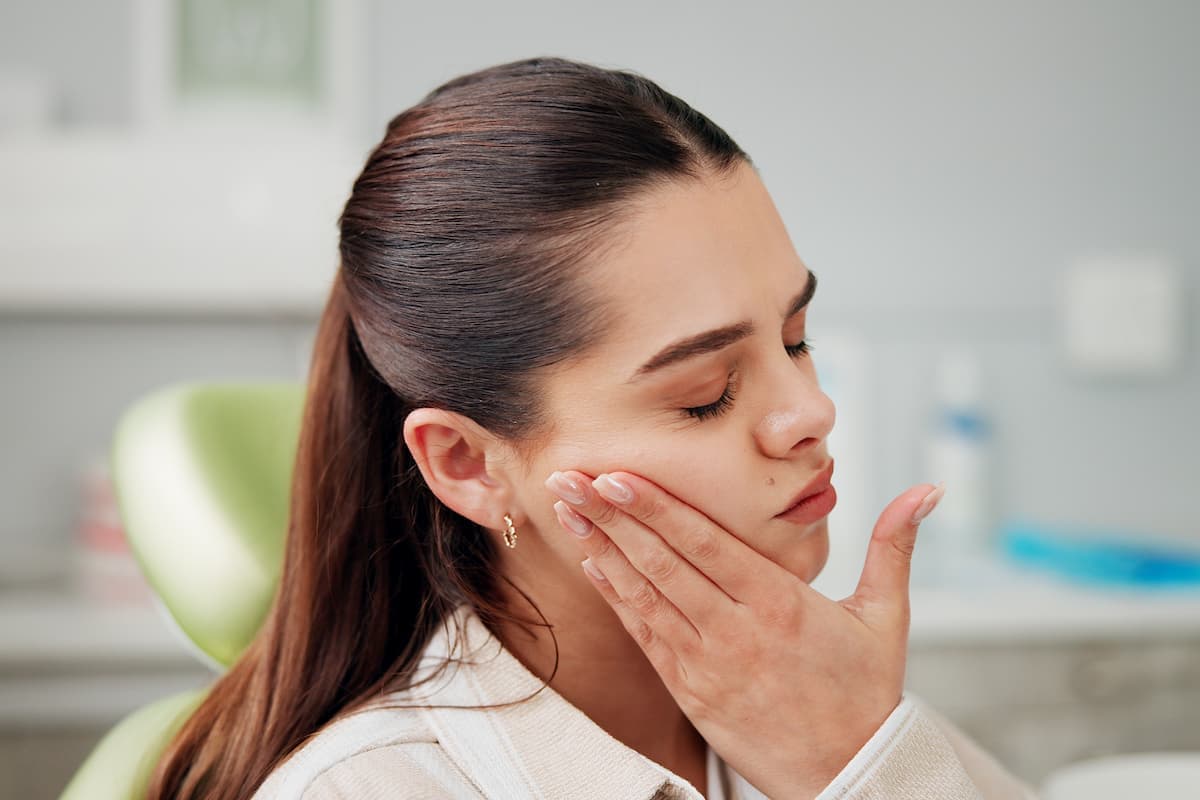
If you have noticed pieces of a tooth breaking away, a rough edge where your tooth used to feel smooth, or what feels like your teeth becoming progressively weaker, you are not alone. Many patients describe their teeth as crumbling, even when the underlying problem differs from person to person. It is a worrying experience, and it is entirely understandable to want clear answers.
This article explains what people typically mean when they describe crumbling teeth, explores the range of possible causes, outlines how a dentist may investigate the problem, and describes what prevention and treatment might involve. It is written to inform — not to diagnose.
What Does It Mean When Teeth Are Crumbling?
Crumbling teeth is a descriptive term rather than a single diagnosis. Teeth may chip, fracture or break down for several reasons, including decay, acid erosion, enamel defects, teeth grinding and weakened restorations. The appropriate treatment depends on the underlying cause, the extent of structural damage and individual clinical factors — and requires professional assessment.
Common Causes of Crumbling Teeth
"Crumbling teeth" describes a symptom, not a specific condition. Several distinct dental problems can produce a similar experience of teeth breaking down, and it is important not to assume a single cause without examination.
Tooth Decay
Tooth decay (dental caries) is one of the most frequent reasons teeth break apart. When bacteria in the mouth metabolise sugars, they produce acids that gradually dissolve the mineral structure of the tooth. Over time, the affected area softens, weakens and may collapse — particularly if decay goes undetected and untreated for some time. A tooth with significant decay may feel like it is crumbling when a weakened section gives way.
Acid Erosion
Acid erosion involves the gradual wearing away of enamel — the tooth's hard outer layer — by acidic substances. Sources can include frequent consumption of fizzy drinks, fruit juices, wine and certain acidic foods, as well as stomach acid reaching the mouth in conditions such as acid reflux or gastro-oesophageal reflux disease (GORD). Unlike tooth decay, erosion is not caused by bacteria but by direct chemical dissolution of the enamel surface. Once enamel is lost, it does not regenerate, and the underlying dentine may become exposed and more vulnerable to further damage.
Enamel Defects and Development Problems
Some people are born with, or develop in childhood, conditions that affect how enamel forms. Amelogenesis imperfecta is a group of hereditary conditions in which enamel does not develop properly, leaving teeth with structural weaknesses that can make them prone to chipping or breaking. Enamel hypoplasia — incomplete enamel development — can also leave teeth with thin or pitted surfaces. These are not caused by diet or hygiene alone and require specific professional management.
Teeth Grinding and Clenching (Bruxism)
Bruxism — the habitual grinding or clenching of teeth, often during sleep — places significant and repetitive mechanical force on the teeth. Over time, this can wear down enamel, flatten the biting surfaces and cause teeth to chip or fracture. Many people are unaware they grind their teeth until a dental professional observes the wear patterns or a partner reports the sound at night, which is why understanding why people grind their teeth can be helpful.
Cracked or Fractured Teeth
A crack in a tooth can develop gradually, often without an obvious single moment of injury. Biting on hard foods, temperature changes, existing large fillings or the natural ageing of restorations can all contribute to crack propagation. A cracked tooth may eventually break, sometimes appearing to crumble at the site of the fracture.
Weakened Restorations
Older fillings, particularly large amalgam or composite restorations, can over time weaken the surrounding tooth structure. When a restoration nears the end of its functional lifespan, the tooth around it may become more susceptible to fracture.
Dry Mouth
Saliva plays a critical role in protecting teeth by neutralising acids, washing away food debris and providing minerals that help maintain tooth structure. Reduced saliva flow — whether from certain medications, medical conditions or other factors — can increase vulnerability to both decay and erosion. If you experience persistent dry mouth, this is worth raising with both your dentist and your GP.
Why Do My Teeth Keep Breaking?
When teeth break repeatedly, it suggests an underlying risk factor that has not yet been fully identified or managed. Repeated breakage is rarely explained by a single incident of biting something hard. Possible explanations include unmanaged decay, ongoing acid exposure, untreated grinding, structurally compromised restorations or enamel-development problems.
It is also worth considering whether the same tooth is repeatedly affected, or whether different teeth are involved. A dentist can examine the pattern of damage, which often provides useful clinical information about the likely cause.
If you find yourself asking why your teeth keep breaking despite good daily habits, a thorough dental assessment — rather than simply switching toothpaste — is the most appropriate next step.
Crumbling Teeth in Children
It can be particularly alarming for parents to notice their child's teeth chipping or appearing to break down. In younger children, it is important to distinguish between primary (baby) teeth and permanent teeth.
Baby teeth can be affected by early childhood tooth decay, sometimes called early childhood caries, which can progress rapidly if left untreated. Even though baby teeth are temporary, managing decay in them matters — untreated problems can affect the child's comfort, ability to eat and speak, and the development of the permanent teeth beneath.
In permanent teeth, enamel-development conditions such as molar incisor hypomineralisation (MIH) — a relatively common developmental problem affecting the quality of enamel on certain permanent teeth — can cause teeth to appear chalky, discoloured and more prone to breaking. MIH is not caused by poor diet or hygiene but reflects a disruption during enamel formation. Children affected by MIH typically benefit from early, specialist-informed dental management.
Any child whose teeth appear to be chipping, breaking or discolouring in unusual ways should be assessed by a dental professional. NHS dental care for children in the UK is free, and early assessment can prevent more significant problems.
Oral Health During Pregnancy
Pregnancy brings significant hormonal changes that can affect the gums and oral tissues. Elevated progesterone levels can make the gums more sensitive to plaque, sometimes resulting in pregnancy gingivitis — a temporary inflammation that usually resolves after birth. Some pregnant women also experience increased acid exposure due to morning sickness, which may affect enamel over time.
However, it is important to be clear: pregnancy does not inevitably cause teeth to crumble or fall apart. The idea that a woman loses a tooth for every pregnancy is not supported by current evidence. What pregnancy can do is alter the oral environment in ways that require careful attention to oral hygiene and dental care. Routine dental check-ups are safe during pregnancy and are recommended by NHS guidance.
If you are unsure how to adapt daily routines during this stage, this pregnancy gum care guidance explains practical steps in more detail.
If dental problems are noticed during pregnancy, they should be assessed promptly rather than deferred until after birth.
Teeth and Menopause
Hormonal changes during menopause — particularly declining oestrogen levels — can affect bone density throughout the body, including the jaw, and may influence gum health. Some women notice increased tooth sensitivity or changes in the oral tissues during this life stage.
Again, menopause does not directly cause teeth to crumble, and it would be inaccurate to suggest it does. However, it may represent a period when existing risk factors — such as dry mouth associated with certain medications, or reduced saliva production — become more significant. Maintaining regular dental check-ups during and after menopause is sensible preventive care.
Can Crumbling Teeth Be Fixed?
Whether a tooth can be restored depends on several factors: the extent of structural damage, the underlying cause, the position of the tooth and the overall health of the remaining tooth structure.
A dental professional may consider options including:
• Fillings or bonding for smaller areas of damage where sufficient tooth structure remains
• Onlays or crowns for more extensive damage where the remaining tooth needs additional support and protection
• Root canal treatment if the nerve has been affected by decay or fracture
• Extraction where the tooth is too extensively damaged to restore predictably — followed by discussion of tooth replacement options
For conditions such as bruxism, a dentist may recommend a custom-made occlusal splint to protect teeth from further grinding damage, alongside any necessary restorative work.
Where decay or fracture affects the pulp, understanding how root canal healing works can make treatment decisions clearer.
The right approach will depend on clinical examination, and sometimes on further investigation such as X-rays. There is no single answer that applies to everyone, and no honest assessment can be made without examining the tooth in question.
Prevention and Daily Oral Care
While not every cause of tooth breakdown is preventable, many of the most common risk factors can be addressed through consistent daily habits and regular professional care.
Practical preventive measures may include:
• Brushing twice daily with a fluoride toothpaste — the NHS recommends fluoride toothpaste of at least 1,350 ppm for adults
• Waiting at least 30 minutes after eating or drinking acidic substances before brushing
• Reducing the frequency of sugary and acidic food and drink
• Staying hydrated to support healthy saliva flow
• Using a straw when drinking acidic drinks, to reduce direct contact with teeth
• Wearing a custom occlusal splint if bruxism has been diagnosed
• Attending regular dental check-ups for early detection of problems
The value of regular dental examinations lies partly in identifying problems before they reach the stage where significant tooth structure is lost. Preventive dentistry — the philosophy of protecting teeth before damage occurs — is central to good dental care.
A Note on Toothpaste
Patients sometimes search for a toothpaste for crumbling teeth, hoping that a particular product will reverse structural damage. It is important to be clear: no toothpaste can rebuild a tooth that has significantly broken down structurally. Toothpaste cannot replace lost enamel or repair a fractured tooth.
However, fluoride toothpaste does play a genuine role in strengthening enamel, helping to remineralise early areas of acid damage and reducing the risk of further decay. Specialist toothpastes containing higher fluoride concentrations may be prescribed by a dentist where risk is elevated. Sensitivity toothpastes may ease discomfort where dentine is exposed. These products support dental health — they do not replace clinical treatment.
If you regularly consume acidic drinks or snacks, this guide on acidic foods and enamel wear may help you reduce ongoing risk.
Always follow the advice of your dental professional regarding appropriate toothpaste for your specific situation, particularly if purchasing for a child, as fluoride recommendations vary by age.
When to Seek Dental Advice
Any tooth that has chipped, fractured or feels different in structure warrants dental assessment, even if it is not causing pain. Pain is not always an early signal — decay and erosion can progress silently.
Seek a dental assessment promptly if:
• A tooth has broken and you can see or feel a sharp edge
• You have persistent toothache or sensitivity
• Your teeth are repeatedly chipping without obvious cause
• A filling or crown has broken away
• You notice changes in how your teeth look or fit together
If your symptoms feel unclear, a quick check of toothache versus abscess signs can help you decide how urgently to seek care.
If you experience severe pain, swelling of the face or jaw, difficulty swallowing or breathing, or fever alongside dental symptoms, seek urgent medical attention. These symptoms can indicate infection that requires prompt assessment beyond routine dental care.
Seeking Professional Assessment at Wimpole Dental
If you are concerned about teeth that feel weak, are chipping repeatedly or seem to be breaking down, the most useful step is a thorough dental examination. Understanding the underlying cause is the starting point for any appropriate management.
At Wimpole Dental, our clinical team provides comprehensive dental examinations for patients with concerns about their teeth, including assessment of enamel health, decay, grinding and restorative needs. We approach every patient's situation individually, with an emphasis on evidence-informed care and honest clinical advice.
Frequently Asked Questions
1. Can a crumbling tooth be saved?
Whether a tooth can be saved depends on how much healthy tooth structure remains and what has caused the damage. Teeth with significant but contained decay or fracture may be restored with fillings, onlays or crowns. Teeth that are too extensively damaged may not be restorable. A dental professional can assess the specific tooth and advise on the realistic options after examination.
2. Why are my teeth breaking even though I brush regularly?
Good brushing is important, but it is not the only factor affecting tooth strength. Acid erosion, teeth grinding, enamel-development problems and weakened restorations can all cause breakage independently of brushing habits. If your teeth are repeatedly breaking despite careful oral hygiene, a dental assessment to identify the underlying cause is more useful than changing your brushing routine alone.
3. Is "crumbling teeth syndrome" a real diagnosis?
"Crumbling teeth syndrome" is not a formally recognised clinical diagnosis in UK dental literature or within established NHS or NICE guidance frameworks. "Crumbling teeth" is a descriptive phrase patients use to describe their experience. The actual underlying problems — such as tooth decay, erosion, bruxism or enamel-development conditions — are distinct diagnoses that require specific investigation and management.
4. What is molar incisor hypomineralisation (MIH) and could my child have it?
MIH is a relatively common developmental condition affecting the enamel quality of certain permanent teeth, typically the first adult molars and sometimes the incisors. Affected teeth may appear chalky or creamy-coloured, can be more sensitive than normal and are more prone to breaking down. It is not caused by diet or hygiene and requires assessment and early management by a dentist familiar with the condition.
5. Does grinding teeth cause them to crumble?
Habitual teeth grinding (bruxism) places significant repeated force on tooth surfaces and can wear away enamel, flatten biting surfaces and cause teeth to chip or fracture over time. If bruxism is suspected or confirmed, a dentist may recommend a custom occlusal splint to protect the teeth, alongside any necessary restorative treatment.
6. Should I be concerned about my teeth during pregnancy?
Routine dental care is safe and recommended during pregnancy. Hormonal changes can increase gum sensitivity, and morning sickness may expose teeth to stomach acid. These factors can affect oral health if not managed, but they do not inevitably cause significant tooth damage in otherwise healthy patients. Maintaining dental check-ups and good oral hygiene during pregnancy is important and NHS-recommended.
7. Can dry mouth make teeth more likely to break down?
Saliva helps neutralise acids and supplies minerals that support enamel integrity. Reduced saliva flow — from medications, medical conditions or other causes — can increase vulnerability to decay and erosion, which may in turn make teeth more likely to weaken and fracture. If persistent dry mouth is a concern, raise it with your dentist and GP so that the cause can be investigated.
8. How do I know if my child needs to see a dentist about a broken baby tooth?
Any broken or chipped tooth in a child — whether a baby tooth or a permanent tooth — should be assessed by a dentist. Even though baby teeth are temporary, unmanaged damage can cause pain, affect eating and speech, and potentially influence the development of adult teeth. NHS dental care for children in the UK is free, so there is no financial barrier to seeking assessment.
9. Will fluoride toothpaste stop my teeth from crumbling?
Fluoride toothpaste plays a genuine role in supporting enamel mineralisation and reducing decay risk, and it is an important part of daily preventive care. However, it cannot structurally repair a tooth that has already fractured or has significant decay. It is a preventive tool rather than a restorative one. Where elevated risk is identified, a dentist may recommend higher-strength fluoride products.
Disclaimer
This article is for educational purposes only and does not replace a clinical dental examination. Symptoms such as chipping, pain, swelling or repeated breakage need individual assessment by a qualified dentist. Treatment options and outcomes vary by tooth condition, medical history and diagnosis. If symptoms worsen or include facial swelling, seek urgent medical care promptly. Content is written in line with General Dental Council (GDC) and ASA guidance, and treatment should be delivered by GDC-registered clinicians in a CQC-registered setting.
Written Date: 28 October 2026 | Next Review Date: 28 October 2027
Written by Wimpole Dental Editorial Team · reviewed by Wimpole Dental Clinical Team
This article is general information, not personal clinical advice. For a diagnosis and a plan tailored to you, book a consultation with a GDC-registered dentist.