Dental Crowns: Materials, Appearance and Treatment Considerations
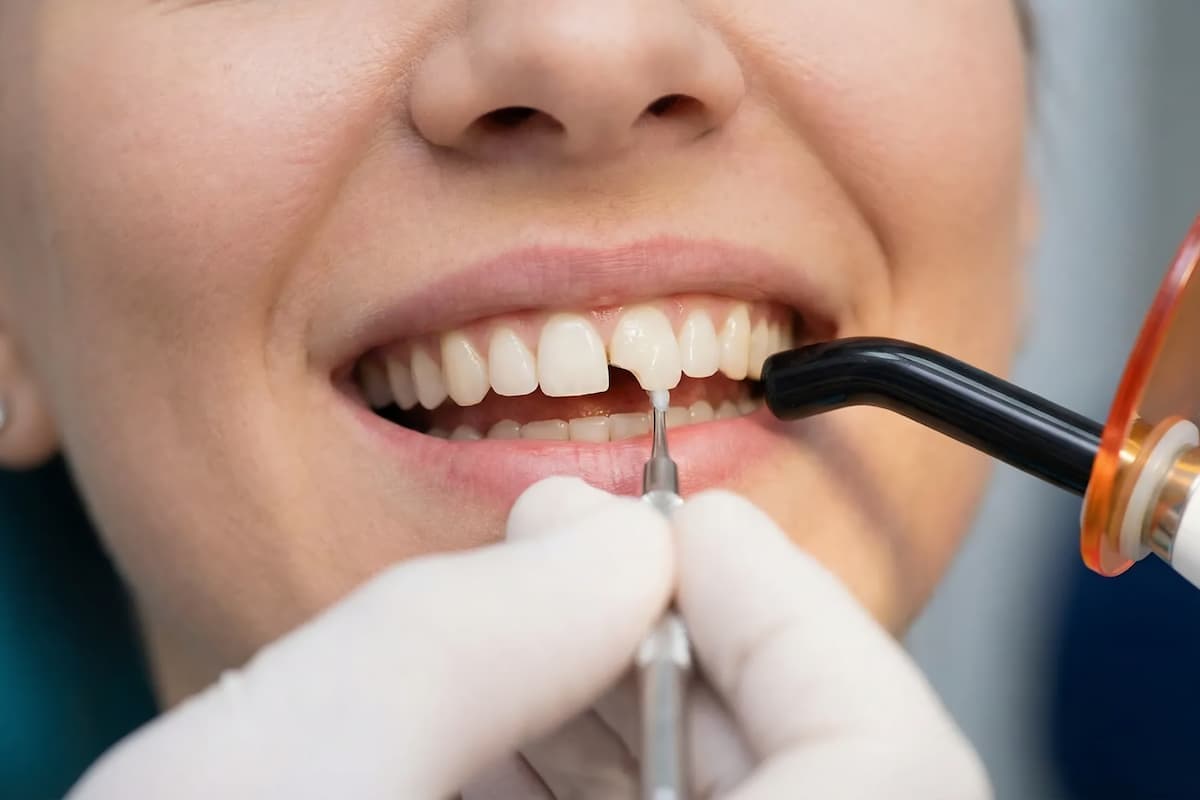
Dental crowns are one of the most widely used restorations in modern dentistry, yet many patients have questions about how they work, what they are made from, and how they might look. Whether you have been told a crown may be appropriate, or you are simply researching your options, understanding the basics of materials, aesthetics and treatment considerations can help you have a more informed conversation with your dentist.
This guide sets out what patients in the UK should reasonably know about dental crowns — covering materials, how appearance can vary, factors that may influence treatment decisions, and how to care for a crown over the long term.
What Is a Dental Crown?
Crowns sit fully over the visible portion of the tooth — from the gum line upwards — effectively becoming its new outer surface. They are distinct from veneers, which cover only the front face of a tooth, and from fillings, which restore only a portion of the tooth's internal structure.
Why Might a Crown Be Recommended?
A dental crown may be considered in a range of clinical situations. Common reasons a dentist might recommend one include:
• A tooth that has been substantially weakened by decay or damage
• A tooth that has fractured or broken significantly
• A tooth that has been root canal treated and requires protection
• Replacing an existing crown that has worn, cracked or failed
• Securing a dental bridge in place
• Restoring a dental implant
• Protecting a tooth with particularly large or failing restorations
It is worth noting that a crown is not the only possible approach in every situation. Your dentist will assess the extent of damage, the remaining tooth structure, and your overall oral health before recommending the most appropriate route. In some cases, other restorations — such as inlays, onlays or a large composite filling — may be considered.
If you have been told that a tooth may require more extensive attention, understanding how restorative dentistry works can provide a useful foundation before your appointment.
Dental Crown Materials Explained
One of the most common questions patients have concerns the materials available. There is no single material that suits every patient or every tooth — selection depends on a combination of functional, aesthetic and clinical factors.
Porcelain-Fused-to-Metal (PFM) Crowns
Porcelain-fused-to-metal crowns have a metal substructure with a porcelain outer layer. They have been used extensively in restorative dentistry for several decades, offering a balance of strength and aesthetic appearance. However, the metal base can sometimes show as a dark line at the gum margin, particularly as gums naturally recede over time. They remain a clinically established option, though all-ceramic alternatives have become more widely used in recent years.
All-Ceramic and Porcelain Crowns
All-ceramic crowns — including those made from lithium disilicate — contain no metal. They can closely replicate the appearance of natural tooth enamel, with light transmission properties that produce a more lifelike result. They are frequently considered for front teeth where aesthetics are a significant concern. Contemporary ceramic materials have improved considerably in strength, though they may still be less suited to high-load posterior positions in some patients.
Zirconia Crowns
Zirconia is a high-strength ceramic material that has become increasingly prominent in restorative dentistry. It offers substantial durability — relevant for back teeth that bear significant biting forces — while also being available in tooth-coloured forms. Monolithic zirconia (made from a single solid block) is particularly strong, while layered or high-translucency zirconia can produce aesthetically refined results. Current clinical understanding indicates that zirconia crowns offer a combination of strength and aesthetics that makes them widely applicable across different tooth positions, though material selection should always be guided by individual clinical assessment.
Metal Crowns
Full metal crowns — typically made from gold alloys or other base-metal alloys — are highly durable and require less tooth preparation than many alternatives. Their longevity and resistance to wear are well established. The obvious limitation is their colour, which makes them unsuitable for most patients in visible positions. They continue to have clinical relevance in certain situations, particularly where space is limited or function takes priority over aesthetics.
Composite Resin Crowns
Composite resin crowns are sometimes used as a provisional measure or in specific clinical contexts. They are generally less durable than ceramic or metal options and are not typically a long-term primary restoration for most patients.
How Crown Material Affects Appearance
The material selected has a meaningful impact on how a crown looks — both immediately after fitting and over time.
Colour and translucency vary between materials. Natural tooth enamel has a degree of translucency, allowing light to pass through and interact with the underlying tooth. All-ceramic and high-translucency zirconia materials can replicate this more closely than opaque alternatives. Metal crowns, by contrast, are entirely opaque and distinct in colour.
Surface texture and sheen also differ. Porcelain and ceramic surfaces can be polished to a finish that closely resembles natural enamel, while metal crowns have a characteristic lustre that is clearly distinguishable.
Gum interaction is relevant too. As gums change over time, a dark metallic margin can become visible with older porcelain-fused-to-metal crowns. All-ceramic alternatives avoid this issue, which is one reason many patients — and clinicians — now favour them for visible teeth.
Crown Colour Matching
When a tooth-coloured crown is being made, your dentist or their laboratory team will work to match it to the shade of your surrounding teeth. This process typically involves:
• Using a dental shade guide to identify the closest match to your natural teeth
• Considering the undertone and translucency of adjacent teeth, not just their base colour
• In some cases, using digital shade-matching technology for more precise results
• Working with a dental laboratory to produce a bespoke crown that integrates naturally
It is worth noting that crowns cannot generally be whitened once they have been made. If you are considering tooth whitening, it is usually advisable to do this before a crown is placed, so the crown can be shade-matched to your post-whitening tooth colour. This is something to discuss with your dentist during the planning stage.
If you are also exploring the broader picture of smile aesthetics, the cosmetic dentistry options available at Wimpole Dental may be worth reviewing alongside any restorative treatment discussion.
Factors That May Influence Material Selection
Material choice is rarely straightforward and is appropriately guided by clinical assessment rather than patient preference alone. Relevant considerations include:
• Tooth position — front teeth where aesthetics matter closely differ in their demands from back teeth bearing chewing forces
• Bite and occlusal load — patients who grind their teeth (bruxism) may place greater stress on restorations, which can influence material choice
• Remaining tooth structure — how much natural tooth remains can affect which crown type is feasible
• Gum health and margin placement — the position of the crown margin and gum health are relevant to both aesthetics and longevity
• Adjacent and opposing teeth — the material of surrounding teeth and the crown's opposing tooth can affect wear considerations
• Existing restorations — other restorations in the mouth may influence which approach integrates most effectively
• Patient preferences — aesthetic priorities, concerns about metal content, and personal preferences are all part of an appropriate clinical conversation
No material is universally the correct choice. A dentist's recommendation will reflect the full clinical picture.
What to Expect from the Treatment Process
Dental crown treatment typically requires at least two appointments, though the number may vary depending on the clinical situation and the technology available at your practice.
First appointment: The tooth is examined and prepared — this involves reshaping the tooth to allow the crown to fit over it accurately. An impression or digital scan is taken to allow the crown to be made to precise dimensions. A temporary crown is usually placed to protect the tooth during this period.
Laboratory stage: The crown is fabricated by a dental technician, typically taking one to two weeks.
Second appointment: The temporary crown is removed, the permanent crown is assessed for fit, colour and bite, and — if satisfactory — is permanently cemented.
Some practices now use CAD/CAM technology that can produce certain crown types in a single visit, though this is not universal and suitability varies by clinical situation.
If you have concerns about dental treatment or experience anxiety around dental procedures, it is entirely reasonable to discuss this with your dentist before treatment begins. Many practices — including those providing private care in London — are experienced in supporting patients with dental anxiety.
Benefits and Limitations of Dental Crowns
Understanding both sides of any treatment helps patients make more informed decisions.
Potential benefits include:
• Restoring the function and strength of a significantly damaged tooth
• Protecting a weakened tooth from further damage or fracture
• Improving or restoring the appearance of a compromised tooth
• Long-term durability when appropriate materials are selected and the crown is well cared for
• Supporting other restorations such as bridges and implant-supported crowns
Limitations to consider:
• Tooth preparation is irreversible — some natural tooth structure must be removed
• Crowns are not permanent and may eventually need replacement
• Colour-matched crowns may not match perfectly in all lighting conditions
• The fit at the gum margin requires ongoing attention with good oral hygiene
• Crowns do not prevent decay from developing at the margin between the crown and the natural tooth
• In patients who heavily grind their teeth, additional wear or fracture risk may be relevant
Maintaining realistic expectations is important. A well-fitting crown, appropriately selected and placed by an experienced clinician, can perform well over many years — but individual outcomes depend on many factors, and no specific longevity can be promised.
Dental Crown Longevity and Care
The lifespan of a dental crown is influenced by the material used, the standard of the original placement, and — significantly — how well oral health is maintained at home and through regular dental check-ups.
General guidance on crown care includes:
• Maintaining thorough daily brushing around the gum margin where the crown meets the tooth — plaque accumulation here can lead to decay or gum problems
• Flossing carefully around crowned teeth — floss should be guided gently beneath the gum margin rather than snapped, to avoid disrupting the fit
• Attending regular dental check-ups so the crown, its margins, and the surrounding gum tissue can be monitored over time
• Informing your dentist about any grinding or clenching — a night guard may be appropriate if this is a concern
• Avoiding habits that place unusual stress on crowns, such as biting very hard foods or using teeth as tools
Current UK dental guidance supports routine dental attendance as a cornerstone of maintaining restorations in good condition and identifying any problems at an early stage.
If you are looking for broader guidance on maintaining good oral health alongside restorative care, the preventive dentistry information at Wimpole Dental is worth exploring.
When to Seek Professional Advice
If you have been told that a crown may be appropriate, or if you are noticing sensitivity, discomfort, or a change in an existing crown, seeking professional dental assessment is the appropriate step. Dental health questions are best addressed through direct clinical examination rather than general reading.
If you would like to discuss restorative options — including crowns — an assessment at Wimpole Dental provides the opportunity to explore what may be appropriate for your individual situation, without obligation.
Frequently Asked Questions
Q: Can a dental crown be placed on any tooth?
A: Crowns can be placed on most teeth, but suitability depends on how much healthy tooth structure remains, the health of the surrounding gum and bone, and the clinical demands of the position. A dentist will assess the tooth carefully before recommending a crown as the appropriate restoration.
Q: Will a crown look noticeably different from my natural teeth?
A: Modern tooth-coloured crowns — including ceramic and zirconia options — are designed to blend with surrounding teeth. However, an exact match is not always achievable in every lighting condition or from every angle, and appearance can also be influenced by the shade of adjacent teeth and the material selected. Your dentist will work to achieve the closest possible match during the planning stage.
Q: Can I have a tooth whitened after a crown has been placed?
A: Tooth whitening affects natural tooth enamel but not the material a crown is made from. If you undergo whitening after a crown is placed, the crown may not change shade to match your newly whitened teeth. It is generally advisable to consider whitening before crown placement, so the restoration can be shade-matched accordingly.
Q: Is a crown the same as a cap?
A: Yes — "crown" and "cap" refer to the same restoration. "Cap" is an older, more informal term that is still sometimes used by patients. Both describe a custom-made covering that fits over the entire visible portion of a prepared tooth.
Q: How do I know if an existing crown needs replacing?
A: Signs that a crown may need review include sensitivity, discomfort when biting, visible chipping or fracture, a change in how the bite feels, or visible darkening at the gum margin. A dentist can assess the crown during a routine check-up using clinical examination and, where appropriate, X-rays to check the tooth beneath.
Q: Are there situations where a crown may not be the most appropriate option?
A: Yes. In some cases where tooth damage is less extensive, alternative restorations such as inlays, onlays, or a well-placed composite restoration may be considered. The appropriate approach depends on the extent of damage, tooth position, and clinical assessment. Your dentist will discuss the options relevant to your situation.
Q: Does getting a crown hurt?
A: The tooth preparation procedure is carried out under local anaesthesia, so it should not be painful during treatment. It is not unusual to experience some sensitivity or mild discomfort in the days following preparation or after the final crown is fitted, as the tooth and surrounding tissue settle. If discomfort is persistent or significant, it is worth contacting your dentist.
Q: How does zirconia compare to porcelain for back teeth?
A: Zirconia — particularly monolithic zirconia — is noted for its high strength, making it frequently considered for posterior (back) teeth that bear greater biting forces. Porcelain and layered ceramic materials offer excellent aesthetics but may be more susceptible to fracture under heavy load in some patients. Material selection for back teeth should be guided by individual clinical assessment, including consideration of bite forces and any grinding habits.
Q: Can decay develop under a crown?
A: Yes. The junction between the crown and the natural tooth — the margin — can be vulnerable to plaque accumulation. If oral hygiene at this area is not well maintained, decay can develop at the margin or beneath the crown over time. This is why consistent brushing, flossing, and regular check-ups are important even with crowned teeth.
Q: Is there a difference between a crown on a natural tooth and a crown on an implant?
A: Yes, although both involve a crown restoration. An implant crown sits on an implant fixture that is integrated into the jawbone, rather than over a prepared natural tooth root. The materials used for implant crowns are broadly similar to those for natural teeth, but the design and fitting process differ. If you are exploring implant options, this is worth discussing as a separate topic with your dentist.
Dental Disclaimer
The information contained in this article is provided for educational and informational purposes only. It is intended to support general understanding of dental crowns, including materials, appearance and treatment considerations, and does not constitute professional dental advice, diagnosis or a personalised treatment recommendation.
Individual dental needs vary considerably. Whether a crown — or any other restoration — is appropriate in a specific situation can only be determined through a thorough clinical assessment by a qualified dental professional, who will consider your full dental history, oral health, tooth condition and individual circumstances.
This article does not represent a clinical opinion on your specific dental situation, does not promise or imply any particular treatment outcome, and should not be used as a substitute for professional examination and advice. If you have concerns about your teeth, gums or any existing dental work, we encourage you to seek assessment from a registered dental professional.
Dental professionals in the UK are registered with the General Dental Council (GDC). If you are unsure whether a practice or practitioner is registered, you can verify this through the GDC's public register.
Written Date: 21 September 2026
Next Review Date: 21 September 2027
Written by Wimpole Dental Editorial Team · reviewed by Wimpole Dental Clinical Team
This article is general information, not personal clinical advice. For a diagnosis and a plan tailored to you, book a consultation with a GDC-registered dentist.