How Long Do You Need to Wear ProAligner Clear Aligners
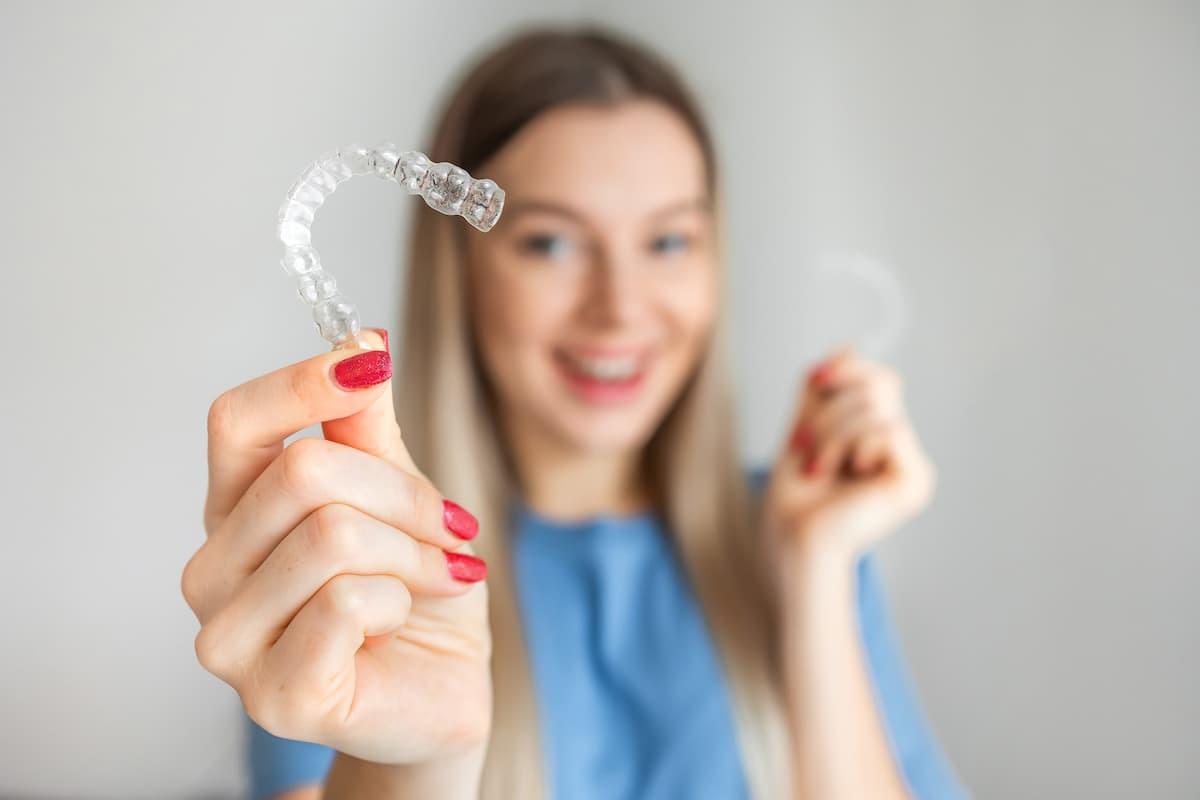
If you have recently started ProAligner clear aligner treatment — or you are still weighing up your options — one of the most common practical questions is straightforward but important: exactly how long should you keep the aligners in your mouth each day?
It is a question worth taking seriously. Clear aligner treatment depends on the sustained, consistent application of gentle pressure to guide teeth into their planned positions. The number of hours you wear your aligners each day is not a minor detail — it is one of the most significant factors influencing whether your treatment progresses as planned or requires additional time and intervention.
This guide focuses specifically on daily wear time and what happens when aligners are worn inconsistently. It also explains how daily compliance connects to your overall treatment duration, so you have a complete picture of what is expected throughout your ProAligner journey.
Quick Answer: How Many Hours a Day Should You Wear ProAligner Aligners?
ProAligner clear aligners are generally prescribed for approximately 20 to 22 hours of daily wear. Aligners should only be removed for eating, drinking anything other than still water, and carrying out your oral hygiene routine. This includes overnight wear — your aligners should remain in place while you sleep. The precise schedule for your treatment will be determined by your treating dentist, whose individual instructions should always take priority over general guidance.
Why Clear Aligners Require Such Consistent Daily Wear
To understand why the 20–22 hour recommendation exists, it helps to appreciate how orthodontic tooth movement actually works.
Teeth are not rigidly fixed in the jaw. They sit within the periodontal ligament — a network of fibres that connects each tooth root to the surrounding bone. When controlled, sustained pressure is applied, the bone gradually remodels around the tooth, allowing it to shift position. This is the biological process that makes all forms of orthodontic treatment possible.
Each ProAligner tray is precision-manufactured to apply a carefully calculated amount of pressure to specific teeth at a specific stage of treatment. That pressure must be maintained consistently for the planned movement to occur within the timeframe your dentist has set.
When aligners are removed, that pressure is relieved. Teeth are elastic to a degree — they can begin to drift back towards their previous positions, particularly in the early stages of wearing a new tray. The more frequently aligners are removed, or the longer they are left out, the more this drift can occur.
The British Orthodontic Society recognises consistent aligner wear as a core compliance factor in clear aligner treatment outcomes. Put simply: the aligners can only do their job when they are in your mouth.
What Happens If You Wear Aligners for Fewer Hours Than Prescribed?
This is one of the most practical concerns patients raise, and it deserves an honest, clinically grounded answer.
Occasionally removing aligners for slightly longer than planned — for a meal that runs on, for example — is unlikely to derail treatment entirely. What matters is the pattern of wear over days and weeks, not isolated moments.
However, regularly wearing aligners for significantly fewer than the prescribed 20–22 hours can produce a range of consequences:
Delayed Tooth Movement
The most immediate effect of insufficient wear is that teeth simply do not move as planned. The digital treatment plan your dentist created is based on consistent pressure being applied for a defined period. If that pressure is frequently interrupted, the tooth movement timeline shifts accordingly.
Poor Aligner Fit
When aligners are removed for extended periods and teeth drift back slightly, the next tray in the sequence may no longer fit as intended. You might notice that an aligner feels tighter than expected when you put it back in, or that it does not seat fully against the teeth. This is often an early indicator that tracking — the alignment between where your teeth are and where the aligner expects them to be — has been disrupted.
Treatment Extensions and Additional Refinements
If tracking falls significantly behind, your dentist may recommend extending the time spent in a particular set of trays, requesting new clinical records, or prescribing a set of refinement aligners to bring teeth back on course. This adds time and, in some cases, additional cost to treatment.
Teeth Not Progressing as Planned
In more pronounced cases of non-compliance, teeth may not move at all during a particular stage, requiring the treatment plan to be revised. While this is avoidable in most cases, it underscores why consistent wear is considered a clinical responsibility — not simply a preference.
If you are concerned that your aligners have not been fitting correctly or that you have missed a significant amount of wear time, the right course of action is to contact your treating dental professional rather than attempting to manage the situation independently.
When Should You Remove Your ProAligner Aligners?
ProAligner aligners should be removed in the following situations:
• Before eating or drinking — with the exception of still water. Eating with aligners in place can damage the trays and trap food particles and bacteria against the teeth.
• Before drinking hot beverages — heat can warp the thermoplastic material, compromising the fit of the aligner.
• Before drinking sugary or acidic drinks — these can pool around the teeth beneath the aligner, increasing the risk of tooth decay and enamel erosion.
• Before brushing and flossing — good oral hygiene requires the aligners to be removed so you can clean all surfaces of the teeth and gums thoroughly.
• Before cleaning the aligners themselves — rinsing and gently cleaning the trays should be part of your daily routine.
Your dentist may provide specific guidance about food and drink considerations based on your individual circumstances and treatment plan. Those instructions should always take precedence.
Outside of these situations, aligners should remain in place — including during sleep.
Should You Wear ProAligner Aligners Overnight?
Yes. Sleeping with your ProAligner aligners in place is not optional — it is a core part of reaching the daily 20–22 hour target. The hours you spend asleep represent a significant proportion of the daily wearing schedule, and overnight wear is entirely safe and comfortable for most patients.
Many people find that overnight wear is actually the most straightforward part of the routine. There are no meals to navigate, no conversations in which aligners feel noticeable, and no social situations to manage. Your teeth are being actively moved while you rest.
If you consistently sleep without your aligners — perhaps because they feel uncomfortable during the first few days of a new tray — this is a concern worth raising with your dentist. Some initial pressure or tenderness when a new tray is inserted is a normal sign that the aligners are working. Removing them in response to discomfort removes the very pressure that drives tooth movement.
How Often Should You Change Your ProAligner Aligner Trays?
Aligner trays are generally changed approximately every one to two weeks, in accordance with your prescribed treatment plan. The exact interval is determined by your dentist based on your individual case complexity, the amount of movement required at each stage, and how your teeth are responding.
Tray changes are prescribed — they are not a decision to make independently. Changing to the next tray earlier than instructed does not accelerate treatment. Each tray is designed to achieve a specific, incremental stage of movement. Moving ahead before that stage is complete can result in the new tray fitting poorly and may disrupt subsequent stages of the plan.
Equally, remaining in a tray for longer than prescribed — without clinical guidance — can allow the teeth to stabilise in a position that makes the next stage less effective.
Your dentist will typically schedule review appointments every six to ten weeks, depending on your treatment plan. These appointments allow your clinical team to assess progress, confirm that your teeth are tracking correctly, and issue the next set of trays.
How Daily Wear Time Affects Overall Treatment Duration
It is important to separate two distinct questions that patients often conflate:
1. How many hours a day should I wear ProAligner aligners? — approximately 20–22 hours, as prescribed.
2. How long will my ProAligner treatment take overall? — this varies considerably based on individual factors.
Overall ProAligner treatment duration is influenced by the complexity of the tooth movements required, your individual biological response, your compliance with the prescribed wearing schedule, whether refinement aligners are needed, and the nature of your treatment plan. Wimpole Dental describes a general treatment range of approximately 4 to 20 or more months. These figures should not be interpreted as guarantees — they are broad reference points, and your treating dentist will provide a more specific indication based on your clinical assessment.
The connection between the two questions is direct: consistent daily wear of approximately 20–22 hours is one of the key factors that supports treatment progressing within the timeframe your dentist has planned. Consistently falling short of prescribed wear time is one of the most common reasons treatment takes longer than initially anticipated.
Practical Tips for Maintaining a Consistent Wearing Routine
Sustaining 20–22 hours of daily aligner wear is achievable with a few simple habits:
Keep a case with you at all times. Aligners removed at a restaurant or during a meeting need a clean, safe place to be stored. Loose aligners wrapped in a napkin are frequently lost or accidentally discarded.
Put your aligners back in immediately after eating. The temptation to leave them out a little longer after a meal is one of the most common ways daily wear time is eroded. Getting back into the habit of reinserting them straight after brushing your teeth post-meal makes a material difference over weeks and months.
Use a wear-tracking method if it helps. Some patients find it useful to note the times their aligners are removed and reinserted during the first few weeks of treatment, to build a clearer sense of their daily schedule.
Adapt social situations, rather than removing aligners for them. Clear aligners are designed to be discreet. Most people will not notice them during conversation. If you are removing aligners for social comfort rather than for eating or hygiene, this is worth reflecting on — it may be contributing to missed hours without you realising.
Be honest with your dentist about compliance challenges. If you are finding consistent wear difficult to manage, your dentist is in the best position to advise you. Attempting to compensate for missed hours by other means — such as changing trays early — is not clinically recommended and can be counterproductive.
What Happens After Completing ProAligner Treatment?
Completing your final set of aligners is a significant milestone, but it is not the end of the process. Teeth that have been moved orthodontically have a natural tendency to drift back towards their original positions — a process known as relapse. To maintain the results of treatment, your dentist will typically recommend wearing retainers following the completion of your aligner course.
Retainers may be removable or fixed, and your dentist will advise on the most appropriate type and wearing schedule for your individual case. Retainer wear is an ongoing commitment that is essential to preserving the outcome of treatment.
When Should You Contact Your Dentist?
There are specific situations in which you should contact your treating dental professional rather than waiting until your next scheduled review:
• An aligner does not seat fully against the teeth, despite being a tray you have already been wearing for several days
• You have missed a significant amount of wear time and are unsure how to proceed
• You experience unusual or severe discomfort that is not consistent with the expected initial pressure of a new tray
• An aligner has cracked, warped or been damaged
• You are approaching a tray change and have concerns about whether your teeth are tracking correctly
Do not attempt to self-manage situations that require clinical input. Your dental team is there to support you throughout treatment.
If you have questions about your ProAligner treatment routine or would like to discuss your wearing schedule with a dental professional, the team at Wimpole Dental is available to help.
Frequently Asked Questions
1. Can I wear ProAligner aligners for only 18 hours a day?
Eighteen hours is below the generally prescribed daily wear time of approximately 20–22 hours. While occasional slight deviations are unlikely to cause lasting disruption, consistently wearing aligners for only 18 hours each day reduces the sustained pressure on the teeth and can result in delayed movement, poor aligner fit or the need for treatment extensions. If you are finding it difficult to maintain the prescribed hours, speak with your dentist about practical strategies.
2. Can I remove my aligners for a special occasion?
Yes — ProAligner aligners are removable, and there will be occasions when you choose to take them out for a specific event. The key is to be mindful of the cumulative time they are out of your mouth that day and to reinsert them as soon as is practical. Routinely removing aligners for social occasions can add up to significant missed wear time across a week of treatment.
3. Should I put my aligners back in immediately after eating?
Yes, as soon as you have finished eating and completed your oral hygiene routine — brushing and flossing — aligners should be reinserted. Rinsing or briefly cleaning the aligners before putting them back in is good practice. Allowing extended gaps after meals is one of the most common ways daily wear hours fall short of the prescribed target.
4. What should I do if I forget to wear my aligners overnight?
If you realise you have slept without your aligners in, reinsert them as soon as possible and continue wearing them as normal. Do not attempt to compensate by rushing to change to your next tray ahead of schedule. If this happens frequently, or if you are concerned about the cumulative impact of missed overnight hours, contact your dental team for guidance.
5. Can inconsistent aligner wear affect the final result of treatment?
Yes, it can. Clear aligner treatment relies on predictable, staged tooth movement. Inconsistent wear can cause teeth to track behind the planned position, which may result in additional refinement aligners being required, a longer treatment timeline, or — in cases of significant non-compliance — a final result that differs from what was originally planned. Consistent wear throughout the course of treatment is one of the most important factors within the patient's control.
6. Can I change to my next aligner tray earlier to try to speed up treatment?
No. Each tray is designed to achieve a specific stage of tooth movement over a defined period. Changing trays early — before the prescribed movement has been completed — means the next tray is applied to teeth that are not yet in the correct position for it. This can compromise the fit of the aligner and disrupt subsequent stages of treatment. Tray changes should always be made according to the schedule prescribed by your dentist.
7. Is it safe to drink hot drinks like tea or coffee with ProAligner aligners in?
Aligners should be removed before consuming hot drinks. The thermoplastic material used to manufacture aligner trays can be affected by heat, potentially warping the tray and compromising its fit. Additionally, drinks such as tea and coffee can stain the aligners and may pool around the teeth beneath the tray, which is not ideal from an oral hygiene perspective.
8. Do I need to wear retainers after finishing ProAligner treatment?
Yes. Retainer wear is a standard part of maintaining the results of any clear aligner course. Following the completion of treatment, your dentist will recommend an appropriate retainer — either removable or bonded — to prevent the teeth from drifting back towards their original positions. The wearing schedule for retainers will depend on your individual case and your dentist's clinical judgement.
9. What if my aligner feels very tight when I put it in — does that mean something is wrong?
Some degree of pressure or tightness when inserting a new aligner tray is a normal sign that it is applying the planned force to your teeth. This sensation typically eases over the first day or two. However, if an aligner does not seat fully against the teeth, feels significantly different from previous trays, or causes unusual or severe discomfort that persists, contact your treating dental professional. This may indicate that tracking has been disrupted or that the tray requires clinical review.
10. Can I use ProAligner aligners to correct teeth that have shifted after a previous orthodontic treatment?
This is a clinical question that requires an individual assessment by a qualified dentist or orthodontist. If you have previously had orthodontic treatment and are concerned about tooth movement or relapse, a consultation at a practice such as Wimpole Dental would allow a clinician to assess your current dental position and advise on appropriate options.
Dental Disclaimer
The content in this article is provided for educational and informational purposes only. It is intended to offer general guidance about ProAligner clear aligner daily wear time and is not a substitute for professional dental advice, clinical assessment or individually tailored treatment instructions.
Every patient's orthodontic situation is unique. The information presented here reflects general guidance and published treatment parameters; it does not represent the specific instructions applicable to your individual treatment plan. Your treating dentist's instructions always take priority over any general information provided in this or any other article.
No diagnosis is made or implied in this content, and no specific treatment outcomes are promised or guaranteed. If you have concerns about your aligner fit, your wearing routine, or your treatment progress, you should contact your treating dental professional directly.
Wimpole Dental's clinical team can be contacted directly for queries relating to ongoing treatment or to arrange a consultation. Please do not use this article as a basis for making unilateral changes to your prescribed treatment plan.
Written Date: 09 November 2026
Next Review Date: 09 November 2027
Written by Wimpole Dental Editorial Team · reviewed by Wimpole Dental Clinical Team
This article is general information, not personal clinical advice. For a diagnosis and a plan tailored to you, book a consultation with a GDC-registered dentist.