How Can You Maintain Healthy Teeth Between Dental Appointments?
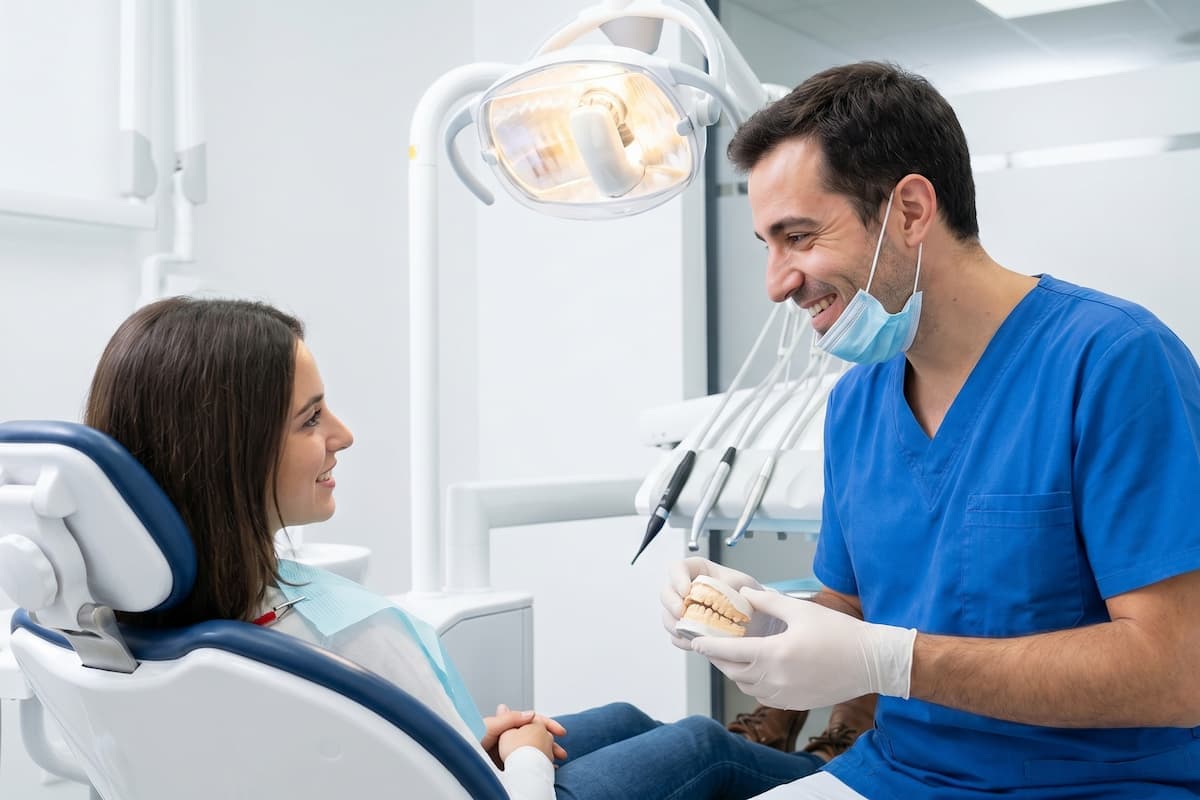
H1: How Can You Maintain Healthy Teeth Between Dental Appointments?
Secondary Keywords Used: how to keep teeth healthy · oral hygiene between dental visits · daily dental care routine · how to prevent tooth decay · brushing and flossing tips · preventive dental care · interdental cleaning · healthy teeth and gums · plaque removal at home · when to see a dentist between appointments
Introduction
Professional dental appointments — whether for a routine examination or a hygiene visit — are a cornerstone of good oral health. But the time between those appointments, which can span several months, is where your daily habits genuinely shape the condition of your teeth and gums.
Understanding how to maintain healthy teeth between dental appointments means more than simply brushing twice a day. It involves consistent interdental cleaning, thoughtful food and drink choices, awareness of common mistakes, and recognising when something needs professional attention before your next scheduled visit.
This guide draws on current NHS recommendations and established UK dental guidance to give you a clear, practical framework for oral hygiene between dental visits — without unnecessary jargon or pressure.
Quick Answer: How Can You Maintain Healthy Teeth Between Dental Appointments? Brush twice daily for approximately two minutes using fluoride toothpaste, spit rather than rinse afterwards, and clean between your teeth daily with interdental brushes or floss. Limit sugary and acidic foods and drinks, stay well hydrated, avoid tobacco, and contact your dental practice if you notice changes — such as bleeding gums, sensitivity or discomfort — before your next scheduled appointment.
Why Daily Oral Care Between Appointments Matters
Dental plaque is a soft, sticky film of bacteria that forms continuously on tooth surfaces. When it is not removed through regular brushing and interdental cleaning, these bacteria ferment dietary sugars and produce acids that gradually erode tooth enamel — the hard outer layer of each tooth. This process, repeated over time, can lead to tooth decay and, if plaque accumulates along the gumline, to gum inflammation (gingivitis).
If gingivitis is not addressed, it may progress to periodontitis — a more serious form of gum disease that can affect the bone supporting the teeth. The NHS notes that gum disease is one of the most common dental conditions in the UK, yet it is largely preventable with consistent daily care.
Your dental team provides professional cleaning to remove hardened deposits (tartar) that cannot be removed at home. However, between appointments, the responsibility for plaque removal and the prevention of tooth decay rests with your daily routine. Those weeks and months between visits are not passive — they either protect or gradually compromise your oral health.
Brushing: Timing, Technique and Toothpaste
The NHS recommends brushing your teeth twice a day — last thing at night and at one other time during the day, typically the morning. Each session should last approximately two minutes, covering all accessible tooth surfaces: the outer faces, inner faces, chewing surfaces and the gumline.
Hold the brush at a gentle angle towards the gumline and use small circular or short back-and-forth movements. Apply only light pressure — brushing vigorously can wear enamel and irritate gum tissue over time.
Use a toothpaste containing fluoride, as fluoride strengthens enamel and helps protect against decay. For most adults, a toothpaste containing 1,350–1,500 ppm (parts per million) of fluoride is appropriate, in line with current NHS guidance. Children require different fluoride concentrations depending on their age, so check with your dental team if you are uncertain about the right product for a child.
After brushing, spit out the excess toothpaste but do not rinse your mouth with water immediately. Rinsing washes away the residual fluoride that continues to protect tooth enamel after brushing. This single adjustment is one of the simplest improvements many people can make to their daily dental care routine.
Whether you prefer a manual or electric toothbrush is largely a matter of personal preference and ability. Some research suggests that oscillating-rotating electric brushes may offer a modest advantage in plaque removal, but a well-used manual brush is also effective. Replace your toothbrush — or the head of an electric brush — every two to three months, or sooner if the bristles are visibly worn.
Cleaning Between Your Teeth
Brushing alone does not clean the spaces between teeth, where plaque accumulates and where decay and gum disease commonly begin. Interdental cleaning — using interdental brushes, dental floss or floss picks — is an essential part of a complete daily routine.
Interdental brushes (small, bottle-brush-shaped tools in various sizes) are suitable for most adults and are generally considered effective and easy to use. Your dental hygienist can help you identify the right size or sizes for your individual tooth spacing.
Dental floss remains a useful option where interdental brushes are too large for tighter contacts between teeth, or where a dental professional advises it for your specific anatomy.
The recommended frequency for interdental cleaning is once daily. Consistency matters more than the time of day, though many people find it easiest to incorporate it into an evening routine alongside brushing.
If you are new to interdental cleaning, some mild bleeding of the gums during the first week or two is not uncommon and often settles as the gum tissue becomes healthier. However, persistent bleeding that continues beyond two weeks, or bleeding that is heavy or unprovoked, warrants professional assessment.
You can find more detailed guidance on cleaning around specific dental work — including bridges or orthodontic appliances — from your dental hygienist, who can demonstrate appropriate techniques for your individual situation.
Sugar: It Is Frequency, Not Just Quantity
Reducing your exposure to sugary foods and drinks is central to how to prevent tooth decay. However, current evidence suggests that the frequency of sugar consumption has at least as much impact as the total amount. Each time you consume sugar, the bacteria in plaque produce acids that temporarily lower the pH in your mouth. Your saliva works to neutralise this and remineralise enamel — but it needs time.
Frequent snacking on sugary foods or sipping sugary drinks throughout the day means the protective buffering action of saliva cannot keep pace. Limiting sugary and refined carbohydrate snacks to mealtimes — rather than consuming them repeatedly across the day — is a practical and evidence-supported habit.
Naturally occurring sugars in whole fruits are generally considered lower risk than free sugars added to foods and drinks, though fruit juices and smoothies can still be acidic. Water and plain milk remain the most tooth-friendly drink choices.
Acidic Foods and Drinks
Dietary acids — found in citrus fruit, vinegar-based foods, fizzy drinks (including sugar-free varieties), and fruit juices — can soften tooth enamel temporarily. Frequent acid exposure may contribute to dental erosion over time.
A practical and often-overlooked tip: do not brush your teeth immediately after consuming acidic foods or drinks. Brushing while enamel is temporarily softened can accelerate surface loss. Waiting approximately 30 to 60 minutes before brushing allows your saliva to begin remineralising the enamel surface.
Hydration and Saliva
Saliva plays a remarkably important role in oral health. It neutralises acids, delivers minerals that repair early enamel damage, washes away food debris and limits the growth of harmful bacteria. Staying well hydrated supports healthy saliva production.
If you experience persistent dry mouth — a condition where saliva production is reduced — it may increase your susceptibility to decay and discomfort. Certain medications can contribute to dry mouth. If this is a concern, it is worth mentioning to your dental team.
Tobacco and Smoking
Tobacco use — in any form — is a significant risk factor for gum disease, oral cancer, tooth staining and poor healing after dental procedures. The NHS and the GDC strongly support smoking cessation as part of any preventive dental strategy. If you smoke and would like support to stop, your GP or a local NHS stop smoking service can offer guidance.
Common Oral Hygiene Mistakes Worth Avoiding
Even with a consistent routine, small errors can reduce its effectiveness. Some of the most common include:
• Brushing too hard or too briefly — Vigorous brushing does not remove more plaque; it risks damaging enamel and gum tissue. Two minutes of gentle, thorough brushing is more effective.
• Rinsing immediately after brushing — As noted above, this removes protective fluoride from the tooth surface.
• Skipping interdental cleaning — Plaque between the teeth cannot be reached by a toothbrush and must be addressed separately.
• Using a worn-out toothbrush — Frayed or splayed bristles are significantly less effective at plaque removal.
• Brushing only once a day — Twice daily is the evidence-supported minimum for most adults.
• Assuming no pain means no problem — Gum disease and early tooth decay are often painless in their earlier stages, which is partly why regular dental examinations remain important.
Additional Considerations for Specific Oral Health Needs
Oral hygiene routines are not one-size-fits-all. Several factors may mean your needs differ from general guidance:
• Dental restorations such as crowns, bridges, implants or veneers may require adapted cleaning techniques to care for them effectively without causing damage.
• Orthodontic appliances — including fixed braces or clear aligners — require careful cleaning around wires and brackets, or appropriate care when aligners are removed.
• Gum disease history — If you have had treatment for gum disease, your dental team may recommend more frequent professional appointments and specific products.
• Pregnancy — Hormonal changes during pregnancy can affect gum sensitivity and increase the risk of gingivitis. Maintaining a thorough daily routine and continuing dental appointments during pregnancy is important.
• Older adults — Changes in manual dexterity, dry mouth, medication side effects and the presence of restorations can all influence the most appropriate approach to daily oral care.
Your dental team is best placed to advise on adjustments suited to your individual anatomy, dental history and general health.
How Professional Care Complements Your Home Routine
Professional dental examinations and hygiene appointments complement — but cannot replace — consistent daily oral care. Equally, daily home care alone cannot substitute for professional clinical assessment.
During a routine examination, your dentist can detect changes in tooth structure, gum health and soft tissue that are not visible or perceptible at home. Dental hygienists perform professional cleaning to remove tartar (calcified plaque) that has hardened and cannot be removed by brushing alone, as well as providing personalised advice on technique and products suited to your specific needs.
Preventive dental care is a partnership. What happens at home every day, across the weeks and months between appointments, is the foundation on which professional care builds.
The recommended frequency of dental examinations varies according to your individual risk profile. Your dentist will advise on the appropriate interval for you — which may be anywhere from a few months to two years, in line with NICE guidance on recall intervals.
Signs That Should Not Wait Until Your Next Appointment
Certain changes to your teeth or gums warrant earlier professional attention rather than waiting for your next scheduled visit. These include:
• Persistent bleeding gums that do not settle after improving your cleaning routine
• Toothache or tooth sensitivity that is new, worsening or affecting your daily life
• Swelling, lumps or sores in the mouth that do not resolve within two to three weeks
• A tooth that feels loose or has changed position
• A broken, chipped or cracked tooth
• Pain or difficulty when chewing or swallowing
• Suspected damage to a dental restoration — such as a loose crown, lost filling or discomfort around an implant
None of these signs should be ignored in the hope that they will resolve without assessment. Seeking timely professional advice often means that issues can be addressed more straightforwardly, before they develop into more complex problems.
If you are a patient at Wimpole Dental and are concerned about any change in your oral health, please contact the practice directly — the team is here to help, and you do not need to wait for a scheduled appointment if you have a concern.
FAQs
1. How often should I replace my toothbrush?
Most dental professionals and the NHS recommend replacing a manual toothbrush — or the head of an electric toothbrush — every two to three months. You should also replace it sooner if the bristles appear splayed or worn, as a worn brush is considerably less effective at removing plaque. After recovering from illness, it may be sensible to replace your brush to avoid reintroducing bacteria.
2. Is mouthwash a necessary part of a daily oral hygiene routine?
Mouthwash is not essential for everyone, but it can be a useful addition for some people — for example, a fluoride mouthwash used at a different time to brushing may offer additional protection against decay. The key point is not to use mouthwash immediately after brushing, as this rinses away the concentrated fluoride from your toothpaste. If you use a fluoride mouthwash, use it at a separate time, such as after lunch. Your dental team can advise whether a particular type of mouthwash would be beneficial for your needs.
3. Can I clean my teeth properly while travelling or away from my usual routine?
Maintaining oral hygiene while travelling is achievable with some planning. Pack a small travel toothbrush, travel-sized toothpaste and interdental brushes or floss in your hand luggage or washbag. If you are unable to brush after a meal, rinsing your mouth with water can help remove food debris temporarily. Maintaining your twice-daily brushing routine, even when away, remains the priority.
4. My gums bleed when I brush — should I brush less often?
Bleeding gums during brushing are often a sign of inflammation, frequently caused by plaque accumulation at the gumline rather than by brushing too hard. Reducing the frequency of brushing in response to bleeding may allow more plaque to build up and worsen the inflammation. In most cases, improving cleaning technique and consistency — including interdental cleaning — leads to an improvement within a couple of weeks. If bleeding persists or is heavy, it is worth booking an assessment with your dental team.
5. Are electric toothbrushes better than manual ones?
Some studies suggest that oscillating-rotating electric toothbrushes may offer a modest benefit in plaque removal compared with manual brushes. However, a manual toothbrush used with good technique and appropriate frequency is also effective for most people. The most important factors are brushing for the right amount of time, using the correct technique and being consistent. If you have limited hand mobility or find a manual brush tiring to use, an electric brush may be particularly helpful.
6. How can I tell if I am cleaning between my teeth effectively?
It can take a little time to develop a reliable interdental cleaning technique. If you are using interdental brushes, ensure you are using the correct size — your dental hygienist can help with this. You should gently guide the brush into each space and move it back and forth. Some discomfort or mild bleeding during the first week or two is not unusual if you are new to interdental cleaning. If you are uncertain whether your technique is effective, your hygienist can assess this at your next appointment and demonstrate any adjustments.
7. Is it true that sensitivity toothpastes are suitable for everyone with sensitive teeth?
Sensitivity toothpastes containing compounds such as potassium nitrate or stannous fluoride can help manage the discomfort associated with dentine hypersensitivity for many people. However, tooth sensitivity can have several causes — including dentine exposure, enamel erosion, gum recession or dental conditions requiring treatment — and not all of these will respond to a sensitivity toothpaste alone. If sensitivity is persistent, severe or worsening, it is worth seeking professional assessment to identify the underlying cause rather than relying solely on a sensitivity product.
8. Does diet affect the health of my gums as well as my teeth?
Yes. Diet influences gum health as well as tooth health. A balanced diet that includes adequate vitamins — particularly vitamin C, which supports gum tissue integrity — contributes to overall oral health. Very restrictive diets or nutritional deficiencies can sometimes have an impact on gum tissue health and healing. Equally, frequent sugar consumption promotes plaque bacteria that contribute to gum inflammation. A generally balanced diet, combined with good oral hygiene, supports both healthy teeth and gums.
9. What should I do if I wear a retainer or a mouth guard?
Removable dental appliances such as retainers and mouth guards require regular cleaning to prevent bacterial and fungal build-up. Rinse them with cool water whenever you remove them, and clean them daily using a soft toothbrush and a non-abrasive cleaning product — your dental team can recommend a suitable option. Avoid using hot water, as it can distort the shape of the appliance. Store the appliance in its case when not in use. At appointments, let your dental team know if you notice any damage, discomfort or change in fit.
10. Can stress affect my oral health?
Stress can influence oral health in several ways. It may disrupt sleep, lead to changes in diet, contribute to teeth grinding or clenching (bruxism) and affect the immune response in ways that may influence gum health. Some people also find that their oral hygiene routine becomes less consistent during stressful periods. If you are aware that stress is affecting your routine or if you are experiencing jaw pain, headaches or worn tooth surfaces that might suggest bruxism, it is worth mentioning this to your dental team.
Maintaining Your Oral Health
A consistent daily routine — brushing carefully twice a day, cleaning between your teeth and making considered choices about food and drink — is the most reliable way to protect your oral health between dental visits. These habits work best alongside regular professional examinations and hygiene appointments, which allow your dental team to support your health in ways that home care alone cannot provide.
If you would like to discuss your oral health routine, update your recall schedule or address any concerns about your teeth or gums, the team at Wimpole Dental is happy to help. Preventive care is always the most straightforward approach.
Dental Disclaimer
This article has been written for educational and informational purposes only. It is intended to offer general guidance on maintaining oral hygiene between professional dental appointments and does not constitute clinical dental advice. The content of this article does not replace a professional assessment by a qualified dental professional, and it should not be used to self-diagnose any dental condition or symptom.
Individual oral health needs vary considerably according to factors including dental history, the presence of restorations or appliances, general health, medication use and age. The guidance provided here may not be appropriate for every reader without individual clinical consideration. If you have specific concerns about your teeth, gums or mouth — or if you notice any change in your oral health — please seek advice from a qualified dental professional without delay.
This article does not guarantee any clinical outcome. No claim is made that following the general habits described will prevent every instance of tooth decay, gum disease or other dental condition. Treatment decisions should always be made in consultation with a registered dental professional following a clinical examination.
Wimpole Dental is registered with the Care Quality Commission (CQC) and its dental professionals are registered with the General Dental Council (GDC).
Written Date: 22 October 2026
Next Review Date: 22 October 2027
Written by Wimpole Dental Editorial Team · reviewed by Wimpole Dental Clinical Team
This article is general information, not personal clinical advice. For a diagnosis and a plan tailored to you, book a consultation with a GDC-registered dentist.