Missing Teeth: Causes, Effects and Replacement Options
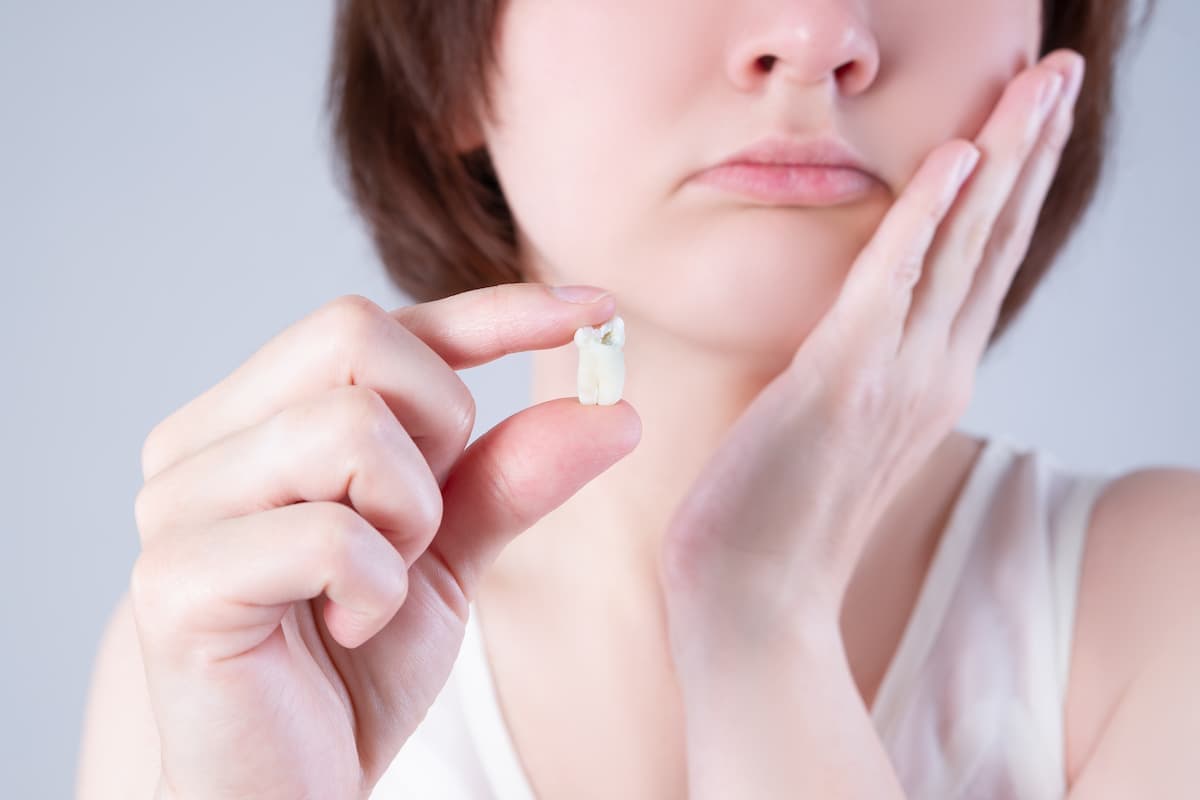
Teeth going missing in adulthood is more common than many people realise. Whether a single tooth has been lost through decay, injury or gum disease, or several teeth are absent due to a long-standing condition, the experience raises many understandable questions. What caused it? What might happen next? And what can be done about it?
This article explores the common causes of teeth missing in adults, what may happen when a tooth is lost, and the range of options a dentist may consider when discussing replacement. It is written as an educational resource to help you feel informed — not to alarm you or push you towards any particular treatment.
What Happens When You Have Missing Teeth?
When a tooth is lost, the surrounding gum and jawbone no longer receive the same stimulation from biting and chewing. Over time, the supporting bone may gradually reduce in volume, neighbouring teeth can begin to drift towards the gap, and opposing teeth may over-erupt. These changes can affect chewing efficiency, speech clarity and, in some cases, facial appearance. The nature and speed of these changes vary considerably between individuals.
Common Causes of Teeth Missing in Adults
Understanding why teeth are lost is an important first step. In adults, there are several well-recognised contributing factors.
Tooth Decay
Dental caries — commonly known as tooth decay — remains one of the leading causes of tooth loss in adults across the UK. When decay is left untreated, it can progress through the enamel and dentine into the pulp of the tooth, eventually making extraction necessary. Regular check-ups and early intervention can often prevent this outcome, though individual susceptibility varies.
Gum Disease
Advanced gum disease (periodontitis) affects the tissues that support your teeth, including the bone. As the supporting structures break down, teeth can become loose and may eventually be lost. Our guide on how reversible gum disease is explains why early action matters. Published UK data identifies periodontitis as one of the more prevalent oral diseases in adults and a contributor to tooth loss in later life.
Trauma and Injury
A direct blow to the mouth — whether from a sporting accident, a fall or another form of impact — can cause a tooth to be knocked out or damaged beyond repair. Front teeth are particularly vulnerable in traumatic injuries.
Medical Conditions and Medications
Certain systemic health conditions, including uncontrolled diabetes and osteoporosis, can influence oral health and may be associated with an increased risk of tooth loss. Some medications can affect saliva flow or gum tissue, indirectly affecting dental stability. It is always worth informing your dentist about any medical conditions or medications you are taking.
Congenitally Missing Teeth
Some individuals are born without certain teeth — a condition known as hypodontia (when one to five teeth are absent) or oligodontia (when six or more teeth are absent). The most commonly affected teeth are upper lateral incisors, lower second premolars and wisdom teeth. Congenitally missing teeth may be part of a broader syndrome or may occur in isolation, often with a genetic component. Treatment options for congenitally missing teeth depend on the specific teeth involved, the age of the patient and the overall structure of the bite.
What May Happen After Tooth Loss
The consequences of losing a tooth are not always immediate, and not everyone will experience the same effects. However, there are several changes that dental professionals commonly observe following tooth loss, and understanding these can help inform decisions about replacement.
Changes in Chewing Efficiency
Each tooth in your mouth plays a role in breaking down food effectively. When one or more teeth are missing — particularly back teeth, which bear the greatest chewing load — your ability to chew food thoroughly may be affected. Over time, this can lead to changes in food choices, with harder foods becoming more difficult to manage. You can read more about missing teeth and general health.
Effects on Speech
Teeth contribute to the production of certain sounds. Missing front teeth, in particular, can affect the way sounds such as "s", "f" and "th" are articulated. Some people notice changes to their speech following tooth loss, though the degree of impact varies depending on which teeth are absent and individual speech patterns.
Shifting and Drifting of Neighbouring Teeth
One of the more frequently observed consequences of tooth loss is the gradual movement of adjacent and opposing teeth. Without a neighbouring tooth to act as a natural boundary, teeth may drift into the gap over time. Opposing teeth — those in the opposite jaw — may also begin to over-erupt, moving further out of the gum line than is ideal. These changes can affect the bite and may make future replacement more complicated.
Bone Changes Following Tooth Loss
The jawbone relies on the stimulation of biting and chewing — transmitted through the tooth roots — to maintain its volume and density. When a tooth is lost, this stimulation is removed and the alveolar bone (the portion of the jaw that supports tooth roots) may gradually begin to resorb. This is a well-documented process, though the rate and extent of bone loss can vary considerably depending on the site of the missing tooth, the individual's overall health and how long the tooth has been absent.
This is one of the reasons why dental professionals often discuss the timing of replacement with patients who are considering their options.
Facial Structure and Appearance
In cases where multiple teeth are missing or where tooth loss has been present for a long period, changes to facial support can sometimes become visible. The lower face may appear to lose some of its definition, as the bone and soft tissue that teeth help support gradually change. This is more likely to be noticeable in cases involving multiple missing teeth or when back teeth have been absent for a significant time.
Missing Front Teeth Versus Missing Back Teeth
The position of a missing tooth significantly influences both its functional impact and the options available for replacement.
Missing front teeth are often immediately visible and can affect a person's confidence in their smile, as well as their ability to bite into food and produce certain speech sounds. The aesthetic and psychological dimensions of a missing front tooth are frequently a priority for patients seeking advice, and our guide to restoring damaged or missing teeth covers the choices in more depth.
Missing back teeth may be less immediately visible, but their functional impact can be significant. The molar and premolar teeth are responsible for the majority of grinding and chewing. Long-term effects of missing back teeth can include changes in chewing efficiency, gradual bone loss at the site, and increased strain on remaining teeth that must compensate for the absent ones.
Options for Replacing Missing Teeth
There is no single solution that suits every patient, and the most appropriate approach depends on a number of factors, including the number of teeth missing, the condition of surrounding teeth and gum tissue, bone volume, overall oral health and personal preferences. A dentist will assess these factors and explain which options may be suitable for your specific situation.
Dental Implants
A dental implant is a titanium post that is placed into the jawbone, acting as an artificial tooth root onto which a crown, bridge or denture can be attached. Implants are generally considered to provide a stable and long-lasting replacement option, and they offer the additional benefit of providing direct stimulation to the jawbone, which may help reduce bone resorption over time.
Suitability for dental implant treatment depends on factors including bone volume at the implant site, overall oral health and medical history. Not everyone is a suitable candidate, and a thorough assessment is required before treatment can be considered.
Dental Bridges
A dental bridge uses the teeth adjacent to the gap — known as abutment teeth — as anchors to support one or more artificial teeth spanning the space. Bridges are fixed restorations and do not require removal for cleaning. However, they do involve preparation of the neighbouring teeth, which is an important consideration when those teeth are otherwise healthy.
Bridges do not address the bone changes that may occur at the site of a missing tooth root, as there is no implant or root present to stimulate the underlying bone.
Removable Dentures
Partial or full dentures remain a commonly used option for replacing one or more missing teeth. Modern dentures can be made to closely match the appearance of natural teeth, and they offer a non-invasive solution that does not require surgery or modification of adjacent teeth.
Dentures are removable, which some patients find straightforward, while others prefer a fixed alternative. Over time, as the jawbone changes shape, dentures may require adjustment or replacement to maintain a comfortable fit.
Which Option Is Most Suitable?
The difference between dental implants and bridges for missing teeth is a question that often arises in patient consultations. Each has distinct advantages and limitations, and suitability is highly individual. Implants generally require adequate bone volume and a commitment to a surgical procedure and healing period. Bridges can often be completed more quickly but involve the adjacent teeth. Dentures are accessible to a wider range of patients but require ongoing maintenance and adjustment.
A dental professional will explain the options relevant to your circumstances without pressure to choose a particular path.
Missing Teeth Solutions for Seniors
Tooth loss is more common in older adults, and the considerations surrounding replacement can be different from those in younger patients. Bone density, the presence of systemic health conditions, medication interactions and the overall condition of remaining teeth are all factors that may influence which options are appropriate. Many older patients do very well with well-fitted dentures, while others may be suitable candidates for implant-supported restorations. An open conversation with a dentist is the best way to explore what is realistic and appropriate for an individual's circumstances.
Preventing Further Tooth Loss
Regardless of whether replacement treatment is pursued, good oral hygiene and regular professional care remain the most important factors in preserving the teeth that remain. Twice-daily brushing with a fluoride toothpaste, daily interdental cleaning and routine dental check-ups can all help reduce the risk of further decay and gum disease. Attending regular appointments also allows early identification of any changes in the position of neighbouring teeth following a loss.
When to Seek Professional Advice
If you have a tooth that is missing or has recently been lost, speaking to a dentist is a sensible first step. A clinical assessment allows the dentist to evaluate the overall state of your oral health, discuss any changes that may already be occurring and explain what options may be suitable for you.
There is no obligation to proceed with any particular treatment, and it is entirely reasonable to seek information before making decisions. Wimpole Dental offers thorough consultations for patients with questions about missing teeth, and you can book a private dental appointment in a calm and professional environment.
Frequently Asked Questions
1. How quickly can bone loss begin after a tooth is extracted?
Bone resorption at the site of a missing tooth can begin relatively soon after extraction, with some research suggesting measurable changes within the first few months. The rate and extent of loss varies between individuals and is influenced by factors including the site of the extraction, overall bone health and whether infection was present. A dentist can advise on how this may apply in your specific case.
2. Can a missing tooth cause the remaining teeth to shift noticeably?
Yes, drifting of neighbouring or opposing teeth is a commonly observed consequence of tooth loss, though the speed and degree of movement varies. Some individuals notice changes within months; in others, the process is much slower. Regular monitoring by a dentist can help identify any changes early.
3. Is it possible to have a tooth replaced immediately after extraction?
In some cases, a temporary or permanent restoration can be placed at or shortly after the time of extraction — this is sometimes referred to as an immediate placement or immediate loading procedure in the context of implants. However, suitability depends on the condition of the extraction site, surrounding bone and overall oral health. Not all situations are appropriate for immediate replacement, and your dentist will advise on the most appropriate timing.
4. Are there age restrictions for dental implants?
Dental implants are not typically recommended until jaw growth is complete, which usually occurs in the late teens or early twenties. For older adults, age alone is not generally a barrier, but overall health, bone density and the presence of certain medical conditions may affect suitability. A thorough assessment is always required.
5. How are congenitally missing teeth typically managed?
Management of congenitally missing teeth depends on which teeth are absent, the patient's age and the alignment of the existing teeth. Options may include orthodontic treatment to close the space, the use of a denture or bridge during growth years, and implant placement once jaw growth is complete. In some cases, the existing teeth can be reshaped or restored to compensate for the absence. Treatment is planned on an individual basis, often involving a team of dental specialists.
6. Can missing teeth affect overall health beyond the mouth?
There is a body of research exploring associations between poor oral health, tooth loss and certain systemic conditions, though the relationships are complex and causation is difficult to establish. Practically speaking, missing teeth that affect chewing efficiency can influence food choices and nutritional intake, which may have broader health implications over time. This is one reason why addressing tooth loss — in whatever form suits the individual — is considered part of broader health maintenance.
7. How do I keep the area clean around a dental bridge?
Cleaning beneath a dental bridge requires particular attention, as a toothbrush cannot reach the underside of the artificial tooth spanning the gap. Floss threaders, interdental brushes or a water flosser can be used to clean beneath the bridge and around the abutment teeth. Your dentist or hygienist can demonstrate the most effective technique for your specific bridge design.
8. What is the difference between a partial denture and a full denture?
A partial denture is designed to replace one or several missing teeth when some natural teeth remain. It is usually held in place by clasps that fit around existing teeth. A full denture replaces an entire arch of teeth when all natural teeth in that arch have been lost. Both types are removable and may require periodic adjustment as the gum and bone change shape over time.
9. If I have a missing back tooth that isn't visible, do I still need to consider replacing it?
Even if a missing back tooth is not visible when you smile, its absence can have functional consequences. Back teeth bear the majority of the chewing load, and their absence may affect chewing efficiency, increase wear on remaining teeth and lead to the bone and gum changes described earlier in this article. Whether replacement is advisable depends on your overall oral health and individual circumstances, and a dentist can help you weigh up the options.
10. How long do tooth replacement options typically last?
Longevity varies depending on the type of restoration and how well it is maintained. Dental implants, with appropriate care and regular monitoring, can function well for many years; however, like any dental restoration, they are not guaranteed to last indefinitely. Bridges generally last between ten and fifteen years on average, though this varies. Dentures typically require adjustment or replacement every five to ten years as the underlying bone and gum tissue change. Good oral hygiene and regular professional check-ups are important factors in extending the life of any restoration.
Disclaimer
This article is for general educational purposes and does not replace personalised advice from a registered dental professional. Causes of tooth loss and the suitability of replacement options depend on individual factors that need an in-person examination. It is not a diagnosis or treatment recommendation. No specific outcome or timeline is guaranteed. Please consult a registered dentist about any concerns.
Written Date: 04 November 2026 | Next Review Date: 04 November 2027
Written by Wimpole Dental Editorial Team · reviewed by Wimpole Dental Clinical Team
This article is general information, not personal clinical advice. For a diagnosis and a plan tailored to you, book a consultation with a GDC-registered dentist.
Related treatments at our Wimpole Street practice