Can a Missing Tooth Affect Your Oral and General Health?
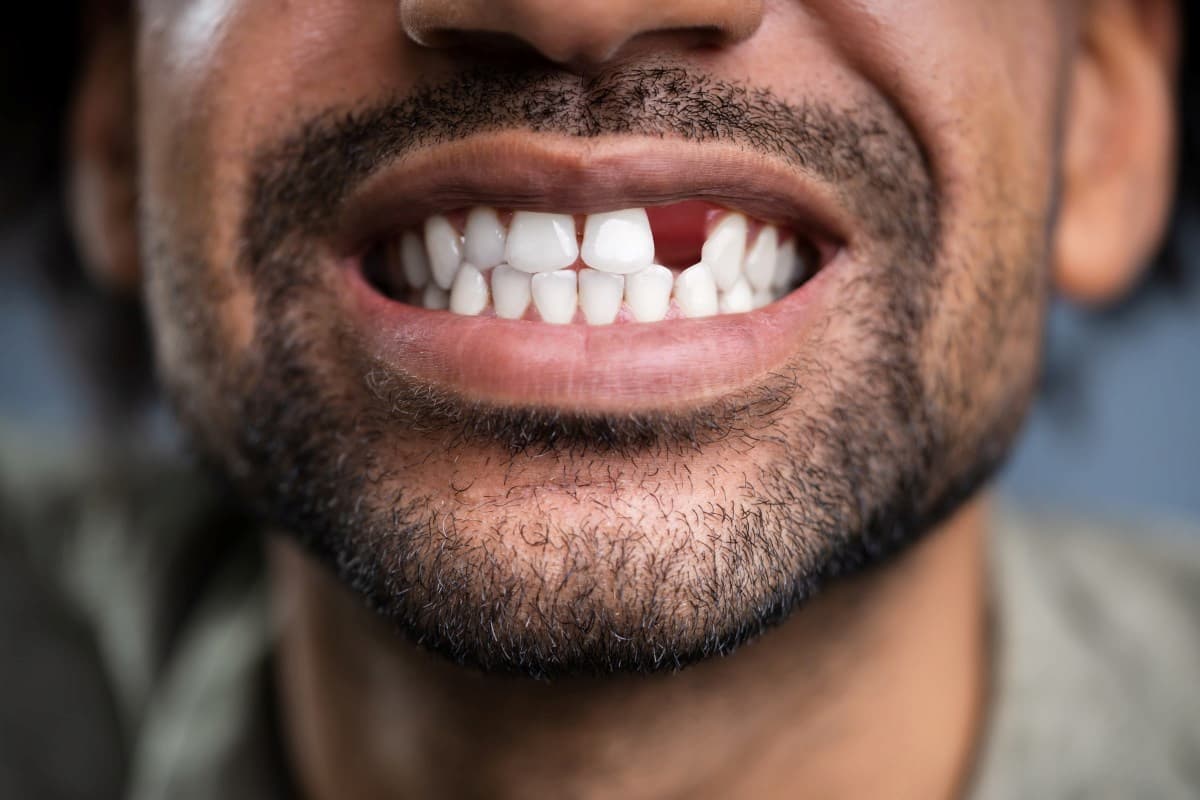
Losing a tooth — whether through decay, gum disease, injury, or extraction — is more common than many people realise. According to current UK oral-health data, a significant proportion of adults are living with at least one missing tooth. And while a gap in the smile may seem like a cosmetic concern, the effects of a missing tooth can extend well beyond appearance.
Understanding what may happen after tooth loss — locally, functionally, and more broadly — can help you make informed decisions about your oral health and know when it may be worth seeking professional advice.
What Happens When You Lose a Natural Tooth?
Each tooth in your mouth plays a structural and functional role. When a tooth is lost, it leaves a gap that affects not just that one space, but the surrounding oral environment.
In the short term, the gum tissue at the site of the missing tooth begins to heal. Over weeks and months, however, a series of gradual changes may begin — some more noticeable than others — depending on which tooth is missing, your overall oral health, and how you care for your mouth.
It is worth noting that the consequences of losing a single tooth at the back of the mouth may differ considerably from those of losing a front tooth. Both can matter, but the effects — functional, aesthetic, and structural — can vary significantly.
Can One Missing Tooth Really Affect Oral Health?
This is one of the most common questions patients ask, and it is a fair one. The short answer is: yes, a single missing tooth can affect oral health in a number of ways — though the extent and pace of those changes will vary from person to person.
Changes to the Surrounding Teeth
Teeth are designed to function as a unit. They maintain their position partly through contact with adjacent and opposing teeth. When a tooth is lost, the teeth on either side of the gap may gradually begin to shift or tilt towards the empty space. The tooth that previously bit against the missing tooth (known as the opposing tooth) may also over-erupt — meaning it begins to move downward or upward into the gap.
These shifts do not happen overnight, and they do not occur in every case. However, where movement does occur, it can affect how the upper and lower teeth meet — a relationship dentists refer to as the bite or occlusion. Changes to the bite may, in some circumstances, place additional strain on the jaw joint and remaining teeth.
Oral Hygiene Around a Gap
Gaps left by missing teeth can sometimes be harder to clean effectively. Food can become trapped, and the gum tissue around the gap may be more susceptible to plaque accumulation. If plaque is not removed consistently, this can create conditions that increase the risk of developing early periodontal inflammation around neighbouring teeth in the surrounding area.
Good oral hygiene — including regular brushing, interdental cleaning, and professional check-ups — remains important whether or not a tooth is replaced.
Does a Missing Tooth Cause Bone Loss?
This is one of the more significant — and less widely understood — consequences of tooth loss.
The jawbone (specifically, the alveolar bone that surrounds and supports tooth roots) relies on the stimulation provided by biting and chewing forces transmitted through the tooth root. When a tooth is lost, that stimulation ceases. Over time, the bone in the area of the missing tooth may begin to reduce in volume — a process known as bone resorption.
Current clinical understanding suggests that meaningful bone changes can begin within the first year following tooth loss, though the rate and extent varies considerably between individuals. Factors including age, systemic health, and overall bone density can all influence how the bone changes over time.
This reduction in bone volume is clinically relevant for several reasons:
• It may affect the appearance of the jaw and facial profile over time, particularly where multiple teeth are missing.
• It can influence the options available for tooth replacement at a later stage, as some procedures — such as implant-based replacement options that rely on healthy jawbone support — may require a sufficient volume of healthy bone.
• In cases of multiple missing teeth, cumulative bone changes may be more pronounced.
It is important to be clear: bone changes following the loss of a single tooth are often gradual and may not result in immediately noticeable effects. However, they are a recognised consequence of tooth loss that current UK preventive dental guidance takes seriously.
How a Missing Tooth Can Affect Chewing and Diet
The relationship between missing teeth, chewing ability, and diet is one of the more practically significant aspects of tooth loss — and one that is sometimes underestimated.
Teeth have specific functions. Molars and premolars are primarily responsible for grinding food. Front teeth are involved in biting and cutting. When one or more of these teeth are absent, the remaining teeth may compensate by taking on additional load.
Where chewing ability is meaningfully affected — which is more likely with the loss of molar teeth or multiple missing teeth — research has identified an association with dietary changes. People who find certain foods difficult to chew may gradually shift towards softer, more processed foods and away from fibrous vegetables, whole grains, and harder fruits. Over time, such dietary changes could have nutritional implications, though the extent of this effect from a single missing tooth is likely to be modest in most cases.
If you notice that a gap is affecting how comfortably you can chew, this is worth mentioning to your dentist during a routine examination.
Can Missing Teeth Affect Speech?
Teeth play an active role in the production of certain sounds. In particular, the upper front teeth are involved in making sounds such as "f", "v", "th", and "s". If front teeth are missing, some people notice changes to the way certain sounds are produced or perceived.
The degree to which tooth loss affects speech depends on which teeth are missing and the individual's own patterns of speech. Many people adapt naturally over time. For others, particularly where multiple front teeth are involved, the effect on speech may be more noticeable.
If speech is a concern, discussing this with a dental professional as part of a broader assessment can be helpful.
The Relationship Between Oral Health and General Health
The connection between oral health and general health has been an area of growing clinical interest, and it is one that requires careful interpretation.
Current evidence supports the view that oral health and general health are interconnected — but the nature of that relationship is complex, and in many cases involves association rather than direct causation.
What the Evidence Suggests
Research has identified associations between periodontal disease and a number of systemic conditions, including cardiovascular disease and diabetes. However, it is important to understand what this means in practice:
• An association means that two conditions tend to occur together more frequently than chance would suggest. It does not necessarily mean that one causes the other.
• The relationship between oral disease and systemic health is likely bidirectional — for example, uncontrolled diabetes may increase susceptibility to gum disease, while chronic gum disease may make blood sugar control more difficult in people with diabetes.
• A single missing tooth, in isolation, does not directly cause cardiovascular disease or other systemic conditions.
What current understanding does suggest is that maintaining good overall oral health — including addressing gum disease, managing tooth loss appropriately, and attending regular dental appointments — is a reasonable part of a broader preventive health approach.
Nutrition, Wellbeing, and Quality of Life
Beyond the more complex question of systemic disease, missing teeth can affect day-to-day wellbeing in ways that matter. Difficulty chewing, concerns about appearance, or self-consciousness in social situations are all recognised consequences of tooth loss that affect quality of life for some individuals.
These are valid concerns, and they deserve to be taken seriously alongside the more clinical aspects of oral health. Research consistently identifies quality of life as a meaningful outcome in oral health assessment, and UK dental guidance increasingly reflects this patient-centred perspective.
Does Every Missing Tooth Need to Be Replaced?
This is a nuanced question, and one that does not have a single answer that applies to everyone.
Whether tooth replacement is appropriate depends on a range of individual factors, including:
• Which tooth is missing and where it sits in the mouth
• The effect on chewing and oral function
• The condition of surrounding teeth and supporting bone
• The patient's general health and suitability for different procedures
• The patient's own priorities and preferences
In some cases — particularly where a tooth at the back of the mouth is missing, causes no functional difficulty, and surrounding teeth remain stable — a dentist may advise a period of monitoring rather than immediate replacement. In other cases, replacement may be recommended to preserve function, support bone health, or prevent neighbouring teeth from shifting.
If you are comparing pathways in more depth, this broader guide on restoring damaged or missing teeth and how treatment options differ by case complexity can help frame the decision-making process.
This is precisely why individual clinical assessment matters. There is no universal rule, and the decision should be made collaboratively between you and a qualified dental professional.
Options for Replacing a Missing Tooth
Where replacement is considered appropriate, there are several options that may be discussed depending on your circumstances. These include:
• Dental implants — a surgically placed artificial tooth root that supports a crown, designed to function in a similar way to a natural tooth. Implants may help to preserve jawbone in the area of the missing tooth.
• Fixed bridge options for replacing a missing tooth without implant surgery — a restoration that spans the gap, supported by the adjacent teeth. A bridge does not address underlying bone changes but can restore function and appearance.
• Partial dentures — removable appliances that can replace one or more missing teeth. These are a less invasive option but may feel different from fixed restorations.
Each option has its own advantages, limitations, and suitability considerations. The right choice — if replacement is the right course of action — will depend on your individual oral health, bone levels, overall health, and personal circumstances. A thorough assessment with a dentist is the appropriate starting point.
Protecting Your Oral Health When You Have a Missing Tooth
Whether or not you choose to replace a missing tooth, there are practical steps that can help to protect the oral health of the remaining teeth and surrounding tissue:
1. Maintain consistent oral hygiene — brush twice daily with a fluoride toothpaste, and clean between teeth using interdental brushes or floss, including around the gap.
2. Attend regular dental check-ups — your dentist can monitor any changes to surrounding teeth, bone levels, and gum health over time.
3. Tell your dentist if you notice changes — such as teeth feeling different when you bite, sensitivity in neighbouring teeth, or discomfort around the gap.
4. Discuss your options calmly — a good dental professional will help you understand your choices without pressure.
When to Speak to a Dentist
If you have a missing tooth — or have recently had a tooth removed — and are unsure about next steps, booking a dental assessment is a sensible starting point. This does not commit you to any particular treatment. It simply gives you access to professional advice based on your individual situation.
Current UK preventive dental guidance continues to emphasise that regular dental examinations are important not just for identifying problems early, but for helping patients make informed decisions about their oral health over time.
If you would like to discuss the effects of a missing tooth on your oral health and explore what options may be appropriate for your circumstances, booking a personalised dental check-up focused on replacement suitability and long-term oral stability is a sensible next step.
Frequently Asked Questions
Is it possible to leave a missing tooth unreplaced?
In some situations, a dentist may advise monitoring rather than immediate replacement — particularly if the missing tooth is not causing functional problems and surrounding teeth remain stable. Whether this is appropriate depends on which tooth is missing, your overall oral health, and individual clinical factors. It is not a decision to make without professional guidance, as gradual changes to bone and neighbouring teeth may occur over time.
Can a missing tooth change the way I bite?
Potentially, yes. When a tooth is lost, neighbouring teeth may gradually drift towards the gap, and the opposing tooth can over-erupt into the space. These changes can alter the relationship between your upper and lower teeth over time. However, this does not happen in every case, and the rate of change varies significantly between individuals.
Does age affect decisions about tooth replacement?
Age is one of several factors that may influence which replacement options are suitable and how quickly changes around a gap may progress. For example, bone density and healing capacity can change with age, and some replacement procedures may have different considerations for older patients. A thorough clinical assessment will take age and overall health into account alongside oral-health factors.
Can a missing tooth be replaced years after it was lost?
In many cases, yes — though the options available may be affected by changes that have occurred in the intervening period, such as bone resorption or movement of neighbouring teeth. If significant bone loss has occurred, additional procedures may be needed before certain replacement options can be considered. This is why early assessment is generally advisable, even if you are not ready to make an immediate decision.
What if the missing tooth is causing no pain?
The absence of pain does not mean that no changes are occurring. Bone resorption and gradual movement of neighbouring teeth can happen without causing discomfort, particularly in the early stages. Pain is not a reliable indicator of whether a gap requires attention. Regular dental check-ups are the most effective way to monitor changes around a missing tooth.
Can a missing tooth affect confidence and self-esteem even without functional problems?
Yes, and this is a valid concern. Even where a missing tooth is not causing obvious functional difficulties, its effect on appearance and self-confidence can be significant for some individuals. Research in oral-health-related quality of life consistently identifies the psychological and social dimensions of tooth loss as meaningful outcomes. These aspects deserve to be discussed openly with a dental professional.
Are there situations where tooth replacement may not be clinically appropriate?
Yes. Certain health conditions, medications, or the state of the remaining bone and gums may influence whether particular replacement options are suitable. For example, dental implants require adequate bone volume and are not appropriate for everyone. A thorough dental and medical history assessment is essential before any replacement procedure is considered. Your dentist will discuss suitability, limitations, and alternatives based on your individual circumstances.
Can missing teeth at the back of the mouth have the same effects as missing front teeth?
Both can have meaningful consequences, though the nature of those effects differs. Missing back teeth (molars and premolars) are more likely to affect chewing function and may be more closely associated with dietary changes and bite-related strain. Missing front teeth tend to have a more immediate impact on appearance, speech, and self-confidence. Bone changes can occur following loss of teeth in either location.
Does the cause of tooth loss make a difference to what happens next?
In some cases, yes. For example, if a tooth was lost due to active gum disease, the underlying condition needs to be stabilised before replacement is considered. If infection was involved, the surrounding bone and tissue may need time to heal. Understanding why a tooth was lost helps guide appropriate next steps — which is another reason why clinical assessment is important.
Can good oral hygiene slow the bone changes that occur after tooth loss?
Good oral hygiene cannot directly prevent bone resorption that results from the absence of a tooth root. However, maintaining healthy gums and controlling gum disease can help to preserve the bone that remains. Where gum disease is present and untreated, bone loss around remaining teeth can be accelerated — making consistent oral hygiene and regular professional care important regardless of whether replacement is pursued.
Dental Disclaimer
This article is for general education only and is not a diagnosis or treatment recommendation. Oral health needs vary by patient and require in-person assessment by a qualified dental professional. No treatment outcome is guaranteed, and suitability is confirmed only after clinical examination. If you have gum bleeding, pain, or other symptoms, seek advice from a registered dental professional. Content is written in line with GDC standards, CQC communication principles, and ASA/CAP rules.
Written Date: 26 August 2026 Next Review Date: 26 August 2027
Written by Wimpole Dental Editorial Team · reviewed by Wimpole Dental Clinical Team
This article is general information, not personal clinical advice. For a diagnosis and a plan tailored to you, book a consultation with a GDC-registered dentist.
Related treatments at our Wimpole Street practice