How Can Regular Oral Hygiene Help Prevent Plaque Hardening Into Tartar?
Most people are familiar with the instruction to brush twice a day. Fewer understand precisely why this matters beyond keeping teeth looking clean. At the heart of preventive dental care lies a process that begins almost immediately after brushing: the formation of dental plaque. Left undisturbed, this soft biofilm can undergo a gradual transformation into a much harder deposit — one that cannot be removed by a toothbrush alone.
Understanding how oral hygiene fits into this process is one of the most practical things a person can know about looking after their teeth and gums. This article explains what plaque and tartar actually are, how one can become the other, what daily oral hygiene can and cannot achieve, and why professional scale-and-polish pathway remains an important part of long-term oral health.
What Is Dental Plaque?
Dental plaque is a soft, sticky biofilm that forms naturally on tooth surfaces throughout the day. It develops as bacteria in the mouth — part of the normal oral microbiome — colonise the thin protein layer that coats teeth shortly after they are cleaned. As bacteria multiply, they produce acids and metabolic by-products that, over time, can affect both the hard surfaces of teeth and the surrounding gum tissue.
Plaque is colourless or pale yellow and is not always easily visible to the naked eye without the aid of a disclosing agent. It tends to accumulate most rapidly in areas that are difficult to clean: along the gumline, in the spaces between teeth, and in the grooves on the biting surfaces of back teeth.
Current dental understanding confirms that plaque is not an occasional problem — it reforms continuously. This is precisely why consistent daily oral hygiene matters, rather than occasional thorough cleaning.
Understanding Tartar (Calculus)
Tartar — known clinically as dental calculus — is the hardened form of dental plaque. When plaque is not effectively removed, it can absorb minerals from saliva, particularly calcium and phosphate. Over time, this mineralisation process causes the soft plaque biofilm to calcify and harden into a rough, stone-like deposit that adheres firmly to tooth surfaces.
Plaque vs Tartar at a Glance
This distinction is important. Many patients are surprised to learn that what they can see — a yellowish or brownish deposit near the gumline — is likely calculus that has already hardened, rather than soft plaque that brushing alone can now dislodge.
The Mineralisation Process
Mineralisation does not happen at the same rate for everyone. Plaque that remains undisturbed can begin to calcify over time, with the timeline varying considerably between individuals. Once mineralisation begins, the deposit progressively hardens, making it increasingly difficult to dislodge through normal brushing.
Several factors can influence how quickly this process occurs:
• Saliva composition — Higher levels of calcium and phosphate in saliva may increase the rate of mineralisation in some individuals
• Oral hygiene consistency — Infrequent or ineffective cleaning allows plaque more time to remain undisturbed
• Diet — Certain dietary patterns can influence the oral environment and bacterial activity
• Individual biology — Differences in saliva and oral conditions can affect susceptibility to tartar accumulation
• Smoking — Tobacco use is associated with increased calculus formation and more significant deposits
Understanding this process helps explain why the window for effective home care is relatively short. The objective of daily brushing and interdental cleaning is to disrupt plaque accumulation before mineralisation can take hold.
How Brushing Teeth Helps Control Plaque
Effective toothbrushing is the most widely recommended method for disrupting and removing dental plaque from accessible tooth surfaces. Current UK oral health guidance, including NHS recommendations, advises brushing teeth twice daily — last thing at night and at one other time during the day — using a fluoride toothpaste.
Brushing Technique Matters
Simply placing a toothbrush in the mouth is not sufficient. Research consistently shows that plaque removal is significantly influenced by technique, not only duration. Key principles include:
• Angling the brush towards the gumline to reach plaque accumulating at the junction between teeth and gums
• Using small, circular or gentle scrubbing movements rather than broad horizontal strokes that may miss the gumline
• Spending adequate time — generally around two minutes — to cover all tooth surfaces systematically
• Not rinsing immediately with water after brushing, as this can wash away concentrated fluoride from toothpaste, reducing its protective benefits
• Replacing the toothbrush or brush head regularly, approximately every three months, to maintain cleaning effectiveness
Whether using a manual or powered electric toothbrush, consistent technique and frequency remain the most important variables. Some clinical evidence suggests that oscillating-rotating electric toothbrushes may provide modest advantages in plaque removal, though a well-used manual brush remains effective.
Why Interdental Cleaning Matters
A toothbrush does not reliably clean every surface between teeth. These interdental areas are common sites for plaque accumulation and, subsequently, for tartar formation and early gum inflammation.
Flossing and Interdental Brushes
NHS guidance recognises interdental cleaning as an important complement to toothbrushing. Options include:
• Dental floss or tape — suitable for tight interdental spaces
• Interdental brushes — often more effective for larger gaps and for individuals with bridgework or orthodontic appliances
• Water flossers — may be a useful adjunct, particularly for those who find manual interdental cleaning challenging
Regular interdental cleaning can help disrupt plaque in areas where it would otherwise remain undisturbed long enough to begin mineralising. It is a practically significant step that many people omit from their daily routine, often without realising how much difference it can make to overall plaque control.
What Daily Oral Hygiene Cannot Remove
This is an important and sometimes overlooked point. Effective daily oral hygiene — when carried out consistently and correctly — can help remove soft plaque and meaningfully limit the opportunity for tartar to form. However, it is important to understand that:
• Once plaque has fully mineralised into calculus, it is generally too hard and too firmly attached to tooth surfaces to be effectively removed by brushing or flossing alone.
• Home remedies, including certain commercially available products marketed as tartar removers, are unlikely to dissolve or effectively remove hardened calculus deposits. Claims in this area should be approached with appropriate caution.
• Attempting to scrape or pick calculus away using tools at home is not advisable, as this can damage enamel, irritate gum tissue and carry a risk of infection.
This does not mean that daily oral hygiene becomes less valuable once tartar has formed — it remains essential for controlling further plaque accumulation. It does mean, however, that professional dental care plays a role that cannot be fully replicated at home.
Professional Dental Cleaning and Its Role
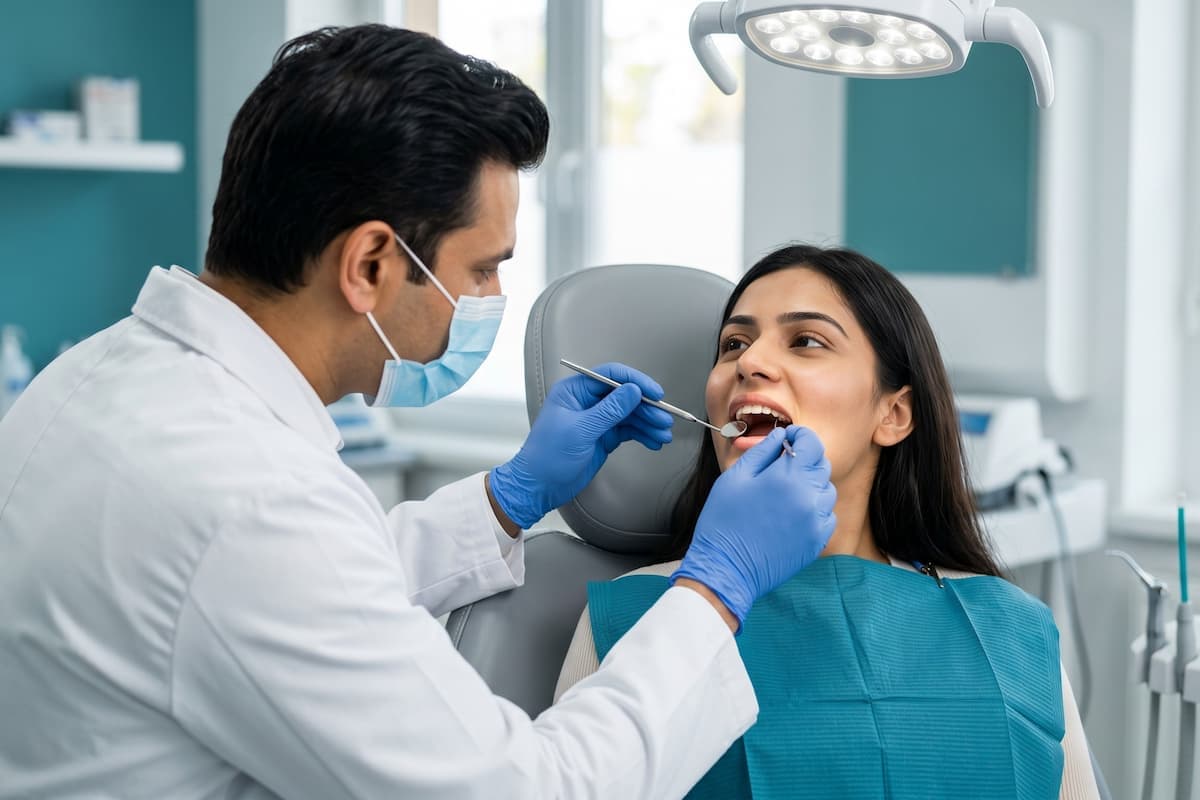
When calculus has established itself on tooth surfaces, professional dental cleaning — sometimes referred to as scaling or a scale and polish — may be recommended by a dental professional. This typically involves the use of specialised instruments to carefully remove hardened deposits from tooth surfaces, including from areas at and below the gumline.
Professional cleaning differs from home care in several important ways:
1. It can address calculus that has already hardened
2. It can reach below the gumline, where calculus can form and is invisible to the patient
3. It provides an opportunity for a dental professional to assess the health of teeth and gums
4. It can help reduce the reservoir of bacteria associated with tartar deposits
The frequency with which professional cleaning may be appropriate varies from person to person, and reviewing hygienist recall intervals can support better planning around individual oral health needs. A dentist or dental hygienist is best placed to advise on what is appropriate for a given patient's circumstances.
Tartar, Gum Health and Why It Matters
Calculus deposits are not purely an aesthetic concern. The rough surface of tartar provides an ideal environment for further bacterial accumulation, meaning that once tartar has formed, it can act as a continued source of irritation to the surrounding gum tissue.
This irritation can be associated with early gum inflammation, known clinically as gingivitis. Gingivitis is characterised by redness, swelling and a tendency for gums to bleed during brushing or flossing. Current dental understanding indicates that gingivitis is often reversible with improved oral hygiene and professional care; reversing early gum changes is possible, but if left unaddressed, it may progress to more significant periodontal conditions affecting the deeper supporting structures of the teeth.
The relationship between plaque, calculus and gum health underlines why effective oral hygiene is about more than cosmetic outcomes. Protecting gum health is a central purpose of consistent daily preventive care.
Practical Daily Oral Hygiene Habits
Supporting long-term oral health through daily habits does not require a complicated routine. The following practical steps reflect current UK preventive dental guidance:
• Brush twice daily — morning and last thing at night — using a fluoride toothpaste
• Clean between teeth once a day using floss, interdental brushes or a suitable alternative
• Do not rinse immediately after brushing — spit but do not rinse, to allow fluoride to remain on tooth surfaces
• Maintain a balanced diet, limiting the frequency of sugary and acidic foods and drinks
• Stay hydrated, as saliva plays a role in naturally buffering the oral environment
• Attend regular dental examinations — these allow a professional to identify and address calculus accumulation before it progresses, and to check overall oral and gum health
• Do not smoke — tobacco use is associated with increased calculus formation and poorer gum health outcomes
• Discuss any concerns with a dentist or hygienist, particularly if you notice visible deposits on teeth, bleeding gums or persistent bad breath
When to Seek Professional Dental Advice
While consistent oral hygiene is the foundation of plaque control, certain signs may suggest that a professional assessment would be helpful:
• Visible hard yellowish or brownish deposits near the gumline
• Gums that bleed regularly during brushing or flossing
• Persistent bad breath that does not resolve with normal oral hygiene
• Gums that appear swollen, tender or have begun to recede
• A rough or gritty sensation on tooth surfaces
None of these necessarily indicate a serious condition, but they are reasonable indicators that a dental professional's input could be valuable. Early attention to these concerns generally supports better long-term outcomes, and you can speak with a hygienist team if you need tailored preventive guidance.
Frequently Asked Questions
1. Can tartar be prevented completely?
Complete prevention of tartar is not possible for every individual, as factors including saliva composition and individual physiology can influence calculus formation. However, consistent and effective oral hygiene — regular brushing, daily interdental cleaning and risk-based dental examinations — can meaningfully reduce the rate and extent of tartar accumulation for many people.
2. Can brushing remove tartar that has already formed?
Generally, no. Once dental plaque has fully mineralised into calculus, it becomes too hard and too firmly attached to tooth surfaces for a toothbrush to dislodge effectively. Brushing remains essential for controlling further plaque accumulation, but established tartar typically requires professional removal using specialised dental instruments.
3. Can flossing remove hardened calculus?
Flossing and interdental cleaning are very effective for disrupting and removing soft plaque from between teeth before it mineralises, but they cannot remove calculus that has already hardened and adhered to tooth surfaces. Their primary preventive value lies in limiting the opportunity for plaque to remain in interdental areas long enough to begin calcifying.
4. Why does tartar seem to build up faster for some people?
Individual variation in tartar formation is well recognised. Differences in saliva composition — particularly calcium and phosphate levels — can influence the speed of mineralisation. Smoking, certain medications that cause dry mouth, diet and the consistency of oral hygiene practices can all contribute to differences in the rate at which calculus develops between individuals.
5. Can tartar return after professional cleaning?
Yes. Professional dental cleaning removes established calculus deposits, but plaque will continue to form on tooth surfaces after any cleaning procedure. Without consistent ongoing oral hygiene, plaque can once again mineralise into tartar over time. This is why daily home care and regular professional reviews remain important even after tartar has been removed.
6. Does tartar always cause gum disease?
Not necessarily in every individual case. However, calculus deposits are associated with sustained bacterial accumulation and gum irritation, and are recognised as a risk factor for gum inflammation (gingivitis) and, in some cases, more significant periodontal disease. Whether tartar contributes to a more serious condition depends on a range of factors, including the individual's immune response, oral hygiene and overall health. A dental professional is best placed to assess any individual concern.
7. Are home tartar-removal tools or products safe?
Some commercially available products claim to reduce or remove tartar at home. Tartar-control toothpastes may help slow mineralisation to a degree, but are unlikely to remove hardened deposits that have already formed. Using physical scraping tools at home is not recommended, as there is a risk of damaging tooth enamel or irritating gum tissue. Professional assessment and cleaning is a far safer option if calculus has accumulated.
8. How often should someone have a professional dental cleaning?
There is no single answer that applies to everyone. The appropriate frequency of professional dental examinations and cleaning is individual and depends on a person's oral health status, tartar accumulation patterns, gum health and other factors. Some individuals may benefit from more frequent hygienist visits, while others may require less frequent appointments. A dentist or hygienist is best placed to provide a recommendation based on individual needs.
9. Is it normal for gums to bleed when I first start flossing regularly?
Some initial mild bleeding when beginning or resuming regular interdental cleaning is not unusual and may reflect mild gum inflammation caused by plaque accumulation in those areas. In many cases, this improves with consistent interdental cleaning over a period of weeks as gum health improves. Persistent or heavy bleeding should be discussed with a dental professional, as it can occasionally indicate an underlying concern that merits assessment.
10. Can certain foods increase tartar formation?
A diet high in sugary and refined carbohydrate foods may promote greater bacterial activity in the mouth, contributing to more rapid plaque formation. Some research also suggests that certain dietary patterns may influence saliva composition. Maintaining a balanced diet and limiting the frequency of sugary or acidic foods and drinks is considered supportive of overall oral health, though diet is just one of several factors that influence plaque and tartar accumulation.
--- ---
Dental Disclaimer
This article is for general educational information only and does not replace a personal dental examination. Advice, diagnosis, and treatment decisions should always be based on an assessment by a GDC-registered dental professional. If you have symptoms or concerns, please seek prompt professional dental care.
Written Date: 9 October 2026 | Next Review Date: 9 October 2027
Written by Wimpole Dental Editorial Team · reviewed by Dr Yasha Y Shirazi, GDC 195843
This article is general information, not personal clinical advice. For a diagnosis and a plan tailored to you, book a consultation with a GDC-registered dentist.
Related treatments at our Wimpole Street practice