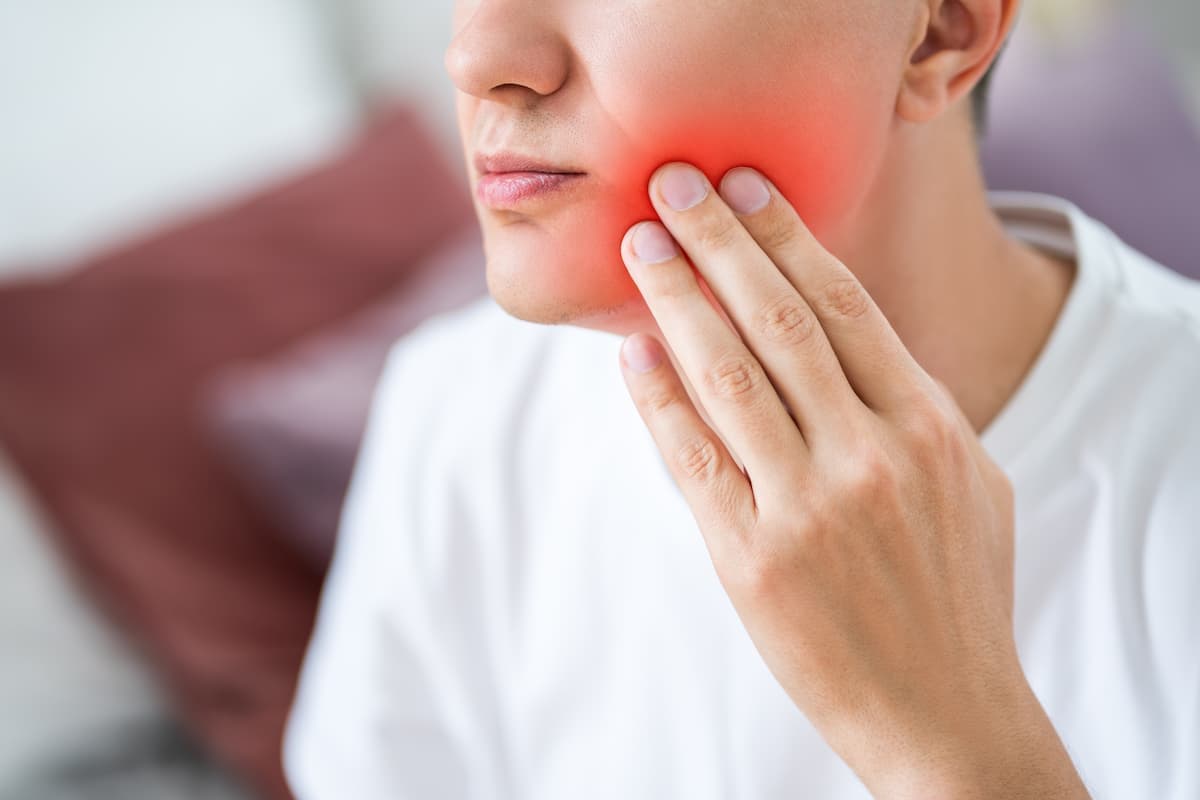
Painful Tooth When Pressure Applied: Causes and What It Means
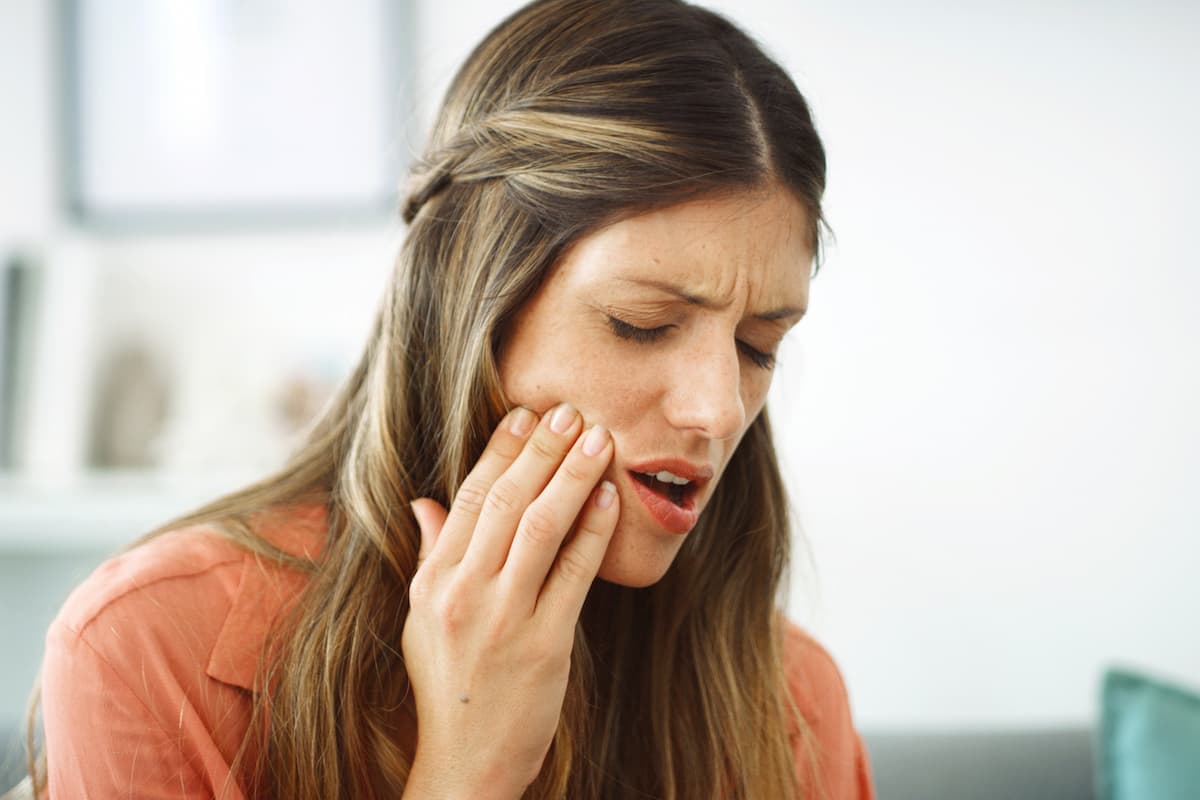
Noticing that a tooth feels sore, tender or painful when you bite down or apply pressure is one of the more common — and often puzzling — dental experiences. Unlike a persistent ache or spontaneous toothache, this symptom is specifically triggered by pressure: chewing, biting, pressing on the tooth, or sometimes even touching it with your tongue. It can affect any tooth, including back molars, and may appear with or without other symptoms — especially where untreated molar decay and back-tooth cavities are already present.
Understanding what a painful tooth when pressure is applied may indicate can help you make more informed decisions about your oral health and recognise when professional guidance is appropriate.
Why Does a Tooth Hurt When Pressure Is Applied?
A tooth may hurt when pressure is applied due to several possible causes, including inflammation of the dental pulp (pulpitis), a cracked tooth, decay, gum-related changes, or issues following recent dental treatment such as a filling, crown or root canal procedure. Pressure-related tooth pain can sometimes resolve on its own, but if it persists, worsens or is accompanied by other symptoms, a professional dental assessment is advisable to identify the underlying cause.
What Pressure-Related Tooth Pain Can Feel Like
Not all pressure-related tooth pain feels the same, and the nature of the discomfort can offer useful contextual clues — though it cannot, on its own, establish a diagnosis.
Some people describe a sharp, sudden pain that occurs only at the moment of biting. Others notice a duller, lingering ache that follows chewing and settles after a short period. In some cases, the tooth may feel generally tender when pressed, even without biting hard food. A sore back tooth when pressure is applied is particularly common, given that molars bear the greatest chewing load.
The distinction between tooth pain only when pressure is applied and spontaneous toothache — pain that occurs without any trigger — is clinically relevant. Spontaneous or persistent pain may indicate a more advanced process within the tooth's nerve tissue, while pressure-triggered pain alone can have a wider range of explanations.
Inflammation Within the Dental Pulp (Pulpitis)
Inside every tooth lies soft tissue called the dental pulp, which contains nerves and blood vessels. When this tissue becomes inflamed — a condition known as pulpitis — it can cause sensitivity and pain, including discomfort when biting or applying pressure.
Pulpitis may develop as a response to tooth decay, a deep dental filling, trauma, or repeated dental procedures on the same tooth. Current UK clinical understanding distinguishes between reversible pulpitis, where the inflammation may settle once the irritant is removed, and irreversible pulpitis, where the nerve tissue has been more significantly affected. The distinction matters clinically, as it guides whether the tooth may recover or may require further treatment.
It is worth noting that symptoms alone are not sufficient to determine which type of pulpitis may be present — a dentist will use a combination of examination, clinical tests and, where appropriate, dental radiographs to assess this.
Dental Decay (Tooth Decay)
Tooth decay remains one of the most common dental conditions in the UK, as consistently highlighted by NHS oral health data. When decay progresses through the hard outer enamel and into the softer dentine layer beneath, it can make a tooth more sensitive to pressure, temperature and sweet foods.
A decayed tooth may not cause obvious discomfort until the decay has reached a significant depth. Pressure-related pain can be an early signal that decay may need to be addressed — though again, a clinical examination is needed to assess the extent and whether conservative composite filling treatment for deepening decay is appropriate.
Cracked Tooth
A cracked tooth is a condition that can be particularly difficult to identify, both for patients and clinicians, because the crack may not always be visible on a dental X-ray. Cracked tooth syndrome can cause a very specific type of discomfort: sharp pain when biting in a particular direction, often followed by a brief, lingering ache.
The pain associated with a cracked tooth often occurs when the bite releases (rather than when pressure is first applied), which distinguishes it somewhat from other pressure-related causes. Cracks can develop due to habits such as bruxism (teeth grinding), biting hard foods, or simply through cumulative wear over time; if this pattern sounds familiar, this explainer on cracked teeth, pain patterns, and root-canal decision-making may help.
Gum and Periodontal Tissue Changes
The tissues surrounding a tooth — the periodontal (gum) tissues and the periodontal ligament that anchors the tooth in the jaw — can become inflamed due to gum disease, infection or trauma. When this ligament is inflamed, the tooth can feel uncomfortable or sore under pressure, sometimes described as a generalised tenderness rather than a sharp pain.
Dental abscess formation — whether originating from the tooth's pulp or from the surrounding gum — can also make a tooth acutely sensitive to even gentle pressure. An abscess may be accompanied by swelling, a bad taste, or facial tenderness, and typically warrants prompt dental assessment.
Occlusal (Bite) Issues
Sometimes, pressure-related tooth pain has a more mechanical explanation. If a tooth is sitting slightly higher than its neighbours — perhaps following a recent filling, crown placement or other dental work — it may receive an uneven share of biting force. This can cause the periodontal ligament to become temporarily inflamed, resulting in a tooth that feels sore or uncomfortable when biting.
This is one of the more straightforward explanations for tooth pain only when pressure is applied with no other obvious symptoms, and it is often easy for a dentist to identify and correct.
Tooth Hurts When Pressure Applied After a Filling: Is This Normal?
It is not uncommon for a tooth to feel tender or sensitive after a dental filling, particularly in the days immediately following treatment. The process of placing a filling involves removing decay, preparing the tooth surface and restoring its shape — all of which can temporarily irritate the dental pulp and surrounding tissues.
Tooth hurts when pressure applied after filling is a concern raised frequently by patients, and in many cases, a degree of post-treatment sensitivity is a recognised and expected response. According to general dental guidance, mild sensitivity following a filling typically settles within a few days to a few weeks.
However, if the discomfort appears to be increasing rather than improving, persists beyond a few weeks, or is accompanied by spontaneous pain or swelling, this may suggest that the tooth's nerve tissue was already significantly affected before treatment, or that the bite alignment may need a minor adjustment. In either case, a follow-up with your dental team is a reasonable step.
Root-Canal-Treated Tooth Hurts When Pressure Applied: What This May Mean
Tooth hurts when pressure applied after root canal treatment is another question that patients commonly ask, and it is important to understand that some degree of discomfort following root canal treatment is not unusual.
Root canal treatment involves removing the infected or inflamed pulp tissue from within the tooth, cleaning and shaping the root canals, and sealing them. The tissues immediately surrounding the root tip — outside the tooth itself — can remain inflamed for a period following treatment, even when the procedure has been completed successfully. This is sometimes called periapical inflammation, and it may cause the tooth to feel tender when biting for days or, in some cases, a few weeks.
Recent UK clinical guidance acknowledges that post-treatment discomfort following root canal procedures is a recognised phenomenon and does not automatically indicate that treatment has been unsuccessful. Most patients experience a gradual improvement over time.
That said, if a root-treated tooth remains persistently painful under pressure after several weeks, if symptoms worsen, or if swelling develops, professional re-evaluation is appropriate. A root-treated tooth can, on occasion, develop new or ongoing infection — and only clinical assessment, including dental radiographs, can determine whether further endodontic reassessment or repeat root-canal treatment may be needed.
Capped Tooth Pain When Pressure Applied
A dental crown (sometimes referred to as a cap) is placed over a damaged, weakened or root-treated tooth to restore its function and appearance. In most cases, a crowned tooth should feel comfortable under normal biting forces once the restoration has settled.
However, capped tooth pain when pressure applied can occasionally occur. This may be due to:
• A bite that needs minor adjustment
• Residual sensitivity if the tooth's pulp was already stressed before crown placement
• A new area of decay developing beneath the crown margin
• Gum tissue changes around the crowned tooth
• A fracture of the underlying tooth structure
Because a crown covers the natural tooth, problems beneath it are not always visible without professional examination and appropriate radiographs. If a crowned tooth becomes consistently uncomfortable under pressure, arranging a dental review is a sensible step.
How Dentists Assess Pressure-Related Tooth Pain
A dentist assessing tooth sore when pressure applied will typically use several approaches to build a clinical picture. These may include:
• A detailed history of when the pain began, what triggers it and how it has changed
• Percussion testing — gently tapping the tooth to assess sensitivity
• Bite testing using a small instrument to isolate which tooth (or which part of a tooth) is tender
• Temperature sensitivity tests to assess pulpal response
• Periodontal probing to assess gum and bone health
• Dental radiographs to evaluate the root, surrounding bone and any signs of infection or decay
It is worth noting that pressure inside tooth sensations and pain that is difficult to localise can sometimes require more than one appointment to fully assess, particularly where cracked teeth or early-stage conditions are involved. Providing your dentist with as much detail as possible about your symptoms — including when they started and what makes them better or worse — is genuinely helpful.
When Might Pressure-Related Tooth Pain Warrant Prompt Attention?
While not every instance of tooth tenderness represents an urgent problem, certain features may indicate that earlier professional assessment is appropriate. These include:
• Pain that is worsening rather than improving
• Swelling of the face, jaw or gum
• A bad taste or discharge near the tooth
• Pain spreading to the jaw, ear or neck
• Difficulty opening the mouth or swallowing
• Fever alongside dental pain
• Pain that has persisted without improvement for several weeks
These features do not automatically confirm a serious problem, but they are recognised indicators that clinical assessment should not be delayed. If you experience facial swelling alongside dental pain, the NHS advises seeking same-day dental or urgent care advice, including same-day emergency dental triage for swelling or worsening pain.
Practical Steps While Waiting for a Dental Appointment
If you are managing pressure-related tooth discomfort while waiting for a dental assessment, there are a few practical considerations:
• Avoid chewing on the affected side where possible, to reduce pressure and potential aggravation
• Over-the-counter pain relief such as ibuprofen or paracetamol, taken as directed on the packaging and appropriate for your health circumstances, may help manage discomfort in the short term
• Avoid very hot, cold or sweet foods if these are also triggering sensitivity
• Maintain your normal oral hygiene routine — gentle brushing and flossing should continue, as allowing plaque to accumulate could worsen gum-related symptoms
• Note your symptoms so you can describe them clearly to your dentist
These measures are supportive rather than curative. They do not address the underlying cause of the discomfort.
Preventive Dentistry and Long-Term Oral Health
One of the most effective ways to reduce the risk of developing conditions that cause pressure-related tooth pain is to attend regular dental examinations. The General Dental Council (GDC) and NHS guidance consistently emphasise the value of preventive oral care, including routine check-ups, professional cleaning where indicated, and early intervention when changes are detected.
Current UK oral health recommendations support twice-daily brushing with a fluoride toothpaste, daily interdental cleaning, a diet that limits sugary foods and drinks, and avoiding habits that place undue force on teeth — such as teeth grinding (bruxism) or using teeth to open packaging.
Preventive dentistry is not simply about avoiding pain; it supports the long-term health of the dental pulp, periodontal tissues, and the structural integrity of the teeth themselves — all of which are directly relevant to the conditions that can cause pressure-related discomfort.
Frequently Asked Questions
1. Why does my back tooth hurt specifically when I bite down, but not at other times?
A sore back tooth when pressure is applied — but not at rest — is a recognised pattern that can be associated with several possible causes, including early-stage cracked tooth syndrome, inflammation of the periodontal ligament, an uneven bite, or early pulpal irritation. Because molars bear the greatest chewing forces, they are particularly susceptible to this type of discomfort. A dental examination can help identify which structure is involved.
2. Can grinding my teeth cause a tooth to hurt only when pressure is applied?
Yes, bruxism (teeth grinding) and jaw clenching can place significant and repeated strain on the teeth, the periodontal ligament and the supporting bone. Over time, this can cause teeth to become tender under pressure, even if the grinding occurs primarily at night without the person being aware of it. A dentist may assess the bite and tooth surfaces for signs consistent with bruxism.
3. Could referred pain from another tooth or area of the mouth explain why I cannot identify which tooth hurts?
Dental pain can sometimes be difficult to localise, and referred pain — where discomfort appears to come from one area but originates elsewhere — is a recognised clinical phenomenon, particularly when pulpal inflammation is involved. This is one reason why professional assessment is important: clinical testing can help identify the actual source, which may not always correspond to where the patient perceives the pain.
4. Is it possible for a tooth to hurt under pressure without any visible decay or obvious problem?
Yes. Conditions such as early cracked tooth syndrome, early pulpitis, or periodontal ligament inflammation may not always be visible to the patient and can sometimes be challenging to identify even on routine radiographs. A dentist may use additional clinical tests to investigate further. The absence of visible decay does not rule out a clinical issue.
5. How long is it reasonable to wait before seeking a dental assessment for pressure-related tooth pain?
There is no universally fixed timeline, as it depends on the severity, pattern and associated features of the discomfort. Mild, improving tenderness following recent dental treatment may be monitored over a few weeks. However, pain that is worsening, persistent beyond several weeks, accompanied by swelling, or associated with other symptoms such as a bad taste or fever warrants earlier professional attention.
6. Can pressure-related tooth pain ever resolve without any treatment?
In some cases, yes. Mild post-treatment sensitivity following a filling or crown, or temporary periodontal ligament inflammation from an uneven bite, may settle once the trigger resolves or the tissues recover. However, conditions such as tooth decay, pulpal infection or dental abscess are unlikely to resolve without clinical intervention. Professional assessment helps determine whether watchful waiting is appropriate or whether treatment may be needed.
7. I had root canal treatment several months ago and my tooth is still tender when I bite. Should I be concerned?
Persistent tenderness several months after root canal treatment is worth discussing with your dentist or the clinician who carried out the treatment. While some residual sensitivity in the weeks following treatment is common, discomfort lasting beyond this period may indicate that the periapical tissues have not fully settled, or that further investigation may be appropriate. A clinical review and updated radiograph can help assess whether the tooth is healing as expected.
8. Can a crowned tooth develop decay underneath it?
Yes, decay can develop at the margins where the crown meets the natural tooth, particularly if oral hygiene in that area is not maintained or if the crown seal becomes compromised over time. Decay beneath a crown may not cause obvious symptoms initially, but it can eventually lead to pain, sensitivity or structural problems. This is one reason why regular dental examinations remain important even after restorative work is completed.
9. Is pressure-related tooth pain more common with certain types of fillings?
Post-treatment sensitivity has been observed with various filling materials, and the relationship between filling type and sensitivity continues to be an area of clinical interest. Composite resin fillings, for example, may occasionally be associated with a degree of post-operative sensitivity if placement technique or bonding conditions are suboptimal. However, sensitivity following a filling is generally expected to be short-lived. If you have concerns about a specific filling, raising them with your dental team is always appropriate.
10. What should I tell my dentist to help them assess pressure-related tooth pain more effectively?
Providing clear and specific information is genuinely helpful. Useful details include: which tooth or area seems affected, when the pain started, what triggers it (such as specific foods, temperature or direction of bite), whether it lingers after the trigger or resolves immediately, whether there have been any recent dental procedures, and whether any other symptoms have developed such as swelling, bad taste or spontaneous aching. The more specific you can be, the more effectively your dentist can direct their assessment.
Dental Disclaimer
This article is for general educational information only and is not professional dental advice, diagnosis, or a treatment recommendation. Information here is general and cannot replace an in-person assessment by a qualified, GDC-registered dental professional. Symptoms and causes of pressure-related tooth pain vary, and treatment suitability depends on individual clinical findings. If symptoms persist, worsen, or include swelling, seek prompt professional dental assessment. Treatment decisions should be made with your clinician after a full examination.
Written Date: 4 September 2026 Next Review Date: 4 September 2027
Written by Wimpole Dental Editorial Team · reviewed by Wimpole Dental Clinical Team
This article is general information, not personal clinical advice. For a diagnosis and a plan tailored to you, book a consultation with a GDC-registered dentist.
Related treatments at our Wimpole Street practice