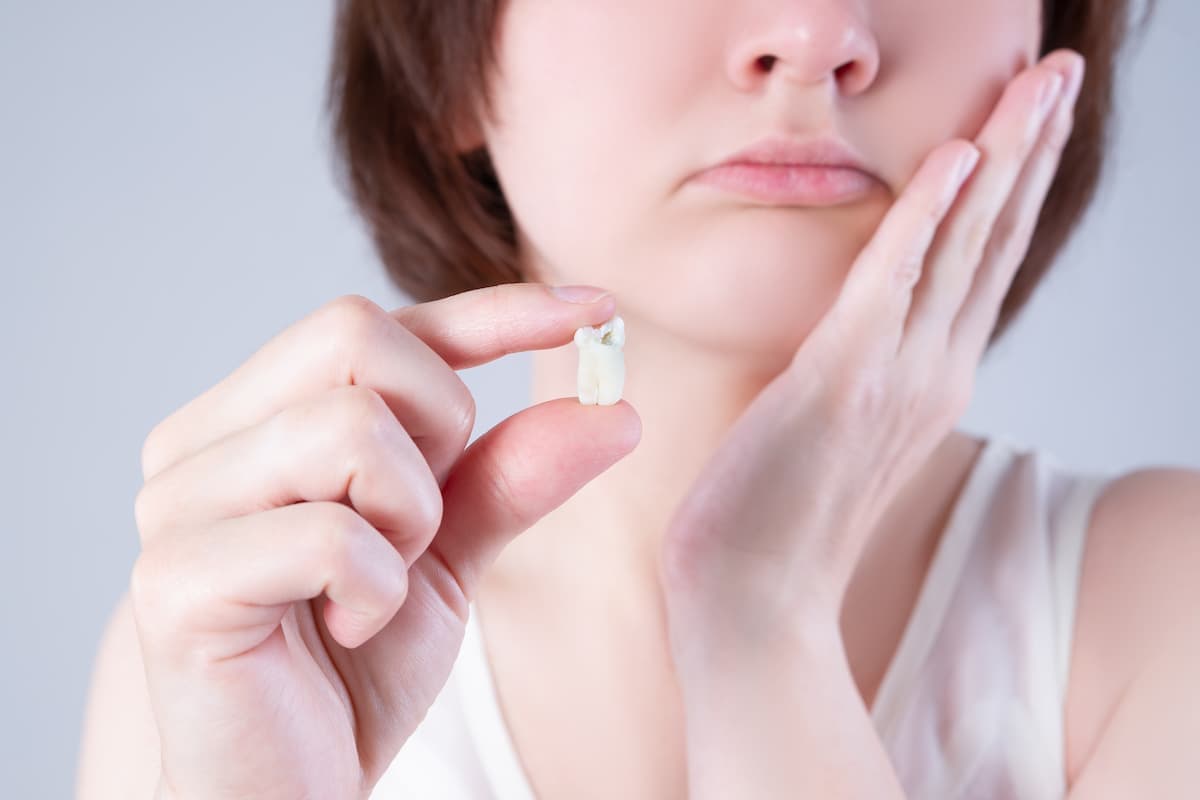
Root Canal Cracked Tooth Pain: What It May Mean and When Treatment Is Needed

A sudden sharp pain when biting down, or an unexpected sensitivity to something cold, can bring a wave of concern — particularly if you suspect a cracked or broken tooth is involved. One of the most common questions patients have is whether that pain automatically points towards needing root canal treatment. If your symptoms are mainly pressure-triggered, this guide on why a tooth may hurt when pressure is applied can provide useful context. The short answer is: not necessarily.
Understanding why a cracked tooth may hurt — and why it sometimes does not — can help you make a more informed decision about whether to seek professional assessment and what that assessment may involve.
What This Usually Means Clinically
Pain from a cracked or broken tooth can sometimes involve the dental pulp, but a crack does not automatically mean root canal treatment is required. The need for treatment depends on the depth of the fracture, whether the pulp has been affected, the presence of any infection, and the overall restorability of the tooth. A thorough clinical assessment is needed to determine the most appropriate course of action.
What Is Cracked Tooth Pain and Why Does It Happen?
Teeth are strong but not indestructible. Enamel — the outer layer — is the hardest substance in the human body, yet it can still fracture under significant force, habitual grinding, biting on very hard foods, or following large restorations that weaken the remaining tooth structure.
When a crack forms, it creates a pathway through which pressure, temperature changes, and bacteria can reach the inner layers of the tooth. Beneath the enamel lies dentine, a porous tissue that connects to the dental pulp — the soft tissue at the centre of the tooth containing nerves and blood vessels.
This is where cracked tooth pain typically originates. When a crack extends into the dentine or pulp, the nerve can become irritated or inflamed. This inflammation, known as pulpitis, can produce a range of sensations — from a brief sharp pain when biting to a more persistent or spontaneous ache.
Why Does a Cracked Tooth Hurt When Biting?
One of the most recognisable features of cracked tooth syndrome is pain that occurs when biting or chewing, and sometimes — more specifically — when releasing the bite. This happens because the crack flexes under pressure. As the tooth bends, the crack opens slightly, stimulating the nerve fibres within the dentine.
This on-release pain is often described as a sharp, shooting sensation, and it can occur even when the crack is not visible to the naked eye.
Can a Cracked Tooth Exist Without Pain?
Yes — and this is where confusion often arises. Not every cracked or broken tooth produces noticeable symptoms. Several factors influence whether pain occurs at all.
• Location of the crack: A crack confined to the outer enamel may cause little or no sensation.
• Direction and depth: Superficial, horizontal, or very small cracks may not reach the dentine.
• Presence of a restoration: Teeth with large fillings or crowns may have had their pulp partially shielded from temperature stimuli.
• History of root canal treatment: A tooth that has already undergone root canal treatment has had its nerve tissue removed. If that tooth later cracks, it may not produce the typical pain signals — because there is no living nerve to respond. This does not mean the crack is harmless.
The absence of pain does not confirm that a cracked tooth is structurally sound. Current UK clinical understanding suggests that clinically silent cracks still carry risk if they extend towards the root or allow bacterial ingress over time.
A Cracked Tooth and a Broken Tooth: Is There a Difference?
These terms are often used interchangeably, but clinically they describe different presentations.
A cracked tooth may progress to a full fracture over time if left unaddressed. Equally, a broken tooth may sometimes involve surprisingly little pain, particularly if the break occurs at the cusp and does not extend to the pulp.
Does a Cracked Tooth Require Root Canal Treatment?
This is the question most patients want answered. The direct response is: not always, and it depends on several clinical factors.
Root canal treatment — more formally known as endodontic treatment — is considered when the dental pulp has become irreversibly inflamed or infected, or when a necrotic (non-vital) pulp is present. A crack may contribute to this process, but the presence of a crack alone does not confirm pulp involvement.
Factors a dentist will consider include:
• Whether the pulp appears vital or has been compromised
• The depth and direction of the crack
• Whether there are signs of infection, including swelling or a dental abscess
• Whether the tooth is still restorable after treatment
• Symptoms reported by the patient, alongside clinical findings
• The patient's dental history and oral health goals
Where pulp involvement is confirmed, the next step is often root canal treatment to preserve the tooth and control infection.
For cracks that remain within the enamel and outer dentine, restorative options such as custom dental crowns for structurally weakened teeth or bonding may be sufficient to protect the tooth and prevent the crack from deepening.
When a Root-Treated Tooth Cracks
A previously root-treated tooth can crack, and when it does, the situation is somewhat different. Because the nerve tissue has been removed, the tooth will not produce typical pain signals in the same way. However, a crack in a root-treated tooth can still allow bacteria to enter, potentially causing a new infection around the root tip — an area called the periapex.
Signs that a root-treated tooth may have developed a problem can include:
• A dull ache or pressure sensation in the area
• Swelling of the gum near the affected tooth
• Sensitivity when biting, even without a nerve
• Tenderness when pressing on the gum above the tooth
These symptoms, if they occur, warrant professional assessment. The absence of sharp pain does not exclude the need for review.
How Is a Cracked or Broken Tooth Assessed?
When you attend a dental appointment for a suspected cracked or broken tooth, your dentist will conduct a thorough assessment that may include:
• Clinical examination: Visual inspection using magnification and dental lighting
• Bite test: Applying pressure to specific cusps to identify where pain is produced
• Transillumination: Shining light through the tooth to reveal cracks not visible to the naked eye
• Dental X-rays: While cracks often do not show on standard X-rays, imaging can reveal changes to the surrounding bone or the root
• Pulp vitality testing: Assessing whether the nerve within the tooth is responding normally
This assessment allows the dentist to build a clinical picture and discuss options that are appropriate for the specific tooth and its condition.
Treatment Considerations: It Is Not Always Root Canal
Depending on the clinical findings, several options may be considered — with the aim of preserving the tooth where possible.
Restorative options
For cracks or fractures that have not reached the pulp, restorative treatment may be sufficient. A well-fitted crown, for example, can hold the tooth together, prevent the crack from widening, and reduce sensitivity. Bonding or an inlay may be considered in some circumstances.
Endodontic treatment (root canal)
Where the pulp has been irreversibly affected, root canal treatment may be recommended. This involves carefully cleaning and shaping the root canals, removing affected pulp tissue, and sealing the tooth, typically followed by a crown to restore its function and structure.
Extraction as an alternative
In some cases — particularly where a crack extends below the gum line or into the root — the tooth may not be restorable. In these circumstances, extraction may be the clinically appropriate option, with the possibility of discussing replacement options such as a dental implant or bridge; this overview of replacing a tooth after loss with implants, bridges, or dentures may help frame that discussion.
No single route is appropriate for every tooth. Treatment decisions are made based on clinical evidence, restorability, the patient's preferences, and long-term oral health goals.
Protecting Your Teeth From Fracture
Preventive care plays an important role in reducing the risk of cracked and broken teeth. Routine dental examinations allow your dentist to identify wear patterns, monitor existing restorations, and spot early signs of structural compromise before symptoms develop.
If you grind your teeth at night — a condition known as bruxism — a custom-fitted occlusal splint may help reduce the forces placed on your teeth during sleep. Maintaining a good level of oral health and attending regular check-ups supports long-term tooth preservation.
When to Seek Professional Dental Assessment
You may wish to arrange a dental assessment if you notice any of the following:
• A sharp or shooting pain when biting, chewing, or releasing a bite
• Sensitivity to hot or cold that lingers after the stimulus has gone
• A visible crack, chip, or missing fragment of tooth
• A dull ache or pressure in a tooth or the surrounding area
• Swelling or tenderness of the gum near a tooth
• A previously root-treated tooth that is now producing symptoms
Not all symptoms require emergency treatment, but professional assessment is advisable when symptoms persist, worsen, or cause uncertainty. If pain escalates rapidly or is accompanied by swelling, urgent same-day emergency dental assessment is sensible. Early review often means more options remain available.
Frequently Asked Questions
1. Can a crack in a tooth heal on its own?
Unlike bone, tooth enamel and dentine do not regenerate or repair themselves once cracked. A crack that has formed will remain unless the tooth is professionally treated or protected. Without intervention, cracks can gradually extend deeper into the tooth structure over time, potentially involving the pulp or root.
2. Why does cracked tooth pain come and go?
Intermittent pain is a common feature of cracked teeth. The pain may be triggered by specific actions — such as biting on a particular part of the tooth — and may subside quickly afterwards. This pattern can make cracked tooth pain easy to overlook or dismiss, but it is worth noting the circumstances in which it occurs and mentioning them during your next dental visit.
3. Is it possible for a tooth to break completely and cause no pain at all?
Yes. If the broken portion involves only the outer cusp and does not extend to the dentine or pulp, pain may be minimal or absent. Additionally, if the tooth has previously undergone root canal treatment, the absence of living nerve tissue means typical pain signals may not occur, even when the structural damage is significant.
4. How do I know if my cracked tooth has affected the nerve?
You may not be able to tell without a clinical assessment. Symptoms such as prolonged sensitivity to temperature, spontaneous aching, pain when biting, or swelling near the tooth can suggest pulp involvement — but these signs are not definitive. A dentist can carry out vitality testing and other assessments to evaluate the state of the pulp more accurately.
5. Does every cracked root canal tooth need retreatment or extraction?
Not necessarily. A previously root-treated tooth that cracks needs careful evaluation. The outcome depends on where the crack is, how deep it extends, and whether the tooth remains restorable. Some cracked root-treated teeth can be managed with a crown; others may require retreatment or, in more complex cases, extraction. Clinical assessment is essential before any conclusions are drawn.
6. What is the difference between reversible and irreversible pulpitis?
Pulpitis describes inflammation of the dental pulp. Reversible pulpitis refers to a state where the pulp can potentially recover if the source of irritation is removed — for example, by placing a protective restoration. Irreversible pulpitis means the pulp is unable to recover and root canal treatment or extraction may be required. Symptoms alone cannot reliably distinguish between the two, which is why clinical assessment matters.
7. Can a hairline crack in a tooth be missed on an X-ray?
Yes. Hairline cracks are frequently not visible on standard dental X-rays, as X-rays primarily capture density differences in hard tissue and may not show the crack itself. Cone beam CT imaging can be more helpful in certain cases. Dentists may use other diagnostic approaches, such as transillumination or a bite test, to identify cracks that are not radiographically apparent.
8. What should I do if a piece of my tooth breaks off?
If a piece of your tooth breaks away, it is advisable to keep the fragment if possible and contact your dental practice to arrange an assessment. Avoid eating on that side of the mouth and be cautious with temperature-sensitive foods and drinks. Rinse gently with warm water but avoid attempting to reattach the fragment yourself.
9. Can the gum around a cracked tooth be affected?
Yes. If a crack extends below the gum line or runs vertically towards the root, the surrounding gum and bone can become involved over time. This is sometimes referred to as periodontal involvement and can affect the long-term restorability of the tooth. This is one of the reasons why early assessment of cracked teeth is generally preferable to a prolonged wait-and-see approach.
10. Are some people more likely to experience cracked tooth pain than others?
Certain factors may increase susceptibility to tooth fractures, including habitual teeth grinding (bruxism), large existing restorations, a history of dental trauma, and age-related changes in tooth structure. People who frequently eat very hard foods or use their teeth for tasks other than eating may also be at increased risk. A dentist can assess individual risk factors and discuss appropriate preventive measures.
Dental Disclaimer
This article is for general educational information only and is not professional dental advice, diagnosis, or a treatment recommendation. Information here is general and cannot replace an in-person assessment by a qualified, GDC-registered dental professional. Cracked-tooth symptoms and treatment suitability vary according to each person’s clinical findings. If you have pain, swelling, or worsening symptoms, seek prompt professional dental care. Do not self-diagnose; treatment decisions should follow full clinical examination.
Written Date: 4 September 2026 Next Review Date: 4 September 2027
Written by Wimpole Dental Editorial Team · reviewed by Wimpole Dental Clinical Team
This article is general information, not personal clinical advice. For a diagnosis and a plan tailored to you, book a consultation with a GDC-registered dentist.
Related treatments at our Wimpole Street practice