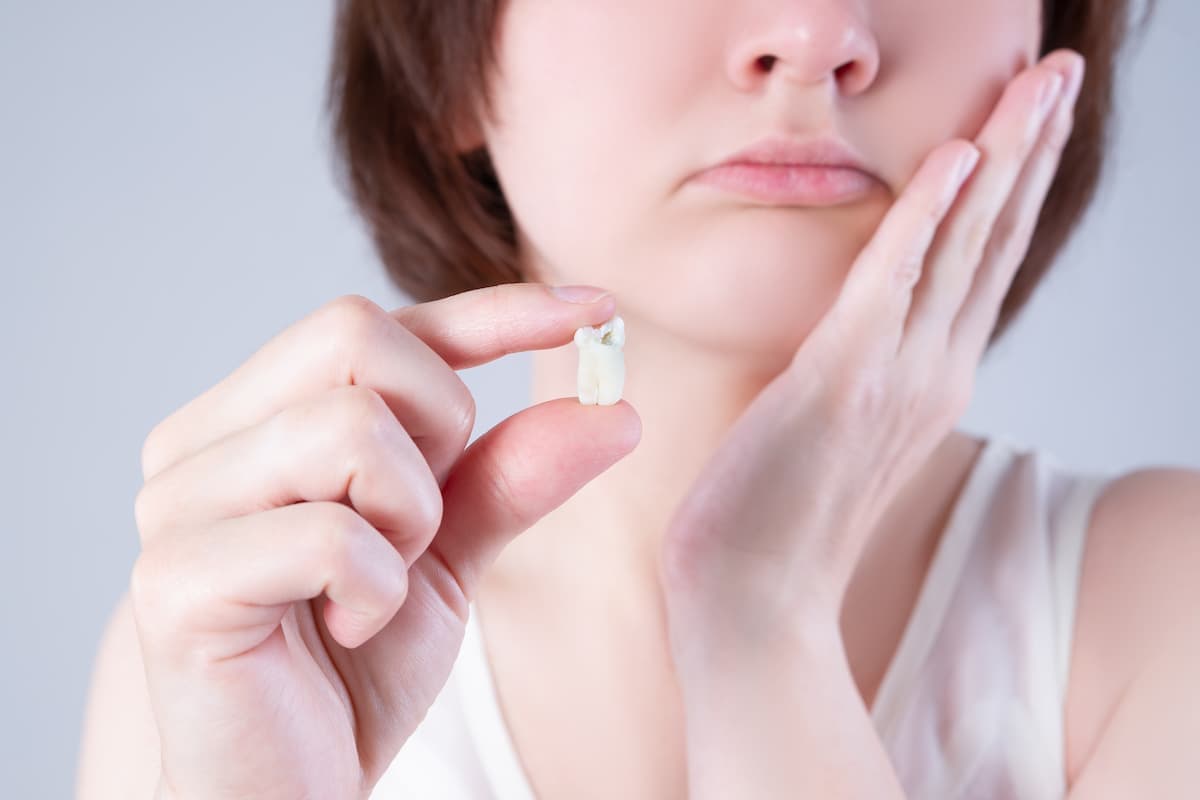
What to Do When Severe Toothache Happens During the Night?
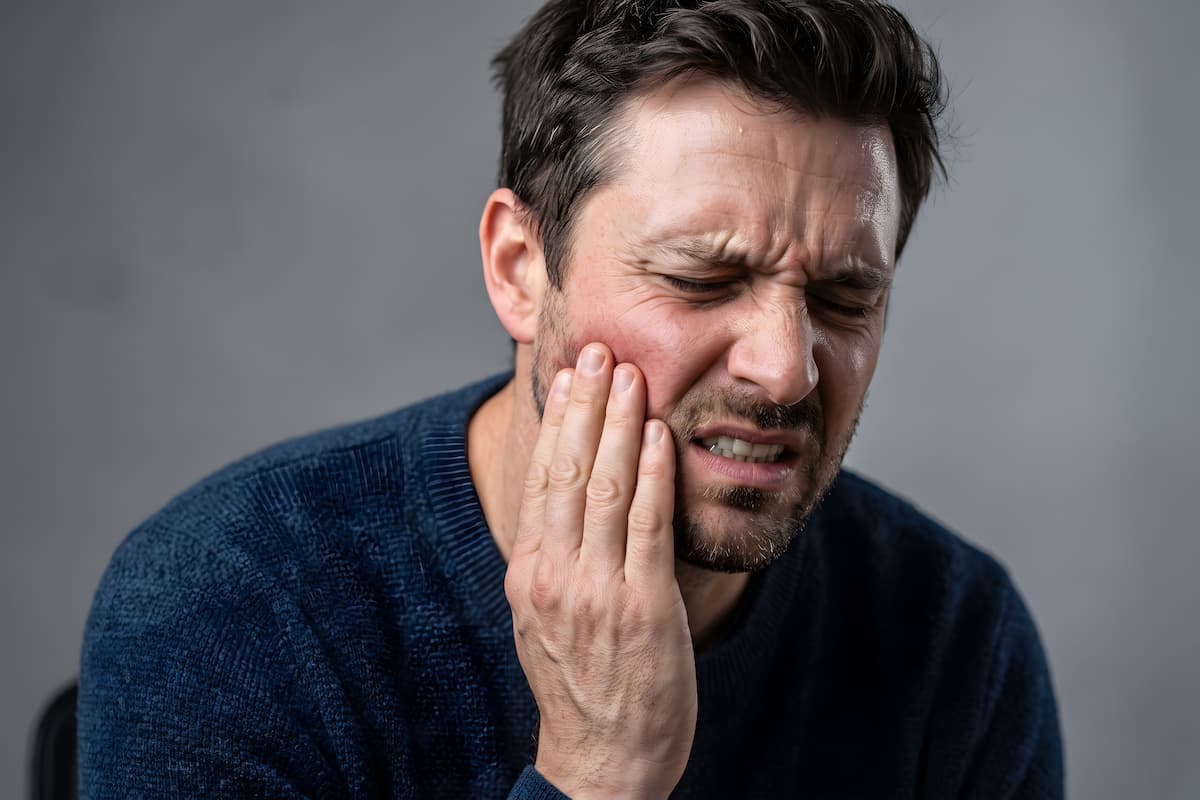
Waking in the early hours with severe tooth pain is a deeply unsettling experience. The throbbing, persistent ache that arrives when everything else is quiet can feel overwhelming — particularly when your usual dental practice is closed and you are unsure what to do next.
Severe toothache at night is more common than many people realise. Understanding why it may feel more intense after dark, what safe steps you can take overnight, and when it is appropriate to seek urgent dental attention can help you manage the situation more calmly and make better decisions for your dental health.
What should you do when severe toothache happens during the night? Keep the area clean with a gentle warm saltwater rinse, avoid very hot or cold food and drinks, and try a cold compress against the cheek if helpful. General over-the-counter pain relief suitable for you personally may ease discomfort. If you develop facial swelling, difficulty swallowing, or rapidly worsening symptoms, seek urgent dental or medical assistance without delay.
Why Can Severe Toothache Feel Worse at Night?
Many people notice that tooth pain seems to intensify once they lie down for the night. There are several reasons why this can happen, and understanding them may offer some reassurance that there is a clinical explanation rather than something catastrophically wrong.
Reduced distraction plays a significant role. During the day, activity, conversation, and mental engagement naturally draw attention away from discomfort. At night, when the environment is quiet and still, the brain has far fewer competing signals — which means dental pain tends to occupy a larger share of your conscious awareness.
Lying flat can influence how pain is perceived. When you recline, blood flow to the head increases slightly. For an already inflamed tooth or surrounding tissue, this additional blood pressure in the area may contribute to a more pronounced throbbing sensation. This is not always the case, but it is a commonly recognised pattern in dental clinical practice.
Inflammation tends to accumulate. If a dental problem has been quietly developing throughout the day — whether related to tooth decay, an infection, or gum inflammation — the inflammatory response may have built up sufficiently by bedtime to cause noticeable discomfort that was less apparent earlier.
Current clinical understanding indicates that the nature of the underlying dental condition significantly influences when and how intensely pain is felt, which is why a professional assessment remains important even if daytime symptoms seem milder.
What Can You Do for Severe Toothache at Night?
If you are managing severe tooth pain at night, the priority is keeping yourself as comfortable and safe as possible until you can access dental care. The following measures are generally considered appropriate for temporary overnight management.
Rinse gently with warm saltwater. Dissolving a small amount of salt in warm water and rinsing carefully around the affected area can help keep the mouth clean and may offer mild temporary comfort. It will not address the underlying problem, but it is a commonly used temporary measure.
Avoid known triggers where possible. Very hot drinks, cold foods, or biting on the affected side may aggravate sensitivity. Avoiding these until your dental appointment is sensible.
Try a cold compress externally. Applying a cool cloth or wrapped ice pack to the outside of the cheek for short periods may help reduce the sensation of throbbing. Do not apply ice directly to the skin.
Consider appropriate over-the-counter pain relief. General pain-relief medicines available without prescription in the UK may help manage discomfort overnight. However, suitability varies significantly depending on age, existing health conditions, pregnancy, allergies, other medicines you may be taking, and your current dental situation. Always read the patient information leaflet carefully, and if you are uncertain about which medicine is appropriate for you, contact a pharmacist for guidance.
Try an elevated sleeping position. Keeping your head slightly raised may help reduce the sensation of throbbing associated with lying completely flat.
It is important to understand that all of these measures are temporary. They may reduce your discomfort overnight, but they do not address the dental cause of the pain. A professional dental assessment remains necessary.
What Causes Severe Toothache at Night?
Dental pain at night can be associated with several different underlying conditions. Because symptoms alone cannot determine a diagnosis, a proper clinical examination is always required. That said, understanding the potential causes can help you provide useful information when you do speak to a dentist.
Tooth Decay
Advanced tooth decay can expose the inner layers of a tooth to temperature changes, pressure, and bacteria. As decay progresses deeper towards the pulp — the soft inner tissue of the tooth — the resulting pain can become more persistent and intense. Untreated decay is one of the more commonly reported causes of dental pain.
Dental Infection or Abscess
A dental abscess is a localised collection of pus that can develop as a result of bacterial infection within a tooth or the surrounding gum tissue. A dental abscess may be associated with a significant throbbing pain that can be difficult to manage at home, and in some cases may cause facial swelling. Current UK dental guidance generally recommends that a suspected abscess is assessed by a dentist promptly. If facial swelling is present, this makes early assessment more important. This guide on toothache versus dental abscess symptoms explains key differences to watch for.
Inflamed Dental Pulp
The condition known as pulpitis refers to inflammation of the dental pulp — the soft tissue at the centre of the tooth containing nerves and blood vessels. Pulpitis can sometimes cause intense, spontaneous, or throbbing tooth pain, particularly in response to temperature, pressure, or without any obvious trigger. Whether the inflammation is reversible or not is a clinical determination that requires examination.
Cracked or Damaged Tooth
A crack or fracture in a tooth — which may not always be visible to the naked eye — can allow bacteria to penetrate, stimulate the nerve, or cause pain when biting pressure is applied. Cracked tooth syndrome can be associated with pain that is difficult to locate and may feel erratic or unpredictable.
Gum Disease or Gum Inflammation
Gum disease — ranging from milder gingivitis to more advanced periodontitis — can sometimes cause localised pain, particularly where gum tissue is acutely inflamed. Food trapped between the tooth and gum tissue can also contribute to localised discomfort that becomes more noticeable at rest.
Recent Dental Treatment
Following certain dental procedures, some degree of post-treatment sensitivity or discomfort is entirely normal and typically temporary. If pain following recent treatment seems to be worsening rather than improving, or if it develops into a more severe or throbbing sensation, it is worth contacting your dental practice for advice.
When Is Severe Toothache a Dental Emergency?
Most toothache, while very uncomfortable, does not represent an immediately life-threatening emergency. However, certain symptoms associated with dental pain require urgent attention — and in some cases, prompt medical assistance rather than simply waiting for a dentist.
You should seek urgent dental assessment or contact NHS 111 if you experience:
• Significant facial swelling, particularly around the eye, jaw, or neck
• Swelling that appears to be spreading or worsening rapidly
• Difficulty swallowing or breathing — this requires urgent medical attention (call 999 or go to A&E immediately)
• Feeling generally unwell with a high temperature alongside dental pain
• Dental trauma involving significant injury to the teeth, jaw, or face
• A child with significant dental pain or swelling
The distinction between a dental emergency that requires urgent dental care and a medical emergency requiring immediate hospital attention is important. Spreading swelling around the jaw, floor of the mouth, or neck — or any difficulty breathing or swallowing — moves beyond the scope of dental management alone and requires emergency medical care without delay. If you are unsure where your symptoms sit, this breakdown of true dental emergencies versus urgent care can help.
If you are uncertain about the severity of your symptoms, NHS 111 provides 24-hour telephone guidance and can help you determine the most appropriate course of action.
Can Severe Toothache Wait Until Morning?
Whether tooth pain can reasonably wait for a next-day dental appointment depends on several factors. There is no single blanket answer, and the decision should always be guided by your personal circumstances.
Pain that is severe but manageable with appropriate over-the-counter relief, with no significant swelling, no systemic illness, and no rapidly worsening symptoms, may reasonably be managed overnight before contacting a dental practice when it opens.
However, if any of the warning signs described above are present — particularly swelling, spreading symptoms, difficulty swallowing, or a sense that your overall health is deteriorating — seeking urgent advice sooner is the more appropriate course. NHS 111 and many dental practices offering urgent dental appointments can provide guidance outside routine hours.
It is always better to contact a professional for advice if you are uncertain, rather than waiting and hoping symptoms resolve on their own.
What Should You Avoid Doing for Toothache Overnight?
When in significant discomfort, it can be tempting to try various measures in search of relief. Some commonly attempted home remedies are either unhelpful or genuinely unsafe.
Avoid placing aspirin directly against the gum or tooth. This is a persistent myth that can cause a chemical burn to the gum tissue. Aspirin, if appropriate for you, should be swallowed as directed — not applied topically to the mouth.
Do not use excessively hot substances around the tooth. Applying heat internally or using very hot rinses may worsen rather than relieve inflammation in some situations.
Do not attempt to drain any swelling yourself. This is unsafe and risks spreading infection further.
Avoid using sharp implements around the tooth or gum. Attempting to probe or dislodge something manually can cause additional injury.
Do not ignore worsening swelling. Even if the pain temporarily eases, increasing swelling should not be disregarded.
Use medicines only as directed. Taking more than the recommended dose of any pain-relief medicine does not necessarily provide greater comfort and carries health risks. If you are unsure which pain-relief option is appropriate for you, a pharmacist is the right person to ask.
What Happens If the Toothache Keeps Returning?
Recurring toothache — even if it periodically subsides — is a meaningful signal that something requires professional attention. Dental problems do not typically resolve on their own. A recurring pattern of severe tooth pain at night is generally an indication that the underlying cause has not been addressed.
Managing repeated episodes of dental pain at home, without a clinical assessment, risks allowing the underlying condition to progress. What may initially be a manageable dental issue can sometimes become more complex if left untreated for extended periods. Current UK dental guidance is clear that dental problems identified early are generally more straightforward to manage than those that are identified at a later stage.
If you find toothache returning regularly — whether at night or at other times — arranging a dental assessment to investigate the cause is the appropriate step.
What Treatment Might Be Needed?
The appropriate treatment for severe toothache depends entirely on what a clinical examination and any necessary diagnostic imaging reveals. It would not be appropriate to suggest a specific treatment without a proper assessment, but it may be helpful to understand the types of pathways a dentist might consider.
• Treatment for tooth decay may involve removing the decayed tissue and restoring the tooth with a filling or other restoration.
• Root canal treatment is sometimes appropriate where the dental pulp is significantly inflamed or infected, with the aim of preserving the natural tooth.
• Drainage and antibiotic therapy may be considered where a dental abscess is present, as part of a broader treatment plan — clinical assessment determines what is required.
• Tooth extraction may be recommended in certain circumstances where a tooth cannot be saved or where extraction is the most appropriate clinical option.
• Gum treatment may be relevant where gum disease is contributing to pain or inflammation.
• Repair of a cracked or damaged tooth may involve bonding, a crown, or other protective restoration depending on the nature and extent of the damage.
Treatment decisions are always made on the basis of individual clinical assessment. No treatment outcome can be guaranteed, and options are discussed between patient and clinician based on individual clinical findings and personal preferences.
How Can You Reduce the Risk of Night-Time Toothache?
Whilst not every dental problem is entirely preventable, maintaining consistent good oral health habits significantly reduces the risk of developing the conditions most commonly associated with dental pain.
The following preventive measures are supported by NHS and General Dental Council guidance:
• Brush thoroughly twice a day with fluoride toothpaste, for at least two minutes each time.
• Clean between your teeth daily using interdental brushes, floss, or an appropriate interdental cleaning aid — this helps remove plaque from areas a toothbrush cannot reach.
• Limit how frequently you consume sugary foods and drinks — frequency of sugar exposure is a significant factor in tooth decay development.
• Attend regular dental examinations as recommended by your dentist — early identification of dental problems generally allows for simpler, more comfortable management, and routine check-ups can prevent costly emergencies.
• Do not delay having dental concerns investigated — toothache that comes and goes, sensitivity that is new or changing, or any visible changes to teeth or gums are worth raising with a dentist.
• Consider a mouthguard if you are aware of grinding or clenching your teeth, as this can contribute to cracked teeth and sensitivity over time.
Good preventive habits, combined with regular professional dental care, remain the most effective strategy for maintaining comfortable dental health and reducing the likelihood of dental problems causing night-time disruption.
Frequently Asked Questions
Why does my toothache seem to disappear during the day but return at night?
This is a pattern some people notice, and it is often related to the role of distraction. During daytime activity, the brain processes multiple competing stimuli, which can reduce conscious awareness of moderate dental pain. At night, when the environment is quieter and there are fewer distractions, pain signals tend to feel more prominent. The underlying dental issue remains present regardless — so if this pattern is familiar, arranging a dental assessment is advisable rather than waiting to see whether the daytime relief continues.
Can a broken or lost filling cause severe tooth pain at night?
Yes, this is possible. A broken or dislodged filling can expose the underlying tooth structure, including dentine and potentially the pulp, to temperature changes, pressure, and bacteria. This exposure may cause significant sensitivity or pain, which can feel more intense at night for the reasons described throughout this article. Contacting your dental practice to have the tooth assessed and protected is the appropriate response.
Does sleeping position make a difference to toothache?
For some people, lying completely flat seems to intensify throbbing dental pain, possibly because it increases blood flow pressure to the head. Propping the head up slightly with an extra pillow may help reduce this sensation in some cases. It is a temporary measure rather than a solution, but it may make overnight rest slightly more manageable.
My toothache suddenly became much worse in the middle of the night. What should I do?
A sudden and significant worsening of dental pain — particularly if accompanied by facial swelling, fever, or a general feeling of being unwell — warrants urgent attention rather than waiting for morning. Contact NHS 111 for out-of-hours guidance, or if swelling is spreading rapidly to the neck or you have difficulty swallowing or breathing, seek emergency medical assistance immediately.
Can a toothache go away on its own without treatment?
The pain associated with a dental problem may occasionally seem to reduce or disappear temporarily. However, this does not usually mean the underlying cause has resolved. In some situations, a reduction in pain may actually indicate that the nerve tissue within the tooth has become more severely damaged — which can make the condition more rather than less serious. A dental assessment remains important even if acute pain appears to settle.
Is it normal to feel pain after a recent dental procedure, and could this cause night-time discomfort?
Some mild post-treatment sensitivity or discomfort following dental procedures is common and typically resolves within a few days. However, if pain is worsening rather than improving after treatment, or if it has become severe or is accompanied by swelling, it is worth contacting your dental practice for advice. This is not a situation to simply manage at home without guidance.
Can gum problems cause the kind of toothache that keeps you awake?
Acute gum inflammation — particularly where infection or a gum abscess is involved — can sometimes produce significant pain that is difficult to manage at rest. Gum disease in its more advanced stages can also be associated with discomfort around affected teeth. A dentist can examine the gum tissue and determine whether gum health is a contributing factor to the pain you are experiencing.
What if I cannot afford out-of-hours dental care?
NHS urgent dental care may be available in the UK for dental emergencies, depending on local service capacity. NHS 111 can advise on accessing NHS urgent dental services in your area, regardless of whether you are registered with a specific NHS dental practice. If you are concerned about cost, NHS 111 is usually the most appropriate first point of contact for guidance on available options.
I have dental anxiety — is it safe to delay seeking dental care if I am frightened?
Dental anxiety is extremely common and completely understandable. However, delaying necessary dental assessment because of anxiety can sometimes allow a manageable problem to become more complex. Many dental practices are experienced in supporting anxious patients with a calm and considered approach. If anxiety is preventing you from attending, it is worth speaking to a dental practice directly about the support available to you.
Can stress or jaw clenching at night contribute to dental pain?
Yes, this can be a contributing factor. Many people clench or grind their teeth during sleep — a condition sometimes referred to as bruxism — without being fully aware of it. This can place significant pressure on teeth and supporting structures, contributing to sensitivity, cracked teeth, jaw ache, and pain that may feel more noticeable on waking or during the night. A dentist can examine the teeth for signs of wear and discuss whether a protective mouthguard may be appropriate.
Dental Disclaimer
This article is for general information only and is not personal dental or medical advice. Toothache causes and treatment options vary, so diagnosis requires an individual clinical assessment. No treatment outcome can be guaranteed. If symptoms worsen or include swelling, fever, swallowing difficulty, or breathing difficulty, seek urgent advice via NHS 111 or emergency services.
Written Date: 11 August 2026 Next Review Date: 11 August 2027
Written by Wimpole Dental Editorial Team · reviewed by Wimpole Dental Clinical Team
This article is general information, not personal clinical advice. For a diagnosis and a plan tailored to you, book a consultation with a GDC-registered dentist.
Related treatments at our Wimpole Street practice