Throbbing After Dental Treatment: Why It Pulses and What the Pattern Means

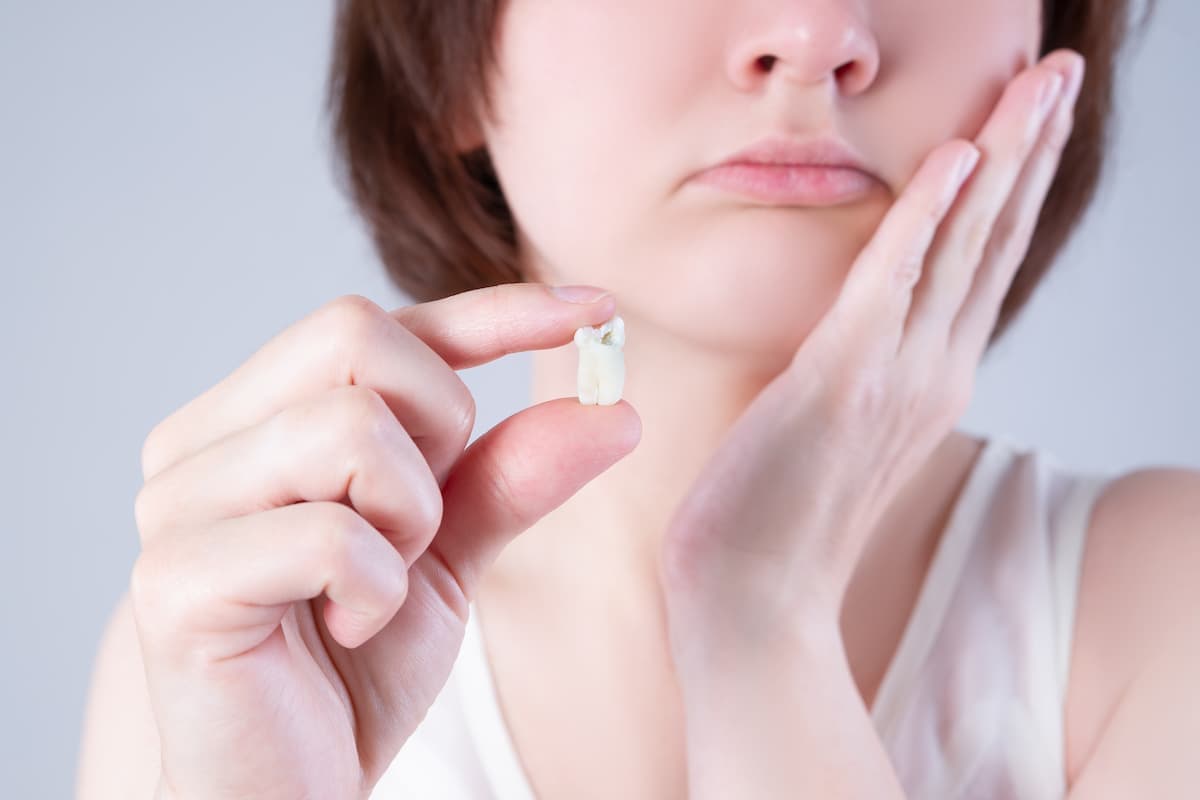
Patients describe it consistently: a thumping, a pulsing, a sensation of the jaw having its own heartbeat. It is one of the most common things people ring about after treatment, and it is also one of the more informative symptoms, because both the rhythm and the timeline mean something specific.
Why pain pulses at all
Your arteries do not deliver blood in a steady stream. Each heartbeat sends a pressure wave along the arterial tree, and with each wave the vessel briefly expands. In most tissue this expansion is entirely unnoticed, because the surrounding tissue accommodates it.
Two things change that after dental treatment.
The tissue becomes inflamed. Inflammation dilates local blood vessels and increases blood flow to the area, so the pressure wave arriving is larger and the vessels expanding are wider. Inflammatory mediators also lower the threshold at which nerve endings fire — a state called peripheral sensitisation — so stimuli that would normally be ignored now register.
The space is confined. This is the decisive factor, and it explains why dental pain throbs so much more characteristically than pain elsewhere in the body. A tooth's pulp sits inside a rigid chamber of dentine with essentially no room to expand. The bone of the jaw is similarly unyielding. Where tissue swells within a compartment that cannot enlarge, pressure rises steeply, and each arterial pulse adds another increment on top of an already elevated baseline.
The sensation that results is precisely synchronised with your pulse, because that is what is producing it.
Why position changes it
Lying flat removes the effect of gravity on venous drainage from the head, so venous pressure in the jaw rises. Bending forward does the same more sharply. Both increase the baseline pressure in a compartment that is already at its limit, which is why throbbing is so often worse at night and why people describe sitting up as a relief.
Elevating the head on an extra pillow is a genuinely effective measure for exactly this reason, and it is worth doing for the first few nights after surgical treatment.
Heat does the same thing in reverse, by dilating vessels further. A warm compress applied to the face in the first days after surgery usually makes throbbing worse, not better — cold is the appropriate choice in the initial phase.
The normal timeline
This is the part that carries the diagnostic information.
Hours 0 to 6. Local anaesthetic wears off. Discomfort emerges gradually, and the change from numb to sore can feel more alarming than it is. Taking analgesia before the anaesthetic has fully worn off, rather than waiting for pain to arrive, produces noticeably better control.
Hours 12 to 72. The inflammatory response peaks. This is when throbbing is at its most pronounced, and when swelling is at maximum — typically peaking around 48 to 72 hours after surgical treatment. It is expected, and it is not a sign of a problem.
Day 3 onwards. The curve should turn. Inflammatory mediators are cleared, swelling begins to settle, and discomfort declines steadily. By around a week, most people need little or no analgesia.
The shape of the curve matters more than its height. Discomfort that is severe on day two but clearly improving by day four is following the normal pattern. Discomfort that is moderate on day two and considerably worse on day four is not, regardless of whether the absolute level is lower.
The pattern that warrants a call
Pain that escalates from around day three after an extraction. This is the classic presentation of a socket that has lost its blood clot, exposing bone. The pain is typically deep, radiating towards the ear or temple, poorly controlled by over-the-counter analgesia, and often accompanied by a bad taste or odour. It is not an infection as such and it is readily treated with a dressing, but it does not settle on its own and it is the single most common reason for a return visit after an extraction. Smoking, rinsing vigorously in the first day, and using a straw all increase the risk.
Swelling that increases after day three, particularly if it is firm, hot, spreading, or associated with fever.
Pain accompanied by restricted mouth opening that is worsening rather than easing.
A bad taste or discharge. Our article on dental abscess symptoms covers the signs.
Fever, feeling generally unwell, or spreading facial swelling. Our article on fever with facial swelling covers why this changes the urgency, and difficulty swallowing or breathing requires emergency care rather than a dental appointment.
Numbness that persists beyond the expected duration of the anaesthetic, particularly of the lip or tongue.
Bleeding that restarts and does not stop with twenty minutes of firm pressure on a gauze pad.
Throbbing without any treatment
It is worth separating this, because the same sensation arising spontaneously means something different.
A tooth that throbs without recent treatment, particularly one that keeps you awake, is the classic presentation of irreversible pulpitis — inflammation of the pulp that has passed the point of recovery. The same compartment principle applies: the pulp is swelling inside a rigid chamber, and the pressure has nowhere to go. Our article on irreversible pulpitis covers what happens next, and our article on when to call an emergency dentist for severe toothache covers the threshold.
Throbbing that is relieved by cold water is a particular pattern worth mentioning, because it points towards a pulp that is already necrotic with gas under pressure, and it is often misread as a reason to delay.
After specific procedures
Extractions. The most pronounced throbbing, because bone has been instrumented and a clot is forming. Follow the aftercare closely — no rinsing for the first 24 hours, no smoking, no straws, no hot liquids on the first day.
Implant placement. Often less uncomfortable than patients expect. Bone is prepared under irrigation to avoid heat damage, and the site is closed. Our article on the healing phase after implants and our article on how to tell whether an implant is healing correctly cover what to expect, and our article on why the jaw feels tight after implant surgery covers the muscular side.
Root canal treatment. Discomfort on biting for several days is common, because the ligament around the root tip is inflamed. It should decline steadily.
Fillings. Sensitivity for days to a couple of weeks is common, particularly with deep cavities. Our article on a filling that hurts weeks later covers when this stops being normal.
Deep cleaning and gum treatment. Soreness and sensitivity for a few days, usually less throbbing and more generalised tenderness.
What helps
• Take analgesia proactively for the first 48 hours rather than waiting for pain, following the packet instructions
• Ibuprofen where appropriate, since the mechanism is inflammatory — check suitability with a pharmacist if you have relevant medical conditions
• Cold compress to the outside of the face, in intervals, for the first 24 to 48 hours
• Elevate the head at night
• Rest for the first day; strenuous exercise raises blood pressure and increases throbbing
• Avoid alcohol and smoking, both of which impair healing
• Soft, cool foods
• Follow the specific aftercare instructions for your procedure, particularly regarding rinsing
Do not place aspirin or any tablet against the gum — it causes a chemical burn.
Key points
• Throbbing is arterial pulsation amplified by inflammation within a compartment that cannot expand.
• This is why dental pain pulses so characteristically: pulp chambers and jawbone are rigid.
• Lying flat and applying heat both increase the pressure and the sensation.
• Discomfort normally peaks at 48 to 72 hours and declines from day three.
• The shape of the curve matters more than the peak intensity.
• Pain escalating from around day three after an extraction suggests a lost clot and needs attention.
Frequently Asked Questions
Is a thumping sensation after dental treatment normal?
Usually yes, particularly in the first two to three days. It reflects increased blood flow and inflammation in a confined space. It should peak by around 72 hours and then decline steadily.
Why is it worse at night?
Lying flat raises venous pressure in the head, adding to pressure in an area that is already inflamed and confined. There are also fewer distractions. Elevating the head on an extra pillow usually helps.
How long should throbbing last after an extraction?
Typically two to four days of noticeable discomfort, declining steadily thereafter. Pain that increases from around day three, particularly with a bad taste, suggests the clot has been lost and should be checked.
Should I use heat or cold?
Cold for the first 24 to 48 hours, applied to the outside of the face in intervals. Heat dilates blood vessels and generally makes early throbbing worse. Heat should not be applied if there is any suggestion of infection.
When should I contact my dentist?
If pain escalates after day three, if swelling increases or becomes firm and spreading, if there is fever or a bad taste, if mouth opening is worsening, or if numbness persists. Difficulty swallowing or breathing requires emergency care.
My tooth throbs but I have not had treatment. What does that mean?
Spontaneous throbbing, particularly at night, commonly indicates inflammation of the pulp that has passed the point of recovery. It needs assessment rather than waiting, as it does not usually settle on its own.
Next Steps
If discomfort after treatment is not following the expected pattern, contact us rather than waiting. You can contact our team or use our emergency dentist service.
Dental Disclaimer
This article is provided for general information only and does not constitute dental or medical advice. Post-operative symptoms vary between individuals and procedures, and any concern about healing should be assessed by the dental professional who provided your treatment. If you develop spreading facial swelling, fever, or difficulty swallowing or breathing, seek emergency care immediately.
Next review due: 18 August 2027
Written by Dr Elisabeth Lichtmannegger · reviewed by Dr Elisabeth Lichtmannegger, GDC 319325
This article is general information, not personal clinical advice. For a diagnosis and a plan tailored to you, book a consultation with a GDC-registered dentist.
Related treatments at our Wimpole Street practice