What to Do About Bleeding After a Dental Injury Before Dental Assessment
A dental injury can happen quickly and unexpectedly — during sport, a fall, an accident, or simply biting down on something at the wrong angle. When bleeding from the mouth accompanies the injury, it is natural to feel alarmed. Visible blood, even in small amounts, can appear more dramatic inside the mouth due to the presence of saliva.
Understanding what to do about bleeding after a dental injury — and what to avoid — can make a meaningful difference while you arrange appropriate dental assessment. This guide provides evidence-aligned, practical first-aid information for adults and older children in the UK who are dealing with oral bleeding following dental trauma, and should be followed by prompt review with an emergency dentist.
It does not replace clinical assessment. All dental injuries involving bleeding, pain, or displacement of a tooth require professional evaluation as soon as reasonably possible.
How to Control Bleeding Safely
When bleeding from the mouth after dental trauma occurs, the first priority is calm, controlled pressure. The following steps align with general UK first-aid guidance for oral bleeding.
Step 1 — Stay calm and sit upright Remaining seated and as upright as possible can help reduce blood flow to the area. Tipping the head back is not recommended, as this may cause blood to enter the airway.
Step 2 — Apply clean, sustained pressure Use a folded piece of sterile gauze, a clean cloth, or — if nothing else is available — a clean flannel or tissue. Place it directly against the source of bleeding and apply firm, steady pressure. Do not press on a displaced or knocked-out tooth directly.
Step 3 — Hold for 10–15 minutes without lifting Lifting the pad too soon disrupts clot formation. Try to maintain pressure consistently for at least 10 to 15 minutes. If bleeding has not reduced after this period, apply a fresh pad and continue.
Step 4 — Avoid rinsing, spitting, or disturbing the area Vigorous rinsing or repeated spitting can dislodge a forming blood clot and extend the bleeding episode. If you need to clear excess blood, spit gently once and resume pressure.
Step 5 — Apply a cold compress to the outside of the face A cold compress or a cloth-wrapped ice pack held gently against the outside of the cheek or lip — not directly against an injured tooth — may help reduce swelling and discomfort in the surrounding tissues.
Step 6 — Arrange dental assessment Even if bleeding appears to settle, a dental professional should assess the injury. Settling of bleeding does not mean the underlying injury has resolved.
Understanding Why Bleeding Occurs After Dental Trauma
Bleeding after a tooth injury may originate from several different sources. The gums are highly vascular and can bleed readily even after relatively minor trauma. Soft tissues such as the lip, tongue, cheek lining, and gum margin can also sustain lacerations. In some cases, bleeding can be associated with injury to the bone supporting a tooth, or with a tooth being displaced or partially avulsed from its socket.
Importantly, the amount of visible bleeding does not reliably indicate the severity of the underlying dental or bone injury. A small gum laceration may bleed noticeably, while a more significant tooth or root injury may involve less visible blood. This is one reason why professional dental assessment remains important regardless of how the bleeding appears.
Recognising Different Types of Dental Injury
Dental trauma can involve different structures, and the appropriate response may depend on the type and severity of the injury involved.
Soft-Tissue Injuries
Injuries to the gums, lips, tongue, or cheek lining are common following dental trauma. These tissues have a rich blood supply and may bleed more visibly than the injury itself might suggest. Most minor soft-tissue lacerations respond well to gentle, sustained pressure, though deeper cuts or injuries that do not settle may require further assessment.
Chipped or Cracked Teeth
A chipped or cracked tooth may or may not be immediately painful. Bleeding can occur at the gum margin around the affected tooth, particularly if the fracture extends towards or below the gumline. A tooth that appears intact externally may still have a crack that is not visible to the naked eye, which is one reason clinical assessment matters even when damage appears minor.
Loose or Displaced Teeth
A tooth that has become loose or has been pushed out of its normal position following an injury requires prompt dental assessment. These situations are associated with injury to the ligament and supporting structures around the tooth. Do not attempt to reposition a loose tooth yourself.
Knocked-Out (Avulsed) Permanent Tooth
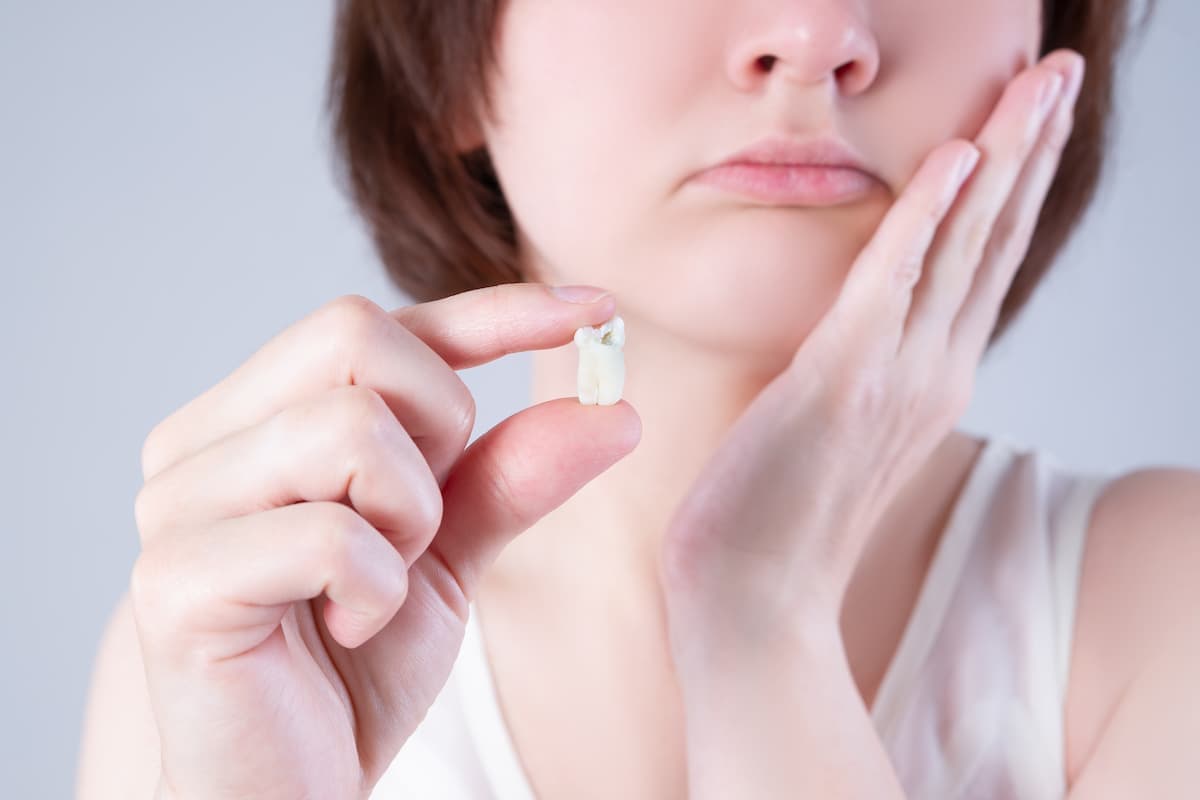
If a permanent adult tooth has been knocked out completely, current UK dental guidance recommends that it is reimplanted as quickly as possible — ideally within 30 to 60 minutes — to give the best chance of a positive outcome following professional assessment. Handle the tooth by the crown (the white part), not the root. If the tooth is clean, it may be gently placed back into the socket temporarily. If this is not possible, store it in milk or between the cheek and gum, and contact a dental professional immediately. For step-by-step handling detail, see how to handle a knocked-out adult tooth before assessment.
Note: This guidance applies to permanent adult teeth only. A knocked-out baby (primary) tooth should not be reimplanted. Seek dental advice regardless.
Bleeding after a knocked tooth is common and should be managed with the pressure technique described above while you arrange urgent care.
Injuries Involving Gum Tissue
Bleeding from the gums after dental trauma can sometimes indicate injury to the periodontal structures supporting the tooth. Even where bleeding settles quickly, underlying ligament or bone involvement requires assessment by a dental professional.
When Urgent or Emergency Help May Be Needed
Most dental injuries should be assessed by a dental professional as soon as is reasonably possible. However, some situations may warrant more immediate attention — including emergency medical care rather than a dental appointment alone.
Seek urgent help — including calling 999 or attending your nearest A&E — if any of the following apply:
• Bleeding does not reduce after sustained pressure over 20–30 minutes
• There is significant facial injury, facial swelling, or suspected jaw fracture
• There is difficulty breathing or swallowing
• There has been a loss of consciousness, even briefly
• There are signs of a serious head injury
• The injury involves a young child with uncontrolled bleeding
For dental-specific urgent concerns — such as a knocked-out permanent tooth, a significantly displaced tooth, or persistent pain following trauma — contact your dental practice directly for emergency appointment availability. If your regular practice is unavailable, NHS 111 can provide guidance on accessing urgent dental care in your area. If you are unsure whether your symptoms are urgent or emergency-level, this guide on true dental emergency vs urgent care can help clarify next steps.
What Not to Do After a Dental Injury
Knowing what to avoid is just as important as knowing what to do. After bleeding from the mouth following dental trauma:
• Do not rinse vigorously — this can disrupt clot formation
• Do not probe or touch the injured area unnecessarily
• Do not attempt to push a loose tooth back into position yourself
• Do not use aspirin for pain relief if there is active bleeding, as aspirin can affect the clotting process; paracetamol taken as directed on the packaging is generally more suitable for temporary pain relief
• Do not ignore an injury because the bleeding has stopped — settling of bleeding does not mean the tooth or surrounding tissues are undamaged
• Do not eat or drink anything hot until bleeding has settled, as heat can stimulate blood flow
• Do not apply cotton wool directly to a bleeding wound if it can be avoided — cotton fibres can adhere to healing tissue
Why Dental Assessment Matters Even When Bleeding Settles
It is a common misconception that a dental injury only requires professional attention if bleeding continues. In reality, visible bleeding is only one aspect of a dental trauma assessment.
A dental professional will typically evaluate:
• Whether the tooth has moved or been displaced within its socket
• Whether the root of the tooth has been affected
• Whether the underlying bone has sustained injury
• Whether any fracture lines are present — including those not visible externally
• The condition of surrounding soft tissues
• The health of the blood supply and nerve within the tooth
Some injuries, such as root fractures or concussion injuries to a tooth, may not be immediately obvious from appearance alone and require clinical examination and, where indicated, dental radiographs. Current clinical guidance indicates that untreated dental trauma can lead to complications including infection, tooth discolouration, or loss of the tooth — outcomes that may sometimes be prevented or reduced by timely professional assessment. Where swelling develops, review warning signs for facial or jaw swelling alongside urgent clinical advice.
Protecting Your Mouth While You Wait
While arranging a dental appointment after an injury, there are a few things you can do to keep the area as safe as possible.
Maintain gentle oral hygiene — if you can brush elsewhere in the mouth without disturbing the injury site, continue to do so. A healthy oral environment supports recovery. A gentle, alcohol-free mouth rinse may be used carefully around the injured area if recommended by your dental professional, but avoid vigorous use.
Avoid hard, crunchy, or chewy foods near the injured area while waiting for assessment. If a tooth is loose or fractured, placing pressure through chewing can worsen the situation.
Take note of your symptoms — this information will be helpful to your dental professional. Note approximately when the injury occurred, how it happened, whether any tooth felt loose or moved, whether any tooth fragments were lost, and whether you have noticed any change in how your teeth fit together when you bite.
What Information to Share With Your Dental Professional
When you contact your dental practice or an urgent dental service, being prepared with the following can support a more effective initial assessment:
• When and how the injury occurred
• Whether there was any loss of consciousness
• Whether a tooth has been knocked out, loosened, or appears displaced
• Whether any tooth fragments are present (bring them if possible)
• Whether bleeding has settled or is ongoing
• Any relevant medical history or medication use, particularly anticoagulants
Thinking About the Bigger Picture
Dental injuries can occasionally affect structures beyond what is immediately visible. The impact of trauma may extend to adjacent teeth, the jaw bone, and surrounding soft tissues. For this reason, professional assessment following any significant dental trauma is not simply precautionary — it is an important part of ensuring the long-term health of your teeth and mouth.
If you have experienced bleeding after a dental injury, even if symptoms appear to be settling, arranging a clinical assessment remains the appropriate next step. You can contact our practice to arrange assessment as soon as possible.
Is There Anything You Could Reflect On?
• When was the last time you knew what to do in a dental emergency? First-aid awareness can make a real difference in the moments that matter.
• Do the people in your household — particularly children or older relatives — know the difference between a baby tooth and a permanent tooth in an emergency context?
• If you play contact sport or have a physically active lifestyle, have you considered whether a mouthguard could reduce your risk of future dental trauma?
Frequently Asked Questions
1. What if the bleeding stops on its own quite quickly — do I still need to see a dentist?
Yes. Settling of bleeding does not mean the underlying injury has been resolved. A tooth can sustain damage to its root, ligament, or nerve supply without significant or prolonged bleeding. A dental professional can carry out an assessment to determine whether further evaluation or monitoring is appropriate.
2. My tooth feels slightly sensitive but not very painful after an injury. Should I still seek assessment?
Sensitivity without severe pain does not necessarily indicate a minor injury. Some forms of dental trauma, including injuries that affect the blood supply to the tooth, may present initially with mild or intermittent symptoms. It is advisable to have the tooth assessed so that any underlying concern can be identified early.
3. What if there is only a very small cut to the gum?
Small gum lacerations often respond well to gentle pressure and may settle without intervention. However, if the cut is deep, jagged, does not stop bleeding with sustained pressure, or is associated with tooth mobility or displacement, professional assessment is warranted. Your dental professional can determine whether any further treatment is needed.
4. Can I use a cold drink or ice directly in my mouth to reduce swelling after a dental injury?
A cold compress applied to the outside of the face is a generally appropriate way to help manage swelling. Placing ice directly inside the mouth against an injured tooth or raw tissue is not recommended, as extreme cold can cause additional discomfort and may not be safe for damaged dental structures. If you are thirsty, cool water is fine to sip gently once active bleeding has settled.
5. What if a child injures a baby tooth — does the same guidance apply?
Some aspects of first-aid guidance differ for primary (baby) teeth. Most significantly, a knocked-out baby tooth should not be reimplanted, as this could interfere with the development of the permanent tooth beneath. However, dental assessment is still recommended following injury to baby teeth, as trauma can sometimes affect the developing permanent tooth underneath. Contact your dental practice or NHS 111 for guidance specific to your child's situation.
6. I am taking a blood-thinning medication — should I be more concerned about bleeding after a dental injury?
People taking anticoagulant medications — such as warfarin, rivaroxaban, or apixaban — may find that bleeding takes longer to settle following any injury. If you take anticoagulants and experience bleeding after a dental injury that does not respond to sustained pressure within a reasonable period, seek urgent medical or dental advice. Always inform your dental professional of any medications you are taking.
7. What if pain develops in the days after a dental injury, even though I thought it was healing?
Pain developing or worsening in the days following dental trauma should not be ignored. This may sometimes indicate developing inflammation, nerve involvement, or early signs of infection in the injured tooth or surrounding tissues. Contact your dental practice to arrange a follow-up assessment.
8. Is it possible for a tooth to be damaged internally even if it looks fine externally?
Yes. Dental trauma can cause injury to the nerve and blood supply inside a tooth — a structure known as the dental pulp — without any visible fracture or displacement. This type of injury may not cause immediate symptoms but can sometimes lead to later complications such as tooth discolouration or infection. This is one reason why dental assessment following any significant oral trauma is clinically recommended regardless of apparent appearance.
9. What if two or more teeth feel different after an injury — could they all be affected?
Yes. A single impact can affect multiple teeth simultaneously, as well as the bone and soft tissues surrounding them. If more than one tooth feels sensitive, loose, or different when you bite, mention this specifically when contacting your dental professional. Each affected tooth may require individual assessment.
10. Will my dental professional need to take an X-ray after a tooth injury?
In many cases, dental radiographs form part of a post-trauma assessment. Radiographs can help a dental professional identify root fractures, changes to the position of the tooth root within the socket, and bone involvement that may not be visible on clinical examination alone. Whether radiographs are taken will depend on the clinical findings at the time of your appointment.
Dental Disclaimer
Educational information only; this article does not replace emergency or dental assessment, diagnosis and treatment depend on individual clinical findings, Wimpole Dental is CQC-regulated with GDC-registered clinicians, and ongoing bleeding, severe pain, or trauma symptoms require urgent professional care.
Written Date: 28 August 2026 Next Review Date: 28 August 2027
Written by Wimpole Dental Editorial Team · reviewed by Wimpole Dental Clinical Team
This article is general information, not personal clinical advice. For a diagnosis and a plan tailored to you, book a consultation with a GDC-registered dentist.
Related treatments at our Wimpole Street practice