Finding Clear Aligners Near You in London: A Patient Guide

If you have been searching for clear aligners near me, you are not alone. Across London, more adults are exploring transparent orthodontic options as an alternative to traditional fixed braces. Whether you are concerned about the appearance of your teeth, have been told you have a mild malocclusion, or are simply curious about what modern teeth straightening involves, understanding your options before attending a consultation is a sensible starting point.
This guide is designed to help you navigate the process — from understanding what clear aligners are and how they work, to knowing what questions to ask a dental provider, what factors affect treatment costs, and when alternative orthodontic approaches may be more appropriate.
What Are Clear Aligners?
Clear aligners are a category of removable, transparent orthodontic appliances designed to gradually move teeth into improved alignment. They are custom-made from a smooth, medical-grade plastic material and are worn over the teeth, typically for 20 to 22 hours per day throughout the course of treatment. A structured clear aligner treatment plan helps map safe, progressive tooth movement.
Each set of aligners applies gentle, controlled pressure to specific teeth, encouraging incremental movement. At regular intervals — usually every one to two weeks — patients progress to the next aligner in their series. Treatment is monitored through scheduled appointments with the treating clinician.
Clear aligners can be used to address a range of orthodontic concerns, including:
• Mildly to moderately crowded teeth
• Spacing or gaps between teeth
• Certain overbite, underbite or crossbite presentations
• Mild rotations and misalignments
It is important to understand that clear aligners are not suitable for every orthodontic problem. More complex bite issues or significant skeletal discrepancies may require fixed appliances or, in some cases, combined orthodontic and surgical treatment. Individual clinical assessment is essential before any treatment decision is made.
Clear Aligners and Invisalign: Understanding the Difference
One of the most common points of confusion for patients researching teeth straightening is the relationship between clear aligners as a broad category and Invisalign as a specific branded system.
Clear aligners is the general term for any removable transparent orthodontic appliance. Several manufacturers produce clear aligner systems, and your dental provider may offer one or more of these depending on their training and clinical judgement.
Invisalign is a specific proprietary clear aligner brand developed by Align Technology. It is one of the most widely recognised systems in the UK and globally, with an established clinical evidence base. Dentists and orthodontists who provide Invisalign treatment must complete specific training and accreditation through Align Technology's own programme.
If you are specifically searching for dental Invisalign near me, it is worth noting that not every dental practice offering clear aligners is an Invisalign provider. The Invisalign Doctor Site — Align Technology's own provider-finding resource — allows patients to search for accredited Invisalign clinicians in their area. This is a useful tool if you are specifically interested in that system.
When comparing providers in London, it is reasonable to ask which aligner system they use, what training they have completed and why they recommend a particular system for your case.
Who May Be Suitable for Clear Aligner Treatment?
Suitability for clear aligners depends on a thorough individual orthodontic assessment. A clinician will typically evaluate: This aligner wear timeline can help frame questions for your consultation.
• The nature and complexity of your tooth misalignment
• The health of your teeth, gums and supporting bone
• Your dental and medical history
• Your bite relationship (how your upper and lower teeth meet)
• Whether any existing restorations, implants or bridgework may affect treatment planning
Clear aligners tend to be well-suited to adults and older teenagers with mild to moderate orthodontic concerns. They may be less appropriate for:
• Patients with significant gum disease or active tooth decay that has not been addressed
• Those requiring substantial bite correction
• Patients with complex skeletal discrepancies
• Situations where tooth extractions are needed as part of treatment planning
• Cases involving significantly rotated or tipped teeth that exceed aligner capability
A reputable dental provider will carry out a thorough assessment and explain candidly whether clear aligners are appropriate for your particular situation, or whether a different orthodontic approach may serve you better.
What Affects the Cost of Clear Aligners in London?
Cost is understandably a key consideration for patients researching clear teeth aligners near me. It is important to approach pricing information with an understanding of the factors that influence it, rather than selecting a provider based on headline figures alone.
In London, clear aligner treatment costs are influenced by:
• Complexity of treatment: More complex tooth movements require more aligners and longer treatment duration, which typically increases cost.
• System used: Different aligner brands and systems carry different laboratory and technology costs.
• Clinician experience and accreditation: Experienced orthodontists and accredited providers may charge differently from general dental practitioners offering aligner treatment.
• Number of appointments: Treatment involving more frequent monitoring appointments may be priced differently.
• Retention: Retainer provision after active treatment is a clinical necessity and may or may not be included in quoted fees.
• Supporting treatments: Pre-treatment work such as dental hygiene appointments, tooth-coloured attachments or inter-proximal reduction may affect overall cost.
As a general principle, be cautious of unusually low-cost packages that may not include the full scope of treatment. Always ask for a written treatment plan and fee breakdown before proceeding.
How to Find and Compare Clear Aligner Providers in London
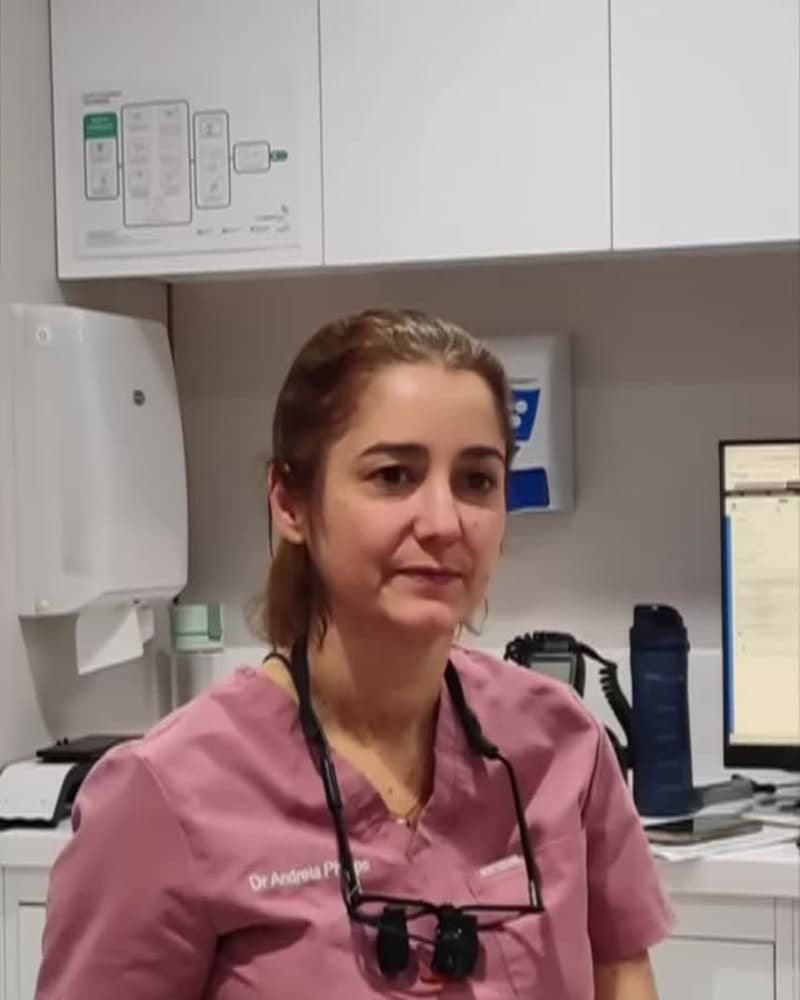
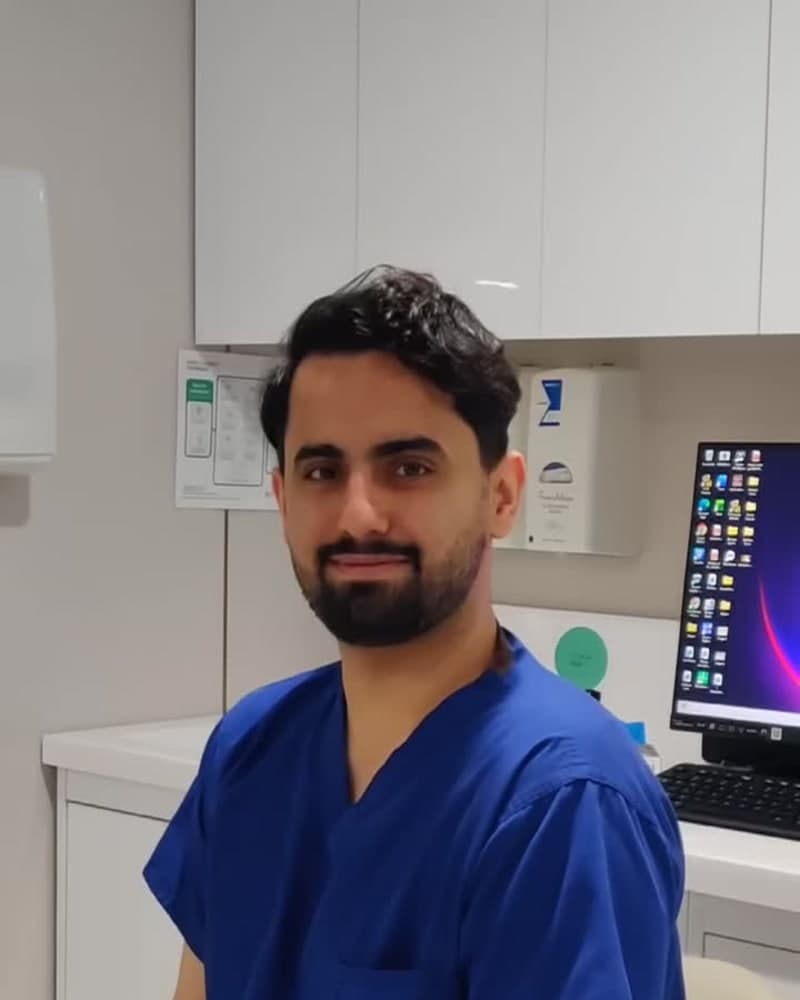
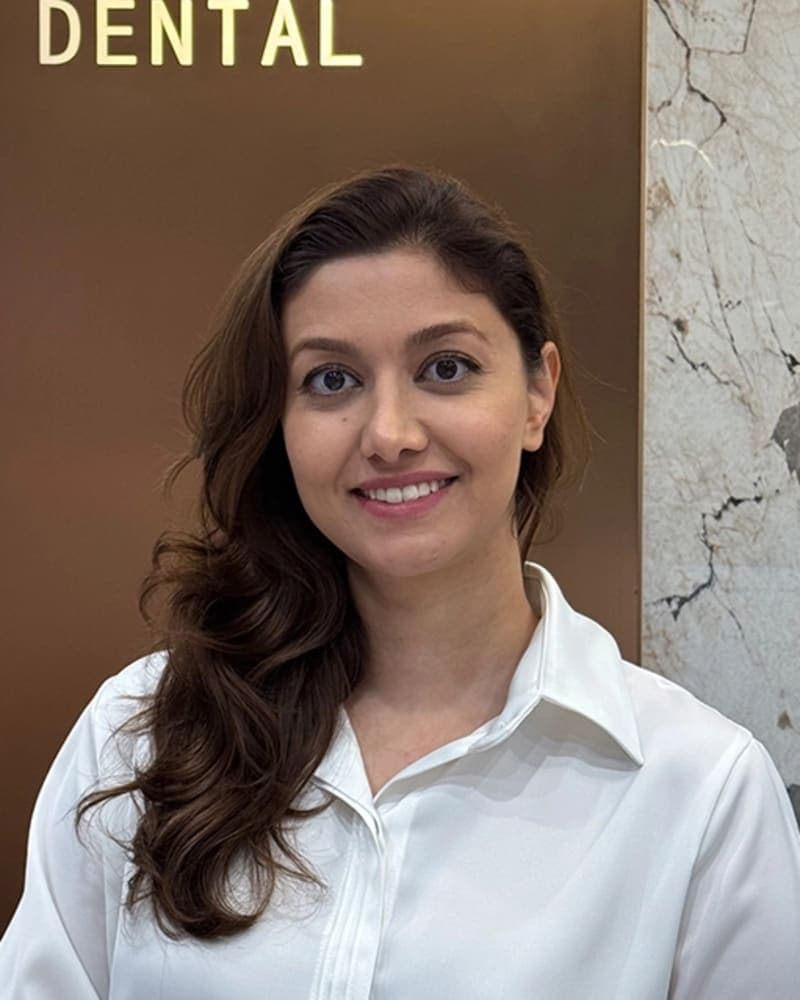
Searching for clear aligners London returns a wide range of dental practices, orthodontic specialists and dental chains. Navigating these options requires some careful evaluation. Reviewing our experienced clinicians helps you understand who plans and monitors treatment.
Checking Clinical Credentials
All dental professionals providing orthodontic treatment in the UK must be registered with the General Dental Council (GDC). You can verify any clinician's registration on the GDC's public register. If a provider is offering Invisalign specifically, you can check their accreditation through Align Technology's Invisalign Doctor Locator.
Practices regulated by the Care Quality Commission (CQC) in England are subject to oversight standards covering safety, effectiveness and patient-centred care. Checking a practice's CQC registration and inspection reports can offer useful insight.
Evaluating the Practice
When assessing dental practices offering clear aligners near you, consider:
• Whether the practice offers a thorough initial consultation or orthodontic assessment
• The qualifications and experience of the treating clinician
• Whether digital scanning or treatment planning tools are used
• How treatment progress is monitored
• What retainer provision is included or available after treatment
• Whether the practice has a clear patient complaints process
Wimpole Street and Central London
London's Wimpole Street and the surrounding areas of Marylebone and the West End are home to a number of well-established private dental practices offering a broad range of orthodontic treatments. For patients seeking clear aligners in London within a professional, evidence-informed environment, this area has historically represented a concentration of experienced private dental providers.
What to Expect During Clear Aligner Treatment
Understanding the treatment journey can help patients make a more informed decision before committing. This adult braces comparison explains why monitoring strategy matters.
Initial Consultation and Assessment
Your first appointment typically involves a full dental examination, discussion of your concerns and orthodontic goals, and an assessment of your overall oral health. Digital photographs, X-rays and — in many practices — intraoral scans may be taken to support treatment planning.
The clinician will explain whether clear aligners are suitable, which system they recommend, the expected duration of treatment and the associated costs.
Active Treatment
Once treatment begins, you will wear each set of aligners for the prescribed period before moving to the next. Aligners should be removed for eating and drinking anything other than plain water, and teeth should be cleaned before reinserting them.
You will attend regular review appointments so the clinician can monitor progress and address any concerns. Some practices supplement in-person monitoring with remote check-in tools, though this varies between providers.
Comfort and Adjustment
Clear aligners are generally considered more comfortable than fixed braces, though patients often notice mild pressure or discomfort when starting a new aligner set. This typically settles within a few days. Aligners are smooth-edged and do not carry the same risk of soft tissue irritation associated with fixed brackets and wires.
Why Retainers Matter After Treatment
This is a point that is sometimes underemphasised when patients compare treatment options. Following the completion of active clear aligner treatment, retainers are almost always required to maintain the results achieved. Your dentist may also discuss a fixed retention option for long-term stability.
Teeth have a natural tendency to drift back towards their original position — a process known as relapse. Wearing retainers as directed by your clinician — which may mean nightly long-term wear — is essential for preserving your outcome.
Retainers may be removable (similar in appearance to aligners) or fixed (bonded to the back of the teeth). Your clinician should discuss retainer options as part of your overall treatment planning conversation, not as an afterthought once active treatment ends.
Questions Worth Asking Before You Start
Before committing to any clear aligner treatment, consider asking your prospective provider:
1. Are you registered with the GDC, and what orthodontic training have you completed?
2. Which aligner system do you recommend for my case, and why?
3. Am I a suitable candidate, and are there any limitations I should be aware of?
4. What does the full treatment fee include, and are retainers covered?
5. How will my treatment be monitored throughout?
6. What happens if my teeth are not moving as expected?
7. What are the realistic expectations for my specific case?
A provider who answers these questions openly and without pressure is a positive sign. Be cautious of practices that discourage questions or rush to recommend treatment without thorough assessment.
When Alternative Orthodontic Options May Be More Appropriate
Clear aligners are a valuable option for many patients, but they are not the right solution for everyone. Some orthodontic presentations respond better to fixed appliances, lingual braces or, in certain cases, a combination of orthodontic and restorative approaches. For broader context, this braces comparison overview is a useful primer.
Patients with significant bite problems, severe crowding or those who have previously experienced orthodontic relapse may require a more comprehensive assessment with a specialist orthodontist. The GDC maintains a specialist register, and patients can request a referral from their general dentist if specialist input is warranted.
The goal of any responsible dental provider should be to match the right treatment to the right patient — not to fit every patient into a single treatment pathway.
Are you clear on what to look for in a dental provider before booking a consultation? Have you considered asking specifically about retainer provision as part of your treatment fee? Is it worth seeking a second opinion if you are unsure about a recommended treatment plan?
Frequently Asked Questions
1. How do clear aligners actually move teeth?
Clear aligners work by applying carefully calculated, controlled pressure to specific teeth at each stage of treatment. Each aligner in the series is slightly different from the last, nudging teeth incrementally towards the planned final position. Attachments — small tooth-coloured composite shapes bonded to certain teeth — may be used in some cases to help the aligner grip and move teeth more effectively.
2. Are clear aligners the same as Invisalign?
No. Clear aligners is a broad category of removable transparent orthodontic appliances. Invisalign is one specific branded system within that category. While Invisalign is widely used and has a substantial clinical evidence base, there are other clear aligner systems available. Your clinician should explain which system they are recommending and why it suits your particular case.
3. How do I use the Invisalign Doctor Locator?
Align Technology — the company that makes Invisalign — provides an online tool called the Invisalign Doctor Site, which allows patients to search for accredited Invisalign providers by location. If you are specifically interested in Invisalign treatment rather than clear aligners generally, this is a useful starting point. It lists clinicians who have completed Align Technology's training programme.
4. How long does clear aligner treatment typically take?
Treatment duration varies considerably depending on the complexity of the case. Mild crowding or spacing issues may be addressed in as few as six to twelve months, while more involved cases can take eighteen months or longer. Your clinician should give you a realistic estimate during your assessment, and this estimate should be treated as approximate rather than fixed.
5. Is clear aligner treatment painful?
Most patients describe a sensation of pressure or mild discomfort when starting a new aligner set, which typically eases within a few days. Clear aligners do not involve brackets or wires, so there is generally less risk of soft tissue irritation than with fixed appliances. If you experience persistent pain or significant discomfort, you should contact your dental provider.
6. Can I eat and drink normally during clear aligner treatment?
Aligners should be removed before eating or drinking anything other than plain water. Eating with aligners in place risks damaging them and can trap food and bacteria against the teeth, which may affect oral hygiene. You should clean your teeth before reinserting your aligners after eating. This discipline is an important part of maintaining good oral health throughout treatment.
7. Will I need to visit the dentist frequently during treatment?
Yes. Regular monitoring appointments are an important part of clear aligner treatment. The frequency varies by provider and system, but appointments every six to ten weeks are common. These allow the clinician to assess progress, address any concerns and confirm that treatment is proceeding as planned. Some practices use remote monitoring tools between appointments, though in-person reviews remain essential.
8. What happens if I lose or damage an aligner?
If an aligner is lost or damaged, you should contact your dental provider as soon as possible. Depending on where you are in your treatment series, your clinician may advise moving to the next aligner, reverting to the previous one, or having a replacement made. Replacement aligners may incur an additional cost, so it is worth asking about this before treatment begins.
9. Do clear aligners work for bite problems as well as crowding?
Clear aligners can address certain bite issues, including mild overbites, underbites and crossbites, depending on severity. However, more significant bite discrepancies — particularly those with a skeletal component — may require fixed appliances, jaw repositioning devices or, in some cases, surgical orthodontic treatment. This is why a thorough individual assessment is essential before choosing any orthodontic treatment.
10. What is the difference between a dentist and an orthodontist for clear aligner treatment?
Both GDC-registered dentists and orthodontists can provide clear aligner treatment in the UK. Orthodontists are specialists who have completed additional postgraduate training specifically in orthodontics and are listed on the GDC's specialist register. For more complex cases, a specialist orthodontist may be better placed to manage treatment. For straightforward tooth alignment concerns, an experienced general dentist with appropriate training and accreditation may provide appropriate care.
Disclaimer
This article provides general educational information and is not a personal diagnosis or treatment plan. Symptoms and treatment needs vary by individual. A clinical examination is required for personalised advice. If you have pain, swelling, bleeding, trauma, or persistent oral changes, seek professional dental care promptly.
Written Date: 2026-11-18 | Next Review Date: 2027-11-18
Written by Wimpole Dental Editorial Team · reviewed by Wimpole Dental Clinical Team
This article is general information, not personal clinical advice. For a diagnosis and a plan tailored to you, book a consultation with a GDC-registered dentist.
Related treatments at our Wimpole Street practice