Fissure Sealants for Deep Molar Grooves in Children
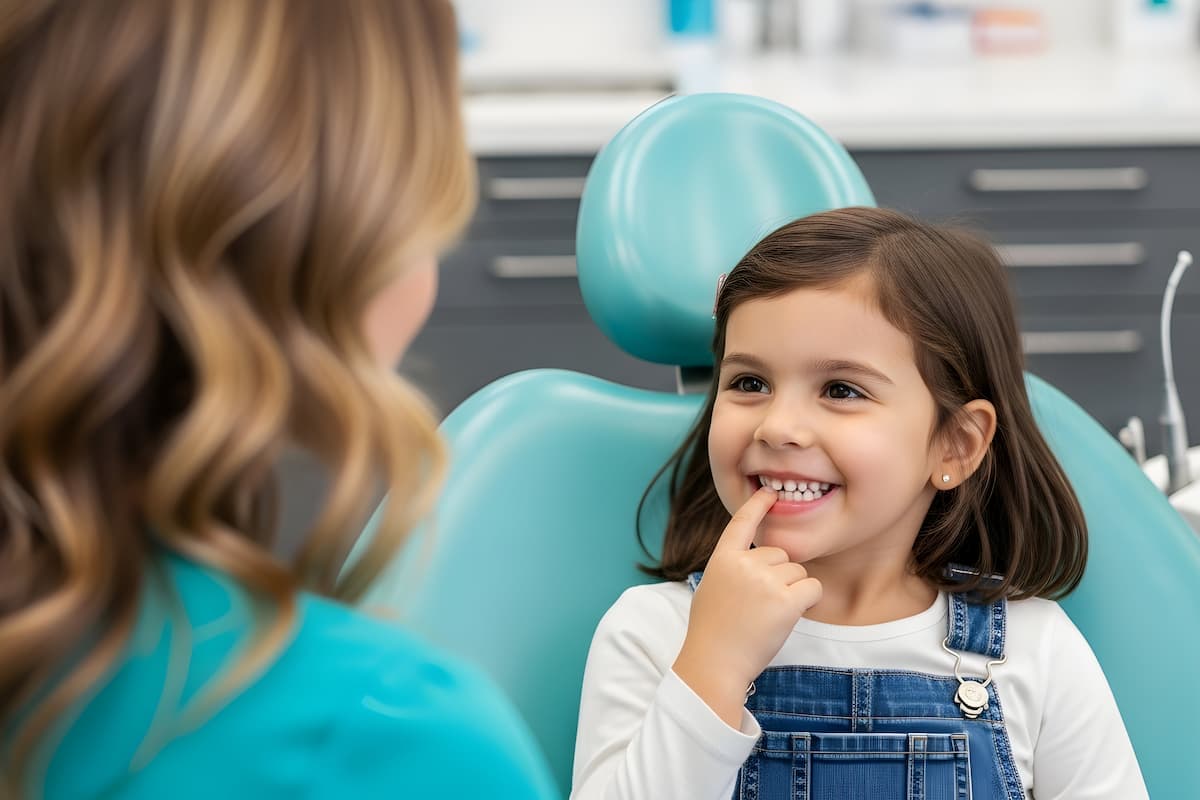
When a child's permanent molars begin to come through, parents are often understandably curious about effective ways to protect them. One preventive option that a dental professional may discuss during a routine examination is fissure sealants — a thin coating applied to the chewing surfaces of back teeth. But what exactly are they, who might benefit, and how do they fit into a wider approach to children's oral health? This article aims to answer those questions clearly and honestly.
What are fissure sealants for deep molar grooves in children? Fissure sealants are thin protective coatings applied to the pits and grooves on the chewing surfaces of back teeth — most often permanent molars. Where grooves are particularly deep, plaque can be more difficult to remove through brushing alone. Sealants may be considered as a preventive measure to help reduce the risk of decay developing in these vulnerable areas.
Understanding Deep Molar Grooves
Molars — the large, flat-surfaced teeth at the back of the mouth — are designed for chewing and grinding food. Their surfaces are not entirely flat. They contain a network of natural pits, grooves and channels known as fissures.
In some children, these fissures are particularly deep or narrow. While this is a normal variation in tooth anatomy, it can create practical challenges. Deep grooves can trap food particles and dental plaque in areas that a toothbrush bristle may struggle to reach adequately. Over time, if plaque is allowed to accumulate in these spaces, the bacteria within it can produce acids that may begin to affect the tooth's enamel — a process that can eventually lead to decay.
It is important to note that not every child with deep grooves will develop tooth decay in those areas. Decay risk is influenced by many factors, including diet, fluoride exposure, oral hygiene habits, saliva flow and individual susceptibility. However, in children where deeper fissures are present and other risk factors apply, a dental professional may wish to discuss preventive options including fissure sealants.
What Are Fissure Sealants?
Fissure sealants are a form of preventive dental treatment that involves applying a thin layer of plastic-based material to the chewing surfaces of back teeth. The sealant flows into the pits and grooves of the tooth and, once set, creates a smooth, protective surface over them.
The primary purpose of a sealant is to physically reduce the depth or accessibility of those grooves — making it harder for plaque and food to accumulate in areas that are difficult to clean. They do not replace the need for brushing, fluoride toothpaste or a balanced diet, but they may be considered a useful additional layer of protection in appropriate circumstances.
Sealants are different from fillings. A preventive sealant placed on a tooth that has not yet developed decay generally does not require drilling or the removal of healthy tooth tissue.
Which Teeth Are Most Commonly Considered?
Fissure sealants are most frequently considered for permanent molar teeth — particularly the first permanent molars, which typically emerge around the age of six, and the second permanent molars, which usually appear around the age of twelve.
These teeth are significant because they emerge early in the permanent dentition, they have complex chewing surfaces and they are often at the back of the mouth where cleaning can be more challenging, especially for younger children still developing their brushing technique. Because they are intended to last a lifetime, protecting them during the early years when decay risk may be higher is a key focus of preventive dentistry for children.
Sealants are less commonly applied to baby teeth, although in some clinical situations where a child has particularly deep grooves and a higher assessed decay risk, a dental professional may discuss this as an option. Suitability is always assessed individually.
How Do Fissure Sealants Work?
Once a sealant is applied to a molar's chewing surface, it effectively fills in the deeper grooves and creates a smoother, more cleanable surface. Instead of narrow channels where bristles cannot reach, the tooth surface becomes flatter and more accessible during daily brushing.
The mechanism is primarily physical — the sealant acts as a barrier between the bacteria-containing plaque and the enamel at the base of those fissures. Some sealant materials also have fluoride-releasing properties, which may offer an additional protective benefit by supporting the remineralisation of enamel.
It is worth emphasising that sealants work best as part of a broader preventive approach. They are not a standalone solution and do not compensate for poor dietary habits, infrequent brushing or inconsistent fluoride use.
What Happens During Sealant Placement?
One of the most common questions parents ask is whether the procedure is painful or involves drilling. For a straightforward preventive sealant on a tooth that is free from decay, the answer is generally no — the placement process does not typically require any drilling or removal of tooth structure.
The process usually follows these steps:
1. The tooth is cleaned carefully
2. The surface is prepared with a mild solution that helps the sealant bond effectively
3. The tooth is rinsed and dried
4. The sealant material is applied to the grooves
5. A special curing light is used to set the material
6. The bite is checked to ensure comfort
The whole process is generally straightforward and is usually completed within a few minutes per tooth. Many children find it less daunting than other dental procedures. There is no injection involved in a routine sealant placement, and no recovery time is needed afterwards.
Are Fissure Sealants Safe for Children?
Fissure sealants have been used in dentistry for several decades and are considered a well-established preventive measure. NHS guidance and recognised UK dental organisations support their use as part of a preventive approach in children and young people at higher risk of tooth decay.
Some parents may have heard concerns about BPA (bisphenol A), a chemical component in some resin-based materials. This is a reasonable question to raise with a dental professional, who can explain the materials used and address any concerns appropriately. The amount of any such exposure during sealant placement is generally considered minimal, and regulatory bodies have not raised safety concerns about sealants as routinely applied in children.
How Long Do Sealants Last?
Fissure sealants are not permanent. They can last for several years when well maintained, but their longevity varies depending on factors such as the child's bite, eating habits and the specific material used.
Sealants should be checked at regular dental examinations. A dental professional can assess whether a sealant remains intact, has partially worn, or needs to be reapplied. Where a sealant is chipped or partially lost, the original protective benefit may be reduced, and it may be appropriate to repair or replace it.
This is one reason why regular dental appointments remain important even after sealants have been placed. The sealant is a tool in a wider preventive strategy — not a one-time solution.
Can a Child Still Develop Tooth Decay After Sealants?
Yes. Sealants can help reduce the risk of decay developing in the grooves they cover, but they do not protect all surfaces of the tooth. The sides of teeth, for example, remain vulnerable and can only be protected through effective brushing, flossing or interdental cleaning, fluoride toothpaste and dietary management.
It is also possible for decay to develop beneath a sealant if the sealant becomes compromised or if it was placed over a surface that had early-stage decay that was not identified at the time. This further underlines the importance of routine dental examinations alongside sealant placement.
How Fissure Sealants Fit Into Daily Prevention
Fissure sealants are most effective when they complement — not replace — a strong daily oral hygiene routine. Key elements of tooth decay prevention in children include:
• Brushing twice daily with a fluoride toothpaste appropriate for the child's age
• Spitting rather than rinsing after brushing, to preserve fluoride on the teeth
• Limiting the frequency of sugary foods and drinks, particularly between meals
• Regular attendance for dental examinations, as recommended by a dental professional
• Considering fluoride varnish applications where appropriate
• Encouraging good brushing technique as the child's manual dexterity develops
These measures work in combination. A child with a strong preventive routine is likely to benefit most from fissure sealants, because the sealant addresses the one specific area — deep grooves — where routine cleaning may be less effective.
Which Children May Be Considered for Fissure Sealants?
Not every child automatically requires fissure sealants. Suitability depends on individual assessment by a dental professional who can consider factors such as:
• The depth and anatomy of the child's molar grooves
• The child's current decay risk
• Oral hygiene habits at home
• Dietary habits and sugar frequency
• Whether the tooth surface is free from existing decay
• The child's age and stage of dental development
• Whether previous teeth have been affected by decay
A dental professional will consider these factors holistically. Sealants may be more likely to be recommended where a child has deeper grooves and a higher assessed risk of decay, but this is always an individual clinical decision made in the child's best interests.
What to Discuss With Your Child's Dental Professional
If you are considering whether fissure sealants might be appropriate for your child, a routine dental examination provides a good opportunity to discuss this. Questions worth raising may include:
• Does my child have deep molar grooves that may be harder to clean?
• What is my child's current decay risk based on their dental history?
• Which teeth, if any, might benefit from a sealant at this stage?
• What materials are used, and how is the sealant applied?
• How will the sealants be monitored at future check-ups?
• What else can we do at home to support my child's oral health?
There are no pressure decisions to be made immediately. Understanding the reasoning behind any recommendation is an important part of informed consent, and a trusted dental professional will take time to explain their clinical thinking clearly.
Supporting Your Child's Long-Term Oral Health
Preventive care in childhood can contribute meaningfully to long-term oral health outcomes. Establishing good habits early — including consistent brushing, sensible dietary choices and regular dental attendance — forms the foundation that any additional preventive measure, such as a sealant, builds upon.
Parents play a central role in this. Supervising brushing in younger children, making dental visits a calm and positive experience, and staying informed about preventive options are all ways of actively supporting your child's dental wellbeing. For guidance on looking after your child's teeth at home, your dental practice team can be an excellent resource.
If you would like to explore preventive options further, speaking with a qualified dental professional at a children's dental appointment is always the most appropriate starting point.
Frequently Asked Questions
1. At what age can fissure sealants be applied?
Sealants are most commonly considered when the permanent molar teeth have fully erupted — typically from around age six for the first permanent molars, and from around age twelve for the second permanent molars. The tooth needs to have fully come through the gum to allow effective placement. Your child's dental professional can advise on the most appropriate timing based on their individual dental development.
2. Do fissure sealants contain fluoride?
Some sealant materials do contain fluoride, while others do not. Where fluoride-releasing sealants are used, there may be an additional benefit in supporting enamel remineralisation in the surrounding area. Your dental professional can explain the type of material they use and any associated benefits. Regardless of the sealant material chosen, fluoride toothpaste used twice daily remains an important part of your child's decay prevention routine.
3. Can sealants be placed on baby teeth?
Sealants are applied to baby teeth less commonly, but it may occasionally be considered in children with deep grooves in primary molars who have a higher assessed decay risk. This decision is made case by case. If your dental professional considers it appropriate, they will explain their reasoning. Most sealant conversations focus on the permanent molar teeth, which are intended to last a lifetime.
4. Will my child feel anything during the procedure?
Most children find fissure sealant placement entirely comfortable. As no drilling is involved for a preventive sealant on a healthy tooth, there is generally no need for a local anaesthetic injection. The procedure involves cleaning the tooth surface, applying a preparation solution, placing the sealant material and using a curing light to set it. Children often describe the curing light sensation as a brief warmth. Any concerns about comfort can be discussed with the dental team beforehand.
5. What happens if part of the sealant chips or falls off?
If a sealant becomes partially chipped or worn, the protection it provides to that area of the tooth is reduced. This is why sealants are assessed at routine dental check-ups. A dental professional can identify whether a sealant needs repair or reapplication. Catching any changes early is straightforward when dental visits are kept regular, making attendance an important part of making the most of any sealant treatment.
6. Are fissure sealants available on the NHS for children?
NHS dental treatment for children in the UK is provided free of charge, and fissure sealants may be offered where a dental professional considers them clinically appropriate. The availability and criteria can vary. If your child is being seen privately, your dental practice can provide information about any associated costs ahead of any decision being made. You should never feel obliged to proceed with any treatment without having the opportunity to ask questions and consider the options.
7. Can sealants affect how my child's bite feels?
Immediately after placement, a sealant may feel slightly different on the bite. Your dental professional will check the bite after the sealant is placed and make any adjustments necessary to ensure comfort. Any unusual sensation typically settles very quickly. If your child mentions ongoing discomfort after a sealant is placed, it is worth contacting the practice so the bite can be reassessed.
8. Do fissure sealants replace fluoride varnish applications?
No — fissure sealants and fluoride varnish serve different purposes and are not interchangeable. Fluoride varnish is applied to all tooth surfaces and works by strengthening enamel and supporting its ability to resist acid attack. Fissure sealants physically cover the grooves of specific teeth. Both may be recommended alongside one another as part of a comprehensive preventive approach, depending on a child's individual needs and risk profile.
9. How often do sealants need to be checked?
Sealants should be assessed at each routine dental examination. There is no set interval, as this depends on the frequency of your child's check-ups as recommended by their dental professional. A dentist or dental therapist can assess the integrity of the sealant visually and, where necessary, with an instrument. This monitoring ensures that any wear or partial loss is identified and managed appropriately.
10. If my child brushes well, do they still need fissure sealants?
Good brushing is widely recognised as one of the most important preventive habits a child can develop, and many children with excellent oral hygiene and a lower decay risk may not require sealants. However, even very effective brushing may not reach to the very bottom of particularly deep or narrow fissures. Whether sealants might offer additional benefit — on top of good brushing — is a question best answered by a dental professional who can assess the specific anatomy of your child's teeth alongside their overall risk profile.
Dental Disclaimer
This article is for general educational information only. It is not a diagnosis or a personalised treatment recommendation for your child. Whether fissure sealants are appropriate depends on a clinical assessment of your child's teeth and risk profile. Parents and carers should discuss options with a GDC-registered dental professional. No preventive intervention can guarantee a specific outcome.
Written by Wimpole Dental Editorial Team · reviewed by Wimpole Dental Clinical Team
This article is general information, not personal clinical advice. For a diagnosis and a plan tailored to you, book a consultation with a GDC-registered dentist.
Related treatments at our Wimpole Street practice