Managing Sports-Related Tooth Damage: A Practical Guide

Sport accounts for a substantial share of dental trauma, and not only in the sports people expect. Rugby, hockey, boxing and martial arts are obvious. Cycling, skateboarding, basketball, football, cricket and swimming pool accidents produce a great deal of it too, often through falls and collisions rather than deliberate contact.
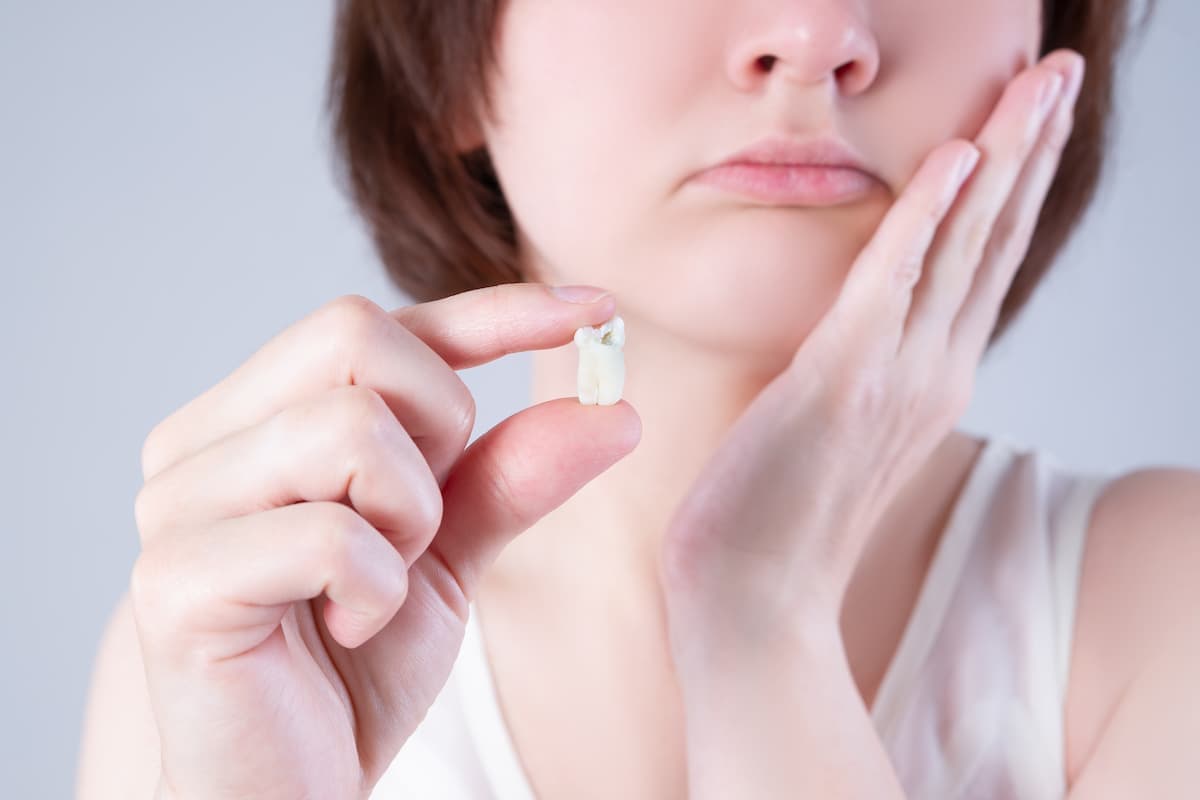
The injuries themselves fall into a small number of recognisable patterns, and each has a fairly specific response. The most time-critical by a wide margin is a completely knocked-out adult tooth, so that is addressed first.
A completely knocked-out adult tooth
This is the one situation where minutes genuinely matter, and where a bystander's actions can change the long-term outcome more than anything done later in a surgery.
The reason is the periodontal ligament. A thin layer of living ligament cells remains attached to the root surface. If those cells survive, the tooth can reattach. If they dry out and die, the root is gradually resorbed by the body over subsequent years, and the tooth is eventually lost regardless of how well it was replanted.
The cells begin to die within about fifteen minutes of dry exposure. Everything below follows from that single fact.
What to do:
1. Find the tooth and pick it up by the crown — the white biting part. Do not touch the root.
2. If it is dirty, rinse it briefly in milk, or in the person's own saliva, or very briefly under cold running water. Seconds, not a wash.
3. Do not scrub it, do not use disinfectant, and do not wrap it in a dry tissue. Scrubbing removes the ligament cells; drying kills them.
4. Put it back in the socket immediately if you reasonably can. Push it gently into position and have the person bite on a clean cloth or gauze to hold it. This is far better than any transport medium.
5. If replanting is not possible, store it in cold milk. Milk is the practical best option — its osmolality and pH suit the cells and it is usually available. Saliva (in a cup, or held in the mouth in the cheek in a fully alert adult) is the next option. Saline is acceptable. Water is the worst option, because it causes the cells to swell and rupture.
6. Get to a dentist immediately. This is a genuine emergency. Ring ahead.
Our detailed guide on handling a knocked-out adult tooth covers the follow-up treatment.
A knocked-out baby tooth is different. It should not be replanted, because doing so can damage the developing adult tooth underneath. The child should still be seen, but the tooth stays out. Dental trauma in children covers this.
A tetanus check is worth considering where the injury involved soil or a dirty surface.
A chipped tooth
The commonest sporting injury, and the response depends on depth.
• Enamel only. A small chip with no sensitivity. Not urgent, but worth smoothing or restoring, because a sharp edge propagates and the tooth is now slightly weaker.
• Into dentine. Yellow visible beneath the white, usually with sensitivity to cold and air. Should be covered within days to protect the pulp.
• Into the pulp. A pink or red spot at the centre of the fracture, often bleeding, usually painful. This is urgent — covering exposed pulp promptly gives the best chance of the nerve surviving.
Keep the fragment if you find it. Fragments can sometimes be bonded back. Our article on not swallowing a chipped piece and how fast to fix a chipped tooth cover the timing.
A tooth pushed out of position
Displaced sideways, driven inwards, or partially pushed out of the socket. This needs repositioning and splinting, usually within hours, before the clot organises and the tooth sets in the wrong place. It is uncomfortable but is treatable, and the same ligament considerations apply.
A tooth driven into the bone
Less obvious, because the tooth looks shorter rather than displaced. Often accompanied by bleeding at the gum margin. Needs prompt assessment, since management depends on the degree and on whether the root is fully formed.
A loosened tooth
Mobile but in position. Needs assessment and often splinting. Avoid using it, and eat soft food until seen.
A cracked tooth with no visible damage
Common after a blow, and easily missed. It may present later as pain on biting and release, or sensitivity to cold. Cracked tooth syndrome covers the presentation.
A broken jaw
Suspect this where there is inability to close the teeth together normally, a step in the bite, numbness of the lip or chin, or pain in front of the ear on movement. This needs hospital assessment rather than a dental practice.
Soft tissue injuries
Cuts to the lip, cheek and tongue often accompany dental trauma. Pressure with clean gauze for ten minutes controls most bleeding. Our article on when a lip cut needs stitches covers the features that matter, including the important point that a cut lip after a broken tooth may contain a tooth fragment and needs examining.
Damaged existing dental work
A crown, veneer or bridge dislodged by impact. Keep the piece. Broken crown emergency care covers the immediate steps.
What happens at the appointment
Assessment establishes whether there is any head injury requiring medical attention first — loss of consciousness, vomiting, confusion or persistent headache take priority over teeth.
Then a dental examination: which teeth are affected, mobility, displacement, response to sensibility testing, and the state of the soft tissues. Radiographs check for root fractures, displacement, jaw fractures and retained fragments in the lip.
Treatment depends on the pattern: bonding or restoration for fractures; pulp capping for exposures; repositioning and splinting for displacement; root canal treatment where the nerve is non-vital; and, where the tooth cannot be saved, discussion of replacement options.
Follow-up matters more than in most dental treatment. Traumatised teeth can become non-vital or develop root resorption months or years later, without symptoms in the interim. Review appointments at intervals over the following one to two years are standard, with radiographs, and are not optional extras. A tooth that looks and feels fine at six weeks can still be losing vitality quietly.
Reducing the risk
A properly fitted mouthguard is the single most effective measure. The relevant distinction:
• Stock guards — preformed, held by biting. Poor fit, poor retention, impede breathing and speech. Better than nothing, not much better.
• Boil-and-bite — softened in hot water and moulded at home. Fit is improved but thickness is uneven, and the material tends to thin over the areas that matter most.
• Custom-made — fabricated on a model of your teeth. Consistent thickness where it is needed, retained without clenching, comfortable enough to actually be worn, and considerably more protective.
The last point is worth emphasising, because the most common failure of a mouthguard is that it was left in the kit bag. Comfort determines compliance.
Other measures: a helmet with a faceguard where the sport allows; a new guard for growing children, since fit is lost quickly; a fresh guard after orthodontic treatment or significant dental work; and, for anyone with aligners, remembering that aligners are not protective and should be removed for contact sport.
Mouthguards also reduce the risk of jaw fracture and soft tissue laceration, not only tooth damage. Our night guards page covers the fabrication process, which is similar.
Frequently Asked Questions
Can a knocked-out tooth be saved?
Frequently, if it is replanted quickly. The ligament cells on the root begin dying within around fifteen minutes of dry exposure, so replanting at the scene or storing the tooth in milk and getting to a dentist immediately makes the largest difference.
Should I put a knocked-out tooth in water?
No. Water causes the ligament cells to swell and rupture. Cold milk is the practical best option, or the person's own saliva.
What if I cannot find the tooth?
Be seen anyway, and mention it. A tooth or fragment can lodge in the lip, be inhaled, or be swallowed — and a lip laceration after dental trauma is routinely examined and imaged for exactly this reason.
My tooth just feels loose after a knock. Is that urgent?
It should be assessed promptly. A loosened tooth often needs splinting, and the sooner it is stabilised the better the outcome.
Is a boil-and-bite mouthguard good enough?
It offers some protection and is better than none. A custom-made guard provides more consistent thickness where it matters and is comfortable enough to be worn reliably, which is much of the point.
My tooth went dark months after an injury. Why?
Trauma can cause the pulp to lose vitality slowly, and darkening is a common sign. It needs assessment, and it is a reason follow-up appointments after dental trauma are worth attending.
Next Steps
If a tooth has been knocked out, replant it or store it in milk and get to a dentist immediately. For other sporting injuries, prompt assessment — and attending the follow-up reviews — makes the largest difference to the long-term outcome.
You can contact our team, or see our emergency dentist page for urgent care.
Dental Disclaimer
This article provides general information about dental injuries in sport and does not constitute individual dental advice. Suspected head injury, jaw fracture or breathing difficulty requires urgent medical attention rather than dental assessment. Treatment and prognosis after dental trauma can only be determined by clinical examination and radiographs. Wimpole Dental is regulated by the Care Quality Commission, and our clinicians are registered with the General Dental Council.
Next review due: 12 August 2027
Written by Dr Elisabeth Lichtmannegger · reviewed by Dr Elisabeth Lichtmannegger, GDC 319325
This article is general information, not personal clinical advice. For a diagnosis and a plan tailored to you, book a consultation with a GDC-registered dentist.
Related treatments at our Wimpole Street practice