Pediatric Dentist Near Me: Children's Dental Care
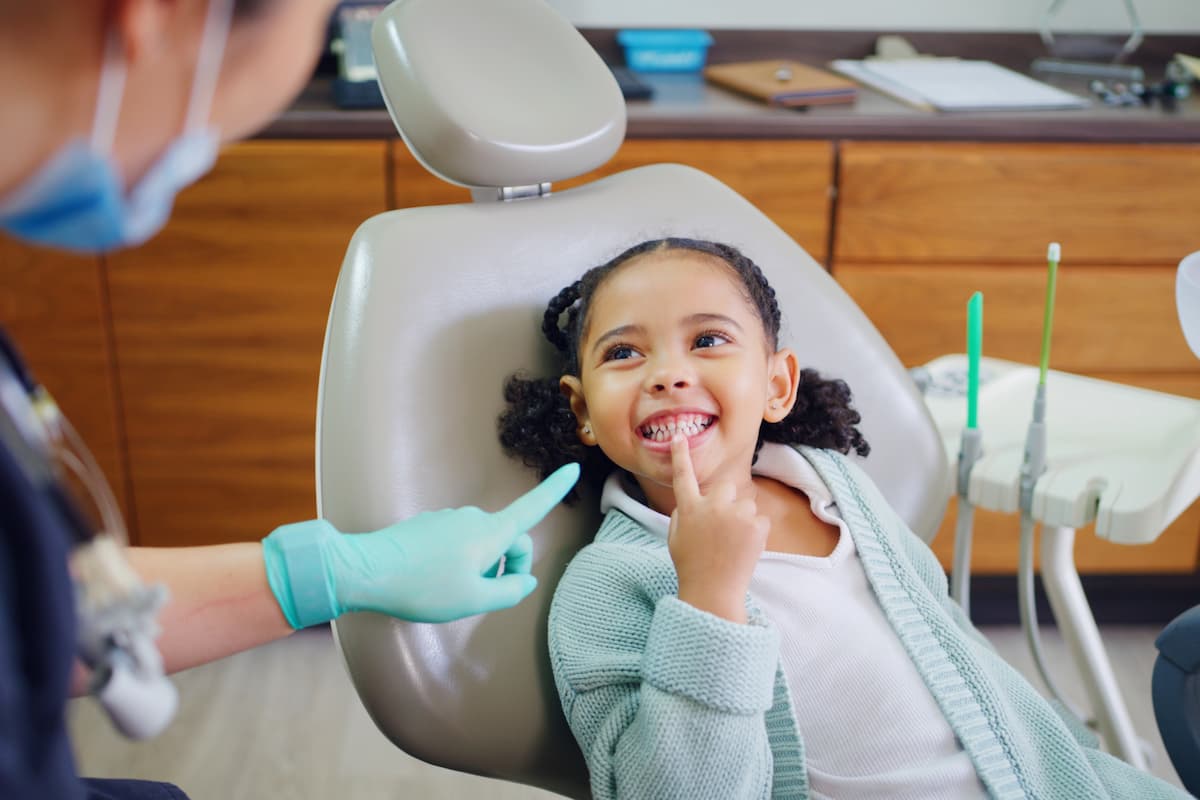
Finding the right dental care for your child is one of the quieter but genuinely important decisions you will make as a parent. Children's dental health has long-term consequences — habits, experiences and treatments in childhood can shape a person's oral health well into adulthood. For parents in London searching for a suitable pediatric dentist near me, there is no shortage of options, but knowing what to look for, when to start and what to expect makes the process considerably easier.
This guide is designed to answer the questions parents most commonly ask — not just about where to find children's dental care, but about why it matters, what happens at appointments, and how to support your child's dental health at every stage.
When Should Children First Visit a Dentist?
The NHS recommends that children visit a dentist when their first milk teeth appear, or no later than their first birthday — whichever comes sooner. This may feel surprisingly early to many parents, particularly if the child has only one or two teeth. However, early visits serve a purpose beyond examination.
A first appointment for a baby or toddler is principally about familiarisation. The child begins to associate the dental environment with something calm and routine rather than threatening. The dentist and dental team can also offer guidance to parents during children's dentistry appointments, including appropriate toothpaste use and feeding habits that may affect developing teeth.
The earlier good habits begin, the easier they are to maintain. This is a principle well supported by NHS England's public health guidance and by organisations such as NICE, which has emphasised the role of preventive care in reducing childhood tooth decay.
Understanding Children's Dentistry and What It Involves
Children's dentistry — sometimes referred to as paediatric dentistry or, in clinical contexts, paediatric dental care — encompasses a wide range of services tailored to meet the specific needs of babies, children and teenagers. It is distinct from adult dentistry in both its clinical approach and its communication style.
A dentist experienced in treating children will typically:
• Conduct age-appropriate examinations of the teeth, gums, jaw and bite development
• Assess the eruption pattern of baby teeth and permanent teeth
• Apply preventive treatments such as fluoride varnish and fissure sealants where clinically appropriate
• Provide tailored oral hygiene advice for parents and children
• Support children who are nervous or anxious about dental visits
• Identify early signs of tooth decay, bite development concerns or other dental conditions
Children's dental care is not purely reactive. The emphasis in modern children's dentistry is strongly preventive — identifying risk early and equipping parents with the knowledge to reduce that risk at home.
Baby Teeth: Why They Matter More Than You Might Think
A common misconception is that baby teeth — also called milk teeth or primary teeth — matter less than permanent teeth because they will eventually fall out. This is not accurate. Baby teeth play a critical role in a child's development for several reasons.
They hold space in the jaw for the permanent teeth forming beneath them. If a baby tooth is lost early due to decay or injury, the surrounding teeth can shift, potentially affecting the alignment of the adult teeth that follow. Baby teeth also enable children to chew properly, speak clearly and maintain confidence in their smile during childhood.
Childhood tooth decay remains one of the most prevalent preventable health conditions in the UK. NHS England data has consistently shown that dental decay is among the most common reasons for hospital admissions in young children — a situation that is, in most cases, avoidable with appropriate preventive care and dietary guidance.
Looking after baby teeth is not simply a cosmetic concern. It is a matter of health, comfort and development.
Preventive Dental Care for Children: What May Be Available
Preventive dentistry is central to good children's dental care. Rather than waiting for problems to develop, preventive treatments aim to reduce the risk of decay and protect the teeth that are present. Parents researching children's dental care near them should look for a practice that prioritises prevention alongside routine examination.
Fluoride Varnish
Fluoride varnish is a concentrated fluoride treatment applied directly to the teeth, typically by a dentist or dental hygienist. It has strong evidence behind it as a preventive measure for childhood tooth decay. The NHS recommends that children from age three receive fluoride varnish applications at least twice a year, though frequency may vary depending on individual risk assessment. Children under three may also receive it if clinically indicated.
Fissure Sealants
Fissure sealants are thin, protective coatings applied to the chewing surfaces of the back teeth — the molars — where the deep grooves can trap food and bacteria. They create a smoother surface that is easier to clean and less vulnerable to decay, which is why fissure sealant protection is often recommended as molars erupt. NICE guidance supports the use of fissure sealants as a preventive measure, particularly for permanent molars as they erupt.
Fluoride Toothpaste Guidance
Current UK guidance recommends that children use toothpaste containing at least 1,000 ppm (parts per million) of fluoride. Very young children should use a smear of toothpaste, while children aged three and above may use a pea-sized amount. Toothpaste should not be rinsed away with water after brushing — spitting out the excess is sufficient, as residual fluoride continues to protect the teeth.
Parents should ask their child's dentist for personalised advice on toothpaste strength, particularly if their child has an elevated risk of decay. The team at Wimpole Dental can discuss appropriate preventive options at a routine appointment.
How Often Should Children Have Dental Check-Ups?
Dental recall intervals for children are not universal. The appropriate frequency depends on each child's clinical risk, and questions about routine dental check-up comfort are common. NICE guidance recommends that recall intervals should be determined by the dentist following individual assessment, based on factors including:
• The child's existing oral health
• Dietary habits and sugar exposure
• Oral hygiene at home
• Family history of tooth decay
• Fluoride exposure
Children at lower risk may require check-ups less frequently, whilst those with a higher risk of decay or developmental concerns may benefit from more regular review. Parents should not assume that an annual visit is automatically sufficient, nor that every child requires the same schedule.
What Happens at a Child's First Dental Appointment?
For parents who have never taken a young child to a dentist before, uncertainty about what to expect is completely understandable. The first appointment is typically gentle and exploratory rather than extensive, and understanding what first dental visits involve can make it feel more predictable. For very young children, the dentist may simply count the visible teeth, observe the gums and talk with the parent about feeding, cleaning and fluoride. For slightly older children, a more thorough visual examination may take place, alongside a conversation about brushing habits and diet. The purpose of the first appointment is as much about building a positive relationship with the dental environment as it is about examination. A calm, unhurried first experience can make a significant difference to how a child approaches dental visits throughout their life.
Managing Dental Anxiety in Children
Dental anxiety in children is common and entirely normal. It may stem from unfamiliarity, previous experiences or simply the anticipation of something unknown. The good news is that it can usually be managed effectively with the right approach. A conversation with our dental team before an appointment can help you plan the visit in a calmer way.
Practices experienced in children's dental care will typically use child-friendly language, explain each step before it happens, allow the child time to become comfortable and involve the child in age-appropriate decisions about their own care. This approach is sometimes called 'tell-show-do', and it is widely recognised as an effective method of reducing anxiety in young dental patients.
Parents can help by speaking about dental visits in a matter-of-fact, positive way at home and avoiding language that may inadvertently create concern — such as references to pain or negative personal experiences. Arriving early and allowing the child time to settle in the waiting room can also help.
If a child's anxiety is significant or persistent, it may be worth discussing this with the dental team before the appointment so that they can prepare accordingly.
General Dentist vs Specialist Paediatric Dentist: Understanding the Difference
Not every child requires specialist dental care. This is an important distinction that is sometimes misunderstood by parents researching children's dental options in London.
The majority of children will receive excellent care from a general dentist who has experience and an interest in treating young patients. Referral to a specialist paediatric dentist — a dentist who holds a recognised specialist qualification and appears on the GDC Specialist List — may be appropriate in more complex situations, such as when a child has significant dental anxiety that has not responded to standard approaches, complex medical needs, significant developmental concerns or needs that exceed the scope of a general dental practice.
If a referral to a specialist is appropriate, your dentist will advise you and guide you through the process. Do not hesitate to ask if you are unsure whether your child's needs require specialist input.
Children's Dental Emergencies: What to Do
Dental injuries and urgent dental situations in children are more common than many parents anticipate. Knowing what to do in the first moments after a dental injury can make a significant difference to the outcome.
If a baby tooth is knocked out: Unlike permanent teeth, re-implanting a knocked-out milk tooth is not recommended, as it may damage the developing permanent tooth beneath. Contact your dentist for advice and assessment.
If a permanent tooth is knocked out: This is a dental emergency. Keep the tooth moist — if possible, place it back in the socket immediately, or store it in milk or the child's saliva — and seek urgent dental attention without delay. Time is critical.
For chipped or fractured teeth: Contact your dental practice as soon as possible. Depending on the extent of the damage, treatment options may vary. Avoid giving the child food or drink that is very hot, cold or sugary until they have been seen.
For toothache or dental swelling: Swelling around the face or jaw associated with a dental problem in a child should always be assessed promptly. Contact your dentist and, if the practice is unavailable, seek appropriate urgent medical advice.
Wimpole Dental can provide further guidance on urgent dental situations — it is worth knowing in advance what your dental practice's policy is for urgent appointments.
Choosing a Children's Dentist in London: Practical Considerations
For parents in central London — whether in Marylebone, Mayfair, Fitzrovia or the surrounding Harley Street area — the range of children's dental options can feel overwhelming. Here are practical factors worth considering when making your choice.
GDC registration: Confirm that any dentist treating your child is registered with the General Dental Council. This can be verified directly on the GDC register.
CQC regulation: Dental practices in England are regulated by the Care Quality Commission. Checking a practice's CQC status and inspection reports is a reasonable step for any parent seeking reassurance about standards of care.
Experience with children: Ask the practice directly about the team's experience and interest in children's dental care. A practice that regularly sees young patients will typically have an environment and communication style that reflects this.
Child-friendly environment: A practice that sees children regularly will often have a waiting area and clinical approach that helps younger patients feel at ease, though this is not always a reliable indicator of clinical quality on its own.
Preventive focus: Look for a practice that places emphasis on preventive care — fluoride varnish, fissure sealants, oral hygiene advice and dietary guidance — rather than one that is primarily reactive.
Accessibility: Consider location, appointment availability and whether the practice can accommodate your child's specific needs, including any additional requirements.
Wimpole Dental, located on Wimpole Street in central London, provides children's dental care with a focus on preventive dentistry and a patient-centred approach. For parents who want to discuss timing, recall intervals or anxiety concerns before booking, children's check-up options can help clarify the most appropriate next step. The practice is well placed for families in Marylebone, Mayfair and the wider central London area.
Supporting Your Child's Oral Health at Home
Professional dental care is only part of the picture. The habits established at home — particularly in the early years — have a lasting influence on a child's dental health.
• Begin brushing as soon as the first tooth appears, using an appropriately sized, soft-bristled toothbrush
• Brush twice daily: last thing at night and at one other time, ideally after breakfast
• Supervise brushing until children are around seven or eight years old, when they typically develop sufficient manual dexterity to brush effectively on their own — though parental encouragement should continue beyond this
• Use an appropriately fluoridated toothpaste in the correct quantity for your child's age
• Limit sugary foods and drinks, particularly between meals and before bed
• Encourage water or plain milk as the main drinks, especially for younger children
If you are unsure about any aspect of your child's oral hygiene routine, your dental team is an excellent source of practical, personalised advice. Oral hygiene support and guidance is an integral part of children's dental appointments.
Reflective Questions for Parents
Before your child's next dental appointment, it may be worth considering:
1. Does my child have a positive relationship with dental visits, and if not, what might help?
2. Am I confident that my child's toothbrushing routine is appropriate for their age?
3. When did my child last have a dental examination, and is their recall interval appropriate for their individual needs?
There are no right or wrong answers — these are simply useful prompts for a conversation with your dental team.
Frequently Asked Questions
1. At what age should a child first visit a dentist?
The NHS recommends taking a child to the dentist when their first milk teeth appear, or no later than their first birthday. Early visits help establish a positive relationship with the dental environment and allow the dentist to offer guidance to parents on early oral care. There is no such thing as being too young for a first dental appointment.
2. Can a general dentist provide dental care for young children?
Yes. The vast majority of children receive perfectly appropriate dental care from a general dentist who has experience with young patients. A specialist paediatric dentist — a GDC-listed specialist — may be appropriate in more complex cases, but most children do not require specialist referral for routine care.
3. How can I prepare my child for their first dental appointment?
Keeping your language calm and matter-of-fact in the days beforehand is helpful. Avoid describing dental visits as potentially painful or frightening, even if you have had difficult experiences yourself. Reading age-appropriate books about visiting the dentist, role-playing at home or visiting the practice website or reception area in advance can all help build familiarity.
4. Are baby teeth really important if they are going to fall out anyway?
Yes — baby teeth are important for chewing, speaking, maintaining jaw space for permanent teeth and supporting a child's confidence and wellbeing. Early loss of baby teeth due to decay or injury can affect the alignment of permanent teeth. Tooth decay in baby teeth can also be painful and may require treatment under general anaesthesia in severe cases.
5. What preventive treatments may be available for children?
Preventive treatments may include fluoride varnish applications, fissure sealants for the back teeth, and personalised oral hygiene and dietary guidance. The appropriateness of each treatment depends on individual clinical assessment. Your child's dentist will discuss the options most relevant to their specific needs.
6. What should I do if my child chips or knocks out a tooth?
If a permanent tooth is knocked out, it is a dental emergency — seek urgent dental attention immediately and try to keep the tooth moist in milk or saliva. For a knocked-out baby tooth, re-implantation is not recommended — contact your dentist for assessment. For chipped or broken teeth, arrange a dental appointment as soon as possible. Dental swelling or facial swelling associated with a tooth should always be assessed promptly.
7. How can I tell whether my child needs to see a specialist paediatric dentist?
Your general dentist will advise you if they feel that specialist assessment is appropriate. This might be recommended if your child has significant or persistent dental anxiety, complex medical needs, developmental concerns or requires care beyond the scope of a general dental practice. The GDC maintains a register of recognised dental specialists.
8. How do I support a child who is very nervous about dental visits?
Speak positively about dental visits at home and avoid passing on adult anxieties. Inform the dental team in advance so they can prepare. Practices experienced in treating children will typically use gentle, explain-first approaches. If anxiety is severe or persistent, ask your dentist whether a referral for specialist anxiety management guidance may be appropriate.
9. Does my child need to attend the dentist even if their teeth seem healthy?
Yes. Regular dental check-ups allow early detection of conditions that may not yet be causing obvious symptoms. Preventive treatments and oral hygiene advice delivered at routine appointments can prevent problems from developing. The frequency of appropriate check-ups will be guided by individual clinical assessment.
10. What is the difference between fluoride varnish and fissure sealants?
Fluoride varnish is a concentrated fluoride solution applied to all accessible tooth surfaces to strengthen enamel and reduce the risk of decay. Fissure sealants are thin protective coatings applied specifically to the deep grooves of the back teeth to make those surfaces easier to clean and less prone to decay. Both are preventive treatments and may be used alongside each other where clinically appropriate.
Supporting Your Child's Dental Health: A Final Thought
Children's dental health is built on consistent care at home, regular professional check-ups and a positive relationship with the dental team. Starting early, maintaining routine and choosing a practice where your child feels genuinely at ease all contribute meaningfully to long-term outcomes.
If you are considering dental care for your child in central London, Wimpole Dental's children's dentistry service offers a preventive, patient-centred approach for children and families in Wimpole Street, Marylebone, Mayfair and the surrounding area. We welcome enquiries from parents at any stage — whether your child is attending for the first time or transferring from another practice.
Disclaimer
This information is for general education and does not replace a personalised dental assessment for your child. Dental needs vary with age, risk of decay, medical history and previous experiences, and the right recall interval is individual. If your child has pain, swelling, bleeding, trauma, or a knocked-out tooth, seek professional advice promptly. For urgent symptoms affecting breathing or swallowing, contact emergency services. Always follow the guidance of your own clinician.
Written Date: 2026-11-13 | Next Review Date: 2027-11-13
Written by Wimpole Dental Editorial Team · reviewed by Wimpole Dental Clinical Team
This article is general information, not personal clinical advice. For a diagnosis and a plan tailored to you, book a consultation with a GDC-registered dentist.
Related treatments at our Wimpole Street practice