Is a Routine Dental Check-up Usually Painful or Uncomfortable?
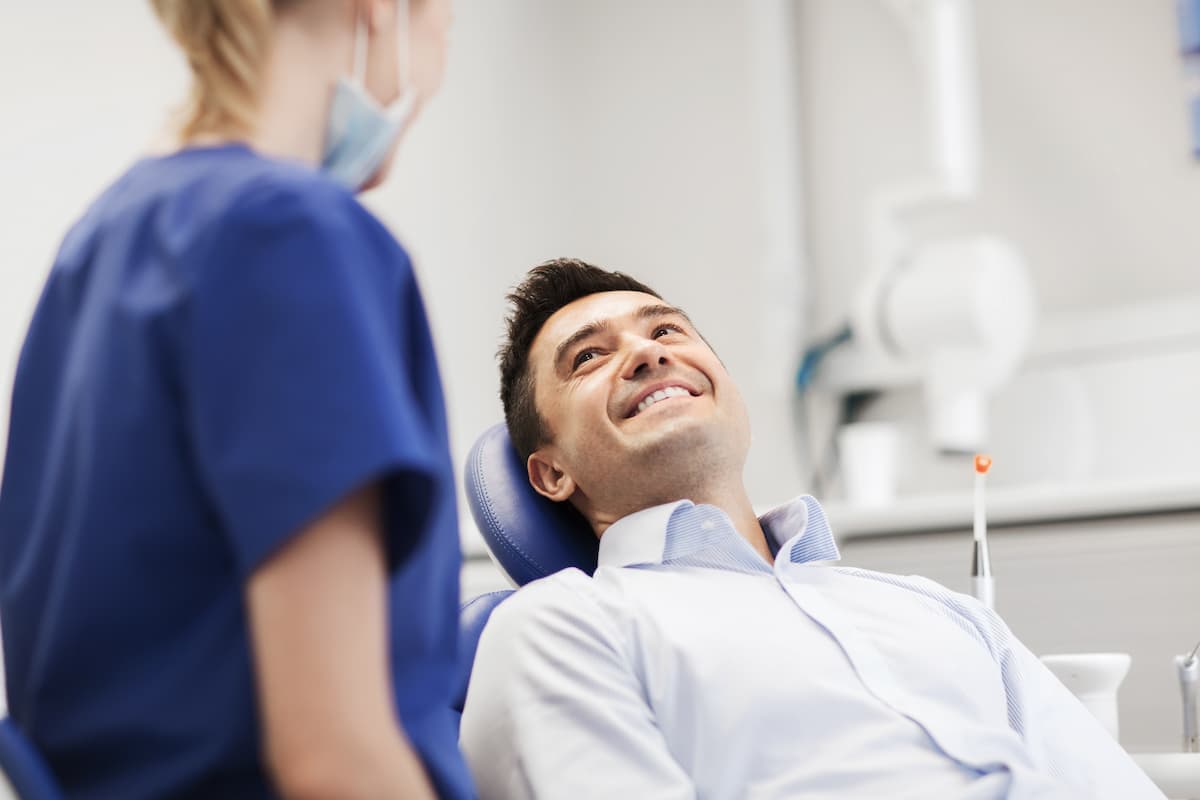
If you have ever delayed booking a dental appointment because you were unsure what to expect — or because you were worried it might hurt — you are far from alone. Dental anxiety is one of the most common barriers to routine oral healthcare in the UK, and concerns about discomfort during a dental check-up are a significant part of that. Understanding what actually happens during a routine dental examination, and why experiences can vary from person to person, can help you approach your next appointment with greater confidence and clarity.
This article explains what a routine dental check-up typically involves, which parts some patients find mildly uncomfortable and why, and what you can do to communicate your needs to your dental team.
What Actually Happens During a Routine Dental Examination?
Understanding the components of a routine dental check-up can help demystify the appointment and reduce anticipatory anxiety. While procedures may vary depending on your dental history and clinical needs, a standard examination at a private dental practice typically includes several distinct assessments.
A Visual Assessment of Your Teeth and Soft Tissues
Your dentist will use a small mirror and bright light to examine the visible surfaces of your teeth, your tongue, the inside of your cheeks, your gums and other soft tissues in and around the mouth. This visual review allows your dentist to identify signs of early decay, changes in soft tissue health or anything that warrants closer attention. This part of the examination is generally comfortable for many patients.
A Gum Health Assessment
Your dental team may gently probe around the margins of your gums using a small instrument called a periodontal probe. This is used to measure the depth of the space between your teeth and gums — known as the sulcus or pocket — and to assess overall gum health.
For patients with healthy gums, this is usually a straightforward process that causes little or no discomfort. However, if your gums are inflamed, or if you have not attended a dental appointment for some time, this part of the examination may feel more sensitive. Gum sensitivity during probing is not necessarily a sign that something serious is wrong, but it can be a prompt for your dentist to discuss your gum health with you in more detail. Patients interested in understanding more about gum health assessments can find helpful information on periodontal health and gum disease.
Tooth and Bite Assessment
Your dentist will examine your teeth for signs of wear, cracks or early decay. They may gently tap individual teeth or ask you to bite down. For most patients this is unremarkable, though if a tooth is sensitive or affected by decay, you may notice a sensation when pressure or temperature is applied. This kind of sensitivity during examination can sometimes indicate that further assessment is appropriate.
Oral Cancer Screening
Many dental practices include a routine oral cancer screening as part of their examination. This typically involves a visual and tactile examination of the mouth, lips, tongue and throat. The General Dental Council (GDC) supports the importance of dentists assessing soft tissues as part of their duty of care. This element of the check-up is generally not uncomfortable. You can read more about what is included in a routine dental check-up and examination.
Dental X-Rays
Depending on your clinical history and how long it has been since your last imaging, your dentist may recommend dental X-rays. Current UK clinical guidance, including that from the Faculty of General Dental Practice (FGDP), supports the selective and justified use of radiographs in dental examinations rather than routine provision without clinical indication. X-rays are not typically associated with physical discomfort, though some patients find the positioning of X-ray sensors in the mouth briefly awkward.
Which Parts of a Dental Examination Might Feel Uncomfortable?
It is honest and useful to acknowledge that not every patient finds every element of a dental check-up entirely comfortable. Several factors may influence your experience.
Parts of the examination that some patients find mildly uncomfortable:
• Gum probing, particularly if gum tissue is inflamed or swollen
• Tactile examination of teeth that are sensitive or affected by wear
• Pressure applied to specific teeth during bite assessment
• X-ray sensor positioning within the mouth
• Examination of areas at the back of the mouth, which can occasionally trigger a gag reflex in some patients
It is important to note that mild sensitivity or awareness during examination is not automatically a sign that something is wrong. However, if you notice pain — rather than mild discomfort — during any part of your check-up, this is worth mentioning to your dentist, as it may indicate a tooth or area that warrants closer attention.
Why Experiences Differ Between Patients
Dental check-ups are not identical for every person, and it is clinically accurate to say that individual experiences can vary considerably. Several factors can influence how a routine examination feels.
Gum Health and Inflammation
Healthy gum tissue tends to be less sensitive than inflamed tissue. Patients with early or established signs of gum disease may notice greater sensitivity during a gum health assessment. This is partly due to the increased blood supply and nerve sensitivity associated with inflamed gingival tissue.
Tooth Sensitivity
Patients with dentine hypersensitivity — where the underlying dentine layer of the tooth becomes exposed due to gum recession, enamel wear or other factors — may notice heightened sensitivity during examination, particularly if the dentist applies an instrument near the gum line or uses air to dry a tooth surface.
Time Since Last Examination
Patients who have not attended a routine dental appointment for a longer period may sometimes find that their gums have become more reactive, simply due to changes in gum health over time. This is one of the reasons that current NHS and preventive dentistry guidance supports regular, routine dental examinations rather than waiting until symptoms arise.
Dental Anxiety and Pain Perception
Research consistently shows that anxiety and anticipated pain can heighten a person's perception of physical sensations during dental procedures. A patient experiencing significant dental anxiety may perceive mild discomfort as more intense than a patient who is relaxed. This is not a reflection of weakness — it is a well-documented physiological and psychological response. Understanding this connection is important, both for patients and for dental teams.
Dental Check-ups and Anxiety: A Patient-Centred Perspective
Dental anxiety affects a meaningful proportion of the adult population in the UK. The experience of anxiety around dental appointments is real, valid and understood by experienced dental professionals. Feeling nervous before or during a check-up does not mean you are overreacting — and you should never feel embarrassed about sharing how you feel with your dental team.
It is worth making a clear distinction: routine dental examinations are generally very different from dental treatment procedures. A check-up does not typically involve injections, drilling or surgical intervention. If further treatment is identified as appropriate following an examination, your dentist should explain this clearly and give you time to consider your options. Nervous patient guidance is available for patients who would like to discuss their concerns before attending.
What Nervous Patients Can Do Before and During a Check-up
If you are anxious about attending a routine dental examination, there are several practical steps that may help.
Before your appointment:
• Let the reception team know in advance that you feel anxious — this allows the clinical team to plan extra time and provide appropriate support
• Consider writing down any specific concerns you have so you can share them clearly
• Avoid consuming excessive caffeine before the appointment, as this can heighten anxiety
During your appointment:
• Tell your dentist or dental nurse how you are feeling at the start of the appointment
• Agree a simple signal — such as raising your hand — that you can use if you need the dentist to pause at any point
• Breathe slowly and steadily; if you feel overwhelmed, it is completely acceptable to ask for a short break
• Remember that you are in control of the appointment and your dental team is there to support you
Agreeing a stop signal with your dentist before the examination begins is a widely used and clinically supported approach for managing patient anxiety. You should never feel that you cannot communicate during a dental appointment.
Is There a Difference Between a Dental Examination and Dental Treatment?
This is an important distinction that is sometimes overlooked. A routine dental examination is an assessment — it is designed to evaluate the current state of your oral health and identify any areas that may benefit from attention. It does not, in itself, involve treatment.
If your dentist identifies something during the examination that may benefit from further investigation or treatment — such as early tooth decay, signs of gum disease or a filling that requires replacement — they should discuss this with you separately. Any recommended treatment should be explained clearly, including what it involves, why it is being suggested and what your options are.
The experience of a check-up is therefore typically distinct from the experience of dental treatment. Understanding this difference may help to reduce anticipatory anxiety for patients who have conflated the two in their minds. If you are curious about what a dental check-up at Wimpole Dental involves, further detail is available on the practice website.
When Should You Mention Discomfort to Your Dentist?
While mild awareness or sensitivity during a check-up is not unusual, there are certain sensations worth mentioning to your dentist:
• Sharp or prolonged pain when a tooth is touched or tapped
• Sensitivity that lingers after the stimulus is removed
• Pain in the gums that feels significant rather than mild
• Any area of the mouth that you have noticed feels different or sore at home
These are not reasons to avoid attending — quite the opposite. Early professional assessment means that if there is something worth addressing, it can be identified at a stage when intervention is typically more straightforward. Current UK clinical understanding supports the principle that preventive and early-detection dental care leads to better long-term oral health outcomes than reactive treatment.
Why Routine Dental Examinations Remain Important
The NHS recommends that adults attend dental check-ups at intervals advised by their dentist, based on individual risk factors. NICE clinical guidance on dental recall supports a risk-based approach to examination intervals, recognising that some patients may benefit from more frequent review than others.
Routine dental examinations play an important role in:
• Early detection of tooth decay before it progresses
• Monitoring gum health and identifying early signs of periodontal disease
• Assessing soft tissue changes that might otherwise go unnoticed
• Providing professional guidance on oral hygiene and preventive care
• Identifying changes that may warrant onward referral
Avoiding routine care due to anticipated discomfort or anxiety can, over time, lead to conditions developing to a point where intervention becomes more complex. This is not intended as a pressure to attend, but as an honest reflection of why preventive dental care is valued within UK oral health guidance. Exploring a hygiene and preventive care approach can also support your oral health between examinations.
A Note on Sensitive Teeth and Routine Care
If you know that your teeth are sensitive — whether to temperature, sweet foods or touch — it is worth mentioning this to your dental team before the examination begins. Your dentist can adjust their approach accordingly and may choose to examine sensitive areas with particular care. Patients with a history of dentine hypersensitivity may also benefit from a discussion about appropriate toothpaste and daily oral hygiene habits.
Is there anything about a routine dental examination that you have always wanted to ask but felt unsure about? Are there aspects of dental appointments that you find particularly challenging? Have you found that communicating with your dental team changed your experience of check-ups?
Frequently Asked Questions
1. Will my dental check-up definitely hurt?
No — and it is equally inaccurate to say it will definitely not hurt. Most patients experience little to no pain during a routine dental examination. Some patients may notice mild sensitivity, particularly during gum assessment or when pressure is applied to a sensitive tooth. Experiences vary depending on gum health, tooth sensitivity, dental history and individual pain perception. If you experience significant pain during any part of the examination, let your dentist know immediately.
2. How long does a routine dental check-up usually take?
The length of a dental check-up can vary depending on the complexity of your oral health history, whether X-rays are taken and how long it has been since your last examination. A standard check-up at a private dental practice often takes between 20 and 45 minutes, though this is a general guide rather than a guarantee. Your dentist will aim to use the time needed to assess your oral health thoroughly.
3. Can I ask my dentist to stop during the examination if I feel uncomfortable?
Yes, absolutely. You should remain in control during a dental appointment. A simple hand signal — agreed with your dentist before the examination begins — is a widely used and practical way to communicate that you need a pause. You should never feel that you must endure discomfort silently. Letting your dental team know how you feel allows them to adjust their approach and provide better support.
4. I haven't been to the dentist for several years. Will my check-up be more uncomfortable?
It is possible that if it has been some time since your last appointment, your gums may have become more reactive, which can make gum assessment feel more noticeable. This does not mean the experience will be painful for everyone, but it is worth being aware of. Being open with your dentist about how long it has been since your last visit will help them to approach the examination appropriately and sensitively.
5. Is it normal to feel nervous before a dental check-up even when I know it's just a routine appointment?
Yes, this is entirely normal. Dental anxiety is common across all age groups and is not a reflection of being irrational or overly sensitive. The anticipation of discomfort — even when that discomfort may be minimal — can be enough to cause genuine anxiety. Letting your dental team know you feel nervous before the appointment begins is the single most helpful thing you can do, as it allows them to offer appropriate support throughout.
6. Can dental sensitivity during a check-up indicate that something is wrong with my teeth?
Sensitivity during examination does not automatically indicate a problem, but it can sometimes prompt your dentist to look more closely at a specific tooth or area. For example, a tooth that is sensitive to pressure or tapping may benefit from further assessment. Your dentist will use clinical judgement to determine whether sensitivity during the examination warrants any follow-up. Do not hesitate to mention any areas that feel particularly sensitive.
7. Should I take a painkiller before my dental check-up to reduce any discomfort?
This is worth discussing with your dental team in advance if you are concerned. Taking pain relief before a dental appointment is not standard practice for a routine check-up, and some medications can interact with dental treatments if any are subsequently carried out. If you are particularly concerned about sensitivity or discomfort, speaking to your dentist ahead of the appointment is the most appropriate course of action.
8. What if I find the examination so uncomfortable that I want to leave?
Your wellbeing comes first. If at any point during an examination you feel that you need to stop, you can communicate this to your dentist or dental nurse. It is always better to take a short break and continue, or to reschedule part of the assessment, than to leave with an incomplete picture of your oral health. Dental teams who are experienced in treating anxious patients will be prepared for this possibility and will not make you feel judged.
9. Is there anything I should do or avoid before attending a routine dental check-up?
Good daily oral hygiene before your appointment — brushing and flossing as normal — is beneficial. Avoiding very hot, cold or sweet foods or drinks immediately before your appointment may reduce sensitivity during the examination if you know your teeth are particularly reactive. Beyond that, the most useful thing is to arrive on time, let the team know if you are anxious and bring a list of any concerns or questions you want to raise.
10. Can children find dental check-ups more uncomfortable than adults?
Children's experiences of dental check-ups vary as much as adults'. Some children are entirely comfortable, while others find aspects of the examination unfamiliar or mildly unsettling, particularly in their early years of attending. Dental teams who work with younger patients are skilled at introducing the examination gently and at a pace appropriate for the individual child. Building familiarity with routine dental appointments from an early age is recognised as an important part of long-term dental health and reducing anxiety in later life.
Dental Disclaimer
Educational information only; this article is not a diagnosis or personal treatment plan, experiences and treatment suitability vary, Wimpole Dental is CQC-regulated with GDC-registered clinicians, and symptoms or concerns should be assessed promptly by a qualified dentist.
Written Date: 28 August 2026 Next Review Date: 28 August 2027
Written by Wimpole Dental Editorial Team · reviewed by Wimpole Dental Clinical Team
This article is general information, not personal clinical advice. For a diagnosis and a plan tailored to you, book a consultation with a GDC-registered dentist.
Related treatments at our Wimpole Street practice