What Happens During a Routine Dental Check-up and Examination?

Many people feel uncertain about what to expect when they sit in the dental chair. Questions often arise before an appointment — what will the dentist actually look at? How long does a check-up take? Is there anything to prepare? These are entirely reasonable things to want to understand, and having clear answers can make the experience feel far more straightforward.
A routine dental check-up is not simply a cursory glance at your teeth. It is a structured, professional assessment designed to support your long-term oral health, identify early changes, and guide personalised preventive care. Understanding what the process involves can help you arrive informed, relaxed, and ready to engage with any recommendations that follow.
What Happens During a Routine Dental Check-up?
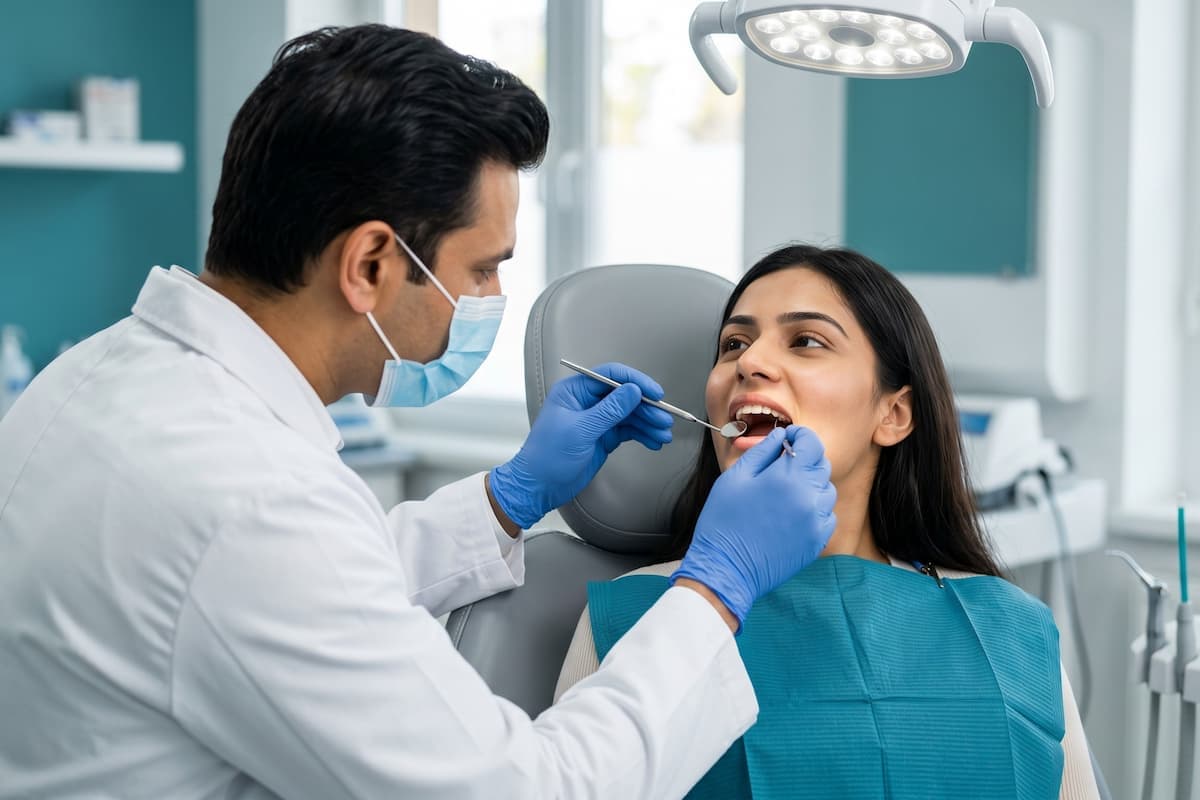
A routine dental check-up generally involves a review of your dental and medical history, an assessment of your teeth, gums, and surrounding oral tissues, and a discussion of any concerns you may have. The dentist will identify areas that may require monitoring, provide preventive guidance, and recommend further investigation or follow-up where appropriate to individual needs.
What Happens First at a Routine Dental Check-up?
Before any clinical examination begins, the dentist will typically take a few moments to review your relevant background. This includes your dental and medical history, any medications you may be taking, and whether you have noticed any changes since your last visit.
This opening stage is more important than it might initially appear. Medical conditions, medications, and lifestyle factors can all have a direct influence on oral health. For example, certain medicines may contribute to a dry mouth, which can in turn affect the risk of tooth decay. Understanding your broader health picture allows the dentist to tailor the assessment to your individual circumstances.
If you are attending a particular practice for the first time, this introductory stage may take a little longer to ensure a thorough baseline is established.
You will also have the opportunity to raise any specific concerns — whether that is tooth sensitivity, a change you have noticed, or simply a question you have been meaning to ask. It is worth taking a moment before your appointment to think about anything you would like to discuss.
What Does a Dentist Check During an Examination?
The examination itself follows a careful and systematic approach. Rather than focusing only on visible problems, the dentist assesses multiple areas of your mouth to build a comprehensive picture of your oral health.
Your Teeth
Each tooth is assessed individually where appropriate. The dentist will look for early signs of tooth decay, often checking surfaces that are not easily visible to the naked eye. They may use a small mirror and probe to examine areas between teeth and along the gumline.
Existing restorations — such as fillings, crowns, or other dental work — will also be checked for wear, damage, or changes that might warrant further assessment. Understanding how different types of dental restorations are assessed over time can help patients appreciate why existing work is routinely reviewed.
Your Gums and Periodontal Health
Gum health is a central part of any professional dental examination. The dentist will assess the condition of your gums, looking for signs that may indicate inflammation, bleeding, or changes to the supporting structures around your teeth.
In some cases, a process called periodontal charting may be used — this involves gently measuring the depth of the spaces between your teeth and gums using a small calibrated instrument. This is generally not painful, though some patients find it mildly uncomfortable. Current clinical understanding suggests that early identification of gum-related changes can significantly support long-term periodontal health.
If there are signs that may indicate gum-related concerns, a more detailed gum health assessment may be discussed.
Existing Dental Work
Fillings, crowns, bridges, veneers, and other restorations are not permanent in the same way as natural teeth. Over time, these restorations can show wear, marginal changes, or signs that require monitoring. The dentist will note the condition of any existing dental work and consider whether any changes require attention.
Your Bite and Tooth Alignment
How your upper and lower teeth meet — referred to as your bite or occlusion — forms part of the assessment. Irregular wear patterns on tooth surfaces may indicate habits such as grinding or clenching, which can affect the long-term health of the teeth and jaw. If relevant changes are noted, this would be discussed with you in the context of your overall oral health.
Oral Tissues and Soft Tissue Assessment
A thorough dental examination extends beyond the teeth and gums. The dentist will also assess the soft tissues of the mouth, including the tongue, cheeks, palate, and floor of the mouth. This forms part of a broader assessment of general oral health.
Where clinically appropriate, the dentist may conduct a soft tissue examination that includes consideration of any changes that could benefit from further evaluation. Current UK oral health guidance emphasises the importance of routine soft tissue assessment as part of comprehensive preventive dental care.
Are Dental X-rays Part of Every Check-up?
Dental X-rays — also referred to as radiographs — are a valuable clinical tool, but they are not automatically taken at every appointment. Whether X-rays are recommended depends on individual clinical circumstances, professional judgement, and the findings of the examination itself.
X-rays can help identify changes that are not visible to the naked eye, including early decay between teeth, changes in bone levels around the teeth, and the condition of roots and surrounding structures. They can be particularly useful when a dentist wants to assess an area more thoroughly or establish a baseline record for future comparison.
The decision to take X-rays is guided by clinical need and proportionality. Dental professionals in the UK follow radiation protection guidelines, which means X-rays are only recommended when there is a justified clinical reason. The interval between X-rays, where they are appropriate, will depend on factors such as your individual oral health, caries risk, and the presence of existing restorations.
If X-rays are suggested during your appointment, your dentist will explain why they may be clinically useful for your particular circumstances.
Does a Routine Dental Check-up Include Treatment?
This is one of the most common questions patients have, and the answer is clear: a routine dental check-up is an examination, not a treatment appointment.
The purpose of the check-up is assessment and preventive guidance. If the dentist identifies areas of concern during the examination, they will discuss these with you and explain what further investigation or treatment may be appropriate — but the treatment itself is generally carried out at a subsequent appointment.
There is an important distinction here. An examination involves the dentist systematically reviewing your oral health and documenting their findings. A treatment appointment involves a specific clinical procedure, such as placing a filling or carrying out a scale and polish. These are separate appointments with separate purposes.
In some cases, a hygiene appointment to address plaque and tartar may be recommended alongside your routine examination. Your dental team will advise you on the most appropriate approach based on your individual oral health needs.
What Happens If the Dentist Finds a Problem?
Finding a potential concern during a routine examination is not something to be alarmed about. Early identification of an issue is, in many ways, the purpose of attending regular check-ups — addressing something at an early stage often means a more straightforward pathway forward.
If the dentist notes something that may require further attention, they will explain what they have observed, what it may indicate, and what the recommended next steps could involve. This might mean monitoring a particular area over time, arranging a follow-up appointment for a specific treatment, or referring for a more specialist assessment if appropriate.
The dentist will always discuss findings with you clearly and give you the opportunity to ask questions before any further appointments are arranged. No treatment would be carried out without your informed consent.
How Often Should You Have a Routine Dental Check-up?
There is no single answer that applies to every patient. Examination recall intervals — the time between your check-up appointments — vary according to individual oral health needs and are determined by professional assessment rather than a universal rule.
Current UK guidance, informed by NICE recommendations, supports the principle of risk-based recall intervals. This means the time between your appointments should reflect your individual oral health risk profile rather than follow a blanket schedule.
Factors that a dentist may consider when recommending a recall interval can include:
• Your current gum health and any history of periodontal concerns
• Your individual risk of tooth decay
• The presence and condition of existing dental restorations
• Your age and general health
• Your oral hygiene habits and diet
• Any previous dental problems or treatments
For some patients, a shorter interval between check-ups may be clinically appropriate. For others, a longer interval may be suitable. Understanding your personal oral health risk is something your dentist is best placed to guide you on following a thorough examination.
How Can You Prepare for a Dental Check-up?
Preparation for a routine dental check-up is straightforward, but a little thought beforehand can help you make the most of your appointment.
Consider the following before you attend:
• Brush and floss as normal before your appointment — there is no need to do anything differently. Simply maintain your usual oral hygiene routine.
• Make a note of any concerns you would like to raise, such as sensitivity, discomfort, or changes you have noticed.
• Bring an updated list of any medications you are currently taking, including over-the-counter medicines, vitamins, and supplements.
• Let the practice know if there have been any significant changes to your medical history since your last visit.
• Arrive a few minutes early if you are visiting for the first time, as there may be some initial paperwork to complete.
There is no need to feel anxious. A check-up is a routine, non-invasive appointment, and your dental team is there to support you.
What Should You Do Between Dental Check-ups?
The care you provide your teeth and gums between appointments is as important as the check-up itself. Preventive dentistry works most effectively when good oral hygiene habits are maintained consistently.
Between dental check-up appointments, consider the following:
• Brush twice daily using a fluoride toothpaste, for at least two minutes each time.
• Clean between your teeth daily using interdental brushes, floss, or water flossers — whichever is most suitable for your teeth and gum spaces.
• Be mindful of sugar consumption, particularly the frequency of sugary and acidic foods and drinks throughout the day.
• Stay hydrated with water, which supports saliva production and helps protect against tooth decay.
• Avoid smoking or using tobacco products, which are associated with gum disease, tooth staining, and other oral health concerns.
• Attend your recommended hygiene appointments where applicable, as professional cleaning can address plaque and tartar that brushing alone may not fully remove.
If you notice any changes between appointments — such as sensitivity, discomfort, bleeding gums, or visible changes to a tooth — contact your dental practice rather than waiting for your next scheduled check-up. Gum-related changes in particular are generally best assessed promptly.
Taking a Preventive Approach to Your Oral Health
A routine dental examination is not simply about finding problems. It is an opportunity to understand your oral health, receive personalised guidance, and maintain a proactive approach to your wellbeing. Preventive dentistry, underpinned by professional assessment and consistent home care, remains one of the most effective ways to support long-term dental and general health.
If you have questions about what a dental check-up involves, or if it has been some time since your last examination, speaking with a qualified dental professional is the most appropriate next step. Your dentist can advise on what an examination might involve for your specific circumstances and what a suitable recall interval might look like for you.
Frequently Asked Questions
Is a routine dental check-up painful?
A routine examination is generally not painful. The dentist uses small, non-invasive instruments to assess your teeth and gums. Some patients may experience mild sensitivity if their gums are tender or if a probe is used during a gum assessment, but significant discomfort is not typical. If you have concerns about sensitivity or anxiety about dental visits, it is worth mentioning this to your dental team before the appointment so they can support you appropriately.
How long does a routine dental check-up usually take?
The duration varies depending on individual circumstances. A standard examination appointment typically takes between 20 and 40 minutes, though this can vary if your dentist needs to take X-rays, complete a more detailed assessment, or if you have a number of questions to discuss. A first appointment at a new practice may take slightly longer to establish your dental history.
Can I have a dental check-up if I am pregnant?
In most cases, routine dental examinations are generally considered appropriate during pregnancy and are often encouraged. Hormonal changes during pregnancy can affect gum health, so maintaining regular dental attendance is particularly relevant. Always inform your dental team that you are pregnant so they can take this into account, particularly regarding any X-rays, which are typically avoided during pregnancy unless clinically essential.
What should I do if I have dental anxiety and have avoided check-ups for a long time?
It is more common than many people realise to feel anxious about dental visits, and dental teams are experienced in supporting patients with varying levels of concern. If you have not attended for some time, the first step is simply to make contact with a dental practice and explain your situation. Many practices offer an initial conversation or a phased approach to reintroducing routine care. There is no judgement involved — the focus is on supporting your oral health going forward.
Does a dental check-up look at my wisdom teeth?
If your wisdom teeth are present, they will generally be included within the broader examination of your teeth. The dentist may assess their position, any associated symptoms, and whether monitoring or further investigation is appropriate. Not every patient experiences concerns with wisdom teeth, and findings will be discussed individually based on your specific circumstances.
Will my dentist check for oral cancer during a routine examination?
Soft tissue assessment, which includes an examination of the tongue, cheeks, palate, and other oral tissues, forms part of a thorough dental examination. This may include noting any changes that warrant further evaluation. It is important to understand that this is not a diagnostic procedure and does not constitute a definitive oral cancer screening programme — but oral tissue assessment is a recognised element of a comprehensive oral health examination. Your dentist will explain any findings and recommend further assessment if appropriate.
What happens if I miss a dental check-up appointment?
Missing an occasional appointment is not unusual, but it is worth rescheduling as soon as is practical. If a longer period passes between examinations, there is a greater chance that early changes to the teeth or gums might go unnoticed. If you have missed appointments due to anxiety, financial concerns, or other reasons, it is worth contacting your dental practice to discuss options. Most practices can work with patients to find a suitable approach.
Are routine dental check-ups different for children compared to adults?
The fundamental principles are similar, but there are age-specific considerations for children's dental examinations. Dentists will assess the development of primary and permanent teeth, check for early signs of decay, discuss diet and oral hygiene habits relevant to the child's age, and consider preventive measures such as fissure sealants where appropriate. The frequency of recall appointments for children may differ from adults and is similarly based on individual assessment. Dental care for children follows guidance aimed at establishing strong oral health habits from an early age.
Can a check-up identify problems with my jaw or bite?
A dentist will assess aspects of your bite and jaw function as part of a routine examination, including looking for signs of tooth grinding or clenching (bruxism), uneven wear on tooth surfaces, and any discomfort associated with the jaw joint. If concerns are identified, further assessment or referral may be discussed. A routine check-up is not a specialist jaw assessment, but it can identify signs that may prompt further investigation where clinically appropriate.
Do I need a check-up if my teeth feel fine and I have no pain?
Yes. Many early dental and gum-related changes do not cause noticeable symptoms in their initial stages. Tooth decay between teeth, early gum inflammation, and soft tissue changes can all be present without causing pain or discomfort that you would necessarily notice. A professional dental examination provides a level of assessment that self-monitoring cannot replicate. This is one of the core reasons why routine dental attendance supports long-term oral health, even when everything feels fine.
Closing Note
If you would like to understand more about your own oral health or if it has been some time since your last dental examination, speaking with a qualified dental professional is the most appropriate step. A routine dental check-up is an opportunity to receive a professional, personalised assessment and to discuss any questions you may have about your teeth and gums in a calm, unhurried setting.
Dental Disclaimer
This article is for general educational information only and is not personal dental advice. Check-up findings, recall intervals, and treatment recommendations vary by individual clinical circumstances. Decisions about X-rays and treatment should be made with a qualified dental professional after assessment. If you have oral health concerns, book an in-person review with a GDC-registered dentist.
Written Date: 12 August 2026 Next Review Date: 12 August 2027
Written by Wimpole Dental Editorial Team · reviewed by Wimpole Dental Clinical Team
This article is general information, not personal clinical advice. For a diagnosis and a plan tailored to you, book a consultation with a GDC-registered dentist.
Related treatments at our Wimpole Street practice