How Can You Manage Anxiety Before a Routine Dental Appointment?
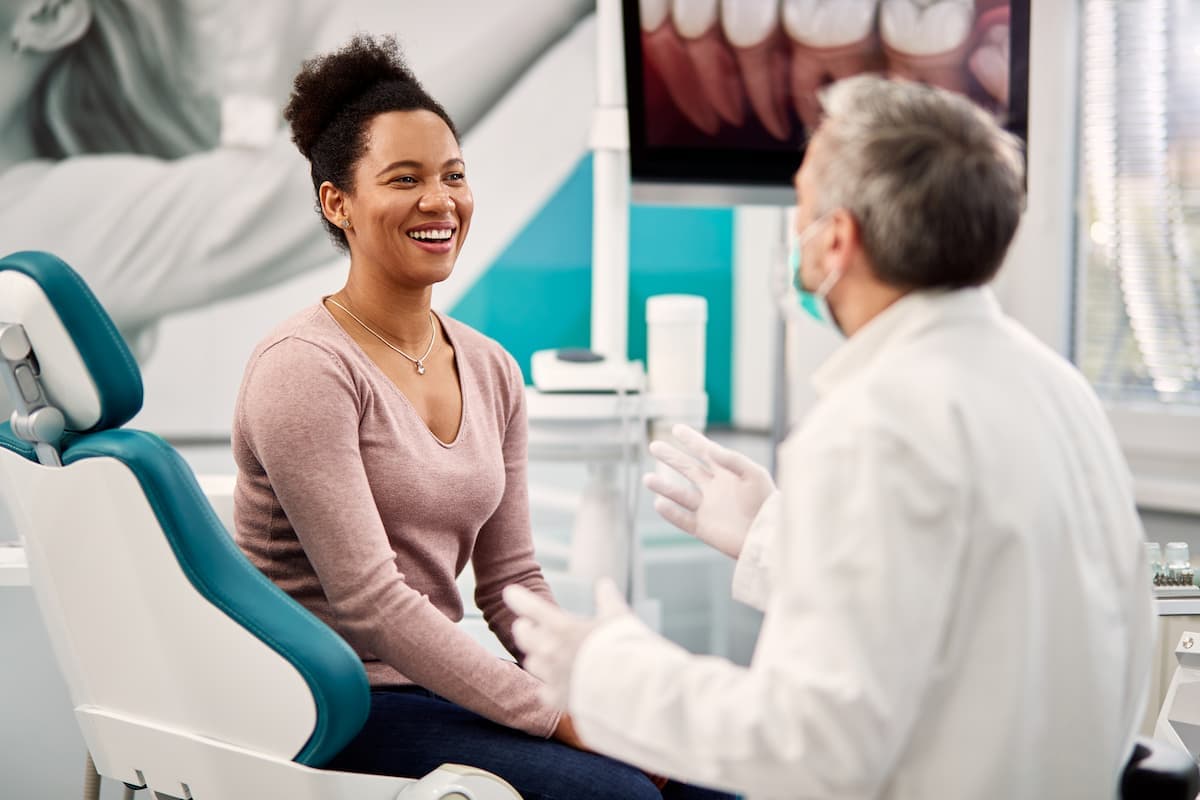
Feeling uneasy before a dental visit is far more common than most people realise. Whether it is a quiet sense of dread that builds over days or a more immediate wave of nervousness on the morning of your appointment, anxiety before a dental check-up is a genuinely shared experience — not a personal failing or something to feel embarrassed about.
Understanding how to manage dental anxiety before an appointment can make a meaningful difference. The steps you take before you even sit in the chair — how you prepare, what you communicate and how you approach the day — can all help you feel calmer and more in control.
This article explores practical, evidence-informed ways to reduce anxiety before a routine dental appointment, while helping you understand what to expect and when it may be useful to seek additional support.
Direct Answer To manage dental anxiety before an appointment, try preparing in advance by noting any questions or concerns, practising simple breathing techniques, arriving a little early, and letting the dental team know you feel nervous. Communicating openly with your dentist allows them to adapt the appointment to your comfort. These approaches may help many people feel more at ease, though individual experiences vary.
Why Do Routine Dental Appointments Cause Anxiety?
Dental anxiety is recognised across UK healthcare as a common and legitimate response. Research consistently shows that a significant proportion of adults in the UK experience some degree of nervousness about dental visits, with a smaller group experiencing more persistent dental fear or dental phobia.
It is helpful to understand what drives that feeling, because knowing the source of anxiety is often the first step toward managing it.
Common Sources of Dental Nervousness
• Fear of pain — A concern that the appointment may be uncomfortable, often shaped by past experiences or stories from others.
• Fear of injections or instruments — Specific anxieties about needles or dental tools that can feel disproportionate but are very real.
• Fear of embarrassment — Worrying about being judged for the condition of your teeth or how long it has been since your last visit.
• Fear of losing control — Lying back with little ability to move or speak freely can feel unsettling for some people.
• Uncertainty about what will happen — Not knowing what the dentist will find or what they might recommend can create anticipatory anxiety.
• Sensitivity to sounds and sensations — The sounds of dental equipment can trigger a stress response even when no discomfort is present.
• Previous negative experiences — A difficult appointment in the past — particularly from childhood — can leave a lasting association between dental visits and anxiety.
Understanding which of these resonates most with you can help you and your dental team put the right measures in place.
The Difference Between Nervousness, Dental Anxiety and Dental Phobia
Not all dental nervousness is the same, and it can be useful to distinguish between different levels of dental-related fear.
General nervousness before a routine appointment is very common and often eases once the appointment begins. Most people who feel a little anxious still manage to attend and find the experience less difficult than they anticipated.
Dental anxiety is a more persistent pattern where worry about dental visits interferes with your sense of wellbeing — perhaps causing you to lose sleep before an appointment or feel physically tense in the days leading up to it.
Dental phobia is at the more significant end of the spectrum, where fear of the dentist becomes so intense that people avoid attending altogether, sometimes for months or years, even when they are aware they may need care. If you feel that your anxiety consistently prevents you from seeking dental care, it may be worth discussing this with your GP or dental team, as there are supportive approaches that can be explored with appropriate professional guidance.
Current UK dental guidance emphasises patient-centred communication and preventive care, recognising that supporting patients through anxiety is an important part of delivering good dental care.
How to Prepare Before a Routine Dental Appointment
Much of what shapes your experience on the day begins well before you arrive. Thoughtful preparation can meaningfully reduce the intensity of anxiety before your appointment.
Write Down Your Concerns in Advance
If anxiety leaves you feeling tongue-tied in the dental chair, writing down your questions or worries beforehand can help. You might note:
• Any areas of discomfort you have noticed
• Questions about what the examination involves
• Specific fears you would like the team to be aware of
• Whether you would like explanations as you go
Having this list means you are less likely to leave the appointment feeling unheard or unsatisfied.
Learn What a Routine Examination Involves
Much dental anxiety is rooted in uncertainty. A routine dental examination typically involves a visual assessment of your teeth and gums, a check of the surrounding soft tissues, and a discussion of your oral hygiene and any concerns you may have. X-rays may occasionally be recommended, depending on your individual clinical needs and history.
Knowing broadly what to expect can reduce the sense of unpredictability that fuels anxiety for many patients.
Practise Simple Breathing Techniques
Controlled breathing is one of the most widely recommended non-clinical approaches for reducing acute anxiety. Slow, diaphragmatic breathing — breathing in gently through the nose for a count of four, holding briefly, and exhaling slowly through the mouth — can help activate the body's natural calming response.
This is not a guaranteed solution, and different approaches suit different people, but many patients find that practising this technique in the days before an appointment — and again in the waiting room — can make them feel more settled.
Consider the Timing of Your Appointment
For some people, choosing an appointment time that suits their routine can reduce background stress. An early morning slot may mean less time to build anticipatory anxiety during the day. Others prefer an appointment that does not interrupt a busy working schedule. There is no universally right answer — consider what tends to work best for you.
Arrive a Little Early
Rushing to an appointment when already anxious can heighten stress significantly. Arriving five to ten minutes early allows you time to settle, take a few steady breaths, and orient yourself to the environment before your name is called. Feeling hurried on top of nervous rarely helps.
Telling Your Dental Team About Your Anxiety
One of the most important things you can do before and during a dental appointment is simply to say that you feel nervous. This is not a burden on the dental team — it is genuinely useful clinical information.
Dental professionals are trained to support anxious patients, and knowing that you feel anxious allows them to adapt their communication, take things at a more measured pace, and check in with you throughout the appointment.
Agreeing a Pause Signal
A practical and widely used approach is agreeing a simple signal with your dentist before the appointment begins — for example, raising your hand if you need a pause. Knowing that you can stop at any time can significantly reduce the sense of having lost control, which is one of the core drivers of dental anxiety for many people.
This kind of collaborative communication reflects the patient-centred approach that the General Dental Council (GDC) expects all registered dental professionals to uphold.
What May Help During the Appointment Itself
Preparing well before the appointment creates a foundation, but there are also a few approaches that some patients find helpful in the moment.
• Focusing on steady breathing during treatment or examination
• Listening to music or a podcast through headphones, if the dental team is comfortable with this and it does not interfere with communication
• Keeping your hands rested and relaxed rather than gripping the armrests, which can increase muscular tension
• Asking the dentist to explain each step before they proceed, if knowing what is coming helps rather than increases your anxiety
• Using the agreed pause signal if you feel overwhelmed and need a moment
None of these approaches are clinical interventions, and their effectiveness varies between individuals. They are practical patient-centred tools that many people find useful alongside a supportive dental team.
Anxiety About Specific Aspects of Dental Treatment
Some patients are not broadly anxious about dental visits but have a specific concern — fear of a particular sensation, sound or procedure. This is worth acknowledging separately.
If you are anxious about gum health assessments, for example, letting the team know beforehand means they can explain each step clearly. Similarly, if you have concerns about dental X-rays, a brief conversation before the appointment can clarify what the process involves and why it may be recommended.
Specific fears often respond well to information and preparation, even when more general dental anxiety does not.
When Dental Anxiety May Need Additional Support
For most patients, practical preparation and open communication with their dental team will be sufficient to manage nervousness before routine appointments. However, for a smaller group of people, anxiety is more persistent and may require a different kind of support.
If you find that:
• Fear of the dentist is causing you to miss or cancel appointments regularly
• You experience significant physical symptoms of anxiety — such as nausea, difficulty sleeping or panic responses — in anticipation of dental visits
• Your anxiety is affecting your oral health because you are avoiding necessary care
...it may be worth discussing this with your dental team or GP. There are supportive options that may be explored in appropriate circumstances, including referral to psychological support, and in some clinical contexts, additional anxiety-management approaches that your dental team can advise on. These would always be discussed individually, based on your specific circumstances.
The NHS provides information on dental care and patient rights, and your GP can also be a useful point of contact if anxiety is affecting your ability to access routine healthcare more broadly.
How Regular Dental Attendance Can Build Confidence Over Time
One of the more counter-intuitive aspects of dental anxiety is that avoiding appointments tends to increase fear over time rather than reduce it. Infrequent attendance can mean that when patients do return, more clinical work may be needed — which can reinforce the association between dental visits and difficulty.
Maintaining regular preventive dental check-ups tends to mean that appointments are shorter, less complex and more familiar. Familiarity with the dental environment, the team and what to expect can gradually build confidence across appointments.
This is not to suggest that simply attending will eliminate anxiety — that would be an oversimplification. But consistent, supported attendance is one of the most practical ways to develop a more comfortable relationship with dental care over time.
Good oral hygiene at home — including regular brushing with a fluoride toothpaste and interdental cleaning — also supports your gum and tooth health between appointments, which may reduce the likelihood of unexpected findings that can contribute to anxiety about what the dentist might discover.
A Note on Reflecting on Your Own Experience
It can be useful to ask yourself a few honest questions before dismissing your dental anxiety as something minor or, conversely, before assuming it is more significant than it is:
• Is your nervousness related to a specific past experience, or is it more general?
• Does anxiety about dental appointments affect you for days beforehand, or mainly in the hour or two before?
• Have you spoken to a dental professional about your concerns, or have you been managing the anxiety privately?
There are no right or wrong answers here. These questions are simply a way of helping you understand your own experience more clearly, so that you can communicate it to your dental team and get the support that is appropriate for you.
Supporting Your Oral Health Alongside Managing Anxiety
Dental anxiety does not exist in isolation. Looking after your oral health between appointments — maintaining good brushing habits, reducing sugary food and drink frequency, and attending regular check-ups — is part of a broader approach to supporting your confidence around dental care.
If you have specific concerns about your teeth or gums, addressing them as early as possible tends to mean simpler, more straightforward care. Conditions such as gum disease are generally more manageable when identified and supported early, which is another practical reason why maintaining routine attendance — even when anxious — can be genuinely beneficial.
Taking the First Step
If dental anxiety has been preventing you from attending routine appointments, the most important step is a small one: contacting your dental practice to discuss how they can support you.
Most dental teams are experienced in working with anxious patients and will be glad to speak with you before an appointment to understand your concerns. You do not need to arrive fully composed — you simply need to arrive. The rest can be worked through together.
If you are concerned about dental anxiety or have been putting off a routine examination, speaking with a dental professional is a good place to start. At Wimpole Dental, our team is experienced in supporting patients who feel nervous about dental visits. We are happy to discuss your concerns at your own pace and help you find a way forward that feels manageable for you.
Frequently Asked Questions
1. Is it normal to feel anxious before even a routine dental appointment?
Yes — feeling some level of nervousness before a routine dental appointment is very common. Many adults in the UK experience dental anxiety to varying degrees, and there is no threshold of nervousness that is considered unusual. Acknowledging the feeling and taking small preparatory steps can help make the experience more manageable.
2. Should I tell my dentist I am nervous if it is only mild anxiety?
Yes, even mild anxiety is worth mentioning. Letting your dental team know that you feel nervous means they can communicate more clearly, take things at a steadier pace and check in with you throughout. You do not need to be significantly anxious for this information to be useful to your team.
3. What if I am so anxious I feel like cancelling my appointment?
Try to contact the dental practice before cancelling, rather than simply not attending. Explaining that you are feeling anxious may open a conversation about what adjustments could be made. Many people find that speaking with the practice beforehand reduces anxiety enough to allow them to attend.
4. Can I bring someone with me to my dental appointment?
In most circumstances, you can ask the dental practice whether a companion can accompany you to your appointment. Having a trusted person present — even in the waiting area — can provide reassurance for some patients. It is worth asking the practice in advance, as protocols may vary.
5. How long before a dental appointment should I start preparing?
There is no fixed timeline, but beginning simple preparation — such as writing down concerns, practising breathing techniques and confirming appointment details — a few days beforehand can reduce the build-up of anticipatory anxiety. Avoid leaving practical preparation until the morning of the appointment if possible.
6. Will my dentist judge me if I have not been for a long time?
Registered dental professionals in the UK are expected to treat all patients with respect and without judgement, in line with GDC standards. If you have not attended for some time, your dental team's focus will be on understanding your current oral health and supporting you going forward — not on how long the gap has been.
7. Are there any breathing techniques specifically recommended for dental anxiety?
There is no single technique universally recommended for dental settings, but slow, controlled breathing — often referred to as diaphragmatic or paced breathing — is widely regarded as a practical approach to managing acute anxiety in many contexts. Breathing in gently for a count of four, holding briefly, and exhaling slowly tends to be easy to apply in a dental environment without requiring any equipment or prior training.
8. What if my child is anxious about the dentist — is the same advice relevant?
Some of the same principles apply — such as preparing in advance, communicating with the dental team and using a calm tone when discussing the appointment. However, managing dental anxiety in children involves additional considerations, and it is worth speaking directly with a paediatric-experienced dental professional who can provide guidance appropriate to your child's age and needs.
9. Is sedation ever used for routine dental anxiety?
In some clinical circumstances, sedation options may be discussed for patients with more significant dental anxiety — but this would not typically be a first-line consideration for routine appointment nervousness. Any discussion of sedation would involve a thorough clinical assessment and an individual conversation about suitability, options and alternatives. This is distinct from the practical coping strategies covered in this article.
10. What if my anxiety seems to get worse after a difficult dental experience?
Previous negative dental experiences can sometimes make anxiety more persistent, and this is a recognised pattern in dental care. If a difficult appointment has made you more reluctant to return, it is worth raising this with your dental team or, if anxiety has become significantly disruptive, with your GP. There are supportive approaches that may be appropriate, and avoiding care altogether tends to be less helpful in the longer term.
Dental Disclaimer
General information only; this is not a personal diagnosis, treatment plan, or mental-health assessment. Support options for dental anxiety should be tailored after professional review. Outcomes vary between individuals and clinical circumstances. If anxiety is severe or prevents attendance, speak with your dentist and, where appropriate, your GP.
Written by Wimpole Dental Editorial Team · reviewed by Wimpole Dental Clinical Team
This article is general information, not personal clinical advice. For a diagnosis and a plan tailored to you, book a consultation with a GDC-registered dentist.
Related treatments at our Wimpole Street practice