How Do You Know If a Smile Makeover Is Right for You?

Many people reach a point where they notice something about their smile that affects how they feel — whether that is a discoloured tooth, uneven edges, a gap they have always been self-conscious about, or general wear that has built up over years. It is at this point that the idea of a smile makeover often surfaces.
But how do you actually know if it is the right step for you? The answer is rarely straightforward, and that is a good thing. A well-considered decision — one that takes into account your oral health, your expectations, your lifestyle, and your individual goals — is far more likely to lead to an outcome you are genuinely happy with.
This guide is designed to help you think through that decision clearly, honestly, and without pressure.
What Does a Smile Makeover Actually Mean?
A smile makeover is not a single procedure. It is a treatment planning concept — a coordinated approach that may draw on several dental disciplines to address multiple concerns at once. Rather than booking individual treatments in isolation, a makeover approach allows a dentist to consider the overall aesthetic and functional outcome from the outset.
Treatments commonly included in a smile makeover plan may encompass:
• Teeth whitening — to address discolouration and improve overall brightness
• Dental veneers — thin porcelain or composite shells bonded to the front surface of teeth to correct shape, size, or colour
• Composite bonding — a sculpted resin material used to reshape, lengthen, or repair teeth conservatively
• Orthodontics — fixed or removable appliances to correct alignment, crowding, or spacing
• Dental crowns — tooth-coloured restorations that cover damaged or heavily restored teeth
• Gum contouring — reshaping the gumline to improve smile symmetry
No two smile makeover plans look the same. They are built around the individual — not a template.
Who Might Consider a Smile Makeover?
There is no single type of person who seeks cosmetic dental treatment. People explore smile makeovers for a wide variety of reasons, and none of them need to be justified to anyone else.
You may find yourself thinking about a makeover if you:
• Feel self-conscious about your smile in social or professional situations
• Have teeth that are noticeably discoloured and have not responded sufficiently to whitening
• Have experienced chipping, wear, or minor damage that affects multiple teeth
• Are unhappy with the shape, size, or alignment of your teeth
• Have recently completed orthodontic treatment and want to refine the result
• Are approaching a significant life event and want to feel more confident
Equally, thinking about improving your smile does not mean a comprehensive makeover is necessarily the right approach. For some people, a single targeted treatment may achieve what they are looking for. For others, a broader plan is what will genuinely make a difference. That distinction is best explored through personalised smile makeover planning.
Oral Health Comes First — Always
This is perhaps the most clinically important point in this entire article: cosmetic dental treatment should only proceed once your underlying oral health is in good order.
Before any smile makeover plan is designed or started, a dentist will need to assess:
• Gum health — active gum disease (periodontitis or gingivitis) must be treated before cosmetic work begins, as inflamed or receding gums can affect both the appearance and longevity of restorations
• Decay and infection — any untreated cavities or dental infections need to be resolved first
• Bite function — how your teeth come together (your occlusion) affects which treatments are suitable and how durable they will be
• Existing restorations — older fillings, crowns, or bridgework may need to be assessed or updated
This is not a bureaucratic hurdle. It is the foundation on which a successful cosmetic outcome is built. A smile that looks beautiful but sits on an unhealthy base is unlikely to remain that way. This is why responsible cosmetic dentistry and healthy teeth maintenance between appointments are genuinely inseparable.
Factors That Influence Smile Makeover Suitability
Suitability for a smile makeover is never a simple yes or no. It is shaped by a combination of clinical and personal factors.
Your Current Oral Health Status
As outlined above, gum health, the presence of decay, and bite stability all influence which treatments can be safely considered and in what sequence. A thorough dental examination, including X-rays where appropriate, gives the clinical picture needed to make a sound plan.
Your Aesthetic Goals and Expectations
Being clear about what you want to change — and why — is genuinely valuable, both for you and for your dentist. Some goals are very achievable. Others may require compromise, phasing, or an honest conversation about what cosmetic dentistry can and cannot do.
Photographs, digital smile design tools, and trial composite mock-ups (where relevant) can help bridge the gap between expectation and reality before any irreversible treatment takes place.
The Reversibility of Treatment Options
Some cosmetic treatments are minimally invasive and largely reversible. composite bonding treatment, for example, can in many cases be removed or adjusted without altering the natural tooth significantly. Porcelain veneers, by contrast, typically require a small amount of enamel reduction, making them a long-term commitment. This distinction matters and should be part of any honest treatment discussion.
Your Lifestyle and Maintenance Commitment
Cosmetic dental work requires ongoing care to maintain its appearance and function. Teeth whitening results fade over time and may need refreshing. Composite bonding can stain or chip with certain habits. Veneers and crowns, while durable, are not indestructible. Understanding what maintenance looks like — and whether it fits your lifestyle — is an important part of the decision.
Dental Anxiety
It is worth acknowledging that for some people, dental anxiety is a real and significant barrier. A well-planned smile makeover, discussed openly with a dentist who understands your concerns, can often be approached in a staged and manageable way. Raising this in a consultation is not a weakness — it is information that helps your clinical team look after you properly.
Potential Benefits
For patients who are suitable candidates and have realistic expectations, a smile makeover may:
• Improve the appearance of the smile in ways that feel personally meaningful
• Restore confidence in social, professional, or personal situations
• Address multiple concerns through a cohesive, planned approach rather than piecemeal treatments
• In some cases, combine aesthetic improvements with functional restorations (such as crowns that improve both appearance and tooth strength)
Realistic Limitations
It is equally important to be honest about what a smile makeover cannot do:
• It cannot replicate the natural variation of real teeth unless that is the aesthetic goal
• It does not stop future dental changes — teeth continue to age, and gums and bone continue to evolve
• Not every concern can be fully resolved with cosmetic treatment alone; some situations benefit more from orthodontics, restorative dentistry, or a combination
• Some treatments carry a risk of sensitivity, particularly in the period following whitening or veneer preparation
The British Dental Association and GDC both emphasise the importance of fully informed consent before any dental treatment, which means understanding both the potential benefits and the realistic risks before agreeing to proceed.
Alternatives Worth Knowing About
A comprehensive smile makeover is not the only route to feeling better about your teeth. Depending on your concerns, there may be simpler, more conservative options that are worth exploring first.
• Professional teeth whitening alone can make a significant difference for patients whose main concern is discolouration
• A single composite bonding treatment can address a chip or small gap without broader intervention
• Orthodontic treatment may be the right starting point if alignment is the primary concern, with cosmetic refinements considered afterwards
• A hygiene and stain removal programme can sometimes improve the appearance of teeth more than expected, particularly where surface staining is contributing to dissatisfaction
An experienced cosmetic dentist will not automatically recommend the most extensive option. The right clinician will help you understand the range available, including options that involve minimal or no alteration to your natural teeth. If you are exploring what whitening sensitivity expectations look like in practice, that can be a logical starting point.
Questions Worth Discussing at a Consultation
A good smile makeover consultation is a two-way conversation. Coming prepared with your own questions can help you get the most from it.
Consider asking:
1. What is the current state of my oral health, and is there anything that needs to be addressed before cosmetic treatment?
2. Which treatments would you recommend to address my specific concerns, and why?
3. Are there more conservative alternatives that might achieve a similar result?
4. What does the realistic outcome look like — and can I see examples or mock-ups?
5. What are the risks and limitations of the treatments you are recommending?
6. How long will the results last, and what maintenance will be required?
7. How will the treatment be sequenced, and what does the timeline look like?
You should feel comfortable asking these questions, and your dentist should be willing to answer them clearly and without pressure. If you are thinking about dental veneers as part of a broader plan, understanding how they fit into the sequence is especially important.
What Does a Smile Makeover Consultation Involve?
If you decide to explore the idea further, a consultation at a practice such as Wimpole Dental will typically include:
• A full oral health assessment, including gum health checks and X-rays where needed
• A discussion of your concerns, goals and lifestyle
• An explanation of the treatment options that may be appropriate in your case
• Photographs and, in some practices, digital imaging to help visualise possible outcomes
• A transparent breakdown of what any recommended treatment would involve, including timelines and costs
This is not a commitment to treatment. It is an opportunity to gather the information you need to make a decision that is right for you.
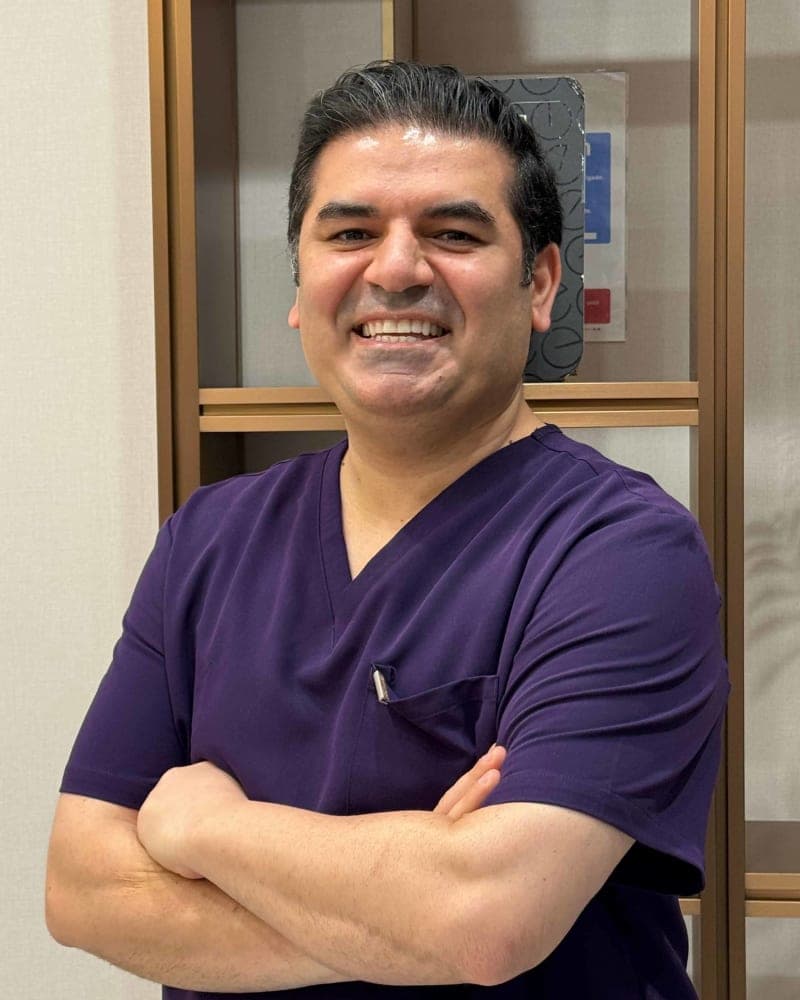
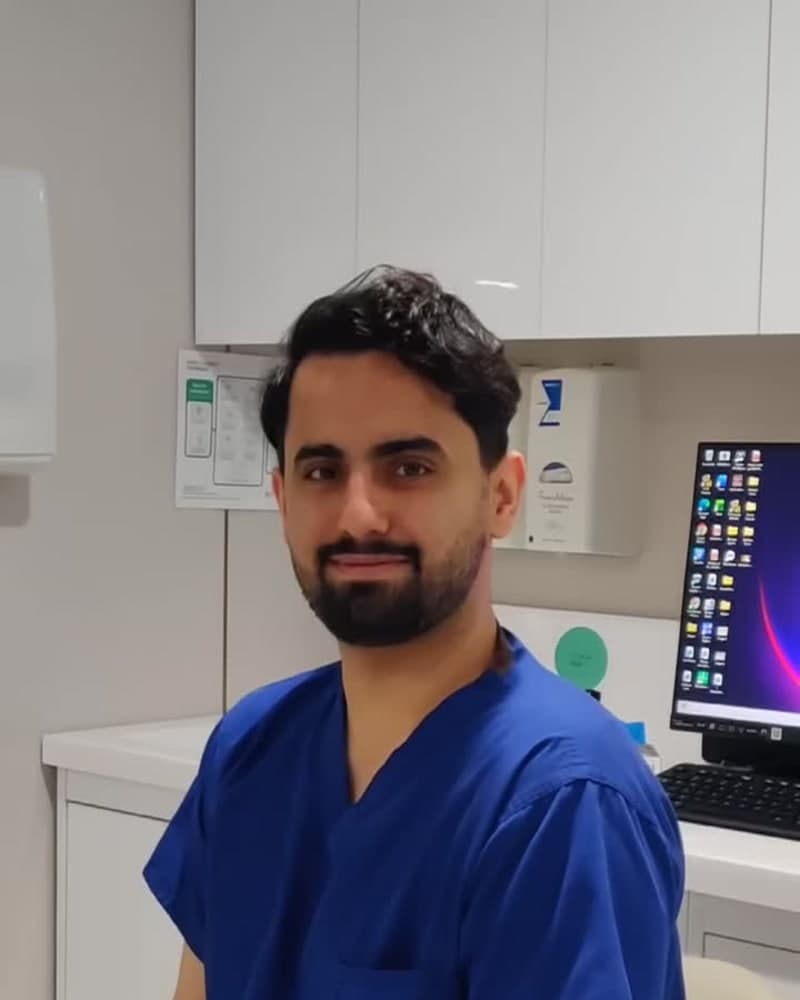
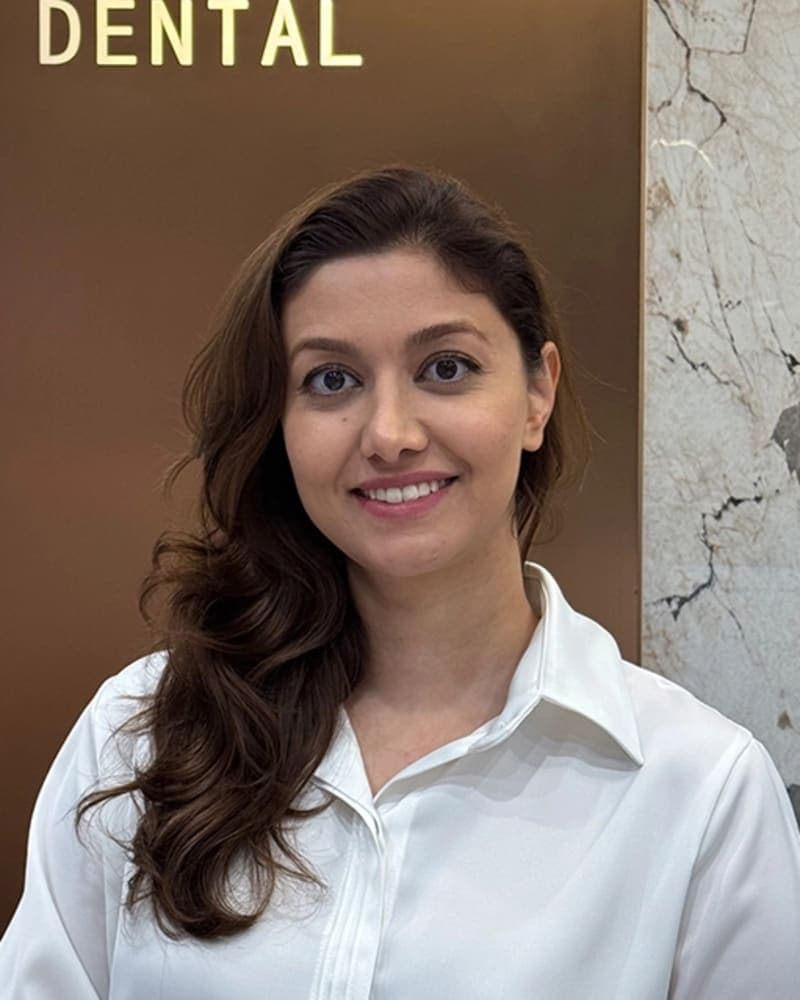
If you prefer to speak first, meet the clinical team before arranging your consultation.
Is a Smile Makeover Worth It?
This is ultimately a personal question — and it deserves a personal answer. For some patients, a carefully planned makeover genuinely transforms how they feel about their smile and, by extension, how comfortable they feel in day-to-day situations. For others, a targeted single treatment achieves the same effect with less complexity.
What matters is that your decision is based on accurate information, honest clinical advice, and a clear understanding of what to expect — not on pressure, urgency, or unrealistic promises.
If you have been thinking about your smile for a while and want to understand your options more clearly, speaking with a dentist is the most useful next step. A consultation does not lock you into anything. It simply gives you better information to work with.
To explore whether cosmetic dentistry options might be appropriate for your situation, speaking with the team at Wimpole Dental is a good place to start.
Frequently Asked Questions
1. At what age can someone consider a smile makeover?
There is no fixed age, but most cosmetic dental treatments are only appropriate once the teeth and jaws have fully developed — typically in the late teens at the earliest. For younger patients, orthodontic treatment is often considered before any cosmetic refinements. For older adults, factors such as gum health, bone density, and existing restorations become increasingly relevant and will be assessed before any plan is proposed.
2. Can I have a smile makeover on the NHS?
Smile makeovers, as a cosmetic treatment concept, are not available through NHS dental care. The NHS funds dental treatment that is clinically necessary rather than primarily cosmetic in nature. Some treatments that have both cosmetic and functional purposes — such as crowns — may be available on the NHS in certain circumstances, but this would depend on clinical need and NHS Band criteria. A dentist can explain what is and is not available under NHS provision in your specific case.
3. How long does a smile makeover typically take?
This varies considerably depending on the number and type of treatments involved. A straightforward plan combining whitening and composite bonding might be completed over a few weeks. A more comprehensive plan involving orthodontics, veneers, and gum work could span a year or more. Your dentist will outline a realistic timeline as part of the treatment planning process.
4. Will a smile makeover affect my ability to eat normally?
In the vast majority of cases, no — but there may be short adjustment periods after certain treatments. For example, new veneers or crowns may feel slightly unfamiliar at first, and orthodontic appliances can affect eating in the initial stages. Your dental team will advise on what to expect and any temporary dietary considerations that may apply.
5. What happens if I am not happy with the result?
This is why the consultation and planning stage matters so much. Discussing expectations clearly beforehand, using trial mock-ups where possible, and understanding the limitations of each treatment significantly reduces the likelihood of dissatisfaction. Where composite bonding has been used, minor adjustments can often be made relatively easily. With irreversible treatments such as veneers, it is harder to undo changes, which is why fully informed consent before treatment is so important.
6. Do I need to have perfectly healthy teeth before considering a smile makeover?
Not necessarily — but any active dental problems, such as gum disease or untreated decay, need to be resolved before cosmetic treatment begins. The goal is to ensure that the foundation is stable before any aesthetic work is placed. In practice, this sometimes means completing a course of preventive or restorative treatment first, then revisiting the cosmetic plan once your oral health is in good order.
7. Is composite bonding or veneers better for a smile makeover?
This depends entirely on your individual situation. Composite bonding is generally more conservative, often requires little or no removal of natural tooth structure, and can be a good option for minor shape corrections or repairs. Porcelain veneers tend to be more durable and stain-resistant over the long term, but typically require some enamel reduction and represent a longer-term commitment. Many smile makeover plans use both, applied to different teeth depending on their condition and the desired outcome.
8. Can orthodontic treatment be part of a smile makeover?
Yes, and in many cases it forms a valuable first phase. Moving teeth into better alignment before any cosmetic refinements are made often produces a more natural, stable, and long-lasting result. Clear aligner systems and fixed orthodontics are both commonly used. The sequencing of orthodontics within a broader smile makeover plan is something your dentist will discuss based on your specific goals.
9. How do I maintain my smile after a makeover?
Maintenance typically involves regular dental examinations and hygiene appointments, which are important regardless of cosmetic treatment. Depending on the treatments involved, your dentist may recommend avoiding certain foods or habits, using a custom mouthguard if you grind your teeth, and refreshing teeth whitening periodically. Good home oral hygiene — brushing twice daily with fluoride toothpaste and cleaning between teeth — remains fundamental.
10. What if I only want to change one or two things about my smile?
That is completely valid. A smile makeover does not have to be comprehensive to be worthwhile. If a single concern — such as one discoloured tooth or a small chip — is what is bothering you, a targeted single treatment may be entirely sufficient. A good cosmetic dentist will never recommend more treatment than is genuinely needed to meet your goals.
Disclaimer
This article is for educational guidance only and is not a personal treatment recommendation. Suitability for smile makeover care depends on your oral health, goals and in-person clinical assessment. Treatment stages, risks and outcomes vary between individuals and cannot be guaranteed. For tailored advice, discuss your options directly with a qualified dental professional.
Written Date: 06 November 2026 | Next Review Date: 06 November 2027
Written by Wimpole Dental Editorial Team · reviewed by Wimpole Dental Clinical Team
This article is general information, not personal clinical advice. For a diagnosis and a plan tailored to you, book a consultation with a GDC-registered dentist.
Related treatments at our Wimpole Street practice