Why Do My Teeth Hurt After Professional Whitening?
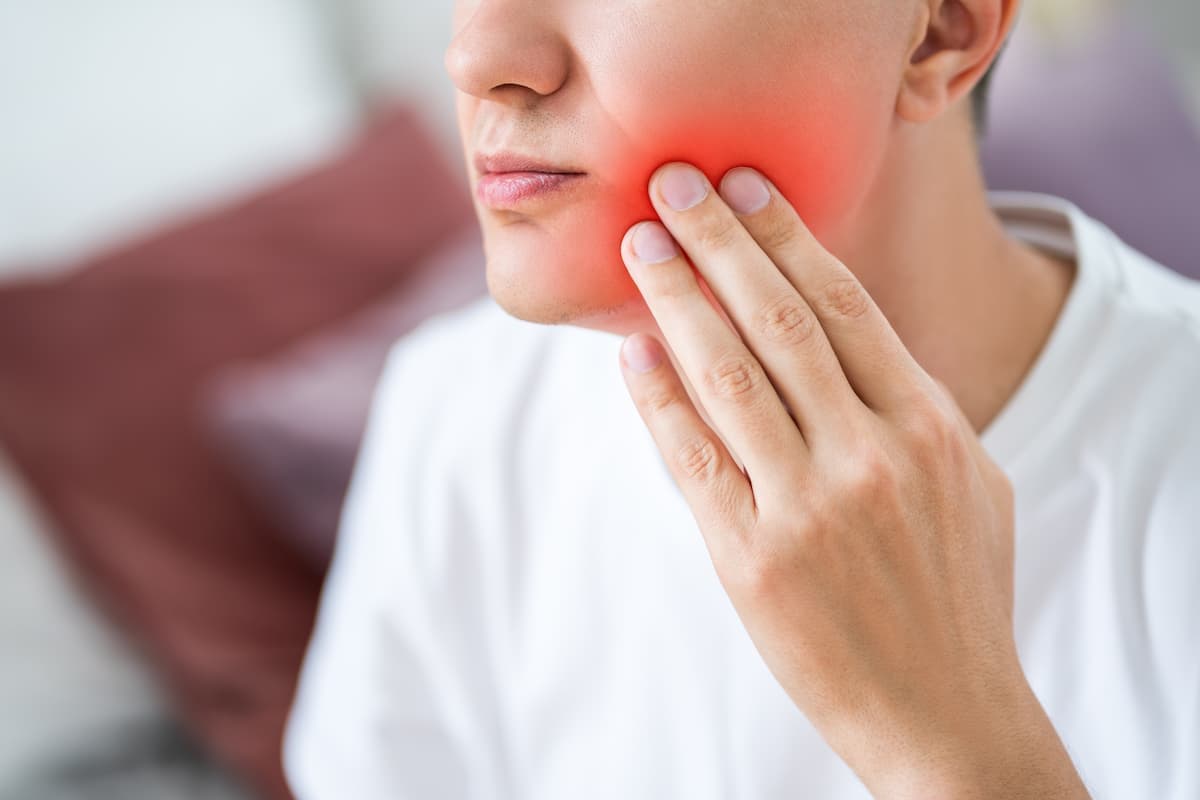
If your teeth hurt after whitening, you are not alone. Sensitivity following professional teeth whitening is one of the most commonly reported experiences among patients — and for many people, noticing discomfort after a whitening appointment can feel unexpected or worrying, particularly if their teeth felt fine beforehand.
Understanding why this happens, what to expect and how to care for your teeth in the days following treatment can make a significant difference to your comfort and confidence during recovery. This article explains the likely reasons behind post-whitening sensitivity, how long it may persist, practical aftercare considerations and when it may be appropriate to seek further professional dental advice from a wimpole street dentist.
Teeth can become sensitive or uncomfortable after professional whitening because the whitening agents used — typically hydrogen peroxide or carbamide peroxide — temporarily increase the permeability of tooth enamel. This allows the active agent to penetrate toward the dentine layer beneath, which contains microscopic channels called dentinal tubules connected to the nerve. This temporary process can heighten nerve sensitivity, causing discomfort that usually resolves within a short period following treatment. The experience and duration of sensitivity can vary significantly between individuals.
Why Whitening Can Affect Tooth Sensitivity
To understand why teeth may become sensitive after whitening, it helps to consider the structure of a tooth.
The visible outer surface of each tooth is covered by enamel — the hardest substance in the human body. Beneath the enamel lies a layer called dentine, which contains tiny microscopic channels known as dentinal tubules. These tubules extend toward the pulp of the tooth, where the nerve and blood supply are located.
Professional whitening treatments use peroxide-based agents — typically hydrogen peroxide or carbamide peroxide — to break down staining molecules within the enamel and dentine. During this process, the whitening agent can temporarily increase enamel permeability, allowing small amounts of the active compound to reach the dentine layer. When the dentinal tubules become stimulated, the nerve inside the tooth may respond, producing the sensation of sensitivity or discomfort during clinically supervised whitening.
Current clinical understanding suggests that this is a well-recognised and generally temporary physiological response rather than an indication that the teeth have been structurally harmed. However, the degree of sensitivity experienced can vary considerably depending on a number of individual factors.
Is Tooth Sensitivity After Whitening Normal?
In short — yes, it is a commonly reported side effect of professional teeth whitening, and current dental evidence recognises it as such. Many patients notice some degree of heightened sensitivity during or after a whitening session. For some people, this may be mild and fleeting; for others, it may feel more pronounced.
Sensitivity associated with whitening is generally described as:
• A sharp or shooting sensation when teeth come into contact with cold air, cold or hot drinks, or sweet foods
• A general achiness or tenderness in the teeth for a period following treatment
• Occasional sensitivity when breathing through the mouth
It is important to note that not everyone who undergoes professional whitening experiences significant sensitivity. Individual variation is considerable, and the likelihood and intensity of sensitivity can depend on factors discussed further below.
How Long Does Sensitivity Last After Whitening?
One of the most common questions patients ask is how long teeth sensitivity after whitening is likely to last. While a definitive timeframe cannot be guaranteed for every individual, sensitivity associated directly with whitening treatment tends to be temporary and typically resolves within a few days of completing a whitening session.
For some people, sensitivity may ease within 24 to 48 hours. For others, particularly those with pre-existing dentine sensitivity or certain oral health characteristics, it may take a little longer to settle.
If sensitivity is persistent — extending beyond several days without improvement — or if discomfort is severe, sharp or accompanied by other symptoms, this may warrant further professional assessment. Persistent or worsening pain following whitening is not simply an expected side effect and should be discussed at a same-practice review appointment.
Factors That May Influence the Degree of Sensitivity
Not all patients experience the same level of whitening-related sensitivity. Several factors can influence whether sensitivity is mild, moderate or more noticeable:
Pre-existing Tooth Sensitivity
Patients who already experience dentine sensitivity — for example, discomfort triggered by cold drinks or sweet foods — may find that whitening temporarily amplifies this existing sensitivity. It is generally advisable to inform your dental team about any pre-existing sensitivity before undergoing whitening.
Enamel Condition
Where enamel has naturally thinned over time or where dentine is partially exposed — for example, due to gum margin recession or enamel erosion — the dentinal tubules may be less effectively protected, potentially making sensitivity more pronounced during and after whitening.
Whitening Agent Concentration
Professional whitening treatments use regulated concentrations of whitening agents. Higher concentrations may be associated with a greater likelihood of temporary sensitivity in some individuals. Your dental team can advise on the appropriate approach based on your individual oral health.
Duration and Frequency of Whitening
The length of time a whitening agent is applied and how frequently whitening is carried out can both influence the degree of sensitivity experienced. Professional supervision helps ensure that exposure is appropriate for each patient's circumstances.
Existing Dental Conditions
Untreated decay, cracked teeth, exposed root surfaces or existing gum problems may increase the likelihood or intensity of discomfort during and after whitening. This is one of the reasons a thorough dental examination before whitening is an important part of responsible professional care.
Practical Aftercare: What May Help After Whitening
If you are experiencing sensitivity following professional whitening, several evidence-informed steps may help to ease discomfort during recovery:
• Use a desensitising toothpaste. Toothpastes containing ingredients such as potassium nitrate or stannous fluoride are widely recommended in dental practice to help manage sensitivity. Your dental team may advise you to use one both before and after whitening.
• Avoid very cold or very hot food and drinks for a short period following treatment, as temperature extremes are a common trigger for whitening-related sensitivity.
• Avoid highly acidic foods and drinks temporarily, such as citrus fruits, fizzy drinks and vinegar-based foods, which may temporarily aggravate the enamel surface following whitening.
• Continue brushing gently with a soft-bristled toothbrush. Maintaining oral hygiene remains important, but using a softer technique and a desensitising toothpaste in the immediate post-whitening period can help.
• Avoid whitening foods — sometimes referred to as the "white diet" — in the days following treatment, as deeply coloured or staining foods may affect results while enamel permeability remains temporarily elevated.
• Give your teeth time. In many cases, simply allowing the teeth to recover naturally without further irritation is the most important step.
Always follow the specific aftercare guidance provided by your dental team, as individual recommendations may vary.
What to Avoid After Whitening
In addition to the practical steps above, there are certain things that may be worth avoiding in the short term following professional whitening:
• Extremely cold water or ice-cold beverages, which can trigger sharp sensitivity when dentinal tubules are in a heightened state
• Whitening toothpastes with abrasive formulations, which may be unnecessarily harsh immediately following treatment
• Smoking or tobacco use, which is broadly detrimental to oral health and can compromise whitening outcomes
• Resuming whitening too soon if sensitivity is significant — your dental team can advise on appropriate timing for any top-up treatments
It is worth noting that sensitivity-management advice should be tailored to your individual circumstances by your dental professional.
Distinguishing Whitening Sensitivity From Other Causes of Tooth Pain
It is important to distinguish between sensitivity that is directly associated with the whitening process and tooth pain that may have a different underlying cause.
Typical whitening-related sensitivity tends to be:
• Triggered by temperature extremes, sweet foods or cold air
• Diffuse rather than localised to a single tooth
• Present during or shortly after whitening and gradually reducing over subsequent days
• Manageable with appropriate aftercare
Pain that may warrant professional assessment includes:
• Severe or sharp pain localised to a single tooth
• Spontaneous pain not triggered by an obvious stimulus
• Throbbing or persistent aching that does not improve
• Pain accompanied by visible swelling, gum changes or any unusual appearance around the teeth or gums
• Sensitivity that is worsening rather than gradually settling
If you are unsure whether what you are experiencing is expected sensitivity or something that requires attention, seeking professional dental advice is always a sensible and reasonable step.
When Teeth Sensitivity After Whitening May Need Professional Assessment
While temporary sensitivity following whitening is widely recognised as a common response, there are circumstances in which further professional dental assessment is appropriate:
• If sensitivity or pain is severe from the outset
• If sensitivity is not gradually improving after several days
• If you notice pain concentrated in a single tooth rather than generalised sensitivity
• If you had undiagnosed dental problems prior to whitening
• If you experience any gum changes, swelling or unusual oral symptoms
A dental examination can help to determine whether any symptoms are directly related to the whitening process or whether there may be an underlying dental concern requiring attention.
Professional Teeth Whitening and Sensitive Teeth: Suitability Considerations
People who already have sensitive teeth are not automatically unsuitable for professional whitening, but individual assessment is important. Current UK dental guidance — as reflected in General Dental Council standards — emphasises that a thorough clinical assessment before cosmetic dental treatment is an essential part of responsible professional care.
Before undergoing any whitening treatment, a dental professional should:
• Review your current oral health status
• Identify any existing sensitivity or dental conditions
• Discuss the potential for whitening-related sensitivity
• Advise on appropriate whitening approaches based on your individual circumstances
• Provide aftercare guidance tailored to you
For patients with pre-existing dentine sensitivity, pre-treatment use of desensitising products and appropriate selection of whitening protocols may help to reduce the likelihood of significant discomfort.
Reducing the Risk of Sensitivity With Future Whitening
If you have experienced sensitivity following a whitening session and are considering further treatment in future, there are steps that may help to reduce discomfort:
• Discuss your sensitivity experience with your dental team before proceeding
• Consider using a desensitising toothpaste in the weeks leading up to whitening
• Ensure any existing dental concerns are addressed before treatment
• Follow professional aftercare guidance carefully
• Allow adequate time between whitening sessions as recommended by your dental team
Open communication with your dental professional about your experience is always valuable when planning any future cosmetic dental care.
A Note on Over-the-Counter Whitening Products
It is worth noting that professionally supervised whitening differs from over-the-counter whitening products. In the UK, only registered dental professionals are legally permitted to supply whitening treatments containing more than 0.1% hydrogen peroxide. The General Dental Council and NHS guidance are clear that whitening should be carried out under appropriate professional supervision to help protect patient safety.
Unsupervised or unregulated whitening products may carry additional risks, particularly for individuals with existing sensitivity, gum concerns or dental restorations. If you have questions about whitening options and your individual suitability, discussing these with a qualified dental professional is the appropriate first step.
Caring for Your Smile After Whitening
Professional teeth whitening aftercare does not need to be complicated. The primary aims in the days following treatment are to allow the teeth to recover, minimise unnecessary irritation and maintain good oral hygiene with a gentle approach.
Attending regular dental check-ups before and after cosmetic dental treatment supports both your oral health and the longevity of your whitening results. If you have any concerns about your recovery or experience symptoms that feel unexpected, your dental team is best placed to advise you.
Frequently Asked Questions
1. Can I brush my teeth normally immediately after professional whitening?
Yes, you should continue to maintain your oral hygiene routine after whitening, but it is generally advisable to use a soft-bristled toothbrush and a gentle brushing technique in the immediate post-treatment period. Switching to a desensitising toothpaste temporarily may also help to ease any sensitivity you experience. Your dental team can advise on specific aftercare steps suited to you.
2. Is it safe to take over-the-counter pain relief if whitening sensitivity is uncomfortable?
Over-the-counter pain relief such as paracetamol or ibuprofen, taken according to the product instructions and appropriate to your individual health, is something many people consider for managing short-term post-whitening discomfort. However, it is sensible to check with your dental team or pharmacist before taking any medication, particularly if you have existing health conditions or take other medicines.
3. Will my teeth become permanently more sensitive after professional whitening?
Whitening-related sensitivity is generally understood to be a temporary response associated with the whitening process itself. Current clinical evidence does not support the idea that professionally supervised whitening causes permanent sensitisation in otherwise healthy teeth. However, individual responses vary, and any persistent sensitivity should be assessed professionally.
4. Can whitening damage tooth enamel?
Professionally supervised whitening using regulated concentrations of whitening agents is not understood to cause structural damage to healthy tooth enamel when used appropriately. The temporary increase in enamel permeability associated with the whitening process is generally reversible. This is one reason professional supervision and appropriate assessment beforehand are important aspects of responsible whitening care.
5. How soon can I have another whitening session if I experienced sensitivity?
There is no single answer that applies to everyone. The appropriate interval between whitening sessions depends on your individual oral health, the degree of sensitivity experienced and the advice of your dental team. If you experienced notable sensitivity, it is important to discuss this with your dentist before scheduling any further whitening treatment.
6. My gums feel sore after whitening — is this normal?
Gum irritation or soreness following professional whitening is sometimes reported and can occur if the whitening agent comes into contact with the gum tissue during treatment. This type of discomfort is usually temporary and tends to settle relatively quickly. If gum soreness is significant, persistent or accompanied by visible changes to the gum tissue, seeking professional dental advice is appropriate.
7. Can whitening be done if I have dental restorations such as crowns or veneers?
Whitening agents do not change the colour of dental restorations such as crowns, veneers or composite bonding in the same way they affect natural tooth enamel. This can result in a visible colour difference between natural teeth and existing restorations following whitening. Discussing the presence of any existing crown restorations with your dental team before treatment is an important part of the assessment process.
8. Does the sensitivity mean the whitening has not worked properly?
No — sensitivity during or after whitening is related to the physiological response of the tooth's nerve system to the whitening agent, not to the effectiveness of the treatment itself. Many patients achieve satisfactory whitening results while also experiencing temporary sensitivity. The two are independent of one another.
9. Should I stop using whitening strips if I develop sensitivity?
If you are using professionally supplied home whitening trays or strips and develop notable sensitivity, it is generally advisable to pause use and contact your dental team for guidance. Continuing to use a whitening product through significant sensitivity without professional advice is not recommended.
10. Is there anything I can eat or drink straight after whitening?
In the hours immediately following professional whitening, it is generally advisable to avoid highly pigmented foods and drinks — such as coffee, tea, red wine and dark-coloured sauces — as enamel permeability may be temporarily elevated. Avoiding very hot, very cold or acidic items can also help to minimise sensitivity triggers during this period. Your dental team will typically provide specific dietary guidance as part of your aftercare instructions.
Dental Disclaimer
This article is for general information only and does not replace personalised dental advice, diagnosis, or treatment. Post-whitening sensitivity and recovery vary between individuals and should be assessed clinically when symptoms persist or worsen. For safe whitening decisions and aftercare, seek in-person advice from a qualified, GDC-registered dental professional.
Written Date: 23 September 2026 · Next Review Date: 23 September 2027
Written by Wimpole Dental Editorial Team · reviewed by Wimpole Dental Clinical Team
This article is general information, not personal clinical advice. For a diagnosis and a plan tailored to you, book a consultation with a GDC-registered dentist.
Related treatments at our Wimpole Street practice