Temporary Filling Kits: What a Lost Filling Is Actually Telling You

A pharmacy filling kit answers a narrow question: how do I cover this hole until Monday? It is a reasonable question and the kits answer it reasonably well.
What they do not answer, and what determines everything about the eventual treatment, is a different question: why did the filling come out in the first place?
Fillings do not simply expire. When one is lost there is a mechanical or biological reason, and that reason falls into one of a small number of categories. Each category points towards a different replacement. Someone who understands which category they are in has a much more realistic expectation of what the appointment will involve than someone who assumes they need the same filling put back.
1. Decay has undermined it
The most frequent cause. Bacteria have re-entered at the margin between the filling and the tooth, and decay has progressed underneath. The filling was being held by tooth structure that has since softened and dissolved, so eventually it had nothing to hold onto.
The clues: the cavity feels soft or leathery to your tongue rather than hard, there may have been sensitivity to sweet things for weeks beforehand, and the filling often came away during something quite ordinary rather than a hard bite. There may be a dark shadow visible.
What it means for treatment: the decay must be removed before anything is placed. Because decay spreads laterally at the junction of enamel and dentine, the cavity after cleaning is usually larger than the filling that came out. Occasionally it reaches the nerve. Our article on when a filling continues to hurt weeks later covers the related situation.
2. The bond failed
Composite fillings rely on an adhesive bond to tooth structure. That bond degrades over years, attacked by water, enzymes in saliva and the repeated stress of chewing and temperature change. Eventually it lets go.
The clues: the filling came out intact, in one piece, and the cavity underneath feels hard and clean. There may have been no warning at all.
What it means for treatment: usually a straightforward replacement, provided the remaining tooth is sound. This is the situation people assume they are in, and it is the one that most often turns out to be correct in a younger filling.
3. The tooth fractured around it
The filling did not fail; the tooth did. A cusp or wall gave way, and the filling came out with the fragment or was left unsupported.
The clues: a piece of tooth came away as well, there is a sharp edge, or the tooth is sensitive on release when you bite rather than on pressure. Our article on sharp pain when biting covers the distinction, and our article on whether a large filling can break your tooth covers why it happens.
What it means for treatment: another filling of the same size is unlikely to be the answer, because the same forces will act on the same weakened walls again. This is the category where an onlay or a crown enters the conversation. Our article on when a crown is advised over a large filling sets out the assessment.
4. The bite was loading it
A filling that sits slightly high, or a tooth that is receiving more than its share of force because of how the bite has changed, is subject to repeated overload. The restoration fatigues, the margins chip, and eventually it fails.
The clues: recurrent failure of the same filling, wear facets on that tooth, a history of grinding, or a sensation that the tooth contacts first.
What it means for treatment: replacing the filling without adjusting the loading will produce the same result. The bite needs assessing, and a night guard may form part of the plan.
Why the distinction matters before you seal it up
Here is the practical consequence.
A temporary dressing covers the cavity. Once placed, you cannot see the surface, feel whether the base is soft, notice whether a wall has fractured, or observe the shape of what came away. Those observations are useful diagnostic information.
None of this means you should leave a cavity open. It means it is worth spending two minutes before placing the dressing looking at what has happened.
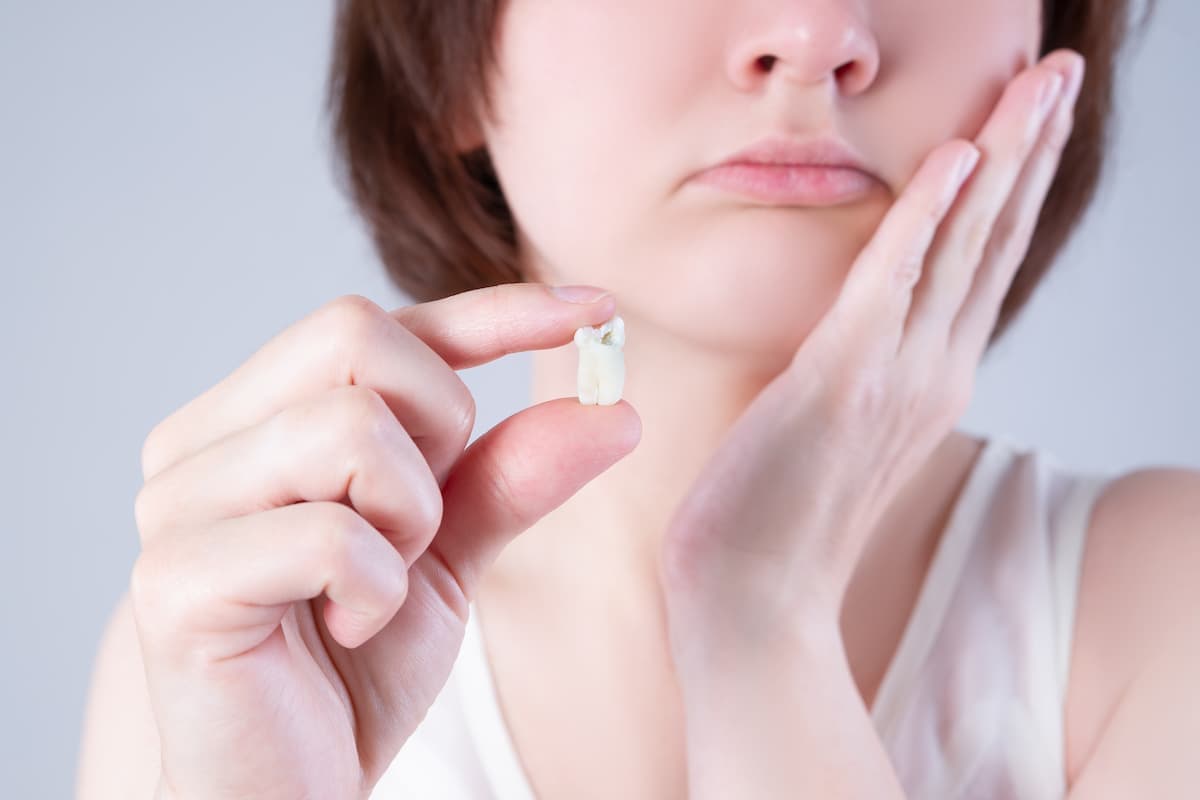
Keep the filling if you still have it. Its shape shows how much tooth it was replacing. A thin flake suggests a chip; a substantial three-dimensional block suggests a large restoration that may need more than a like-for-like replacement.
Look at the cavity in a mirror. Is there tooth structure all the way round, or is one wall missing? Is the base dark and soft, or hard and clean?
Note what you were doing. Something hard and unexpected points towards fracture. Nothing in particular points towards decay or bond failure.
Note any prior symptoms. Sensitivity to sweet foods beforehand suggests decay. Pain on biting suggests a crack. Nothing at all suggests bond failure.
Take a photograph if you can. It is genuinely useful.
Do the kits actually work?
Within their remit, yes. Zinc oxide based temporary material seals a cavity adequately for a short period, reduces sensitivity to cold and air by covering exposed dentine, and stops food packing into the hole. That is a real benefit over a weekend.
What they do not do is remove decay, restore any strength to the tooth, bond to tooth structure, or reproduce the contact with the adjacent tooth. They last days rather than months, and they wash out.
Our article on what pharmacy temporary filling kits contain and how to place one covers the material chemistry and technique, including the single most important point — that a dressing left standing proud of the bite can fracture the tooth it was meant to protect.
Practical points the packaging does not mention
Shelf life matters. Zinc oxide powder and the liquid component both degrade. A kit that has been in a bathroom cabinet for four years may not set. If you keep one for emergencies, check the date periodically and store it somewhere cool and dry rather than in a steamy bathroom.
One pot is not much material. Kits are sized for one or two small applications. If you are travelling, one kit is a reasonable insurance policy; it is not a supply.
Do not use it on a tooth that is already painful to pressure. A tooth that hurts when you bite may have an inflamed nerve or a crack. Sealing it can trap pressure and increase the pain.
Do not use it over a suspected pulp exposure. If you can see a pink or red spot at the base of the cavity, or if placing the material causes sharp pain, stop. That needs professional assessment rather than a dressing.
When a kit is the wrong response entirely
Certain presentations should take you to a dentist rather than a pharmacy, however comfortable a dressing might make you.
• Throbbing or spontaneous pain, particularly at night
• Swelling of the gum or face
• A visibly fractured tooth rather than an empty cavity
• Pain on releasing a bite, suggesting a crack
• A bad taste, indicating infection draining
• A cavity so large that the tooth is mostly missing
Our article on what constitutes a true dental emergency covers the triage, and our emergency dentist service covers the urgent situations.
What happens at the appointment
The dentist takes away the temporary material, cleans the cavity and assess what is actually there. Radiographs are usually taken, because decay beneath and between fillings is often not visible directly and the relationship to the nerve needs establishing.
The outcome depends on which category you were in. A clean, sound cavity is restored with a white filling. A cavity that has grown, or a tooth that has lost a wall, may need an onlay or a dental crown. A cavity that has reached the pulp may need root canal treatment before restoration.
Our article on what to do when a filling falls out covers the immediate steps, and our article on a lost filling leaving a food trap covers the interim period.
Keeping the cavity clean in the meantime
Whether or not you place a dressing, the exposed cavity needs cleaning. Food packing into it produces gum irritation and accelerates decay, and the surface is more vulnerable than intact enamel.
Brush gently over the area rather than avoiding it. Rinse after meals. A soft interdental brush can clear debris from the margins without disturbing a dressing. Our article on cleaning a cavity where a filling was covers the technique.
Avoid chewing on that side, and avoid anything sticky that will pull a temporary dressing out.
Key points
• Fillings come out for a reason, and the reason determines the replacement.
• The four common causes are decay beneath, bond failure, tooth fracture and occlusal overload.
• Bond failure alone usually means a straightforward replacement; the other three often mean something larger.
• Look at the cavity and keep the filling before you seal it with a dressing.
• Kits seal and reduce sensitivity but restore no strength and last days, not months.
• Pain on biting, throbbing, swelling or a visible pink spot means dental attention, not a dressing.
Frequently Asked Questions
Do temporary filling kits actually work?
For their intended purpose — sealing a cavity and reducing sensitivity for a few days — they work reasonably well. They do not remove decay, restore strength or last more than a short period.
Why did my filling fall out with no warning?
Adhesive bond failure often produces no symptoms beforehand. If the filling came out whole and the cavity feels hard and clean, this is the likely explanation and the replacement is usually straightforward.
Will I need the same size filling put back?
Not always. If decay has progressed underneath, the cavity after cleaning is usually larger than the filling that came out. If a wall of the tooth has fractured, an onlay or crown may be more appropriate.
How long can I leave a temporary dressing in?
Days rather than weeks. The material wears, dissolves at the margins and washes out, and the underlying problem continues regardless of how comfortable the tooth feels.
Should I keep the filling that came out?
It is worth keeping. Its size and shape indicate how much tooth was being replaced, which is useful context, and occasionally a fragment of tooth comes away with it.
Can I use a kit if the tooth hurts when I bite?
It is better not to. Pain on biting can indicate a crack or an inflamed nerve, and sealing the cavity may trap pressure. That situation needs assessment rather than a dressing.
Next Steps
If a filling has come out, a dressing can make the wait manageable, but the cause needs identifying. You can contact our team to arrange an assessment, or use our emergency dentist service if you have pain or swelling.
Dental Disclaimer
This article is provided for general information only and does not constitute dental advice. Over-the-counter temporary filling materials are intended for short-term use pending professional treatment. The cause of a lost filling and the appropriate replacement can only be determined through clinical examination and radiographs. If you have swelling, fever or severe pain, seek urgent professional care.
Next review due: 18 August 2027
Written by Dr Elisabeth Lichtmannegger · reviewed by Dr Elisabeth Lichtmannegger, GDC 319325
This article is general information, not personal clinical advice. For a diagnosis and a plan tailored to you, book a consultation with a GDC-registered dentist.
Related treatments at our Wimpole Street practice