Tooth Pain After Root Canal When Biting: Key Causes
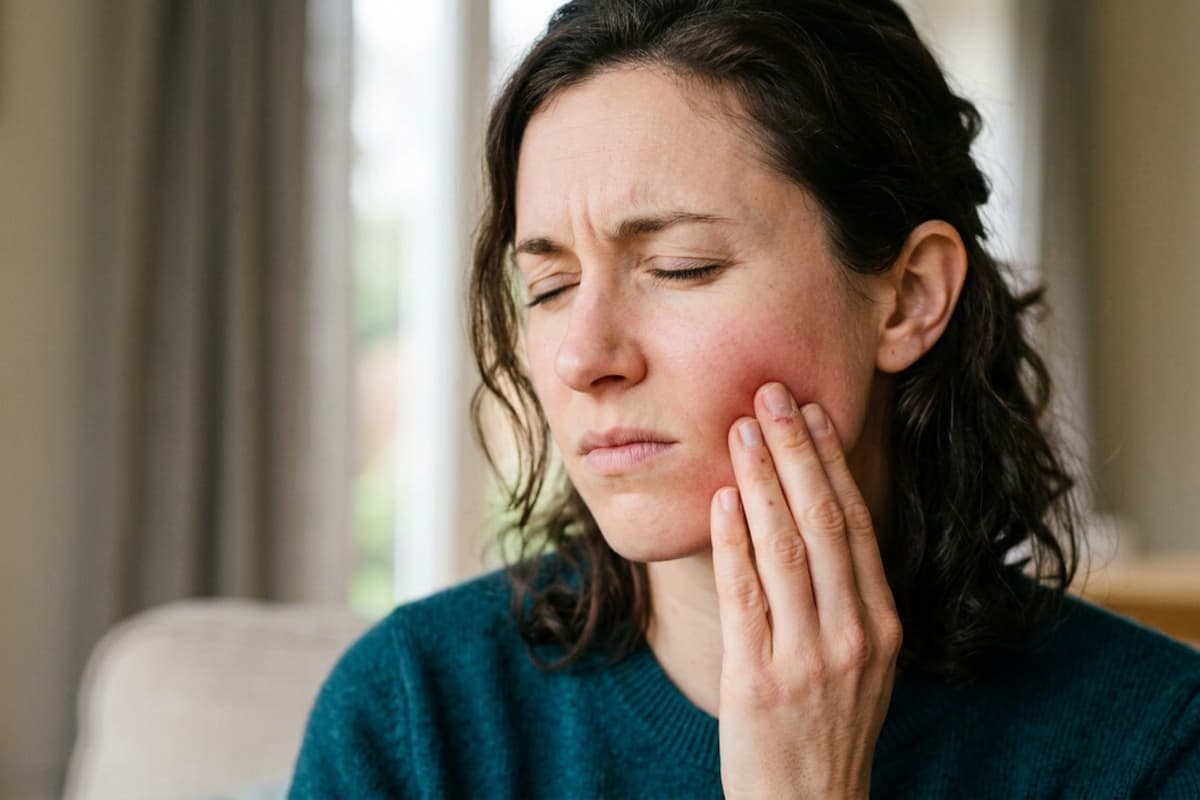
Having root canal treatment can feel like a significant milestone — particularly when the procedure relieves severe toothache pain that may have been building for days or longer. So it can be understandably unsettling when the treated tooth continues to feel sore, or when biting down produces discomfort that you were not expecting.
If you are experiencing tooth pain after root canal treatment when biting, you are not alone. This is one of the most commonly reported concerns following endodontic treatment, and in many cases, it has a clear and manageable explanation. Understanding what might be happening — and knowing when it is appropriate to seek a dental review — can make a considerable difference to your confidence during recovery.
This article explains the possible reasons why a root-treated tooth may hurt when biting, distinguishes between short-term post-treatment tenderness and discomfort that develops later, and provides guidance on when professional dental assessment may be appropriate.
Why Does a Tooth Hurt When Biting After Root Canal Treatment?
After root canal treatment, some tenderness when biting is common during the initial recovery period. The procedure removes infected or inflamed tissue from inside the tooth, but the surrounding tissues — including the periodontal ligament — may remain temporarily inflamed. A restoration that sits slightly too high, persistent infection or a crack in the tooth can also contribute. Symptoms should generally settle, not worsen over time.
Understanding What Root Canal Treatment Does — and Does Not Do
Root canal treatment, sometimes referred to as endodontic treatment, involves removing the dental pulp — the soft tissue inside the tooth that contains nerves and blood vessels — when it has become infected or severely inflamed. Once the pulp is removed, the canals are cleaned, shaped and sealed, although pressure-triggered post-treatment discomfort can still arise from surrounding tissues.
It is important to understand that while removing the pulp eliminates the internal source of pain, the tissues surrounding the root — including the periodontal ligament and the bone around the root tip — are still living structures. These tissues can respond to inflammation, pressure and irritation, which is why a tooth that no longer has a nerve inside it can still produce sensations, particularly when biting or chewing.
This distinction is clinically significant. Biting pain after root canal treatment does not automatically mean the procedure has failed. It may reflect a response from the surrounding tissues rather than the tooth itself.
Possible Reasons Why a Root-Treated Tooth Hurts When Biting
There is rarely a single universal explanation for after root canal biting pain. Several different factors may be involved, and in some cases, more than one issue may be present simultaneously.
Temporary Inflammation Around the Root
During and after endodontic treatment, the tissues around the tip of the root (the periapical tissues) can become temporarily inflamed. This is a natural biological response to instrumentation during the procedure and to the removal of infected material. When these tissues are inflamed, biting down or applying pressure to the tooth can produce soreness or tenderness.
This type of inflammation typically reduces gradually as healing progresses. It is one of the most common reasons why a tooth is sore to bite on after root canal treatment in the days immediately following the procedure.
A Restoration That Is Sitting Too High
After root canal treatment, the tooth is usually sealed with a temporary or permanent filling, and in many cases, a dental crown is recommended. If the filling or crown sits even slightly higher than the surrounding teeth — a problem known as a high bite or occlusal discrepancy — it will receive disproportionate pressure every time the teeth come together.
This is a relatively common and straightforward cause of pain when biting after root canal treatment, and it can often be resolved with a simple occlusal adjustment by your dentist, who reshapes the contact point so that bite forces are distributed more evenly.
Persistent or Unresolved Infection
In some cases, infection around the root tip may persist despite treatment. This can occur if the root canal system is particularly complex, if a canal was not fully treated, or if bacteria have established themselves in the surrounding bone. Persistent periapical infection can cause ongoing tenderness when chewing and is one reason why symptoms should not be dismissed if they continue beyond the expected recovery period.
A Crack or Fracture in the Tooth
Teeth that have undergone root canal treatment can be more susceptible to cracking, particularly if a substantial portion of the original tooth structure was lost to decay or previous restorations before the procedure. A cracked tooth may produce a distinctive sharp pain when biting down or when releasing pressure after biting.
Tooth cracks can be difficult to identify and may require specific examination techniques. If you are experiencing sharp pain in a tooth when biting down after root canal treatment, a crack should be considered as a possible cause and assessed by your dentist.
Problems Involving the Surrounding Gum and Periodontal Tissues
The health of the gum and supporting bone around a treated tooth is relevant to how the tooth feels during and after recovery. Gum disease, localised periodontal problems or bone changes around the root may contribute to discomfort when biting. This is particularly relevant if the tooth had pre-existing periodontal issues before treatment.
How Long Does Root Canal Pain Last?
This is a question that many patients reasonably want answered, and it deserves an honest, evidence-informed response, especially when lingering periapical inflammatory burden is part of the recovery profile.
There is no universal recovery timeline that applies to everyone. Recovery depends on a range of individual factors, including the degree of infection or inflammation before treatment, the complexity of the root canal system, the patient's general health and how the tooth responds to treatment.
That said, it is generally expected that tenderness when biting after root canal treatment will reduce gradually over time — typically within a few days to a couple of weeks for most patients following straightforward treatment. Some individuals may notice improvement more quickly; others, particularly those who had significant infection or complex anatomy, may take longer.
What matters clinically is the direction of your symptoms. Discomfort that is gradually and consistently improving is more reassuring than pain that remains unchanged, fluctuates without clear reason or becomes progressively worse. If you are asking how long does it hurt to bite after root canal treatment, the most honest answer is: it varies, but it should not get worse over time.
Tooth sensitivity after root canal when biting that remains beyond a few weeks, or that intensifies rather than fades, is worth discussing with your dental team.
Tooth Pain Months After Root Canal Treatment
It is not unusual for patients to contact their dentist with concerns about discomfort that develops or returns several months after root canal treatment — sometimes after a period of feeling completely comfortable.
Possible explanations for tooth pain when biting months after root canal treatment include:
• Persistent periapical inflammation that did not fully resolve following treatment
• A restoration that has changed in shape or fit due to normal wear, micro-fracture or material changes
• Recurrent infection, where bacteria have re-entered the root canal system through a leaking restoration or new decay
• A crack that has developed or progressed over time
• Changes affecting the surrounding periodontal tissues
It is important to clarify that delayed pain is not automatically part of normal healing. If a tooth that felt comfortable for several months after treatment begins to cause discomfort when chewing, that is a signal worth investigating rather than waiting to see if it resolves on its own.
Tooth Pain Years After Root Canal Treatment
A tooth that was successfully treated and remained comfortable for years can, in some circumstances, become painful again. Tooth pain after root canal when biting years later is a concern that often prompts questions about whether the original treatment has failed or whether the tooth can be saved, especially when long-term pulpal tissue loss effects alter symptom patterns.
Possible reasons for delayed symptoms include:
• New decay developing around an existing crown or filling, creating a pathway for bacteria to reach the root canal system
• Crown or filling damage that compromises the seal protecting the treated tooth
• A fracture that has developed over time, particularly in a tooth under significant biting force
• Recurrent infection, which may show up on a dental X-ray as a shadow around the root tip
• Problems affecting adjacent teeth, which are sometimes mistaken for symptoms originating from the previously treated tooth
Years after treatment, a dental examination — including up-to-date X-rays — is the most appropriate way to assess what is happening and determine whether further care is needed.
Tooth Pain After Root Canal and Crown When Biting
For many teeth that undergo root canal treatment, a crown is recommended to protect the remaining tooth structure and restore function. When biting pain occurs after both root canal treatment and crown placement, it can be difficult to know whether the crown, the treated tooth or the surrounding tissues are involved.
Some relevant considerations include:
• Crown height and bite alignment: A newly placed crown may feel slightly elevated in the bite, particularly if it was fitted while the mouth was numb. If the crown is too high, it will receive excessive force every time the teeth meet, which can cause significant biting discomfort.
• Cement-related sensitivity: The cement used to secure a crown can occasionally cause short-term sensitivity in the surrounding gum tissues.
• Crown fit and marginal integrity: If a crown does not seal accurately at the margin, bacteria may enter and affect the underlying tooth structure over time.
• The tooth and its surrounding structures: The crown itself may not be the source of pain. Inflammation, infection or a crack in the underlying tooth can produce symptoms regardless of whether a crown is present.
Pain after root canal and crown should not be automatically attributed to either one or the other without clinical assessment. A dentist will examine the bite, the crown margins and the surrounding tissues to identify the most likely explanation.
Sharp Pain When Biting Down After Root Canal
Sharp, brief pain when biting down — or particularly when releasing biting pressure — is a distinctive symptom pattern that may point to specific causes. The sensation of a sharp pain in the tooth when biting down after root canal treatment may indicate the need for targeted root canal retreatment care and may be associated with:
• A cracked tooth or root
• An uneven or elevated restoration creating concentrated pressure
• Acute periapical inflammation
This symptom pattern is worth reporting to your dentist rather than monitoring indefinitely, as some underlying causes — particularly tooth cracks — can progress if left unexamined.
When to Seek Professional Dental Advice
Knowing when to seek a dental review is important. The following situations suggest that professional assessment would be appropriate:
• Pain when biting that does not improve over several weeks
• Discomfort that is worsening rather than gradually settling
• New pain that develops months after treatment concluded
• A crown or filling that feels loose, damaged or has changed
• Swelling or tenderness in the gum around the treated tooth
• Persistent sensitivity when chewing, beyond the expected recovery period
• A sensation that the bite feels uneven or that the treated tooth is hitting first
Where facial swelling, fever or difficulty opening the mouth accompanies dental pain, more prompt assessment is advisable. If you experience difficulty breathing or swallowing, this requires immediate emergency medical attention — contact 999 or attend your nearest emergency department without delay.
The NHS advises contacting a dentist for dental pain that cannot be managed with over-the-counter pain relief, or where additional symptoms such as swelling or fever are present.
Supporting Recovery After Root Canal Treatment
While many aspects of recovery are beyond patient control, there are some practical considerations that may help during the healing period:
• Avoid chewing on the treated side where possible until tenderness has settled and a permanent restoration is in place
• Take over-the-counter pain relief as directed if appropriate for your circumstances
• Avoid very hard, crunchy or sticky foods in the early recovery period
• Attend any follow-up appointments arranged by your dental team
• Contact your dentist if symptoms change significantly rather than waiting for a routine appointment
If you are concerned about recovery following a recent procedure, our experienced dental team is best placed to offer personalised guidance based on your specific circumstances.
Frequently Asked Questions
1. Is it normal to feel biting discomfort immediately after root canal treatment?
Yes, some degree of tenderness when biting in the days following treatment is relatively common. The tissues around the root may be temporarily inflamed as a result of the procedure itself. This discomfort should reduce gradually rather than intensifying. If it worsens or does not settle over time, contacting your dental team for assessment is advisable.
2. Can a root-treated tooth develop pain again years after treatment?
Yes, it is possible. New decay, crown or filling damage, a developing fracture, or recurrent infection can all affect a previously treated tooth years after the original procedure. The absence of a nerve inside the tooth does not make it immune to external problems. Dental X-rays and a clinical examination are usually needed to identify the cause of delayed symptoms.
3. Does biting pain always mean root canal treatment has not worked?
Not necessarily. Biting pain after root canal treatment can have several explanations, many of which are unrelated to the success of the endodontic procedure itself. A high bite, temporary periapical inflammation, crown-related issues or periodontal changes can all produce biting discomfort without indicating that the root canal treatment has failed. Clinical assessment is needed to determine the cause.
4. Why might a tooth hurt when biting if it no longer has a nerve?
Although the dental pulp — containing the nerve — has been removed, the tooth still sits within living supporting tissues. The periodontal ligament surrounds the root and contains nerve fibres that can register pressure and pain. Inflammation, infection or structural problems affecting these surrounding tissues can produce discomfort even in a fully root-treated tooth.
5. Can a crown that is too high cause biting pain after root canal treatment?
Yes. If a crown or filling sits even marginally higher than the surrounding teeth, it receives disproportionate pressure during biting and chewing. This can cause significant discomfort, including soreness that may feel similar to symptoms from the tooth itself. An occlusal adjustment — a simple reshaping procedure — can often resolve this relatively quickly.
6. How is a cracked tooth identified after root canal treatment?
Identifying a crack can be challenging. Dentists may use a variety of techniques, including visual examination under magnification, transillumination (shining a light through the tooth) and asking the patient to bite on a small testing device. X-rays can sometimes reveal changes around the root associated with a crack, though cracks themselves are not always visible radiographically. A thorough clinical assessment is usually required.
7. Is it safe to wait and see if biting pain resolves on its own?
For mild discomfort in the first few days after treatment, monitoring symptoms is reasonable. However, pain that does not improve within a few weeks, that becomes more intense, or that develops new characteristics — such as swelling, temperature sensitivity or sharp pain on biting — should be assessed by a dentist rather than left indefinitely. Early assessment often leads to simpler management.
8. Can root canal treatment need to be repeated?
In some cases, retreatment of a root canal may be considered if the original treatment has not fully resolved infection or if new infection has developed. This is a clinical decision based on a thorough assessment of the tooth, its restorability and the patient's circumstances. Retreatment is not appropriate for every situation, and your dentist or a specialist endodontist would discuss the options with you if this were considered relevant.
9. What is the difference between normal post-treatment soreness and a problem that needs attention?
Normal post-treatment soreness tends to be mild to moderate and gradually improves over days to weeks. A concern that may need attention is characterised by pain that worsens, does not improve, is accompanied by swelling, or develops after a period of feeling comfortable. The pattern and direction of symptoms — not just their presence — provides important information.
10. Can gum disease affect a tooth that has had root canal treatment?
Yes. Periodontal disease affects the supporting structures around teeth regardless of whether those teeth have had root canal treatment. If gum disease is present around a treated tooth, it can contribute to tenderness, biting discomfort and longer-term structural changes. Managing periodontal health is an important part of maintaining any restored tooth over time.
Disclaimer
This content is for general educational purposes and is not a diagnosis or a personalised treatment plan. Dental symptoms can have different causes, and only a qualified dental professional can assess your case after a proper clinical examination and, where needed, imaging. If you have persistent pain, swelling, fever, breathing difficulty, or swallowing difficulty, seek urgent dental or emergency medical care.
Written Date: 11 November 2026 | Next Review Date: 11 November 2027
Written by Wimpole Dental Editorial Team · reviewed by Wimpole Dental Clinical Team
This article is general information, not personal clinical advice. For a diagnosis and a plan tailored to you, book a consultation with a GDC-registered dentist.