Why Does a Root Canal Tooth Hurt With Pressure?
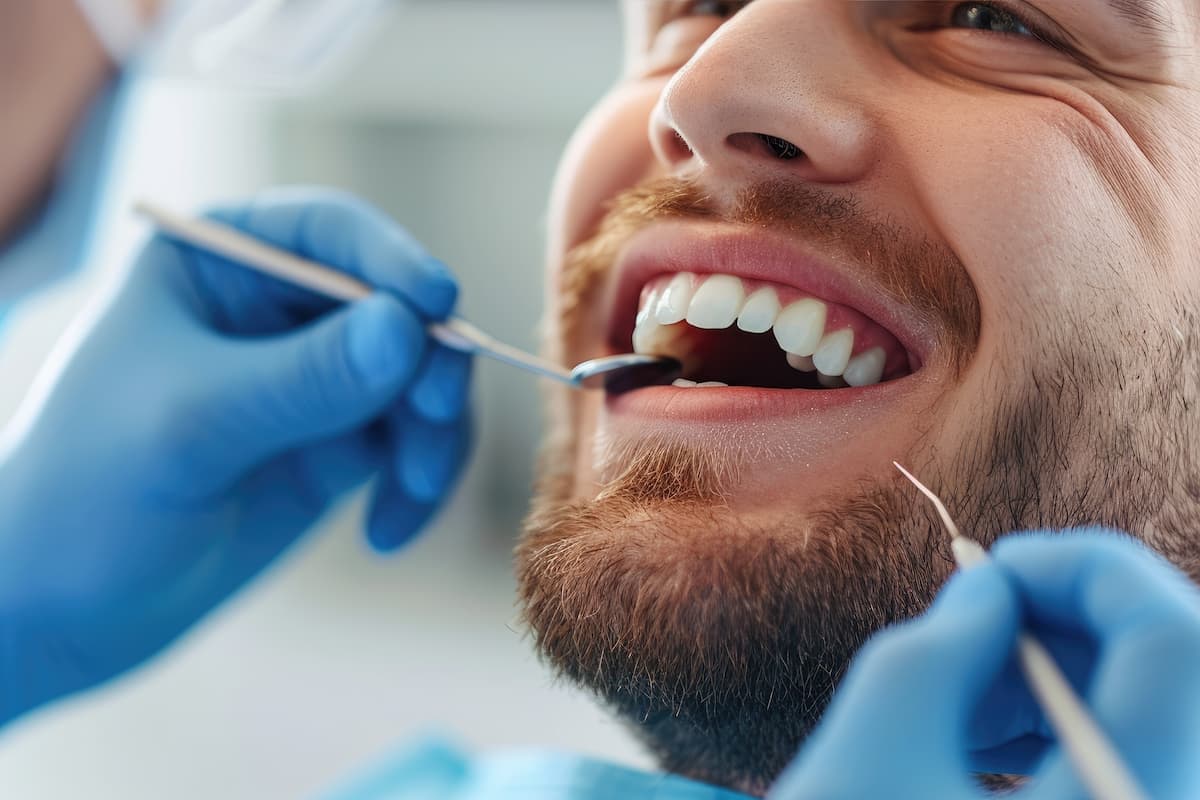
If you have had root canal treatment and are now noticing discomfort when you bite down or apply pressure, it is natural to feel concerned. You may have assumed that once the dental pulp was removed, the tooth would no longer be capable of causing pain. In practice, a tooth with root canal treatment can still produce discomfort for a range of reasons — and understanding those reasons may help you make an informed decision about whether to seek professional dental advice.
This article explains the possible causes of pressure-related pain in a root canal-treated tooth, including symptoms that appear months or even years after treatment, and discusses when assessment by a dental professional may be appropriate.
Why does a tooth with root canal treatment hurt with pressure? A root canal-treated tooth may hurt with pressure for several reasons, including persistent inflammation around the root, a recurrent or new infection at the root tip, a crack in the remaining tooth structure, problems with the fit or integrity of a dental crown, or an issue involving a neighbouring tooth. Symptoms alone cannot reliably identify the cause. A clinical examination — which may include dental X-rays — is usually needed to establish what is happening.
Why a Root Canal-Treated Tooth Can Still Cause Discomfort
Root canal treatment removes the infected or damaged dental pulp from inside the tooth — the soft tissue containing nerves and blood vessels. Once the pulp is removed, the tooth itself can no longer register pain from temperature or nerve stimulation in the conventional sense.
However, the tooth does not exist in isolation. It remains embedded in the jaw, surrounded by the periodontal ligament — a network of fibrous tissue that connects the root to the bone — and it sits alongside other teeth that all share the same bite forces. These surrounding structures can still become inflamed, infected or damaged, which may produce discomfort that feels as though it is coming from the treated tooth.
Understanding this distinction is an important starting point. A tooth that hurts with pressure following root canal treatment is not necessarily a failed treatment. There are several possible explanations, and identifying the correct one requires professional assessment.
Inflammation Around the Root
One of the most common reasons a tooth with root canal treatment hurts with pressure — particularly in the weeks following treatment — is inflammation around the tissues at the root tip. This is known as periapical inflammation or apical periodontitis, and persistent periapical inflammatory changes can prolong tenderness.
When a tooth has been infected or significantly damaged, the surrounding bone and ligament may already be inflamed before treatment begins. Removing the pulp addresses the source of the problem, but the surrounding tissues need time to settle. During this healing period, some tenderness when biting or chewing is relatively common and may not indicate a complication.
It is worth distinguishing between:
• Expected short-term tenderness — mild discomfort in the days or weeks immediately after root canal treatment, as surrounding tissues heal.
• Persistent or worsening discomfort — pressure pain that does not improve over several weeks, or that develops later, which may warrant further assessment.
If your root canal tooth hurts with pressure months later and the discomfort has either persisted since treatment or developed after a period of feeling completely settled, that is worth discussing with your dentist or an endodontic specialist.
Persistent or Recurrent Infection at the Root Tip
A more significant possible cause is a persistent or recurrent infection involving the root tip — a condition referred to clinically as periapical periodontitis or a periapical abscess. This can occur in a small number of cases even after thorough root canal treatment, and there are several reasons why:
• Complex root canal anatomy — some teeth have additional canals or branches that are very difficult to identify and treat fully using standard techniques.
• Reinfection through restoration failure — if the crown or filling placed over the treated tooth becomes damaged, loose or begins to leak, bacteria can re-enter the root canal system.
• Incomplete seal — if the original root canal filling did not fully seal the canals, residual bacteria may continue to cause low-grade infection.
It is important to note that this does not mean root canal treatment is unreliable. According to published evidence reviewed by organisations including the British Endodontic Society, root canal treatment has a generally good long-term success rate, though outcomes depend on a range of clinical factors including the initial condition of the tooth and the quality of the subsequent restoration.
If a tooth that had root canal treatment is now hurting after months or years and the discomfort is accompanied by swelling, a persistent bad taste, or sensitivity in the surrounding gum tissue, professional assessment is advisable.
Could There Be a Crack in the Tooth?
Root canal treatment can sometimes leave a tooth more susceptible to fracture, particularly if a significant amount of tooth structure was lost to decay or previous restorations before treatment took place. A structural enamel fracture patterns or vertical root fracture may produce pressure-related discomfort that is difficult to distinguish from infection-related pain.
Characteristic features of a cracked tooth or root fracture may include:
• Pain that is sharp and brief when biting down
• Pain that occurs specifically when releasing bite pressure rather than applying it
• Discomfort that is difficult to localise to a single tooth
• Symptoms that fluctuate without a clear pattern
Vertical root fractures are particularly challenging because they may not always be clearly visible on a standard dental X-ray. An experienced clinician may use a combination of clinical tests, magnification and cone beam computed tomography (CBCT) imaging to investigate further.
If a vertical root fracture is confirmed, the prognosis for the tooth can be significantly affected. This is not a situation where reassurance is appropriate without assessment, but neither should any assumption be made without proper investigation.
When a Tooth With a Root Canal and Crown Hurts With Pressure
Many root canal-treated teeth are subsequently restored with a dental crown to protect the remaining structure and restore function. If a tooth with a root canal and crown hurts with pressure, there are several possible explanations specific to the restoration itself:
High or Uneven Bite
If the crown sits even fractionally too high, it will receive more force than the surrounding teeth during chewing. Over time, this places excessive stress on the periodontal ligament and can produce aching or pressure discomfort. This is usually a straightforward adjustment for a dentist to make, and it is worth considering if the discomfort began shortly after the crown was fitted.
Crown Fit or Restoration Integrity
A crown that has become loose or developed a gap at the margins — the point where the crown meets the natural tooth — may allow saliva and bacteria to penetrate towards the root canal system. This can lead to reinfection and the kind of pressure sensitivity associated with periapical problems.
Damage to the Crown
Physical damage to the crown material, particularly in the case of ceramic restorations, may alter how bite forces are distributed across the tooth. Even minor chips or wear may change the loading pattern enough to produce discomfort.
A tooth with a root canal and crown that hurts with pressure years later should be assessed professionally. The crown itself may need to be evaluated for fit, integrity and bite alignment, and the underlying root structure should also be examined.
Could the Neighbouring Tooth Be Responsible?
It is not always the root canal-treated tooth that is producing the discomfort. Dental pain can be referred — meaning the sensation is perceived in a location different from where it originates. If the tooth next to a root canal-treated tooth hurts with pressure, it is possible that:
• A neighbouring tooth has developed its own infection or pulpal problem
• Gum disease affecting the supporting tissues around adjacent teeth is contributing to discomfort
• A crack or fracture in a neighbouring tooth is producing symptoms that feel localised to the previously treated area
This is one of the reasons why self-diagnosis of dental pain — even when you have a known dental history — can be unreliable. A thorough clinical examination that assesses all adjacent teeth, the gum tissue and the bone supporting the area is often necessary to identify the true source of discomfort.
Why Pain May Develop Months or Years After Treatment
Patients sometimes contact their dental practice asking why a root canal tooth is hurting after months or years of feeling completely fine. This is understandably confusing, but delayed post-endodontic biting pain can occur for several plausible explanations:
• Gradual restoration breakdown — a crown or filling placed over a root canal-treated tooth can deteriorate over time, eventually allowing bacterial ingress.
• New damage — a tooth that has been restored and functioning well for years can still be subject to new fracture, wear or trauma.
• Changes in the surrounding periodontium — gum disease or bone loss affecting the area can alter how bite forces are distributed, producing new symptoms.
• Delayed healing with low-grade infection — in some cases, a periapical lesion that appeared to have healed may persist or enlarge slowly over time, producing symptoms only when it reaches a certain size.
• New dental decay — decay developing at the crown margin or on an adjacent tooth can produce pressure sensitivity that may be incorrectly attributed to the treated tooth.
The fact that a tooth with root canal treatment has been comfortable for a long time before developing symptoms does not mean the original treatment has failed. It may simply mean that something new has happened to the tooth or its surroundings.
How a Dentist May Investigate Pressure-Related Pain
If you attend a dental practice with pressure pain affecting a root canal-treated tooth, your dentist is likely to carry out a structured assessment that may include:
• Clinical examination — visual inspection of the tooth, crown, surrounding gum tissue and adjacent teeth
• Bite assessment — checking how the restored tooth makes contact with opposing teeth during chewing movements
• Percussion testing — gently tapping the tooth to assess tenderness around the supporting tissues
• Periapical dental X-rays — evaluating the bone around the root tip for signs of infection or bone changes
• CBCT imaging — in more complex cases, three-dimensional imaging may provide greater detail about root structure and surrounding anatomy
• Assessment of the crown and restoration — checking for marginal fit, signs of leakage or damage
This kind of structured investigation is important because, as discussed throughout this article, several different conditions can produce very similar symptoms. The appropriate response depends entirely on what is causing the discomfort.
Treatment Considerations Depend on the Underlying Cause
It is not possible to suggest a single course of action for pressure pain following root canal treatment because the right approach depends entirely on what the examination and investigation reveal. Possible considerations may include:
• Bite adjustment if the crown is sitting too high
• Crown replacement or repair if there is a fit or integrity problem
• Root canal retreatment if there is evidence of persistent or recurrent infection that could be addressed with further endodontic treatment
• Referral to a specialist endodontist for complex cases
• Surgical investigation in selected cases where non-surgical retreatment is not appropriate
• Extraction in cases where the tooth cannot be preserved — though this is typically a last resort considered when other options have been assessed
The right course of action is a clinical decision made in collaboration between the patient and their dental team, based on a thorough assessment of the individual situation. For further information about advanced endodontic retreatment options, speaking with an experienced clinician is advisable.
When to Seek Professional Dental Advice
Mild pressure sensitivity immediately following root canal treatment is relatively common and may resolve as the surrounding tissues heal. However, there are circumstances in which professional assessment should not be delayed:
• Pressure pain that is worsening rather than improving
• Discomfort that returns after a period of feeling completely settled
• Swelling around the gum near the treated tooth
• A persistent bad taste or unpleasant sensation in the area
• Visible damage to the crown
• Pain that makes eating or chewing difficult
• General dental discomfort that you are finding difficult to locate
If you experience significant facial swelling, spreading pain affecting the jaw or neck, difficulty swallowing or breathing, seek urgent medical attention immediately.
For symptoms that are persistent but not acutely severe, contacting your dental practice to arrange an examination is appropriate. Dental professionals are familiar with these presentations and can carry out the assessment needed to identify what is happening. If symptoms continue, arranging an in-clinic consultation supports timely diagnosis, and the NHS also provides guidance on tooth pain and when to seek care.
Preventive Steps for Long-Term Dental Health
Once a root canal-treated tooth has been restored and is functioning comfortably, maintaining that comfort over the long term involves:
• Attending regular dental check-ups so that the crown and surrounding tissues can be monitored
• Maintaining good oral hygiene around the tooth and the crown margin to reduce the risk of new decay or gum disease
• Using a custom nightguard if you are prone to tooth grinding, which can place excessive force on crowned teeth
• Reporting any changes in how the tooth feels during biting or chewing promptly, rather than waiting to see if discomfort resolves on its own
A root canal-treated tooth can remain functional for many years when it is well restored and appropriately maintained. The key is ensuring that any changes in how it feels are assessed in a timely way.
Frequently Asked Questions
1. Can a root canal-treated tooth become infected again?
Yes, reinfection is possible in a small number of cases. This can occur if the original root canal filling does not fully seal the canals, if the crown or restoration breaks down and allows bacteria to re-enter, or if a new cavity develops at the crown margin. This is one of the reasons regular dental monitoring of root canal-treated teeth is recommended.
2. Does pain when biting always mean the root canal treatment has failed?
Not necessarily. Pressure-related discomfort can arise from several causes, including an overly high crown, inflammation in the supporting periodontal ligament, a hairline crack, or even a problem with a neighbouring tooth. A proper clinical examination is needed before any conclusion about treatment outcome can be drawn.
3. Can a root canal-treated tooth develop a fracture?
Yes. Teeth that have undergone root canal treatment — particularly those that have lost a significant amount of natural tooth structure — may be more susceptible to fracture over time. A vertical root fracture is a specific concern and can produce bite-related discomfort. It can be difficult to identify and may require specialist imaging to diagnose.
4. Can pressure pain come from a neighbouring tooth rather than the treated one?
Yes. Dental pain can be referred, meaning it is perceived in a different location from where it originates. A problem affecting the tooth next to a root canal-treated tooth — such as a pulpal infection, crack or gum problem — may produce discomfort that appears to come from the previously treated tooth. Assessment of all surrounding teeth is an important part of any investigation.
5. Can a root canal tooth hurt without there being an active infection?
Yes. The periodontal ligament surrounding the root can become inflamed without infection being present. A bite that places uneven pressure on the tooth, minor trauma, or grinding habits can all produce pressure sensitivity without necessarily indicating infection. This is why clinical assessment — rather than symptom-based assumptions — is important.
6. Is it possible for a crowned root canal tooth to hurt because of the crown itself?
Yes. A crown that sits slightly too high, has become loose, has developed a poor seal at its margins, or has been physically damaged can contribute to pressure discomfort. The crown and restoration should be assessed as part of any investigation into bite-related pain affecting a root canal-treated tooth.
7. Should I be concerned if the discomfort developed years after my root canal treatment?
It is worth taking seriously. Symptoms developing years later may reflect gradual crown or restoration breakdown, new damage to the tooth, changes in the surrounding gum or bone, or a slowly developing periapical problem. The fact that a tooth has been comfortable for a long period does not mean new problems cannot arise. A dental examination will help identify whether anything has changed.
8. Does a root canal-treated tooth that is painful with pressure always need retreatment?
No. The need for retreatment — if appropriate at all — depends on the underlying cause identified through examination and investigation. Some cases can be managed with bite adjustment or crown repair. Others may require retreatment, referral to a specialist, or in some situations, further surgical assessment. The appropriate path is determined by clinical findings, not by symptoms alone.
9. Can a root canal-treated tooth eventually need to be extracted?
In some circumstances, yes. If a tooth cannot be adequately restored, has sustained a severe fracture, or has a persistent infection that cannot be resolved through retreatment, extraction may be discussed as an option. However, this is typically considered only after other approaches have been evaluated. Where extraction is being discussed, tooth replacement options should be considered as part of the overall treatment conversation.
10. What should I do if my root canal tooth is uncomfortable but I am anxious about returning to the dentist?
Dental anxiety is very common and entirely understandable, particularly when a previous treatment has not produced the expected result. It may be helpful to contact your dental practice to explain your concerns before your appointment, so that they can make appropriate arrangements. Many dental practices, including those in London, offer a range of support for patients with dental anxiety. Leaving pressure pain unaddressed for a prolonged period is unlikely to be beneficial.
A Soft Note on Seeking Assessment
If you have been experiencing pressure pain from a root canal-treated tooth and have been uncertain about what to do, speaking with a dental professional is a reasonable and appropriate step. A thorough clinical assessment can identify the likely cause and help you understand your options in a clear and unhurried way. If you would like to arrange an examination at Wimpole Dental, our team would be happy to discuss your concerns and ensure you have the information you need to make decisions that are right for you.
Disclaimer
This content is for general educational purposes and is not a diagnosis or a personalised treatment plan. Dental symptoms can have different causes, and only a qualified dental professional can assess your case after a proper clinical examination and, where needed, imaging. If you have persistent pain, swelling, fever, breathing difficulty, or swallowing difficulty, seek urgent dental or emergency medical care.
Written Date: 11 November 2026 | Next Review Date: 11 November 2027
Written by Wimpole Dental Editorial Team · reviewed by Wimpole Dental Clinical Team
This article is general information, not personal clinical advice. For a diagnosis and a plan tailored to you, book a consultation with a GDC-registered dentist.