What Happens After Fixed Braces Are Removed and Treatment Ends
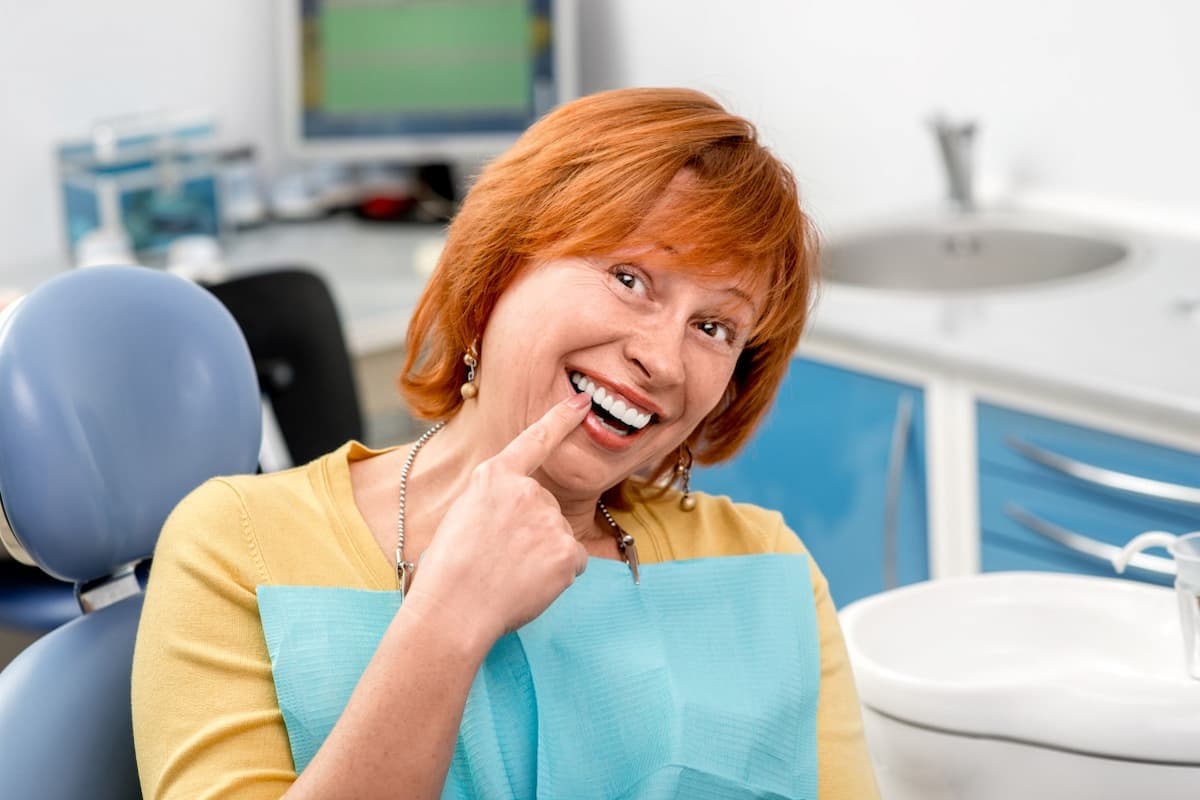
Reaching the end of fixed brace treatment is a significant milestone. After months — or in many cases years — of wearing brackets and wires, having them removed can feel both exciting and a little unfamiliar. But understanding what happens after fixed braces are removed is just as important as the treatment itself.
Active orthodontic treatment ending does not mean the process is entirely over. The period that follows — known as the retention phase — plays a central role in helping to maintain the results achieved. This article explains what patients can typically expect, from the moment the braces come off through to long-term dental maintenance.
Quick Answer: What happens after fixed braces are removed? When fixed braces are removed, active orthodontic treatment ends, but the retention phase begins. Retainers are usually provided to help maintain tooth position, as teeth can shift without support. Ongoing oral hygiene and regular dental check-ups also remain important. The specific retainer type and wear schedule will be guided by your orthodontist.
What Actually Happens When Fixed Braces Are Removed?
The removal of fixed braces is generally straightforward. Your orthodontist will use specialist instruments to carefully detach the brackets from each tooth, then remove the wire. Any remaining adhesive is polished away, which can take a short time but is usually comfortable.
Many patients find the sensation odd rather than painful — teeth may feel smooth and slightly unfamiliar after months of brackets being present. Some mild sensitivity or tenderness around the teeth and gums in the days following removal is not uncommon, though this typically settles on its own.
After removal, your orthodontist may take final photographs, impressions or digital scans of your teeth. These are used to create retainers and to document the outcome of treatment.
Why Are Retainers Needed After Braces?
This is one of the most important things to understand about life after braces. The NHS advises that retainers are needed after braces to help prevent teeth from moving back towards their original positions. The British Orthodontic Society (BOS) also explains that the tissues and bone surrounding tooth roots need time to adapt after active orthodontic treatment, and that some degree of relapse — movement back towards the original position — remains possible over time.
Teeth are held in position not just by the jawbone but by the periodontal ligament, a network of fibres anchoring each root. After braces are removed, these fibres retain a kind of memory of where the teeth were previously positioned, and they can exert subtle pressure on the newly aligned teeth. Retainers work by counteracting this tendency and helping to stabilise the new tooth positions while the surrounding structures adapt.
Current UK orthodontic guidance recognises that retention is an ongoing and important part of completing orthodontic care — not an optional extra.
Types of Retainers: Removable and Fixed
There are two main categories of retainer, and your orthodontist will advise which may be appropriate for your situation. The appropriate choice depends on individual clinical factors, and it is not uncommon for patients to use both types — for example, a fixed retainer behind the front teeth combined with a removable retainer for nighttime wear.
Removable Retainers
Removable retainers are custom-made appliances that fit over the teeth and can be taken out for eating and cleaning. There are two common designs:
• Vacuum-formed (clear) retainers — thin, transparent trays that fit closely over the teeth
• Hawley retainers — acrylic-based appliances with a visible wire that sits across the front teeth
Removable retainers need to be worn as directed by your orthodontist. The specific wear schedule — for example, whether full-time wear initially is advised before transitioning to nighttime-only wear — will vary between individuals. Your orthodontist's guidance should always take precedence over general advice.
Fixed (Bonded) Retainers
A fixed retainer, sometimes called a bonded or permanent retainer, consists of a thin wire bonded to the back surfaces of the teeth — most commonly the lower or upper front teeth. Because it is not removable, it provides continuous passive support without relying on the patient remembering to wear it.
However, fixed retainers do require careful attention. Food and plaque can accumulate around the wire, making thorough oral hygiene particularly important. Regular monitoring by a dental professional can also help to check that the wire remains intact and properly bonded.
Can Teeth Move After Braces? Understanding Orthodontic Relapse
Yes — teeth can move after braces are removed, and this is a recognised part of orthodontic biology rather than a treatment failure. The BOS notes that some degree of relapse is possible even with conscientious retainer wear, and that post-treatment movement can occur throughout life as a result of factors beyond orthodontic treatment.
Several factors can influence how much tooth movement occurs after treatment:
• The original position and severity of the crowding or misalignment
• The individual's biological response to treatment
• The type of orthodontic correction carried out
• Whether retainers are worn as directed
• Natural age-related changes in tooth position
• The condition of the periodontal tissues and overall oral health
This is why the BOS and wider UK orthodontic guidance supports long-term — and in many cases indefinite — retainer wear for patients who wish to maintain their result as far as possible. It is worth noting that even people who have never had orthodontic treatment can experience gradual tooth movement as they age.
Understanding this does not need to cause anxiety. It simply means that wearing retainers as advised and attending regular dental appointments are the most practical steps a patient can take to support their outcome over time.
How Long Do You Need to Wear Retainers?
This is one of the most frequently asked questions after orthodontic treatment, and the honest answer is that it varies. There is no single retainer schedule that applies to every patient.
Current UK orthodontic guidance acknowledges that the longer retainers are worn, the more likely tooth position is to be maintained. Many orthodontists advise a period of more intensive wear initially, followed by a transition to nighttime wear. Some patients are advised to continue nighttime wear indefinitely.
What is clear is that retainer wear should continue beyond the first few weeks. Stopping too early is one of the most common reasons patients notice their teeth shifting after treatment.
Your orthodontist will provide a personalised retainer plan based on your clinical situation. Sticking to that plan and returning for any recommended follow-up appointments is the most reliable approach.
Oral Hygiene and Dental Care After Braces
Completing orthodontic treatment is not a reason to ease up on oral hygiene — if anything, it is an opportunity to establish excellent long-term habits. During brace treatment, cleaning teeth thoroughly can be more challenging, so the removal of fixed appliances often makes brushing and interdental cleaning noticeably easier.
Good oral hygiene after braces should include:
• Brushing teeth at least twice daily with a fluoride toothpaste
• Using interdental brushes or floss to clean between teeth
• Cleaning carefully around fixed retainers if present — interdental brushes or floss threaders can assist with this
• Cleaning removable retainers as directed, typically with a soft brush and cold water, avoiding boiling water which can distort the appliance
• Attending regular dental check-ups and hygiene appointments
The NHS advises that routine dental check-ups should continue regardless of orthodontic treatment, and this guidance remains equally relevant once treatment has ended. Gum health and tooth health both require ongoing professional monitoring.
What Happens If a Retainer Breaks or No Longer Fits?
Retainers are not indestructible. Removable retainers can crack, warp or become loose over time, and fixed retainers can occasionally detach partially or fully from a tooth. If either of these situations occurs, seeking professional advice promptly is important.
A retainer that no longer fits correctly should not be forced into position. Wearing an ill-fitting retainer may not provide effective support and could potentially cause discomfort. Similarly, a fixed retainer with a broken or detached section should be assessed by a dental professional — a loose wire left in place could cause oral hygiene problems or become a source of irritation.
Replacement retainers can usually be made, though this may involve a new impression or digital scan of the current tooth positions. If teeth have moved before a replacement retainer is fitted, it is worth discussing this with your orthodontist.
A Timeline of What to Expect After Fixed Braces Are Removed
To bring this together, here is a general overview of the stages many patients experience. This timeline is illustrative rather than universal, and individual experiences will vary:
1. Brace removal appointment — Brackets removed, adhesive cleaned, final records taken, retainers fitted or ordered
2. Immediate post-removal period — Teeth may feel smooth and unfamiliar; mild sensitivity can occur and usually settles
3. Early retention (first weeks to months) — Retainers worn as directed; often more frequent wear is advised initially
4. Follow-up appointments — Orthodontist checks retainer fit and tooth position; any concerns addressed
5. Transition to maintenance wear — Retainer wear schedule may reduce, often to nighttime-only, as guided by the orthodontist
6. Long-term retention — Continued retainer wear to help maintain tooth position; regular dental check-ups ongoing
Do You Still Need Dental Check-Ups After Orthodontic Treatment?
Yes — and this point is worth emphasising. Orthodontic retention and routine dental care are separate things. Your orthodontist monitors retainers and tooth position; your dentist monitors overall tooth health, gum health and general oral wellbeing.
NHS guidance is clear that routine dental examinations should continue. This becomes particularly relevant because some patients with fixed retainers may need professional advice on cleaning technique to maintain gum health around the wire. A dentist or hygienist can also monitor for any early signs of decay or gum changes that may require attention.
Completing orthodontic treatment does not provide immunity from future dental concerns, which is why maintaining regular appointments with your dental team remains an important part of long-term oral health.
What to Expect in the Long Term
Long-term tooth stability after orthodontic treatment is influenced by multiple factors, and it is not realistic to expect any outcome to be permanent without ongoing care. Current UK clinical understanding suggests that a combination of consistent retainer wear, good oral hygiene and regular professional monitoring offers the most supportive foundation for maintaining tooth position over time.
Some patients who experience significant tooth movement after a period of not wearing their retainers do enquire about whether further orthodontic treatment might be considered. This is a clinical discussion that should take place with a qualified orthodontist, who can assess the current situation and explore appropriate options.
Supporting Your Result: A Few Final Thoughts
The end of fixed brace treatment marks the beginning of a different kind of commitment — one focused on protecting and maintaining the alignment achieved. Wearing retainers as directed, attending follow-up appointments, maintaining excellent oral hygiene and continuing routine dental check-ups are the cornerstones of life after braces.
If you are approaching the end of your fixed orthodontic treatment, have recently had your braces removed, or have questions about the retention phase, speaking with your orthodontic and dental team is always the most reliable source of guidance tailored to your situation.
If you have concerns about your retainer, notice unexpected tooth movement or are unsure whether your retainer still fits correctly, seeking professional advice early is always the sensible step.
Frequently Asked Questions
Does having fixed braces removed hurt?
The removal process itself is generally not painful, though it can feel strange. Your orthodontist uses specialist tools to detach the brackets carefully. Some patients experience mild sensitivity or tenderness in the gums and teeth in the days following removal, but this usually resolves without treatment. If discomfort persists or feels significant, it is worth mentioning to your orthodontist or dentist.
How soon after brace removal are retainers fitted?
In many cases, retainers are fitted at the same appointment as brace removal, or very shortly afterwards. This is particularly common with vacuum-formed clear retainers. Some retainers may need to be made by a laboratory from impressions or digital scans taken at the removal appointment, in which case there may be a short wait. Your orthodontist will explain the timing relevant to your situation.
Can I eat normally once my retainers are in?
Removable retainers should generally be taken out for eating and drinking anything other than plain water. This protects the retainer from damage and prevents food becoming trapped. Specific guidance will be provided by your orthodontist. With a fixed retainer, eating normally is possible, though very hard or sticky foods may risk dislodging the wire and are best approached with care.
What should I do if my removable retainer feels tighter after I have not worn it for a few days?
A retainer feeling tighter after a gap in wear can suggest that some tooth movement may have occurred. Do not force the retainer in or continue wearing it if it causes significant discomfort. Contact your orthodontist to have it checked — they can assess whether the retainer still fits correctly and advise on next steps.
Will I need to see my orthodontist again after treatment ends?
Most orthodontists schedule at least one follow-up appointment after brace removal to check the retainers and tooth position. Depending on the individual situation, further review appointments may be recommended. Beyond orthodontic follow-up, routine dental check-ups with your dentist should continue throughout this period as part of standard oral health care.
How do I clean a fixed retainer properly?
Cleaning around a fixed retainer requires some extra care. Interdental brushes, floss threaders or superfloss can help to clean under and around the wire. Your dental hygienist or dentist can demonstrate effective cleaning techniques specific to your retainer. Neglecting this area can lead to plaque accumulation and an increased risk of gum irritation, so consistent attention is worthwhile.
Is it normal for teeth to feel slightly different after braces are removed?
Yes — many patients notice that their teeth feel noticeably smoother and their bite may feel different initially. This is normal and usually settles as the mouth adjusts. If your bite feels markedly uncomfortable or misaligned after the first week or two, it is worth mentioning to your orthodontist.
Can gums be affected by orthodontic treatment and what should I watch for afterwards?
Some patients experience mild gum sensitivity or slight inflammation during orthodontic treatment, often related to the challenge of cleaning around brackets. Once braces are removed and oral hygiene improves, gum condition often settles. However, ongoing monitoring of gum health remains important. Signs such as bleeding when brushing, persistent sensitivity or swelling should be raised with your dentist or hygienist.
If I stop wearing my retainer and my teeth move, can they be straightened again?
In some cases, if teeth have shifted after retainer wear stopped, further orthodontic treatment may be an option. This is a clinical decision that requires assessment by a qualified orthodontist, who will consider the degree of movement, your overall dental health and the most appropriate approach. There are no guarantees regarding outcomes, and individual circumstances vary considerably.
How do I store my removable retainer safely?
Removable retainers should be stored in their case when not being worn. Leaving them exposed to heat — such as near a radiator or in a hot car — can cause warping. They should also be kept away from pets. If a retainer is lost or damaged, contact your orthodontist as soon as possible to discuss a replacement.
Dental Disclaimer
The content of this article is intended for general educational and informational purposes only. It is not a substitute for professional dental or orthodontic advice, diagnosis or treatment. Every patient's orthodontic situation is different, and individual retention plans, retainer requirements and post-treatment care needs must be assessed and guided by a qualified dental or orthodontic professional following a clinical examination.
Nothing in this article should be interpreted as a guarantee of any specific orthodontic outcome, a promise of tooth stability, or a recommendation to follow any particular retainer schedule without clinical guidance. If you have concerns about your retainer, tooth movement, oral health or any aspect of your post-treatment care, please seek advice from your dentist or orthodontist promptly.
Wimpole Dental operates in accordance with General Dental Council (GDC) standards and Care Quality Commission (CQC) requirements. Treatment and aftercare plans are always tailored to the individual following professional assessment.
Written Date: 5 October 2026
Next Review Date: 5 October 2027
Written by Wimpole Dental Editorial Team · reviewed by Wimpole Dental Clinical Team
This article is general information, not personal clinical advice. For a diagnosis and a plan tailored to you, book a consultation with a GDC-registered dentist.