Chew in Mouth: Chewing Habits and Oral Health
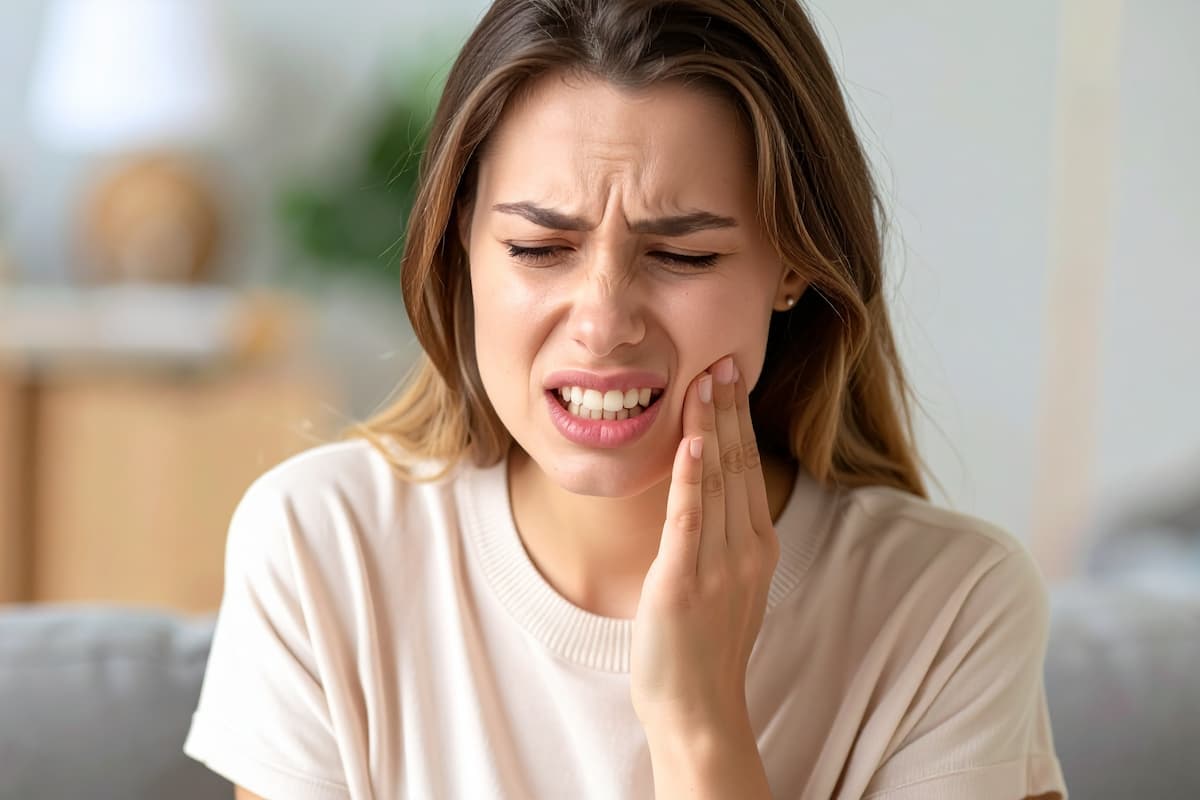
The way you chew — and any habits that happen inside your mouth while you eat, sleep or go about your day — can reveal quite a lot about your oral health. Most people chew food without giving it much thought. Yet the mechanics of chewing, the position of the cheeks and tongue, and any repetitive biting habits all interact with the teeth, gums, jaw and soft tissues in ways that can matter clinically.
Whether you have noticed soreness along the inside of your cheeks, find yourself waking with a tender mouth, or simply want to understand what healthy chewing looks like, this article sets out the key dental-health considerations in clear, straightforward terms.
How Chewing Works and Why It Matters
To put food in your mouth and chew it sounds simple enough, but chewing is actually a complex neuromuscular activity. The teeth break food into smaller pieces, saliva begins chemical digestion, and the tongue and cheeks guide food between the molar surfaces. The cheeks, in particular, play an active role — they hold food in position and stop it from slipping between the teeth and the inside of the mouth.
When this system works well, chewing is efficient and comfortable. Related patterns are outlined in children grinding in sleep. When something disrupts the balance — whether through misaligned teeth, muscle tension, pain elsewhere in the jaw, or an involuntary habit — the soft tissues lining the mouth can bear the consequences.
Good oral hygiene supports not just the teeth and gums but the overall oral environment in which chewing takes place.
Chewing With Your Mouth Open or Closed: Does It Affect Oral Health?
The social convention around chewing with your mouth closed exists partly for social reasons, but there are mild functional considerations too. Chewing with the mouth open alters the pressure dynamics within the mouth and may mean food and saliva are not guided as efficiently across the teeth. In most healthy adults, however, this alone is unlikely to cause significant oral-health problems.
More relevant clinically is whether someone habitually chews predominantly on one side. This can occur if there is pain, a missing tooth, or discomfort on one side of the mouth. Over time, one-sided chewing may contribute to uneven wear on the teeth and increased muscular tension on the dominant side of the jaw.
If you have noticed that you consistently favour one side when chewing, it is worth discussing this at your next dental check-up as it may reflect an underlying issue worth addressing.
Cheek Biting: A Common Habit With Real Consequences
One of the more frequent oral habits that patients mention — sometimes with a degree of embarrassment — is biting the inside of the cheek. This can happen consciously, as a response to stress or concentration, or entirely without awareness, particularly during sleep.
Why Does Cheek Biting Happen?
Cheek biting, known clinically as morsicatio buccarum, occurs when the soft tissue lining the inside of the cheek comes into contact with the biting surfaces of the teeth and is inadvertently caught. Causes may include:
• Stress or anxiety — habitual cheek biting often intensifies during periods of stress, functioning in a similar way to nail biting or teeth grinding
• Misaligned teeth or a recent change in bite — if the teeth do not meet evenly, the cheeks may be more vulnerable to being caught
• New dental restorations — a new crown, filling or denture can temporarily alter how the teeth meet, increasing the risk of accidentally biting the cheek
• Jaw clenching and bruxism — people who clench or grind their teeth are often more prone to cheek biting, as the jaw moves under tension
Cheek Biting While Sleeping
Cheek biting while sleeping is particularly difficult to address because the person is unaware it is happening. Clues that you may be biting your cheeks during sleep include waking with soreness or tenderness along the inner cheeks, noticing small raised or thickened areas on the cheek lining, or finding that the soreness is worse in the morning than at other times of day.
Sleep-related cheek biting may be associated with bruxism — the unconscious grinding or clenching of teeth during sleep. This often overlaps with night-time jaw clenching headaches. Bruxism is more common than many people realise and can affect the teeth, jaw muscles and soft tissues simultaneously.
A custom-made occlusal splint (night guard) is one option your dentist may discuss if sleep-related cheek biting or grinding is suspected. This sits over the teeth and helps to reduce the pressure placed on both the teeth and the surrounding soft tissues overnight.
What Does Repeated Cheek Biting Do to the Mouth?
When the inner cheek is bitten repeatedly, the soft tissue responds by thickening. You may notice a slightly raised, whitish or rough-textured area on the inner cheek — this is the mucosa attempting to protect itself from further trauma.
This type of change is generally benign and often resolves if the habit stops. However, it is important not to assume that all white patches or thickened areas in the mouth are simply the result of biting. The NHS advises that persistent oral changes — including white patches, red patches, non-healing ulcers or lumps — should be assessed by a dentist or GP, particularly if they have been present for more than three weeks.
This is not a reason to panic. The vast majority of such changes have entirely benign causes. It is simply a sensible precaution to have them examined professionally.
Chewing Tobacco and the Mouth: An Important Distinction
A small subset of searches in this keyword area relates to chewing tobacco — sometimes described as "chew in mouth," "how long to keep chew in mouth" or "how long does chew last in your mouth." It is important to distinguish clearly between ordinary food chewing and the use of oral tobacco products, as these are entirely different behaviours with very different oral-health implications.
Chewing tobacco, oral snuff and similar products are not the same as chewing food. Their use involves holding tobacco against the gum or cheek lining for extended periods, which means the mucosa is exposed to tobacco's known carcinogens directly and continuously. Public Health England, the NHS and Cancer Research UK all advise against the use of smokeless tobacco products, as they are associated with significantly increased risks of oral cancer, gum disease and tooth loss.
If you are looking for support to stop using oral tobacco, your GP, dentist or a NHS Stop Smoking Service can provide evidence-based assistance without judgement.
The remainder of this article addresses ordinary chewing habits and cheek biting — not tobacco use — as these represent the dominant dental-health intent in the search landscape.
When Chewing Becomes Uncomfortable: Possible Causes
Several dental and oral-health conditions can make chewing uncomfortable or alter the way you chew without you fully realising it.
Tooth Sensitivity or Pain
A tooth that is sensitive to pressure — due to decay, a crack, a failing restoration or gum recession — may cause you to unconsciously shift chewing to the opposite side. A focused back-tooth cavity overview explains why this happens. Tooth decay and dental erosion are both common causes of sensitivity that can gradually alter chewing patterns.
Gum Disease
Inflammation of the gums can make the areas around the teeth feel sore during chewing, particularly if food contacts inflamed tissue. If your gums bleed during or after eating, or feel tender and swollen, this may be a sign that gum disease is present and would benefit from professional assessment.
Temporomandibular Joint (TMJ) Disorders
The temporomandibular joint connects the lower jaw to the skull. Pain, clicking or restriction in this joint can make chewing uncomfortable and may lead to altered chewing habits over time. TMJ disorders are more common in people who also experience bruxism or high levels of stress.
Oral Ulcers
Mouth ulcers — whether from accidental biting, stress or underlying conditions — can make chewing painful while they are present. Most minor ulcers heal within one to two weeks. If an ulcer persists beyond three weeks, changes in appearance or is accompanied by other symptoms, it should be assessed by a dental professional.
Are you aware of any changes to how comfortably you can chew? Have you noticed any asymmetry — doing more work on one side than the other?
Practical Steps to Support Healthy Chewing Habits
Supporting good chewing habits is a natural extension of broader oral-health care. Some practical considerations include:
1. Attend regular dental check-ups — a dentist can identify changes to the bite, soft tissues or jaw function before they become more significant
2. Discuss any soreness or new oral changes promptly — do not wait until your next routine appointment if you notice a persistent change
3. Manage stress where possible — since stress is associated with cheek biting, teeth grinding and jaw clenching, stress-management strategies may help reduce these habits
4. Chew on both sides of the mouth where comfortable — if pain is preventing this, the underlying cause is worth investigating
5. Maintain consistent oral hygiene — clean teeth and healthy gums support comfortable, pain-free chewing. If grinding is present, compare NHS mouthguard care options.
Could any of your current chewing habits be masking an underlying oral-health concern worth exploring?
When to Seek Professional Dental Advice
Most people experience minor cheek bites or occasional mouth soreness and these resolve without treatment. However, the following signs may warrant a professional dental assessment:
• A white patch, red patch or mixed patch inside the mouth that has been present for more than three weeks
• A non-healing ulcer or sore area that does not improve
• Persistent or unexplained pain when chewing
• A lump or thickening inside the mouth, on the tongue or in the throat
• Difficulty opening the mouth fully or jaw locking
• Cheek soreness that wakes you from sleep repeatedly
None of these symptoms automatically indicates a serious condition. Persistent post-meal discomfort is also covered in implant-area gum pain causes. However, current NHS guidance recommends that persistent or unexplained oral changes are assessed by a dentist or GP to establish the cause. Early review is always sensible.
If you are due for a check-up or have any concerns about oral changes, our team at Wimpole Dental is available to provide a thorough and considered assessment.
Common Misconceptions About Chewing and Oral Health
"A bit of cheek biting is harmless and nothing to worry about." Occasional, accidental cheek biting is common and usually not a concern. Repeated or habitual biting that produces persistent white patches or soreness may benefit from professional review, particularly if the changes do not resolve on their own.
"If it doesn't hurt, there's nothing wrong." Several oral conditions, including early-stage gum disease and some tissue changes, can be present without pain. This is one reason why regular dental examinations remain important even when the mouth feels comfortable.
"Chewing tobacco is just a less harmful version of smoking." This is a misconception. Smokeless tobacco products carry their own significant oral-health risks, including an association with oral cancer. They are not a safe alternative to cigarettes.
FAQs: Chewing Habits and Oral Health
1. Is it normal to bite the inside of my cheek occasionally?
Yes, accidental cheek biting is very common and can happen when eating quickly, talking while eating or following dental work that has temporarily altered the bite. Occasional biting that heals within a few days is generally not a cause for concern. If biting is frequent, recurrent in the same spot or leaves persistent marks, it is worth mentioning to your dentist.
2. How do I know if I am biting my cheeks in my sleep?
Common signs include waking with tenderness, soreness or a raw sensation on the inside of one or both cheeks, noticing thickened or slightly whitened areas on the cheek lining, and finding the discomfort is more pronounced in the morning. Your dentist can examine the soft tissues and may ask about other sleep-related habits such as teeth grinding.
3. Can stress really cause cheek biting?
Stress and anxiety are recognised contributing factors to a range of oral habits, including cheek biting, nail biting, lip chewing and teeth clenching. These habits often intensify during periods of heightened stress and may reduce when stress levels decrease. If stress-related oral habits are persistent, your dentist or GP may be able to advise on management strategies.
4. Does chewing on one side of the mouth cause problems?
Habitual one-sided chewing can contribute to uneven tooth wear, increased muscular tension on the dominant side of the jaw and, over time, potential changes to the temporomandibular joint. If you avoid chewing on one side because of pain or discomfort, it is advisable to identify and address the underlying cause with your dentist.
5. What does a thickened white patch from cheek biting look like?
A white or greyish, slightly raised or roughened area along the line where the upper and lower teeth meet on the inner cheek is a common appearance of trauma-related thickening. It may have an irregular surface texture. This type of change is generally benign and often improves when the biting habit stops, but it should be distinguished from other types of white patches through professional examination.
6. Should I be worried about a white patch inside my mouth?
Not necessarily, but any white patch inside the mouth that has been present for more than two to three weeks without an obvious cause — such as a recent bite injury — should be assessed by a dentist. The majority of such patches have benign explanations, but a clinical review allows the cause to be identified and, if needed, monitored appropriately.
7. Can a night guard help with cheek biting during sleep?
A custom-made occlusal splint or night guard creates a physical barrier between the upper and lower teeth, which can reduce the impact of clenching and grinding during sleep. It may also help to limit the extent to which the cheeks are caught between the teeth. Your dentist can assess whether this is a suitable option for your specific situation.
8. How long does it take for a bitten cheek to heal?
Minor cheek bites typically heal within three to seven days. Larger or deeper bites may take up to two weeks. Keeping the area clean, avoiding irritants such as very hot, spicy or acidic foods, and maintaining good oral hygiene can support healing. If a bite site does not heal within two to three weeks, it should be reviewed professionally.
9. Is there a connection between jaw clenching and cheek biting?
Yes, there is a recognised association. Clenching the jaw — whether consciously during the day or involuntarily during sleep — can bring the cheeks into closer contact with the occlusal surfaces of the teeth, making accidental biting more likely. Both jaw clenching and cheek biting may be connected to stress, and addressing one habit can sometimes help with the other.
10. When should cheek biting or mouth soreness prompt an urgent dental visit?
If you notice any rapidly growing lump, a non-healing ulcer after three weeks, unexplained bleeding, difficulty swallowing, persistent numbness or a patch that is changing in size or appearance, seek a prompt dental or medical assessment rather than waiting for a routine appointment. These signs are not automatically serious but warrant timely professional review.
Disclaimer
This article is educational and is not a diagnosis or treatment plan. Symptoms and risks vary between patients. A dentist or GP should assess persistent, worsening, or unclear symptoms in person. Do not delay professional advice because of online information.
Written Date: 2026-10-30 | Next Review Date: 2027-10-30
Written by Wimpole Dental Editorial Team · reviewed by Wimpole Dental Clinical Team
This article is general information, not personal clinical advice. For a diagnosis and a plan tailored to you, book a consultation with a GDC-registered dentist.