Children's Teeth Grinding: Causes and Advice
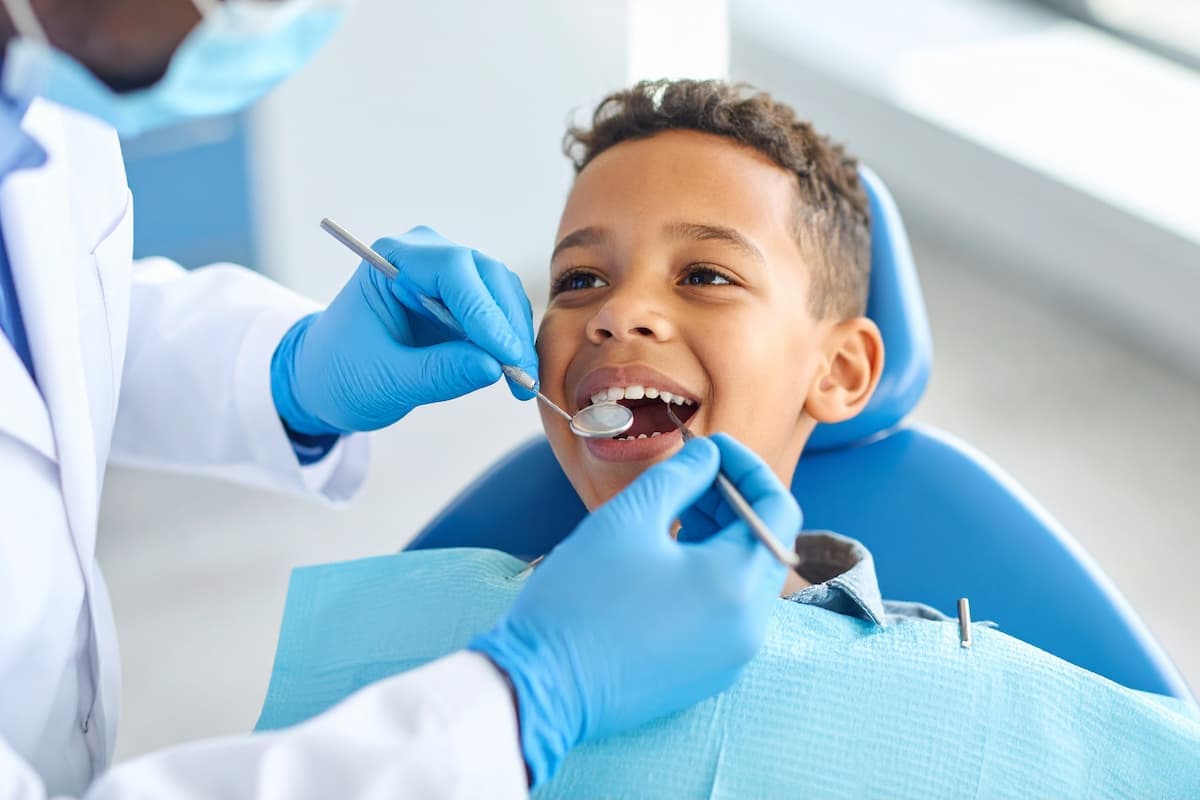
Hearing a grating or crunching sound coming from your child's bedroom at night can be unsettling. Many parents discover their child is grinding or clenching their teeth — sometimes in the early toddler years, sometimes later — and wonder whether it signals a problem. The reassuring reality is that children's teeth grinding is genuinely common and, in many cases, resolves on its own as a child grows. That said, understanding what may contribute to the behaviour, what to observe, and when professional assessment could be worthwhile is valuable knowledge for any parent or carer.
This article explains what childhood teeth grinding involves, explores the factors that may be associated with it at different ages, and sets out clear, balanced guidance on when — and whether — to seek dental advice.
What Is Children's Teeth Grinding — and Is It Common?
Teeth grinding in children is referred to clinically as bruxism. It describes the rhythmic or sustained clenching, rubbing, or grinding of the upper and lower teeth, and it can occur during sleep or while the child is awake.
Research suggests that bruxism is relatively prevalent in childhood, with some studies indicating it may affect a substantial proportion of children at some point during their development — though reported prevalence figures vary depending on how the condition is defined and measured. What is consistently noted in paediatric dental literature is that grinding tends to be more common in younger children and often decreases in frequency as children age.
It is important to understand that children's teeth grinding does not automatically indicate a dental problem. Many children who grind their teeth experience no significant tooth wear, jaw discomfort, or sleep disruption, and the behaviour often resolves without any specific intervention.
Teeth Grinding During Sleep Versus While Awake
Bruxism in children can be broadly separated into two types, and the distinction matters when thinking about possible causes and management.
Sleep Bruxism
Sleep bruxism occurs while the child is asleep and is classified as a sleep-related movement behaviour. It is the form most commonly reported by parents, who may hear the characteristic grinding sound during the night or notice wear on their child's teeth during daytime observation.
Children grinding teeth while sleeping typically have no awareness of the behaviour themselves. Sleep bruxism in children may be associated with changes in sleep stages, micro-arousals during sleep, or other sleep-related factors. Some research has noted possible associations between sleep bruxism and conditions affecting sleep quality, though the relationship is not fully understood and causation cannot be assumed.
Awake Bruxism
Children grinding teeth while awake may clench or grind their teeth during concentration, emotional stress, or everyday activity. Awake bruxism is generally considered to involve a degree of habitual or semi-conscious behaviour and may have different underlying contributors compared with sleep bruxism.
Parents may notice a child grinding their teeth during the day, particularly during focused tasks, moments of frustration, or periods of change or uncertainty. Unlike sleep bruxism, the child may occasionally be redirected or made aware of the behaviour.
Understanding which type — or combination — a child exhibits can help a dentist assess the situation more accurately. Parents can also review NHS bruxism guard guidance.
Baby Teeth Grinding in Infants and Very Young Children
Baby teeth grinding — observed in infants who have begun to develop their primary (milk) teeth — is not unusual. When a very young child first experiences new teeth coming through, they may grind or bite as a way of exploring the sensation of having teeth. This early-stage grinding is generally considered a developmental behaviour rather than a clinical concern.
It is also worth noting that as primary teeth emerge and the upper and lower arches come into contact, a child's bite is still developing. Minor irregularities or asymmetries in this developing bite may temporarily contribute to grinding as the jaw adjusts.
Toddler Teeth Grinding at Night
Many parents of toddlers — including those with a 3-year-old grinding teeth while sleeping — are understandably concerned when they first hear the sound. Toddler teeth grinding at night is among the most frequently reported parental concerns in paediatric dental settings.
At this age, several factors may be associated with the behaviour:
• Teething and oral discomfort: The discomfort associated with emerging teeth may prompt grinding or biting behaviours.
• Developmental change: Rapid neurological and physical development in the early years may influence sleep patterns and associated behaviours including bruxism.
• Sleep transitions: Changes in sleep architecture during toddlerhood — including shifts in the proportion of different sleep stages — may create conditions where grinding episodes occur.
• Minor bite irregularities: As the primary dentition establishes itself, temporary differences in how the teeth meet may contribute to grinding.
None of these factors can be confirmed as the definitive cause in any individual child without clinical assessment.
Possible Contributing Factors in Older Children
As children grow beyond the toddler years, the possible contributors to teeth grinding may broaden. Research and clinical observation have noted associations between bruxism in children and a range of factors, though it is important to clarify that an association does not confirm a direct cause.
Stress and Emotional Factors
Some children may grind their teeth during periods of emotional stress, anxiety, or significant life change — such as starting school, family transitions, or social pressures. Older family members with similar patterns may recognise jaw-clenching headache triggers. This does not mean every child who grinds their teeth is experiencing problematic stress, but it may be worth a parent gently considering whether emotional factors could be relevant.
Sleep-Related Breathing
There is a body of research noting possible associations between childhood bruxism and sleep-related breathing concerns, including mouth breathing and snoring. If a child consistently snores, appears to have disrupted sleep, or regularly breathes through their mouth, these symptoms may warrant appropriate professional assessment — though this article is not able to diagnose or confirm any sleep-related condition.
Certain Medical and Developmental Factors
Some research has suggested possible associations between bruxism and certain neurodevelopmental or medical conditions in children, though this remains an area of ongoing study. If a child has other co-occurring concerns, a dental or medical professional can consider the full picture.
Medications
In some cases, certain medications have been associated with bruxism as a possible side effect. If a child has recently started a new medication and the grinding appears to have begun around the same time, it may be worth discussing this with the prescribing clinician.
Can Teeth Grinding Damage a Child's Teeth?
This is one of the most common parental concerns, and it is a reasonable one. Whether grinding causes notable tooth wear depends on several factors: how frequently it occurs, how forceful it is, the child's age, and whether they are grinding primary (baby) teeth or permanent teeth.
In many children, grinding of primary teeth does not result in significant or lasting damage, partly because baby teeth are naturally lost and replaced. However, in some cases — particularly where grinding is frequent and forceful — noticeable wear on the tooth surfaces may occur.
A dentist can examine the teeth and identify whether wear is present, monitor changes over time, and advise accordingly. You can pair this with a grinding-related crack risk explainer. Tooth wear observed at a routine dental check-up does not automatically require intervention, but it does provide useful information for ongoing monitoring.
If a child experiences jaw discomfort, facial muscle soreness, or frequent headaches upon waking, these are symptoms worth discussing with a dental professional.
Signs That May Justify Seeking Dental Advice
Most children who grind their teeth do not require urgent attention, and for many — particularly young children with no associated symptoms — a watch-and-wait approach is appropriate. However, certain signs may indicate that a dental assessment would be valuable:
• Visible wear on tooth surfaces, particularly flattening of the biting edges
• Complaints of jaw pain, facial soreness, or tooth sensitivity
• Frequent morning headaches with no other obvious cause
• Disrupted sleep that appears to be linked to grinding episodes
• Grinding that has continued for a prolonged period without reducing
• Any associated concerns about sleep-related breathing
It is also worth noting that children benefit from regular dental examinations throughout their development. Routine check-ups provide an opportunity for a dentist to monitor dental development, identify any signs of wear, and offer early preventive advice — without any need for alarm or intervention in the majority of cases.
Children's Teeth Grinding and Mouth Guards
Parents often ask whether a mouth guard could help prevent tooth damage from grinding. This is an understandable question, but the answer for children requires careful consideration.
Mouth Guards for Children Are Not a Universal Solution
Children's teeth are actively developing and erupting throughout childhood. A custom-fitted dental appliance appropriate for an adult would not be suitable for a growing child without regular professional review, as it could interfere with natural dental and jaw development if not managed carefully.
A children's teeth grinding mouth guard — where it is considered appropriate — must be professionally assessed, custom-fitted, and monitored over time. An over-the-counter or adult guard should not be used.
When Might a Guard Be Considered?
A dentist may consider a night guard or occlusal splint in older children where significant tooth wear is evident, symptoms such as jaw discomfort are present, and the child's dentition is sufficiently developed to make a removable appliance feasible. The suitability, design, and review schedule would depend on individual circumstances.
Parents should not attempt to fit, modify, or source dental appliances for their child without professional guidance. If you have concerns about tooth wear or your child's comfort, the most appropriate step is a professional dental assessment.
Practical Steps for Parents
While the decision about any clinical intervention should rest with a qualified dentist, there are several practical steps parents can take to support their child's wellbeing:
• Maintain a calm pre-sleep routine. If stress or anxiety may be a factor, a consistent and calming bedtime routine can support better sleep quality for the child.
• Avoid stimulating activities and screens close to bedtime. Good sleep hygiene practices support healthy sleep architecture for growing children.
• Observe and note patterns. If you are concerned, keeping a brief record of when grinding appears to occur — and any associated behaviours or symptoms — can be useful information to share with a dentist.
• Attend routine dental check-ups. Regular visits to a dentist allow tooth wear and development to be monitored over time. Many parents find an early check-up expectations guide helpful before attending. The NHS recommends that children attend dental check-ups regularly from when their first teeth appear.
• Talk to your child gently. Where awake grinding is evident, and where the child is old enough to understand, gentle and non-anxious conversations about relaxing their jaw may help increase their awareness of the behaviour.
• Avoid punishing or shaming. Grinding is generally not a behaviour the child is consciously controlling, particularly during sleep.
Will a Child Grow Out of Teeth Grinding?
For many children — particularly those in the toddler and early childhood years — teeth grinding does reduce and often resolves as the child develops. The transition from primary to permanent teeth, changes in sleep patterns as children mature, and developmental neurological changes may all contribute to a natural reduction in bruxism over time.
However, for some children, grinding may persist into later childhood or adolescence, particularly if associated factors such as stress or sleep-related concerns are not addressed. This is why ongoing dental monitoring, rather than either panic or complete dismissal, represents the most balanced approach.
Supporting Healthy Dental Development in Children
Children's teeth grinding is one of many aspects of children's oral health that parents may have questions about as their child grows. Everyday chewing habits are discussed in oral chewing habit guidance. Maintaining a good foundation in dental care — including brushing with an age-appropriate fluoride toothpaste, attending regular check-ups, and supporting a balanced diet — provides the best general environment for healthy dental development.
If you have ongoing concerns about your child's teeth or jaw comfort, or if you have noticed signs of tooth wear, a dentist experienced in paediatric dental care can provide an informed and personalised assessment.
Frequently Asked Questions
1. At what age do children typically start grinding their teeth?
Teeth grinding in children can begin as early as infancy, once the first primary teeth have emerged. It is commonly reported in toddlers between approximately one and three years of age. Some children begin grinding later, during the school years or adolescence. The age at which grinding starts can influence possible contributing factors and how a dentist may approach monitoring.
2. My 3-year-old grinds their teeth while sleeping — should I be worried?
A 3-year-old grinding teeth while sleeping is a genuinely common experience that many parents share. In the majority of cases, this is a developmental behaviour that does not indicate a dental problem and often reduces as the child grows. However, if the grinding appears to be causing tooth damage, discomfort, sleep disruption, or if you notice other concerns, it is worth mentioning at your child's next dental appointment.
3. Is children's teeth grinding more common during sleep than while awake?
Sleep bruxism is generally the more commonly reported form in children, partly because the distinctive sound is easier for parents to notice. Awake bruxism — where a child grinds or clenches during the day — does also occur in children, though it may go unnoticed for longer. Both forms can coexist in the same child.
4. Could my child's grinding be related to their diet or caffeine intake?
Some research has explored possible links between stimulant consumption and bruxism. While caffeine is not typically a significant part of a young child's diet, sugary or caffeinated drinks close to bedtime may affect sleep quality in a way that indirectly influences sleep-related behaviours. There is no established causal relationship to assert definitively, but maintaining a balanced diet and avoiding stimulating drinks near bedtime is sound general advice for children's health.
5. Should I be concerned if the grinding sounds very loud?
The loudness of the grinding sound does not necessarily correlate with the degree of tooth wear or clinical significance. Some children produce a surprisingly loud sound that causes significant parental concern, yet show minimal wear when examined by a dentist. Conversely, more subtle grinding can occasionally produce noticeable wear over time. The most reliable way to assess the impact is through a dental examination, not the sound alone.
6. Can a child's teeth grinding be a sign of worms or nutritional deficiency?
This is a belief that circulates in some cultural and informal parenting communities. Current dental and medical evidence does not support a direct causal link between intestinal parasites or general nutritional deficiency and bruxism in children. If you have concerns about your child's general health or nutrition, discussing these with a GP or paediatrician is appropriate.
7. Is teeth grinding during sleep harmful to permanent teeth?
Where significant grinding continues once a child's permanent teeth have emerged — typically from around age six onwards — there is a greater reason to monitor for tooth wear, since permanent teeth are not replaced naturally. A dentist can identify early wear patterns on permanent teeth and advise on whether any intervention or closer monitoring is appropriate for your child's specific situation.
8. My child grinds their teeth while awake during school. What can I do?
Awake bruxism in children can sometimes be associated with concentration, habit, or emotional stress. Where a child is old enough, gently increasing their awareness of jaw clenching or grinding — without making it a source of anxiety — may help. If the behaviour is frequent, persistent, or associated with discomfort, discussing it with a dentist can help determine whether further assessment or support is warranted. Emotional wellbeing support through school or a GP may also be relevant if stress appears to be a significant factor.
9. Will a mouth guard stop my child from grinding their teeth?
A professionally fitted mouth guard does not stop the grinding reflex itself — it is designed to protect the tooth surfaces from the effects of grinding rather than eliminate the behaviour. Its suitability for any individual child depends on their age, the stage of dental development, the severity of grinding, and a professional assessment. A guard that is inappropriate for a child's stage of development could interfere with natural dental growth, which is why professional assessment and regular review are essential.
10. How often should a child who grinds their teeth visit the dentist?
Children who are known to grind their teeth may benefit from attending dental check-ups as recommended by their dentist, which may be more frequent than the standard interval if wear is being monitored. A dentist can advise on the appropriate review schedule based on the individual child's dental development, the degree of wear observed, and any associated symptoms. The NHS recommends that children begin attending dental appointments from a young age as part of routine preventive care.
Disclaimer
This article is educational and is not a diagnosis or treatment plan. Symptoms and risks vary between patients. A dentist or GP should assess persistent, worsening, or unclear symptoms in person. Do not delay professional advice because of online information.
Written Date: 2026-10-30 | Next Review Date: 2027-10-30
Written by Wimpole Dental Editorial Team · reviewed by Wimpole Dental Clinical Team
This article is general information, not personal clinical advice. For a diagnosis and a plan tailored to you, book a consultation with a GDC-registered dentist.