NHS Bruxism Mouth Guards: Options, Costs and Advice
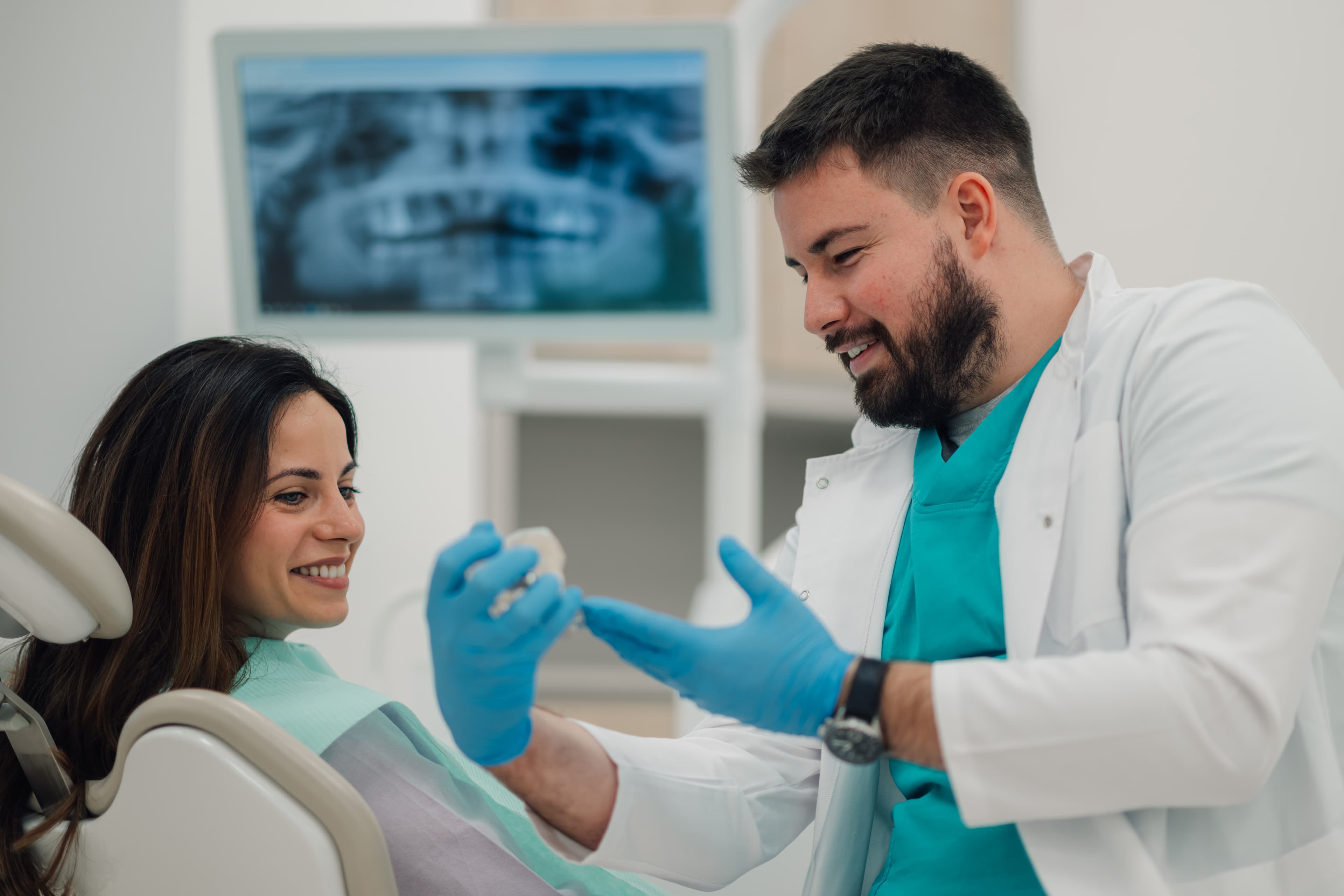
Teeth grinding and jaw clenching are more common than many people realise. If you have been waking with a sore jaw, sensitive teeth or a dull headache, you may have come across the term bruxism — and you may be wondering whether an NHS bruxism mouth guard is something your dentist can provide. This article explains what bruxism is, how dental appliances may help protect your teeth, what the NHS does and does not routinely offer, and what practical options are available to you.
What Is Bruxism?
Bruxism is the medical term for habitual teeth grinding or jaw clenching. Clinicians typically distinguish between two forms:
• Sleep bruxism — grinding or clenching that occurs during sleep, often without the person being aware of it.
• Awake bruxism — clenching or pressing the teeth together during waking hours, frequently associated with concentration, stress or habit.
Both types can place significant mechanical load on the teeth, jaw muscles and the temporomandibular joint (TMJ) — the hinge joint that connects the lower jaw to the skull. Over time, repeated grinding can contribute to tooth wear, chipping, increased dental sensitivity, jaw discomfort and disturbed sleep for the person affected or their partner.
The exact causes of bruxism are not fully understood. Symptom overlap is explored in clenching-related headache patterns. Research suggests that stress, anxiety, sleep disorders such as obstructive sleep apnoea, certain medications and lifestyle factors may all play a role. However, the relationship between these factors and bruxism is complex, and no single cause applies universally.
How Does a Dental Mouth Guard Help with Bruxism?
A dental mouth guard — also referred to as an occlusal splint, night guard or bite guard — is a custom-fitted or prefabricated appliance worn over the upper or lower teeth. It is important to understand what a mouth guard can and cannot do.
What it may help with: - Creating a protective barrier between the upper and lower teeth to reduce wear - Distributing biting forces more evenly across the dental arch - Reducing the load on individual teeth during clenching episodes - Alleviating some jaw muscle discomfort in certain patients
What it does not do: - Eliminate the underlying grinding or clenching behaviour - Treat the root cause of bruxism - Guarantee relief from all associated symptoms
This distinction matters. You can compare long-term effects in grinding damage risk guidance. A dental splint is primarily a protective device, not a cure. Some patients find their symptoms improve with consistent use; others notice limited change in the grinding itself. Individual responses vary considerably.
NHS Provision: What You Need to Know
People searching for an NHS bruxism mouth guard often want to understand whether a dental splint is routinely available and what they might expect to pay. The honest answer is nuanced.
How NHS Dental Charges Work in England
NHS dental treatment in England is charged across three bands (as of 2024–25, subject to change):
• Band 1 — examination, diagnosis and preventive advice
• Band 2 — fillings, extractions and other routine treatments
• Band 3 — more complex work, including crowns, bridges and dentures
A custom-made dental splint for bruxism, when provided under NHS care, would typically fall under Band 3. This is a fixed charge regardless of how many items of Band 3 treatment are provided in the same course of treatment. However, not all NHS dentists will provide a bruxism splint within an NHS course of treatment, and availability varies by practice and area.
Important qualifications: - NHS dental charges and band thresholds are subject to change. Always confirm current charges directly with your dental practice or via NHS England. - Certain groups — including children, pregnant women, those on qualifying benefits and some other exempt categories — do not pay NHS dental charges. Eligibility should be confirmed directly with your provider. - Some patients may be referred to a specialist or hospital service for assessment of severe bruxism or associated jaw problems, which operates under separate NHS pathways.
Does Every NHS Dentist Provide a Bruxism Splint?
Not necessarily. Provision of a custom occlusal splint within an NHS course of treatment depends on the individual dentist's clinical assessment, the practice's NHS contract and local arrangements. Some NHS practices may offer a splint; others may advise a private option if the appliance falls outside their NHS provision. It is worth asking your dentist directly what they can offer and under which terms.
Private Dental Splints: What to Expect
If a custom-made splint is not available through NHS treatment at your practice, or if you prefer a privately made appliance, a dentist can take impressions and have a splint fabricated in a dental laboratory. Private costs vary considerably depending on the practice, location and type of appliance.
Factors that influence private splint costs include:
• The type of appliance (hard acrylic, soft, dual-laminate)
• Whether it is made for the upper or lower arch
• Laboratory fabrication costs
• The number of appointments needed for fitting and review
• Location — London practices typically reflect higher overhead costs
For an indication of current private costs at Wimpole Dental, it is best to contact the practice directly for an accurate, up-to-date quote tailored to your circumstances.
Over-the-Counter Mouth Guards: Are They Worth It?
Pharmacies and online retailers sell prefabricated or "boil-and-bite" mouth guards that can be moulded at home. These are widely available and cost considerably less than a custom-made dental splint. However, there are important limitations to consider.
Potential advantages: - Immediately accessible without a dental appointment - Lower upfront cost - May provide some degree of surface protection
Potential disadvantages: - Less precise fit compared with a custom appliance - May not distribute biting forces as effectively - Can feel bulky or uncomfortable, leading to inconsistent use - A poorly fitting appliance may cause jaw discomfort, bite changes or disturbed sleep - Not professionally assessed for clinical suitability
If you are experiencing significant symptoms — persistent tooth wear, jaw pain, morning headaches or sleep disruption — an over-the-counter guard is not a substitute for a professional dental assessment. The broader quality-of-life impact is described in living with severe bruxism. A dentist can examine your teeth, assess the degree of wear, rule out other contributing factors and advise on the most appropriate course of action.
How to Stop Grinding Teeth at Night Without a Night Guard
Not everyone with bruxism will need, or be suitable for, a dental appliance. Some approaches that may help manage teeth grinding and clenching without a guard include:
Stress and Anxiety Management
Where stress or anxiety appears to be a contributing factor, addressing this may help reduce bruxism frequency. This can include talking therapies, relaxation techniques, mindfulness practices and exercise. Your GP is the appropriate starting point if you feel stress or anxiety is significantly affecting your health.
Sleep Hygiene
Improving sleep quality may benefit some people with sleep bruxism. Habit factors are also outlined in chewing behaviour and oral strain. Consistent sleep schedules, limiting caffeine and alcohol in the evening and creating a calm sleep environment are commonly recommended, though evidence for direct bruxism reduction varies.
Jaw Exercises and Physiotherapy
Some patients with jaw discomfort benefit from specific exercises or physiotherapy input, particularly where temporomandibular joint dysfunction is involved. A dentist or specialist can advise whether referral is appropriate.
Medication Review
Certain medications — including some antidepressants — have been associated with increased bruxism activity. If you suspect a medication may be affecting your grinding, discuss this with the prescribing clinician before making any changes. Never stop a prescribed medication without professional guidance.
Biofeedback
Biofeedback techniques, which use sensors to help a person become aware of muscle activity associated with clenching, have been studied as a potential aid for awake bruxism. Evidence quality varies, and this is not yet a standard NHS treatment pathway, but some patients find it a useful addition to self-management strategies.
Cleaning and Caring for Your Dental Splint
Whether custom-made or over-the-counter, a dental mouth guard requires regular cleaning to remain hygienic and effective.
Daily care: - Rinse the guard with cool or lukewarm water immediately after removing it — avoid very hot water, which can distort soft materials - Clean gently with a soft toothbrush and mild soap or non-abrasive toothpaste - Rinse thoroughly before storing
Storage: - Store in a ventilated case away from direct sunlight and heat - Allow the guard to dry before closing the case to reduce bacterial growth
Regular checks: - Inspect the guard periodically for cracks, rough edges or significant distortion - Bring it to your dental appointments so your dentist can check the fit and condition
A custom-made splint should last considerably longer than a prefabricated guard with proper care, but it will eventually wear or require adjustment. Your dentist can advise on when replacement is necessary.
Can a Mouthguard Make Bruxism Worse?
This is a question patients reasonably raise. The evidence is mixed and depends on the type of appliance and the individual.
Some research has suggested that certain soft, compressible mouth guards may inadvertently encourage chewing or clenching activity in some individuals, potentially increasing muscle activity. Hard acrylic splints are generally preferred by many dental clinicians for this reason, though both types are used in clinical practice.
If you notice that a guard is causing increased jaw discomfort, more frequent grinding sensations, changes to your bite or significant discomfort on waking, you should stop using the appliance and contact your dentist. A well-fitted, professionally assessed appliance is less likely to cause problems, but no appliance is universally appropriate.
When Should You See a Dentist?
You should seek a professional dental opinion if you notice any of the following:
• Flattened, chipped or increasingly sensitive teeth
• Regular jaw pain or stiffness on waking
• Frequent headaches, particularly around the temples
• A partner reporting audible teeth grinding during sleep
• A clicking, popping or locking sensation in the jaw joint
• An over-the-counter guard that is causing discomfort or not fitting well
Early assessment allows a dentist to monitor tooth wear, advise on appropriate management and, where indicated, discuss whether a custom-made appliance is warranted. Parents can also review child grinding assessment cues. Booking a dental examination is the appropriate first step if you are concerned about any of these symptoms.
Summary: Key Points for Patients
• Bruxism describes habitual teeth grinding or jaw clenching, occurring during sleep or waking hours
• A dental mouth guard or splint may help protect teeth from wear but does not eliminate the underlying behaviour
• NHS provision of a custom bruxism splint is possible in some circumstances but is not a universal entitlement; it depends on clinical need, the practice and local arrangements
• NHS Band 3 charges apply in England where a custom splint is provided on the NHS, but charges and eligibility vary — verify current information with your practice
• Private custom-made splints offer a professionally fitted alternative where NHS provision is not available or appropriate
• Over-the-counter guards are accessible but less precise; they are not a substitute for professional assessment where symptoms are significant
• Self-management approaches — including stress reduction and sleep hygiene — may complement but rarely replace professional advice for moderate to severe bruxism
• A poorly fitting or uncomfortable appliance should be reviewed by a dentist
Frequently Asked Questions
1. Is a bruxism mouth guard the same as a dental splint?
The terms are often used interchangeably, but there are distinctions. A dental splint or occlusal splint is typically a hard acrylic, custom-made device fabricated from impressions of your teeth. A mouth guard is a broader term that can include softer, prefabricated or boil-and-bite products. When dentists discuss bruxism management, they usually mean a custom-fitted occlusal guard or splint rather than a generic sports mouth guard.
2. How long does it take to get used to wearing a night guard?
Most patients find the first one to two weeks the most challenging, as the appliance can feel unfamiliar and may disrupt sleep initially. Many people adapt within a few weeks and report no significant discomfort thereafter. If significant discomfort, bite changes or worsening symptoms persist beyond a reasonable settling-in period, you should return to your dentist for assessment rather than continue persisting through pain.
3. Does a night guard help with jaw clenching as well as grinding?
A properly fitted occlusal splint can help distribute the forces associated with jaw clenching and may reduce the load placed on individual teeth. It does not stop the clenching behaviour itself, but it can limit the mechanical damage caused during clenching episodes. For some patients, reducing tooth contact through a splint also reduces the intensity of muscle engagement over time, though this is not guaranteed.
4. Can children get an NHS bruxism guard?
Children do not pay NHS dental charges in England, and NHS dental care is free for those under 18 (or under 19 in full-time education). However, bruxism in children is often monitored rather than immediately treated with an appliance, as the condition may resolve as the dentition changes. Decisions about whether an appliance is appropriate for a child depend on clinical assessment. A dentist is best placed to advise.
5. What is the difference between awake bruxism and sleep bruxism in terms of management?
Sleep bruxism occurs during sleep and is often managed with a night guard to protect the teeth, alongside addressing potential contributing factors such as sleep quality or stress. Awake bruxism typically involves clenching during waking hours and is often more amenable to behavioural approaches, such as habit-reversal training and biofeedback, since the person is conscious and potentially able to modify their behaviour. Many patients experience both types. A clinical assessment can help identify which form is predominant.
6. How often should a custom dental splint be replaced?
There is no fixed universal lifespan for a custom splint, as wear depends on the severity of grinding, the material used and how well the appliance is maintained. Hard acrylic splints can last several years with proper care. Your dentist will assess the condition of the appliance at check-up appointments and advise on replacement when the fit deteriorates or the material becomes significantly worn. Soft or semi-soft guards typically have a shorter lifespan.
7. What happens if I am not registered with an NHS dentist — can I access bruxism treatment?
NHS dental capacity in England varies significantly by area. If you are not currently registered with an NHS dentist, you can use the NHS Find a Dentist tool to locate a practice accepting NHS patients. In areas where NHS access is limited, a private dentist can still assess and treat bruxism, though charges will apply in full. If symptoms are severe or causing significant functional problems, your GP may also be a useful starting point for referral guidance.
8. Can stress management genuinely reduce teeth grinding?
There is evidence suggesting a relationship between stress, anxiety and bruxism, particularly awake bruxism. Stress-management techniques may reduce the frequency or intensity of clenching and grinding for some individuals. However, bruxism also has physiological and neurological components, meaning that stress management alone does not resolve the condition in all cases. It is typically most useful as one component of a broader management approach rather than a standalone solution.
9. Are there NHS treatments for bruxism beyond a mouth guard?
NHS bruxism treatment may include dental examination and monitoring, advice on self-management, referral to a specialist for temporomandibular joint problems and, in some cases, a dental splint. Other interventions — such as Botulinum toxin injections to reduce masseter muscle activity — are not routinely provided on the NHS for bruxism and would be considered a private treatment option. Referral to an NHS specialist or hospital dental service may be appropriate in complex cases.
10. Should I be concerned if my mouth guard is making my jaw feel different?
A small period of adjustment is normal when starting to use a dental appliance. However, if you notice persistent changes in how your teeth meet when the guard is not in place, increased jaw pain, earache or a significant shift in your bite, you should stop using the appliance and arrange a dental review promptly. These can occasionally be signs that the appliance is affecting jaw position and may need adjustment or replacement.
Disclaimer
This article is educational and is not a diagnosis or treatment plan. Symptoms and risks vary between patients. A dentist or GP should assess persistent, worsening, or unclear symptoms in person. Do not delay professional advice because of online information.
Written Date: 2026-10-30 | Next Review Date: 2027-10-30
Written by Wimpole Dental Editorial Team · reviewed by Wimpole Dental Clinical Team
This article is general information, not personal clinical advice. For a diagnosis and a plan tailored to you, book a consultation with a GDC-registered dentist.