Detached Tooth From a Denture Base: Same-Day Laboratory Repair
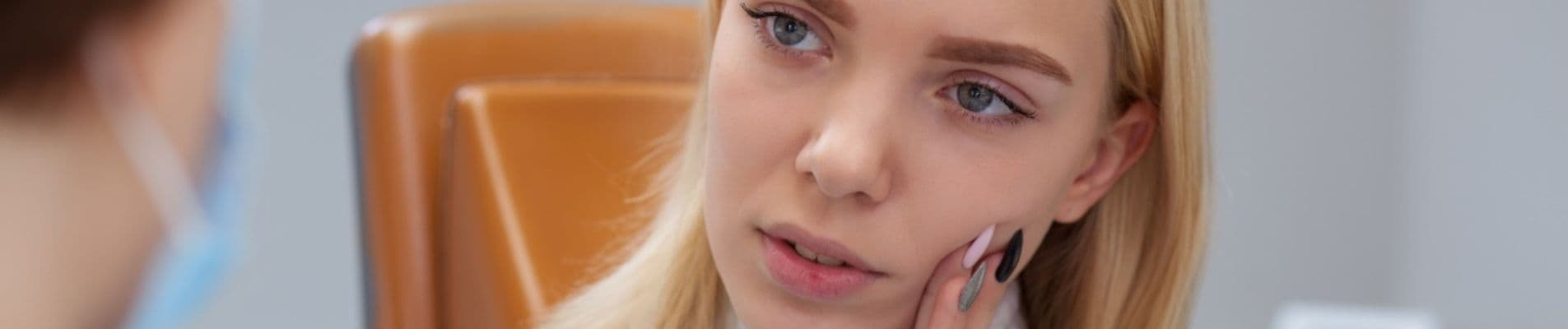
A denture tooth coming away from its base is unsettling, particularly when it happens in company or before something you cannot easily rearrange. It is also, in the majority of cases, a mechanical problem with a mechanical solution.
The important part is what you do in the hours that follow. A denture that arrives intact, with the detached tooth kept safely, is usually a straightforward laboratory repair. A denture that arrives having been glued at home is frequently a much harder proposition — and sometimes an unsalvageable one.
Why Denture Teeth Come Away From the Base
Artificial teeth are bonded chemically into the acrylic base during manufacture. That bond is strong, but it is not indestructible, and several things erode it over time.
Age and fatigue of the acrylic. Acrylic absorbs water, flexes under load, and develops microscopic changes over years of use. Older appliances debond more readily than new ones.
Repeated flexing. A denture that no longer fits the ridge closely rocks slightly with every bite. That repeated flexure concentrates stress at the tooth-to-base interface, particularly in the anterior region.
A poor fit following bone change. After extractions, the ridge continues to resorb. As the fit deteriorates, load distribution becomes uneven and specific teeth take more force than they were designed to carry.
Previous repairs. Each repair introduces an interface. Appliances that have been repaired several times are more vulnerable at those sites.
Impact. Dropping a denture on a hard surface — commonly a basin — is one of the most frequent immediate causes.
Parafunction and heavy bite forces. Habitual clenching or grinding transmits considerable force through a small number of contact points. Where this is a known issue, it is worth discussing, as it also affects other restorations.
Food and habit. Biting hard items directly with front denture teeth, or using them as tools, applies leverage in a direction the appliance was not designed to resist.
What To Do Immediately
A small number of sensible actions make the repair easier and protect the outcome.
• Keep every piece. The detached tooth, and any fragments of acrylic, should be kept dry in a small container. An original tooth reattached in its original position gives a better aesthetic and functional result than a replacement tooth matched by eye.
• Stop wearing the appliance for function. Continuing to eat with a denture missing a tooth loads the remaining teeth unevenly and can cause a second failure or a fracture of the base.
• Do not attempt a home repair. This is the single most important point, and it is covered in more detail below.
• Contact the practice promptly. Same-day or next-day laboratory turnaround is often possible where the appliance is brought in early. Our contact page has details.
• Protect your mouth. Sharp acrylic edges at the site of the detachment can irritate the lip, cheek or tongue. If an edge is catching, mention it when you call.
If there is bleeding, swelling or significant pain rather than simple irritation, that is a separate issue and should be assessed. Our emergency dentist page explains how urgent appointments work.
Why Household Glue Causes More Harm Than the Original Problem
It is tempting. It is also the most common reason a repairable denture becomes an unrepairable one.
Superglue and similar adhesives are not designed for the oral environment and are not intended for intraoral use. Several problems follow:
• They contaminate the bonding surfaces. The laboratory needs clean acrylic and a clean tooth to create a proper chemical bond. Cured adhesive has to be mechanically removed, which takes away material and can make accurate repositioning impossible.
• They set the tooth in the wrong position. Even a fraction of a millimetre of error changes the bite. Once cured, that error is fixed.
• They fail quickly. The bond is not durable under wet, warm, cyclically loaded conditions, so the tooth usually detaches again — now with contaminated surfaces.
• They are not intended for contact with oral tissues. Chemical irritation of the gum and mucosa is possible.
Denture repair kits sold for home use carry the same difficulties in a milder form. They are marketed for temporary situations, and where one has already been used the laboratory should be told so, because it changes how the surfaces are prepared.
What Happens at the Appointment
The process is more considered than simply sticking the tooth back on.
Assessment of the whole appliance. A detached tooth is often a symptom rather than the whole problem. The clinician checks the fit against the ridge, looks for flexure, cracks or previous repair sites, and assesses the bite. Repairing the tooth while leaving an ill-fitting base in place tends to produce a repeat failure.
Assessment of the supporting tissues. Sore spots, inflammation or fungal changes under the appliance are noted, since these influence both comfort and the plan.
Preparation of the surfaces. The socket in the acrylic and the ridge lap of the tooth are cleaned and prepared so that new acrylic can bond reliably.
Repositioning. The tooth is placed to reproduce the original position, using the adjacent teeth and the opposing bite as reference. Where the original tooth is lost, a replacement is selected to match shade, shape and size as closely as possible — which is why keeping the original matters.
Processing and finishing. New acrylic is added and cured, then the repair is trimmed and polished so there is no ledge to trap plaque or irritate soft tissue.
Fit check. The appliance is reinserted, the bite is verified and any pressure points are relieved.
Where the base has also fractured, or where the appliance has been repaired repeatedly, the clinician may advise that a reline or a new denture is the more sensible course. Our dentures page sets out the options, and our article on budget-conscious partial denture choices covers the trade-offs.
When a Repair Is Not the Right Answer
Repair is appropriate for a sound appliance with an isolated failure. Several situations suggest otherwise:
• The base is substantially worn, thin or discoloured.
• Multiple teeth have detached over a short period.
• The fit has deteriorated to the point where the appliance rocks noticeably.
• There have been several previous repairs at or near the same site.
• The artificial teeth are worn flat, altering the bite height.
In these cases, repeated repair tends to cost more over time than replacement, and function remains compromised throughout. Our article on the ten-year cost of dentures compared with implants discusses how these cycles accumulate.
Reducing the Chance of It Happening Again
• Clean over water. A basin half filled with water, or a folded towel, converts most drops into a non-event.
• Attend for review even when comfortable. Fit changes gradually and is easier to correct before it causes damage.
• Have relines done when advised rather than when the appliance becomes unusable.
• Avoid biting hard items with the front teeth and cut food into smaller pieces.
• Store the denture in water or the recommended solution when not worn, so the acrylic does not dry out and distort.
• Mention grinding or clenching to your dentist. Where present, protective measures such as night guards may be appropriate for the remaining natural teeth.
• Maintain the health of the supporting tissues with regular dental hygiene appointments, since inflamed or altered tissue changes how the appliance seats.
Frequently Asked Questions
Can a denture tooth really be repaired the same day?
In many cases, yes. Where the appliance is otherwise sound, the original tooth has been kept, and no adhesive has been applied, a laboratory repair can often be completed within a day. Turnaround depends on laboratory scheduling and on what the clinical assessment reveals, so it is sensible to contact the practice early rather than assuming either the best or the worst.
What if I have already used superglue?
Bring the denture in and say so. Do not attempt to remove the adhesive yourself, because scraping usually damages the acrylic further. The laboratory can sometimes recover the situation, though the repair takes longer and the aesthetic result may be less predictable than it would have been. In some cases the contamination is extensive enough that a new appliance becomes the more reliable option.
Can I wear the denture with the tooth missing?
It is generally better not to use it for eating. The remaining teeth take load they were not designed to carry, which risks a further detachment or a fracture of the base. For short periods, and for appearance, brief wear is sometimes tolerable — but ask when you call, because it depends on which tooth has come away and how the bite is distributed.
Why does this keep happening to the same denture?
Repeated failures usually point to something beyond the individual tooth: a base that flexes because the fit has changed, an uneven bite concentrating force in one area, or acrylic that has fatigued with age. Addressing the underlying cause — through a reline, a bite adjustment or replacement — is what stops the cycle.
Will the repaired tooth look the same?
Where the original tooth is available and undamaged, the repair is usually indistinguishable in normal conversation. Where a replacement tooth is needed, the laboratory matches shade, shape and size as closely as the available stock allows. Very old appliances can be harder to match precisely because the surrounding teeth have worn and stained over years of use.
Is a broken denture a dental emergency?
It is an urgent inconvenience rather than a medical emergency in most cases. It becomes more pressing where sharp edges are cutting the soft tissues, where you are unable to eat adequately, or where there is associated pain or swelling that may indicate a separate problem. If any of those apply, say so when you contact the practice.
Next Steps
If a tooth has come away from your denture, keep the pieces dry, leave the adhesive in the drawer, and get in touch so the appliance can be assessed and sent for repair. Our team at Wimpole Street can also review whether the underlying fit is contributing to the problem.
Dental Disclaimer
This article is provided for general information only and does not constitute personalised dental advice. Whether a denture can be repaired, and how quickly, depends on individual clinical assessment by a registered dental professional. All treatment carries potential risks and benefits that should be discussed with your clinician before proceeding.
Next review due: 10 September 2027
Written by Dr Elisabeth Lichtmannegger · reviewed by Dr Elisabeth Lichtmannegger, GDC 319325
This article is general information, not personal clinical advice. For a diagnosis and a plan tailored to you, book a consultation with a GDC-registered dentist.
Related treatments at our Wimpole Street practice