Can a Lost Dental Crown Be Reattached After Assessment?
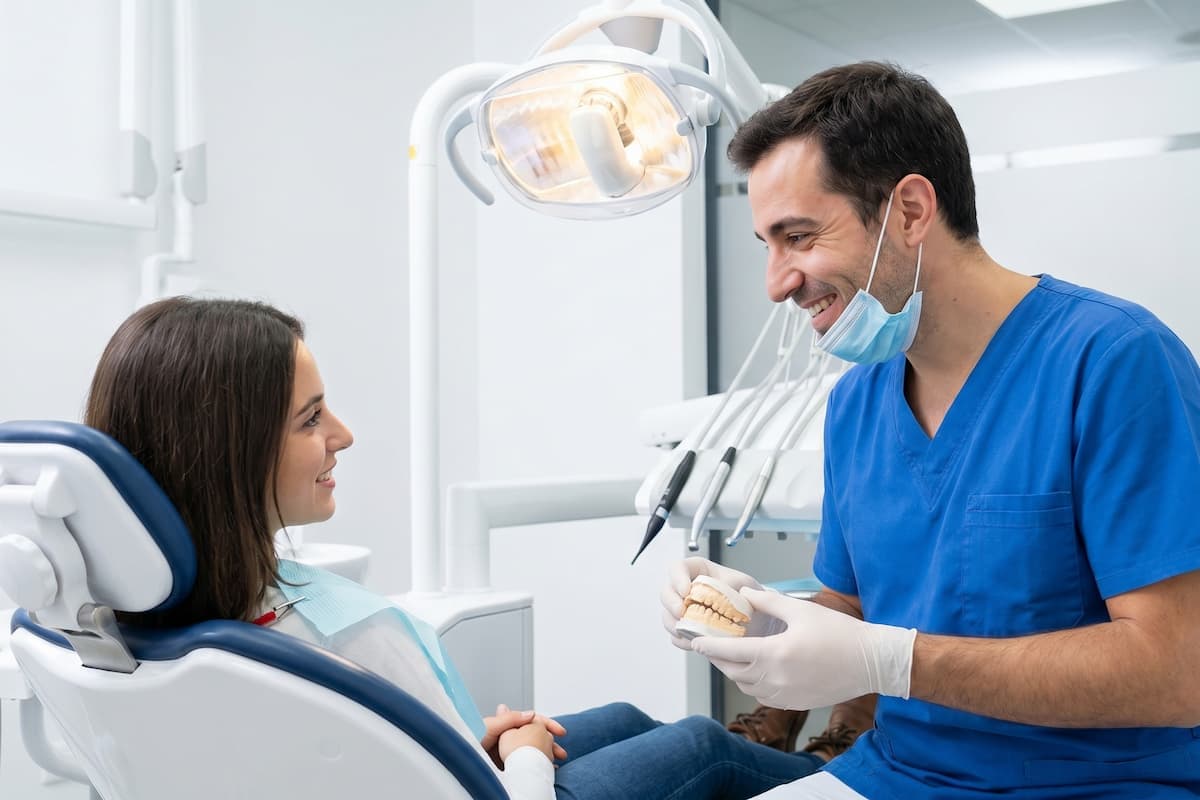
Losing a dental crown can feel unsettling, especially when it happens unexpectedly. Whether your crown came away while eating, became gradually loose over time, or simply fell out without obvious warning, it is understandable to want answers quickly. One of the most common questions patients ask is whether the original crown can be put back — and the honest answer is that it depends.
Reattachment is not always straightforward. Whether a lost dental crown can be safely reused and recemented is something that can only be properly determined through a professional dental assessment, which considers the condition of the crown itself, the state of the underlying tooth, and the overall health of the surrounding area. This article explains what that assessment involves, what factors influence the outcome, and what you should do in the meantime.
What Happens When a Dental Crown Falls Out?
A crown repair scenario guide explains how a dental crown is designed to protect, restore, or improve the appearance of a damaged or weakened tooth. It is typically bonded in place using dental cement, which is designed to hold the restoration securely under the pressures of biting and chewing.
When a crown falls out — often described as a crown fell off tooth experience — the dental cement holding it in place has usually failed, though the underlying reasons can vary considerably. In some cases, the cement simply degrades over time. In others, the tooth beneath may have changed shape due to decay, causing the fit to become less secure. A crack or fracture in the tooth or the crown itself can also contribute to displacement.
The tooth left beneath a dislodged crown is typically the prepared dentine or remaining natural tooth structure. This surface can be sensitive to temperature and pressure, and it is not designed to be left unprotected for extended periods. That is why prompt professional assessment is important — not to promise a specific outcome, but to reduce the risk of further complications.
What a Dentist Assesses Before Considering Reattachment
When you attend a dental practice after a crown has come away, the dentist will carry out a careful examination before deciding whether reattachment is an appropriate option. This is not a simple process of applying new cement and pressing the crown back into position. A number of clinical factors need to be evaluated first.
Condition of the Crown
The crown itself will be examined for signs of damage. If it is cracked, chipped, or warped — which can happen if it has been dropped or chewed on inadvertently — it may no longer be suitable for reuse. A crown that no longer maintains its structural integrity could place stress on the underlying tooth and may not provide reliable long-term protection.
Fit of the Crown
Even if the crown appears intact, it must still fit the prepared tooth accurately. Over time, the underlying tooth can change shape slightly. If there has been any movement in the surrounding teeth, changes to the gum line, or new dental work elsewhere in the mouth, the original crown may no longer sit correctly. A poor fit can allow bacteria and moisture to enter beneath the crown, which can lead to further problems.
Condition of the Underlying Tooth
This is perhaps the most important factor. The dentist will examine the tooth beneath the crown for any signs of tooth decay, fracture, or structural compromise. If the tooth has developed decay since the crown was placed — which is possible, since the margins of a crown are not entirely impervious — the tooth will need to be treated before any restoration can be considered. In some cases, the extent of decay or damage may mean that the existing crown is simply no longer suitable, and a crown treatment consultation becomes appropriate.
Gum Health and Surrounding Tissues
Gum health can also influence the suitability of reattachment. If there has been any change to the gum tissue around the prepared tooth, this could affect the fit of the crown and the ability to achieve a good seal. The dentist will assess whether the gum margins are in a healthy and stable condition.
Occlusion and Bite
How the crown relates to the opposing teeth — what is referred to clinically as occlusion — may also be reviewed. If your bite has changed since the crown was first fitted, the original crown may create uneven pressure when recemented. This is particularly relevant if other dental work has been carried out since the crown was placed.
When the Original Crown May Be Reusable
If the assessment confirms that the crown remains intact, that it still fits the tooth accurately, and that the underlying tooth is healthy and free from decay or fracture, the dentist may consider recementation of the original crown to be clinically appropriate. Current clinical understanding suggests that in straightforward cases where the crown has simply become loose due to cement failure, reattachment using appropriate dental cement can be a practical and effective solution.
However, even in these circumstances, the dentist will use professional judgement to determine whether this is genuinely in the patient's best long-term interest, rather than simply what is most convenient in the short term.
When a Replacement Crown May Be Needed
There are a number of circumstances in which a replacement crown is likely to be the more appropriate clinical option. These include situations where:
• The crown is visibly cracked, broken, or distorted
• The crown no longer fits the tooth due to changes in the underlying structure
• Significant decay has been identified beneath or around the crown margins
• The tooth has fractured or lost substantial structure
• The crown material has deteriorated beyond a point where it can provide reliable protection
• Bite changes mean the original crown would create undue occlusal pressure
A replacement dental crown would typically be fabricated to fit the tooth in its current state, ensuring an accurate fit and a proper seal against bacterial ingress.
What to Do Immediately After Losing a Crown
If your dental crown falls out, there are several practical steps you can take before you are able to see a dentist.
1. Retrieve the crown carefully if it is safe to do so, and rinse it gently with clean water.
2. Store it safely in a clean, dry container — a small resealable bag or an empty pill pot works well. Do not wrap it in tissue, as it may be difficult to unwrap without damaging it.
3. Contact your dental practice to arrange an assessment as soon as reasonably possible. Most practices will prioritise patients who have lost a crown, particularly if the exposed tooth is causing discomfort.
4. Avoid using the exposed tooth for chewing wherever possible, particularly with hard or sticky foods.
5. Be cautious with temperature — the underlying tooth may be sensitive to hot or cold. Avoiding extreme temperatures in food and drink can reduce discomfort while you wait for assessment.
Some patients ask about using temporary dental adhesives available from pharmacies. If a dentist-recommended temporary product is used as a short-term measure only — and with the understanding that it does not replace professional dental care — this may help protect the tooth briefly. However, it is important not to attempt any form of permanent fixing at home, and to avoid using any household glues or adhesives, which are not designed for oral use and could cause harm.
What to Avoid After a Crown Falls Out
Understanding what not to do is just as important as knowing what to do. After losing a crown, you should avoid:
• Eating hard, crunchy, or sticky foods on the affected side, as this could damage the exposed tooth or any temporary protection in place
• Using the tooth to bite or chew more than necessary
• Attempting to reattach the crown yourself using adhesives not intended for dental use
• Ignoring the situation for an extended period — the exposed tooth is vulnerable and prompt assessment helps to prevent further complications
• Probing the exposed tooth unnecessarily with fingers or objects
Reattaching vs Replacing: Understanding the Difference
It can be helpful to understand what distinguishes reattachment from replacement, as these are quite different clinical outcomes.
Neither option is universally better — suitability depends on individual clinical circumstances, which is why assessment is the essential first step.
The Role of Professional Dental Assessment
It is worth emphasising why professional assessment is so important in this situation. What appears to be a straightforward case of a crown simply coming loose can sometimes reveal underlying issues — such as early-stage decay or a hairline fracture — that would not be apparent to a patient examining the crown themselves.
Current UK dental guidance, including standards upheld by the General Dental Council, emphasises that dental examinations should be thorough and tailored to the patient's individual clinical picture. A dentist is trained to evaluate not just the obvious presenting concern but also the wider context of a patient's oral health, which may have a direct bearing on the most appropriate course of action.
For patients registered with an NHS dentist, it is worth contacting your practice to discuss whether this constitutes an urgent appointment. For those seeking private dental care, a prompt assessment appointment can often be arranged quickly, and urgent crown assessment booking is often the fastest route to review.
Protecting Your Oral Health in the Longer Term
Losing a crown can sometimes highlight the importance of regular dental check-ups and good oral hygiene, particularly around crown margins — the edges where the crown meets the gum and tooth structure. Long-term restoration reviews play an important role in monitoring dental restorations, and a dentist can offer guidance on how to care for crowned teeth effectively between appointments.
If you have a loose or sensitive tooth that you are concerned about, or if you have noticed changes around an existing crown before it has become fully dislodged, raising this with a dentist sooner rather than later may help to reduce the likelihood of a more complex situation developing.
When to Seek Professional Advice
You should seek a professional dental assessment after losing a crown if:
• The crown has fallen out entirely
• The crown is loose but still partly in position
• The exposed tooth is causing pain, sensitivity, or discomfort
• You are unsure whether the crown can be safely stored or reused
• You have noticed changes in your bite or surrounding teeth
• You are concerned about the health of the underlying tooth
If you are experiencing significant pain, signs of infection such as swelling or fever, or you are unable to eat or speak comfortably, it is appropriate to contact your dental practice promptly or, if necessary, seek emergency dental advice.
Thinking About Your Next Steps
Losing a dental crown can be worrying, but it is a relatively common occurrence that dentists are experienced in assessing and managing. The key message is this: whether your original crown can be reattached, or whether a new one is required, is something that can only be properly determined after a thorough clinical examination.
If you have recently experienced a crown falling out, storing the crown safely and arranging a professional assessment at a registered dental practice — such as Wimpole Dental — is an appropriate course of action. A dentist will be able to examine both the crown and the underlying tooth, explain your options clearly, provide a written estimate based on the current fee guide, and help you make an informed decision about the next step for your oral health.
Frequently Asked Questions
1. Can the same crown always be used again after it falls out?
Not always. Whether the same crown can be reused depends on several factors assessed at a dental examination, including whether the crown is undamaged, whether it still fits the tooth accurately, and whether the tooth underneath remains healthy and free from decay or structural change. In some cases, a replacement crown may be the more appropriate clinical option.
2. How should I store a lost dental crown before my appointment?
Rinse the crown gently with clean water and place it in a clean, dry, sealable container — a small plastic bag or medicine pot is ideal. Avoid wrapping it in tissue, as fibres can adhere to the crown. Keep it somewhere safe so you can bring it to your appointment for assessment.
3. Can a crown fall out because of decay underneath?
Yes, decay developing beneath or around the margins of a crown can undermine its fit, weakening the bond between the crown and the tooth structure. If decay is identified during assessment, it will need to be treated before any restoration — whether reattachment or replacement — can be considered.
4. Is a temporary dental adhesive safe to use at home?
Some pharmacies stock temporary dental adhesives that may help keep a crown in place as a very short-term measure. If used, choose a product specifically designed for dental use and follow the manufacturer's instructions. These are not a substitute for professional assessment and should not be used as a long-term solution. Household adhesives should never be used inside the mouth.
5. What if the exposed tooth is painful or sensitive after losing a crown?
Some sensitivity to temperature or pressure after losing a crown is not unusual, as the underlying dentine is less well protected than it would be beneath a crown. However, significant or persistent pain could indicate a more complex issue, such as decay or nerve involvement, and warrants prompt professional assessment rather than a wait-and-see approach.
6. How long can I safely wait before having a lost crown assessed?
Whilst it may not always constitute an immediate emergency, it is generally advisable to seek assessment as soon as reasonably possible — ideally within a few days. The exposed tooth is vulnerable to damage and bacterial ingress, and delays can sometimes allow a manageable situation to become more clinically complex.
7. Can a cracked or chipped crown be repaired rather than replaced?
In some circumstances, minor damage to a crown may be amenable to repair depending on the material involved and the nature and location of the damage. However, a significantly cracked, fractured, or structurally compromised crown is generally more likely to require replacement, as repair may not restore the reliability or longevity of the restoration. A dentist can assess the extent of any damage and advise accordingly.
8. Does losing a crown always mean something has gone wrong?
Not necessarily. Dental cement, like all materials, has a lifespan, and crowns can become loose or dislodged over time without any specific failure occurring. However, it is still important to have the situation assessed, as sometimes a displaced crown can indicate an underlying change in the tooth or surrounding tissues that warrants attention.
9. Will a new crown look and feel different from the original?
A replacement crown would be made to fit the tooth in its current state and matched to your surrounding teeth in terms of shape and shade where relevant. Modern crown materials and fabrication methods are designed to provide both functional and aesthetic results, and a dentist will discuss material options and expected outcomes with you before any new crown is made.
10. Is it possible to have a temporary crown while waiting for a permanent replacement?
Yes, in some circumstances a dentist may place a temporary crown or temporary restoration to protect the exposed tooth while a new permanent crown is being fabricated. This helps to reduce sensitivity, protect the tooth structure, and maintain function in the interim period. Your dentist will advise on whether this is appropriate for your specific situation.
--- ---
Dental Disclaimer
This article is for general educational information only and does not replace a personal dental examination. Advice, diagnosis, and treatment decisions should always be based on an assessment by a GDC-registered dental professional. If you have symptoms or concerns, please seek prompt professional dental care.
Written Date: 9 October 2026 | Next Review Date: 9 October 2027
Written by Wimpole Dental Editorial Team · reviewed by Dr Yasha Y Shirazi, GDC 195843
This article is general information, not personal clinical advice. For a diagnosis and a plan tailored to you, book a consultation with a GDC-registered dentist.
Related treatments at our Wimpole Street practice