Oral Rinse for Bleeding Gums: What Helps, What Doesn't, and When to See a Dentist
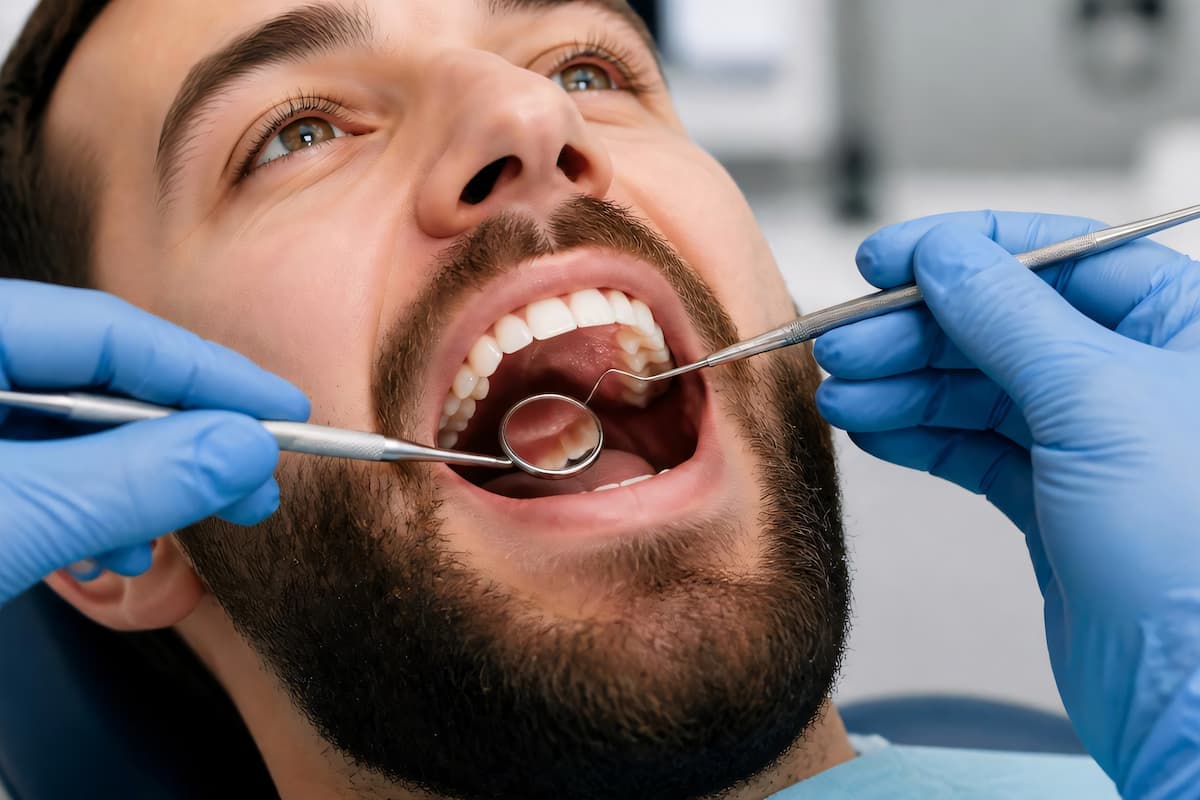
Noticing blood when you brush or spit is understandably unsettling. For many people, the immediate instinct is to reach for a mouthwash — something that feels active and reassuring. But choosing the right oral rinse for bleeding gums is less straightforward than the supermarket shelf might suggest. Not every mouthwash is formulated to support gum health, and for some people, certain rinses may even cause irritation.
This guide explains what mouthwash can realistically do, which ingredients have the most evidence behind them, and — crucially — why an oral rinse should never be a substitute for understanding what is actually causing your gums to bleed.
Why Gums Bleed: Understanding the Cause First
Before selecting any mouthwash, it helps to understand why bleeding occurs. Gums that bleed when brushed or flossed are often responding to plaque — the sticky bacterial film that builds up along and beneath the gumline. When plaque is not removed regularly and thoroughly, the body's immune response causes the gum tissue to become inflamed. This condition, known as gingivitis, is one of the most common causes of bleeding gums in the UK.
Gingivitis is reversible with appropriate oral hygiene, but if left unaddressed, it may progress to periodontitis — a more serious form of gum disease involving the structures that support the teeth. The NHS estimates that gum disease in some form affects the majority of adults in the UK at some point in their lives.
However, bleeding gums are not always caused by plaque and gingivitis alone. Other contributing factors may include:
• Using a toothbrush with excessively hard bristles or applying too much pressure
• Certain medications, including blood thinners and some anticonvulsants
• Hormonal changes during pregnancy or menstruation
• Vitamin deficiencies, particularly vitamin C and vitamin K
• Diabetes, which can affect the body's ability to manage gum infections
• Smoking — paradoxically, smokers may notice less bleeding because nicotine restricts blood flow, which can mask gum disease
Because the causes vary, it would be an oversimplification to suggest that one particular mouthwash resolves bleeding gums. The right approach depends on what is driving the bleeding in the first place.
If you are concerned about persistent gum changes, Wimpole Dental's gum disease treatment page provides an overview of how professional care can support periodontal health.
What an Oral Rinse Can — and Cannot — Do
Mouthwash is a supplement to oral hygiene, not a replacement for it. Used correctly, certain rinses may:
• Reach areas of the mouth that a toothbrush and interdental brush may miss
• Help reduce the bacterial load in the mouth
• Deliver specific active ingredients, such as fluoride or antiseptic agents, to gum tissue
• Support the management of gingivitis-related inflammation when combined with improved brushing technique
What mouthwash is generally not able to do:
• Remove established plaque or tartar — only mechanical cleaning achieves this
• Treat periodontitis or reverse significant gum damage on its own
• Replace interdental cleaning with floss, tape or interdental brushes
• Provide a diagnosis of the cause of bleeding
• Substitute for professional scaling or periodontal treatment
Understanding this distinction matters. Reaching for a mouthwash can feel proactive, and some rinses do offer genuine support. But using one without addressing plaque removal and gum hygiene is rather like using an antiseptic spray on a wound without cleaning it first.
The Difference Between Cosmetic and Therapeutic Mouthwash
Not all rinses are equivalent. In the UK, mouthwashes broadly fall into two categories:
Cosmetic mouthwashes are primarily designed to freshen breath temporarily. They may contain flavouring agents, mild antibacterial components or alcohol, but they are not formulated to clinically address gum inflammation or plaque. They are generally not expected to offer a therapeutic benefit for bleeding gums.
Therapeutic mouthwashes contain active ingredients intended to deliver a specific oral health benefit — such as reducing bacteria, supporting gum tissue health, or delivering fluoride. These are the products more likely to be relevant if your gums are bleeding.
Within therapeutic rinses, there are important sub-categories:
Fluoride Mouthwashes
Fluoride rinses are primarily designed to strengthen enamel and reduce the risk of tooth decay. They are not specifically formulated as a mouthwash for bleeding gums. NHS guidance suggests that children under the age of six should generally avoid fluoride mouthwashes, and that adults who use fluoride toothpaste should avoid rinsing with it immediately after brushing — this dilutes the fluoride concentration left on the teeth. If using a fluoride rinse, it is typically better timed separately, such as after a meal.
Antiseptic Mouthwashes
These are the category most frequently discussed in relation to bleeding gums and gum health. The main antiseptic ingredients you may encounter include:
Chlorhexidine gluconate is one of the most studied antiseptic agents in dentistry. Available in various concentrations (commonly 0.12% to 0.2% in the UK), it reduces oral bacterial populations and has been associated in research with reductions in gingivitis and plaque when used appropriately. It is available in some pharmacies and may sometimes be recommended by dental professionals following certain procedures.
However, chlorhexidine comes with important considerations:
• It is not recommended for prolonged unsupervised use, as extended use may be associated with surface tooth staining, altered taste perception and changes to oral microbiota balance
• It does not distinguish between harmful and beneficial oral bacteria
• The evidence supports its use as a short-term adjunct, not a permanent daily rinse
• Appropriate use should reflect current product instructions and, where relevant, guidance from a dentist or pharmacist
Cetylpyridinium chloride (CPC) is a quaternary ammonium antiseptic found in several over-the-counter mouthwashes. It has antimicrobial properties and a more modest evidence base compared to chlorhexidine. It is generally considered lower risk for staining at typical over-the-counter concentrations, which may make it more suitable for routine use, though individual responses vary.
Essential oil-based rinses — containing combinations such as eucalyptol, menthol, thymol and methyl salicylate — have been studied for their antimicrobial and anti-inflammatory properties. Some research suggests they may contribute to reductions in plaque and gingivitis. They are available over the counter and are used routinely by many adults. Alcohol content in some formulations has historically been a concern; alcohol-free versions are now widely available and may be preferable for people with sensitive gums, dry mouth or those avoiding alcohol for other reasons.
An important point: the presence of a particular ingredient does not mean all products containing it are equivalent. Concentration, formulation, adjunctive ingredients and instructions for use all affect how a rinse performs and whether it is appropriate for a given individual.
Should You Use Mouthwash If Your Gums Are Bleeding?
This is one of the most common questions people ask — and it is a reasonable one. Many people wonder whether adding a rinse to their routine could help, or whether it might worsen things.
In general, using a suitable therapeutic mouthwash is not harmful to bleeding gums. However, certain products may not be appropriate in all circumstances:
• High-alcohol rinses may cause transient stinging or irritation in inflamed gum tissue, though alcohol content alone does not determine whether a product is beneficial or harmful
• Overuse of strong antiseptic rinses may affect the balance of the oral microbiome
• If gums bleed in response to any rinse you use, this warrants a conversation with your dentist or pharmacist rather than simply switching products
The more important question is not whether to use mouthwash but whether you are also improving the mechanical aspects of oral hygiene — brushing technique, frequency and interdental cleaning — that are fundamental to reducing plaque-associated bleeding.
Can Mouthwash Cause Bleeding Gums?
In some circumstances, yes — although this is usually a result of an existing sensitivity or reaction rather than the rinse causing gum disease itself. Possible contributing factors include:
• Irritation from alcohol or other ingredients in people with sensitive or already-inflamed gum tissue
• Allergic reactions to specific ingredients
• Overuse of strong antiseptic formulations disrupting the mucosal barrier over time
If you notice that a particular rinse seems to worsen bleeding, soreness or mouth ulcers, stop using it and seek advice from a dentist or pharmacist before continuing.
What to Look for When Choosing a Mouth Rinse for Bleeding Gums
Rather than searching for a single "best" mouthwash, it is more useful to consider:
Oral-B produces a range of mouthwash products sold in the UK, some of which are marketed for gum health. As with any branded range, individual products vary in their formulation, active ingredients and intended use. Review the product information for the specific formulation you are considering rather than assuming all products in a range are equivalent. If you are uncertain which product is appropriate, a pharmacist or dental professional can advise.
How Mouthwash Fits into Your Daily Oral Hygiene Routine
Current NHS guidance recommends brushing teeth twice daily — last thing at night and at one other time — using a fluoride toothpaste. Mouthwash, where relevant, should complement this routine rather than replace any part of it.
Practical guidance:
• Do not rinse with water immediately after brushing — this removes the concentrated fluoride left by toothpaste
• If using a fluoride mouthwash, use it at a separate time, such as after lunch
• If using a therapeutic antiseptic rinse, follow the specific product instructions for duration and frequency
• Interdental cleaning — using interdental brushes, floss or tape daily — is essential for removing plaque from between teeth where a toothbrush cannot reach
• Do not use mouthwash as a substitute for brushing or interdental cleaning
If you would like guidance on improving your brushing and interdental cleaning technique, Wimpole Dental's oral hygiene advice section may be a helpful starting point.
When Bleeding Gums May Need Professional Assessment
Using a dental mouthwash for bleeding gums may offer some supportive benefit, but it is not a long-term solution if the underlying issue has not been identified or addressed.
You should consider seeking a professional dental assessment if:
• Bleeding continues after two to four weeks of improved oral hygiene
• Bleeding is heavy, frequent or unprovoked (occurring without brushing or flossing)
• You notice other changes alongside bleeding, such as gum recession, swelling, persistent bad breath or loose teeth
• You are pregnant and experiencing significant gum inflammation
• You have a health condition, such as diabetes, that may affect gum health
• You are taking medication that affects bleeding or gum tissue
A dental professional can assess the health of your gums, identify contributing factors, remove tartar from below the gumline — something no mouthwash can achieve — and advise on the most appropriate oral hygiene and treatment strategy for your individual circumstances.
At Wimpole Dental, our team takes a preventive approach to periodontal health, combining thorough clinical assessment with personalised oral hygiene guidance.
A Gentle Reminder About Self-Management
Bleeding gums can feel embarrassing to mention, and it is entirely understandable to want to manage symptoms quietly at home. Mouthwash can form a genuinely useful part of a good oral hygiene routine. But relying on it as the primary response to persistent bleeding may mean that an underlying condition goes unaddressed for longer than necessary.
If your gums bleed regularly, the most useful thing you can do — alongside consistent brushing and interdental cleaning — is to have them assessed. Early intervention for gingivitis is straightforward and effective. Addressing things at a later stage, when gum disease may have progressed, requires more involved care.
Frequently Asked Questions
Is it safe to use mouthwash every day if my gums are bleeding?
For most adults, using a suitable over-the-counter therapeutic rinse daily as directed is generally considered safe. However, prolonged use of strong antiseptic rinses — particularly those containing chlorhexidine — is not recommended without professional guidance, as extended unsupervised use may cause tooth staining or alter the balance of the oral microbiome. If in doubt, ask your dentist or pharmacist which product and frequency is appropriate for you.
Does mouthwash actually reach below the gumline where gum disease starts?
Most mouthwashes penetrate only a limited distance below the gumline. While they may help reduce the number of bacteria at and just beneath the gumline, they are not able to remove the calcified plaque deposits (tartar) that form below the gumline and contribute to gum disease progression. Professional scaling by a dental hygienist or dentist is required for that.
Should I use mouthwash before or after brushing?
This depends on the type of rinse and the product instructions. If you are using a fluoride mouthwash, it is generally advisable to use it at a separate time from brushing — for example, after a meal — to avoid rinsing away the fluoride left by toothpaste. Antiseptic rinses can usually be used after brushing, but always follow the individual product's instructions.
Can hormonal changes make gums bleed even if my oral hygiene is good?
Yes, hormonal changes — particularly during pregnancy, menstruation or as a result of certain hormonal contraceptives — can make gum tissue more sensitive and prone to inflammation in the presence of even relatively small amounts of plaque. This is sometimes called pregnancy gingivitis. Maintaining excellent oral hygiene and attending regular dental check-ups is particularly important during these periods. A dental professional can assess whether gum changes are hormonally influenced or have other contributing factors.
Are alcohol-free mouthwashes always better for sensitive gums?
Alcohol-free formulations are often recommended for people with sensitive, inflamed or dry mouth conditions, as alcohol can cause a transient burning sensation in already-irritated tissue. However, whether an alcohol-free rinse is more effective than an alcohol-containing one for gum health depends on the other active ingredients and the individual's circumstances. Alcohol content is one factor to consider alongside the active ingredient, concentration and intended use.
Is it possible that my mouthwash is masking bad breath caused by gum disease rather than treating it?
This is an important distinction. Persistent bad breath (halitosis) can be associated with bacterial activity related to gum disease. A cosmetic or breath-freshening rinse may temporarily mask odour without addressing its cause. If bad breath persists despite good oral hygiene, this may be an indication that gum disease or another oral health issue warrants professional assessment.
My dentist recommended chlorhexidine after a procedure. Can I use it long-term for bleeding gums?
Chlorhexidine is sometimes recommended by dental professionals for short-term use in specific clinical contexts — for example, following periodontal treatment, extractions or surgery. It is not generally intended for prolonged unsupervised daily use. If you are considering using it routinely for gum health, discuss this with your dentist or pharmacist first, as short-term adjunct use differs from ongoing self-directed use.
Can children use mouthwash if their gums bleed?
NHS guidance generally advises that children under six should not use mouthwash. For older children, only age-appropriate products should be used, and parental supervision is recommended. Bleeding gums in children should be discussed with a dentist to identify the cause and appropriate management, rather than addressed with an adult therapeutic rinse.
Does using a mouthwash mean I can floss less frequently?
No. Interdental cleaning — using floss, tape or interdental brushes — removes plaque from between the teeth in a way that mouthwash cannot replicate. Reducing or stopping interdental cleaning because you are using a mouthwash is likely to allow plaque to accumulate in precisely the areas where gingivitis-related bleeding often originates.
Disclaimer
This article is for educational purposes only and is not a substitute for professional dental advice, diagnosis or treatment. Individual symptoms vary, so seek an in-person assessment from a qualified clinician when needed.
Written Date: 26 October 2026 | Next Review Date: 26 October 2027
Written by Wimpole Dental Editorial Team · reviewed by Wimpole Dental Clinical Team
This article is general information, not personal clinical advice. For a diagnosis and a plan tailored to you, book a consultation with a GDC-registered dentist.
Related treatments at our Wimpole Street practice