ProAligner Clear Aligners: The Ultimate Patient Guide
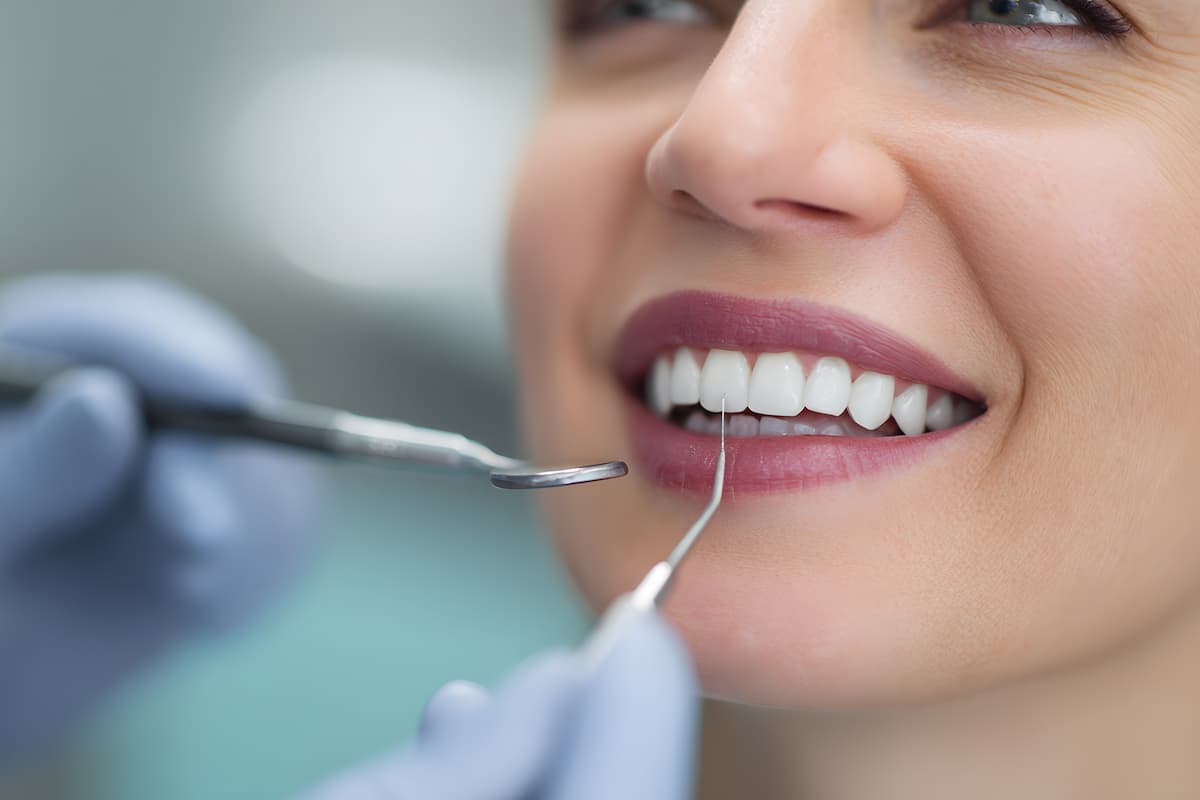
If you are researching teeth straightening options, you have likely come across clear aligners — removable, virtually invisible trays that gradually reposition teeth without the need for fixed metal brackets or wires. ProAligner clear aligners are one of the branded clear aligner systems available from trained dental professionals in the UK, offering a discreet approach to orthodontic treatment for suitable patients at a wimpole st dental clinic.
This guide explains what ProAligner clear aligners are, how clear aligner treatment works, what the treatment journey typically involves, who may be suitable, what patients are responsible for, and what to consider before making a decision. It is written to help you ask better questions at a consultation — not to replace one.
What Are ProAligner Clear Aligners?
ProAligner clear aligners are a branded system of custom-made, removable orthodontic trays designed to move teeth gradually into a more aligned position. Like other clear aligner systems, they use a series of precisely shaped trays worn in sequence. Each tray applies gentle, controlled pressure to specific teeth, encouraging gradual tooth movement over the course of treatment. Suitability depends on individual clinical assessment.
ProAligner is a clear aligner brand available through dental professionals who have completed the required clinical training. As with all clear aligner systems, the trays are made from a smooth, transparent plastic material and are designed to fit closely over the teeth. They are removable, meaning patients can take them out for eating, drinking (anything other than water) and cleaning their teeth. Patients comparing plans often review ProAligner service details before committing.
Because ProAligner is a branded system, not all claims about clear aligners in general automatically apply to ProAligner specifically. Where information in this article refers to general clear aligner technology, it is labelled as such.
How Do Clear Aligners Move Teeth?
Understanding how clear aligners work helps patients make sense of the treatment process and their own responsibilities during it.
Clear aligners move teeth through the same fundamental biological process as fixed braces — controlled, sustained pressure on specific teeth causes gradual bone remodelling around the tooth root, allowing the tooth to shift position incrementally. The difference lies in how that force is applied.
Each aligner tray in a series is designed with very slight positional differences from the previous one. When worn as directed, the tray exerts gentle pressure on targeted teeth, encouraging them to move towards the next planned position. After a set period — typically determined by the treating clinician — patients progress to the next tray in the sequence.
This process continues through the full series of aligners until the planned tooth positions are achieved. The number of trays needed varies significantly between patients, depending on the complexity of tooth movement required.
The ProAligner Treatment Journey
While the precise details of a ProAligner treatment pathway will be explained by your dental professional during consultation, the general clear aligner treatment process typically follows a recognised series of stages.
Initial Consultation and Dental Assessment
Before any clear aligner treatment can begin, a thorough pre-aligner dental assessment is essential. Current UK dental guidance emphasises that orthodontic treatment should only be provided once a patient's oral health has been assessed and, where necessary, stabilised. This means any existing decay, gum disease or other dental concerns would generally need to be addressed before teeth straightening begins.
At a consultation, your dentist or orthodontist will assess your teeth, gums, bite and overall oral health to determine whether clear aligner treatment may be appropriate for your individual circumstances. This may include digital photographs, X-rays and, increasingly, digital intraoral scans.
Digital Scanning and Treatment Planning
Clear aligner treatment relies on digital technology to plan tooth movement accurately. An intraoral scanner is used to create a precise three-dimensional model of your teeth. This digital record forms the basis for your custom treatment plan, allowing the clinician to map out the planned movement of each tooth across the full series of aligners.
Some systems use this digital model to generate a simulation showing projected tooth movement — though it is important to understand that these simulations represent a planned treatment pathway, not a guaranteed clinical outcome.
Receiving Your Aligners
Once your custom aligners have been manufactured, you will attend a fitting appointment. Your dentist will check that the first aligner fits correctly, explain the wear schedule and address any initial questions. At this stage, small tooth-coloured attachments may be bonded to certain teeth if required to help the aligners grip and exert more precise force on specific teeth. Not all patients require attachments.
Wearing Your Aligners and Progress Appointments
Clear aligners are only effective when worn consistently. Most clear aligner systems, including branded systems such as ProAligner, are designed to be worn for a significant portion of each day — typically guidance indicates around 20 to 22 hours per day, though patients should follow their individual clinician's instructions precisely.
Progress appointments allow your dentist to monitor tooth movement, assess whether treatment is progressing as planned and address any concerns. These appointments are an important part of the treatment process and should not be skipped.
Who May Be Suitable for Clear Aligner Treatment?
Clear aligners are not suitable for everyone. Suitability depends on a range of clinical factors that only a qualified dental professional can assess properly, including:
• The nature and complexity of the tooth movement required
• Bite alignment and jaw relationship
• Gum health and bone support, sometimes requiring periodontal stabilisation first
• Existing dental restorations (such as crowns or bridges)
• The patient's oral hygiene standards
• The patient's commitment to wearing aligners consistently
• Age (clear aligners are generally considered more appropriate for adults and older teenagers whose dental development is complete)
• Whether any other dental treatment is needed first
Clear aligners may be particularly well suited to patients with mild to moderate alignment concerns, spacing issues or crowding where the required tooth movement falls within the scope of what aligners can reliably achieve. More complex bite issues or significant skeletal problems may require alternative or combined orthodontic approaches.
Only a clinical assessment can determine whether ProAligner clear aligners — or any clear aligner system — are appropriate for an individual patient.
How Long Does Clear Aligner Treatment Take?
Treatment duration varies considerably between patients and cannot be stated as a fixed timeframe. Factors that influence how long treatment takes include:
• The complexity and extent of tooth movement needed
• How consistently aligners are worn
• Whether refinements are required
• How the patient's teeth respond to treatment
• The number of aligners in the prescribed series
Patients should approach published average treatment times as approximate guidance only, not as a commitment. Refinement aligners — additional trays used to fine-tune tooth position if teeth have not moved exactly as planned — may extend the overall treatment duration.
Benefits Commonly Associated with Clear Aligner Treatment
• Discreet appearance: Clear aligners are far less visible than traditional metal braces, which many patients find preferable socially and professionally
• Removability: Being able to remove aligners for meals means fewer dietary restrictions compared with fixed braces
• Oral hygiene: Removing aligners allows patients to brush and floss normally, which can support better oral hygiene during treatment
• Comfort: The smooth plastic material of aligners generally causes less soft tissue irritation than metal brackets and wires, though some discomfort when transitioning to a new tray is common
Limitations and Practical Considerations
• Compliance is essential: Unlike fixed braces, clear aligners rely entirely on the patient wearing them consistently. Insufficient wear time can slow treatment, reduce effectiveness or produce results that differ from the treatment plan
• Not suitable for all cases: Complex tooth movement, significant bite correction or certain dental conditions may not be manageable with clear aligners alone
• Speech adjustment: Some patients notice a temporary change to their speech when they first wear aligners; this typically resolves with practice
• Tray discipline: Aligners must be removed before eating and drinking anything other than still water, cleaned regularly and stored safely when not in use
• Attachments: Some patients require attachments bonded to their teeth, which are visible and can affect the appearance of the aligners during treatment
Oral Hygiene During Treatment
Maintaining excellent oral hygiene throughout clear aligner treatment is important. Because aligners fit closely over the teeth, any food or bacteria trapped between the tray and the tooth surface can increase the risk of decay or gum irritation. Patients should:
• Clean aligners gently with a soft brush and cool water as directed by their clinician
• Brush and floss teeth thoroughly before reinserting aligners after meals
• Attend regular dental hygiene appointments during treatment
Good gum health is a prerequisite for safe tooth movement. If gum health deteriorates during treatment, the clinician may need to pause or adjust the treatment plan.
Potential Risks and Practical Considerations
As with all dental and orthodontic treatment, clear aligner treatment carries some risks and practical considerations that patients should be aware of before starting:
• Root resorption: A degree of root shortening can occur with any orthodontic tooth movement; significant resorption is uncommon but is a recognised risk
• Relapse: Teeth can move back towards their original position after treatment if retainers are not worn as prescribed — this is not unique to clear aligners
• Temporomandibular joint (TMJ) discomfort: Some patients report jaw discomfort during orthodontic treatment
• Sensitivity: Tooth sensitivity when transitioning to a new aligner is common and usually temporary
• Unexpected outcomes: Treatment outcomes cannot be guaranteed; clinical results depend on many biological and compliance-related variables
Patients are encouraged to raise any concerns with their treating clinician promptly rather than waiting for a scheduled review appointment.
Cost Considerations for ProAligner Treatment
The cost of ProAligner clear aligner treatment will vary depending on the treating practice, the complexity of the case, the number of aligners required and what is included in the treatment package (such as consultations, refinements and retainers). Clear aligner treatment in the UK is provided privately, as it is not available on the NHS for adults.
General UK clear aligner treatment costs vary widely across the market. Patients should request a detailed written treatment plan and cost breakdown before committing, and confirm exactly what is included — for example, whether retention is included in the quoted price or charged separately.
If cost is a significant factor, many private dental practices offer payment plan options. Patients should seek clarity on any finance arrangements before proceeding.
What Happens After Treatment? Retainers and Long-Term Retention
Completing your aligner series is not the end of the process. One of the most important aspects of any orthodontic treatment — including clear aligners — is long-term retention.
Teeth have a natural tendency to shift back towards their original positions after treatment, a process known as relapse. Retainers are orthodontic devices worn after treatment specifically to hold teeth in their new positions while the supporting bone and tissues stabilise.
Retainers are typically provided in one of two forms:
• Removable retainers: Clear retainer trays worn at night (or as directed)
• Fixed retainers: A thin wire bonded to the back of the teeth, often planned as bonded retention support
Current clinical understanding indicates that some form of long-term retention is necessary following all orthodontic treatment. Patients should clarify retainer provision and ongoing wear expectations before starting treatment, as retainer wear may be required indefinitely to protect the result.
Clear Aligners Versus Fixed Braces: A Practical Comparison
Neither system is universally superior; suitability depends entirely on the individual patient's clinical needs and preferences.
Questions to Ask Before Starting Clear Aligner Treatment
Before committing to any clear aligner treatment, consider asking your dental professional:
1. Am I clinically suitable for clear aligners, and why?
2. What is included in the quoted treatment cost?
3. How many aligners are estimated for my case, and how might this change?
4. What happens if my treatment does not progress as planned?
5. Are refinements included, and at what cost if not?
6. What type of retainer will I need, and for how long?
7. How often will I need review appointments?
8. What are the risks specific to my situation?
Frequently Asked Questions
1. Can I eat and drink normally with ProAligner clear aligners?
Clear aligners should be removed before eating and before drinking anything other than still water. Eating with aligners in can damage the trays and trap food against the teeth. Patients should rinse or brush their teeth before reinserting aligners after meals or drinks.
2. Will clear aligners affect my speech?
Some patients notice a slight lisp or change in speech when they first start wearing aligners. For most people, this adjusts naturally within a few days as the tongue adapts to the trays. If speech changes persist or are significant, it is worth mentioning to your clinician.
3. What happens if I lose or damage an aligner?
If an aligner is lost or damaged, patients should contact their dental practice promptly. Depending on the stage of treatment, the clinician may advise wearing the previous tray, moving to the next tray or ordering a replacement. Acting quickly helps avoid disruption to the treatment plan.
4. Do I need to wear retainers forever after clear aligner treatment?
Long-term retainer wear is generally recommended following all orthodontic treatment to prevent teeth from shifting back. Many patients wear removable retainers nightly on an ongoing basis. The specific recommendation will depend on individual clinical factors and should be discussed with your treating clinician.
5. Are clear aligners painful?
Clear aligners are not typically described as painful, though patients commonly experience a sensation of pressure or mild discomfort for a day or two after progressing to a new tray. Over-the-counter pain relief is sufficient for most patients if needed. Persistent or unusual pain should be reported to the treating clinician.
6. What are attachments, and will I need them?
Attachments are small, tooth-coloured bumps bonded to specific teeth to help the aligner grip and apply more precise forces. Not all patients require them. Whether attachments are needed depends on the type of tooth movement planned for your case, which your clinician will assess during treatment planning.
7. Can clear aligners treat all orthodontic problems?
No. Clear aligners are generally well suited to mild to moderate alignment concerns, spacing and crowding. Significant bite discrepancies, skeletal issues or very complex tooth movements may exceed what clear aligners alone can reliably achieve. In some cases, a combination of clear aligners and other orthodontic approaches may be recommended, or fixed braces may be more appropriate.
8. What is interproximal reduction, and might I need it?
Interproximal reduction (IPR) involves carefully removing tiny amounts of enamel from between specific teeth to create space for tooth movement. It is a recognised element of some clear aligner treatment plans. Not all patients require it, and it should be explained clearly in any treatment plan before treatment begins.
9. How do I clean my aligners?
Aligners should be cleaned gently with a soft toothbrush and cool water. Avoid hot water, which can distort the plastic. Specialised aligner cleaning products are available. Your clinician will provide specific guidance based on the aligner system being used.
10. What if my teeth are not responding to treatment as expected?
If teeth are not moving as planned, your clinician may adjust the treatment approach, prescribe refinement aligners or recommend a different course of action. This is why progress appointments matter — they allow the clinician to identify and respond to any changes in the treatment pathway early.
Dental Disclaimer
This article is for general information only and does not replace personalised dental or orthodontic advice. Clear aligner suitability and expected outcomes must be confirmed through an in-person clinical assessment by a GDC-registered professional. Treatment carries risks and depends on compliance, so seek tailored advice before starting any orthodontic plan.
Written Date: 23 September 2026 · Next Review Date: 23 September 2027
Written by Wimpole Dental Editorial Team · reviewed by Wimpole Dental Clinical Team
This article is general information, not personal clinical advice. For a diagnosis and a plan tailored to you, book a consultation with a GDC-registered dentist.
Related treatments at our Wimpole Street practice