Uneven Teeth: Causes, Treatment Options and What Helps
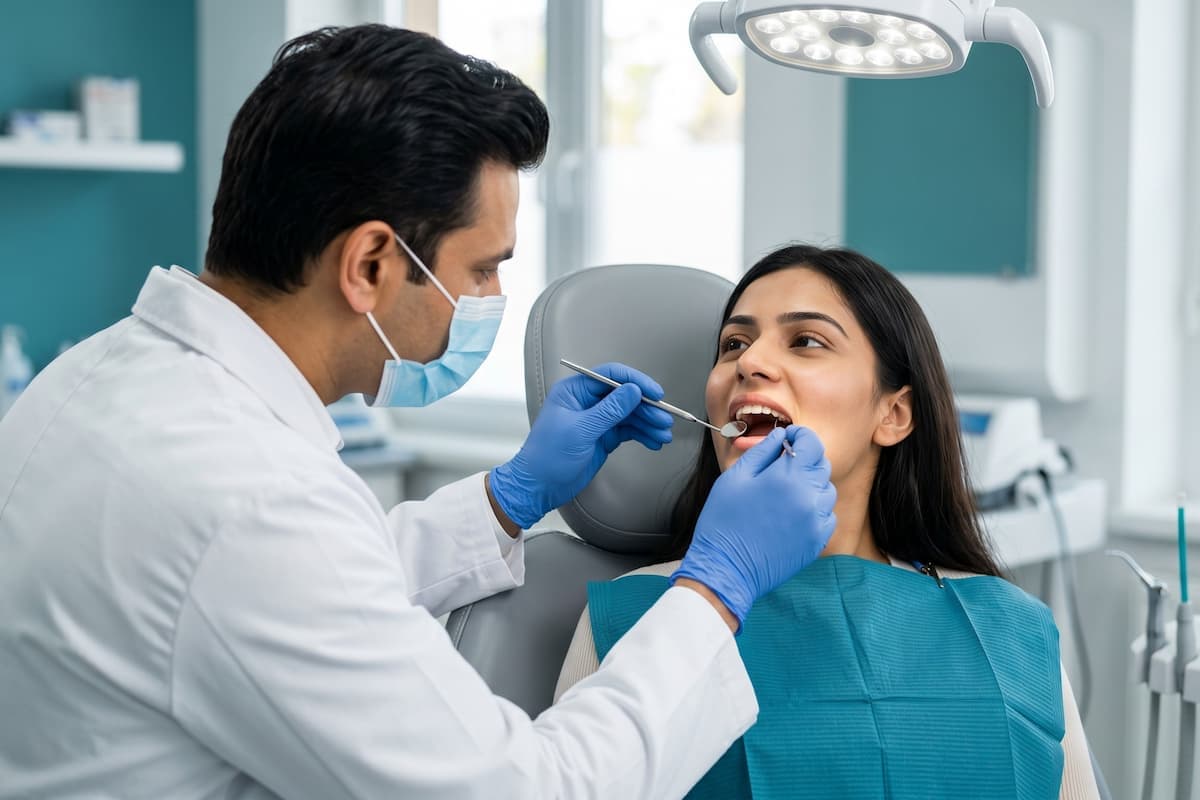
Uneven teeth are one of the most common concerns raised in dental consultations — yet the phrase itself covers a surprisingly wide range of different issues. For some people, it refers to teeth that appear different lengths. For others, it is a difference in shape, colour, or the way teeth sit in relation to one another. Some people notice an uneven bite; others are simply aware that their smile does not look quite symmetrical.
Understanding what is actually causing your teeth to look or feel uneven matters a great deal — because the cause determines what, if anything, can be done about it. Not every form of unevenness is a dental problem, and not every concern requires treatment. This article explains the different types of unevenness, what commonly causes them, and how a dentist may approach each situation.
Can Uneven Teeth Be Fixed?
Whether uneven teeth can be corrected depends on the underlying cause. Differences in tooth shape, length or colour may be addressed with options such as dental bonding, contouring or veneers. Alignment problems may respond to orthodontic treatment. Some natural variation in tooth appearance requires no intervention at all. A clinical assessment is needed to determine what, if anything, is appropriate.
What Does "Uneven Teeth" Actually Mean?
The term covers several distinct situations, and it is worth separating them clearly:
• Uneven tooth shape — one or more teeth appear differently shaped to their neighbours
• Uneven tooth length — teeth appear shorter, longer or at different heights along the gum line
• Uneven tooth colour — teeth vary in shade, with some appearing darker, more yellow or more translucent than others
• Uneven alignment — teeth are crowded, rotated, spaced or angled differently
• Uneven bite — the upper and lower teeth do not meet evenly or comfortably
• Gum-line differences — the gum sits at different heights across different teeth, affecting perceived tooth length
Each of these has different causes and, where treatment is appropriate, different solutions. Treating them as a single problem — "crooked or misaligned teeth" — misses the clinical picture.
Natural Variation During Development
Human teeth are not perfectly uniform, and some degree of variation in shape, length and shade is entirely normal. The way teeth form during childhood and adolescence, the size of the jaw relative to the teeth, and individual genetic factors all contribute to natural differences in appearance. Many people with teeth they perceive as uneven have healthy dentition that simply reflects natural anatomy.
Tooth Wear
Gradual wear of the tooth surface is one of the most common causes of teeth appearing uneven in adults. As enamel wears down — through a combination of chewing, dietary acid or tooth grinding (bruxism) — teeth can become shorter, flatter or uneven at the biting edges. Current clinical understanding indicates that tooth wear is increasingly recognised as a significant concern in UK adults, with dietary habits and stress-related grinding both contributing factors.
If the teeth have worn unevenly — for example, because grinding is more pronounced on one side — this can create a noticeable difference in tooth length and affect the bite over time. What causes teeth grinding at night is a topic worth exploring if you notice your teeth have become shorter or more jagged at the edges.
Chipped or Damaged Teeth
A chip, fracture or piece of enamel breaking away can change the shape or length of a single tooth, making it appear noticeably different to those around it. This is a structural change rather than an alignment issue, and the appropriate response depends on the extent of the damage and where it occurs.
Crowding and Spacing
When teeth are crowded — meaning there is insufficient space in the jaw for all teeth to sit neatly — they may rotate, tilt or overlap. This is a common cause of what many people describe as crooked or uneven-looking teeth. Spacing, where gaps exist between teeth, can similarly create an uneven appearance. Both crowding and spacing are orthodontic concerns rather than cosmetic-only ones, since they can affect bite function and oral hygiene.
Gum Recession or Asymmetry
The position of the gum line plays a significant role in how teeth appear. If the gum has receded more on one side, or if there is a natural asymmetry in gum height, teeth can appear to be different lengths even when the teeth themselves are structurally similar. Gum recession is worth discussing with a dentist, as it can have implications beyond aesthetics.
Previous Dental Treatment
Older fillings, crowns, or dental work that has aged or changed in colour over time may make one tooth look different to its neighbours. Similarly, a tooth that has had root canal treatment may gradually darken, creating a colour difference that stands out against surrounding teeth.
Developmental Differences
Occasionally, teeth develop in ways that are clinically distinct — for example, peg-shaped lateral incisors (unusually small or cone-shaped teeth adjacent to the front teeth) are a recognised developmental variation. Some teeth may be congenitally absent, leading to gaps or drifting of adjacent teeth.
Uneven Tooth Shape and Length: What May Help
Where differences in tooth shape or length are caused by minor chips, wear, or natural variation, a dentist may consider several approaches depending on the cause and extent of the concern.
Dental bonding involves applying a tooth-coloured composite resin to add shape, length or bulk to a tooth. It is a relatively conservative option that preserves natural tooth structure and can address minor shape or length discrepancies. Results depend on the degree of change required and the material's durability over time. Dental bonding is commonly considered for chips, small gaps or minor shape differences.
Tooth contouring (also called enameloplasty) involves carefully reshaping the enamel surface to smooth rough edges, reduce sharp points or create a more even profile. It is appropriate only where minimal enamel removal is sufficient and where tooth structure allows it.
Porcelain veneers are thin shells of ceramic bonded to the front surface of teeth. They can address more significant differences in shape, length or appearance, and are often considered where bonding alone would not provide a lasting result. Veneers require careful assessment of the underlying teeth, bite and gum health before being considered appropriate.
Where tooth wear is the cause, addressing the underlying habit is an important part of any treatment plan, to prevent further wear regardless of which restorative approach is chosen.
Uneven Alignment: When Orthodontic Treatment May Be Considered
Where crowding, spacing, rotation or tilting of teeth is the cause of an uneven appearance, orthodontic treatment may be appropriate. Braces for uneven teeth — whether traditional fixed braces or removable clear aligners — work by gradually moving teeth into improved positions over time.
The suitability of orthodontic treatment depends on several factors: the nature and severity of the misalignment, the health of the teeth and supporting bone, the patient's age and jaw development, and individual clinical circumstances. Not all cases of uneven alignment require or benefit from orthodontic intervention, and a thorough assessment is essential before any decision is made.
For those asking how to fix uneven teeth without braces, it is worth understanding that this depends entirely on the cause. If the underlying issue is alignment, cosmetic options such as veneers may improve appearance without moving the teeth — but they do not address any functional concerns. A dentist can advise on whether a cosmetic approach, an orthodontic approach, or a combination is appropriate in individual circumstances.
Uneven Tooth Colour: What Whitening Can and Cannot Do
Tooth colour is a separate concern from tooth shape or alignment, and it is worth addressing clearly.
Teeth whitening — whether professional whitening carried out in a dental practice or at-home whitening under dental supervision — can reduce the shade of natural tooth enamel. It does not change tooth shape, position or length. If your teeth appear uneven because of colour variation between individual teeth, whitening may reduce overall yellowness but will not correct structural or alignment differences.
There are also important limitations to be aware of:
• Whitening does not affect dental restorations such as crowns, veneers or composite bonding, which may create or worsen colour differences after treatment
• Teeth that appear darker because of internal discolouration (for example, following root canal treatment) may not respond to standard external whitening
• Whitening strips available over the counter in the UK must comply with regulations on peroxide concentration, and their results vary considerably
Current UK dental guidance, including information from the GDC, recommends that tooth whitening should only be carried out by, or under the supervision of, a registered dental professional. This is both a safety and a regulatory requirement.
If uneven tooth colour is a concern, a dental examination can help identify its cause and whether whitening, bonding or another approach is appropriate.
When Uneven Teeth Affect the Bite
The bite — the way upper and lower teeth meet — can be affected by uneven teeth in certain circumstances. Where crowding, rotation, wear or structural changes mean that teeth do not close together evenly, this may place uneven stress on particular teeth, the jaw joints (temporomandibular joints) or surrounding muscles.
Bite-related concerns can sometimes cause symptoms such as jaw discomfort, headaches, difficulty chewing or tooth sensitivity. If you notice any of these alongside an uneven appearance, it is worth raising them with a dentist. Bite assessment — evaluating what is called occlusion — is a standard part of a thorough dental examination and may influence which treatment approach, if any, is considered appropriate.
Are Uneven Teeth Something to Be Concerned About?
Not all variation in tooth appearance is clinically significant, and it is important not to assume that natural tooth differences require correction. Many people have slight asymmetries in tooth shape, length or shade that are entirely consistent with healthy dentition and normal anatomical variation.
That said, some forms of unevenness — particularly those related to wear, damage or bite problems — may benefit from monitoring or, where clinically indicated, intervention to prevent further changes. The key distinction is between variation that is stable and harmless, and changes that are progressing or causing functional concerns.
A routine dental examination remains the most reliable way to distinguish between the two.
Why the Underlying Cause Determines the Appropriate Approach
One of the most important messages in this area is that "uneven teeth" is not a single diagnosis — and therefore has no single solution. A tooth that looks short because of wear needs a different approach to a tooth that looks short because of gum recession. A smile that looks uneven because of colour differences requires different consideration to one affected by crowding.
Seeking an assessment from a registered dental professional — one who can evaluate tooth structure, alignment, bite, gum health and overall oral health together — is the most reliable starting point for understanding what is causing your teeth to look or feel uneven, and whether any action is warranted.
Thinking About Your Teeth? A Note on Next Steps
If you have concerns about the appearance or function of your teeth — whether related to shape, length, colour, alignment or bite — a private dental examination can provide a clear and individual picture of what is happening and what options may be appropriate. There is no single answer that applies to everyone, and informed decisions start with accurate information about your own dental health, so you can contact our dental team when you feel ready.
Frequently Asked Questions
Are uneven teeth normal?
Yes, a degree of variation in tooth shape, size and shade is entirely normal and affects most people to some extent. Human teeth are not perfectly symmetrical, and what may seem noticeably uneven to one person may be within the range of healthy, natural tooth anatomy. A dentist can assess whether any variation is clinically relevant.
Will uneven teeth get worse over time?
This depends on the cause. Natural variation typically remains stable. Tooth wear, however, can progress over time — particularly if underlying habits such as grinding are not addressed. Changes caused by gum recession may also continue if gum health is not managed. Regular dental check-ups allow any progression to be identified early.
Can a single uneven tooth be treated without affecting the others?
In many cases, yes. If one tooth is chipped, worn or shaped differently to its neighbours, options such as dental bonding or contouring may address that tooth specifically. Whether treating a single tooth is the most appropriate approach depends on the cause and on how that tooth relates to the overall bite and surrounding teeth.
Do whitening strips work on uneven-coloured teeth?
Over-the-counter whitening strips, where legally sold in the UK, contain low concentrations of whitening agent. They may reduce overall tooth shade but are unlikely to resolve significant colour differences between individual teeth. Strips also cannot change tooth shape or alignment. For noticeable colour unevenness, professional assessment is advisable before using whitening products.
Is it possible to change uneven tooth length without veneers?
Yes, in some cases. Dental bonding can add length to a shorter tooth using composite resin, and this is a more conservative option than veneers as it does not require removal of existing tooth structure. Tooth contouring can reduce the length of slightly longer teeth. The most appropriate approach depends on how much change is needed and the condition of the existing teeth.
Can orthodontic treatment fix all types of uneven teeth?
Orthodontic treatment addresses alignment — the position of teeth in the jaw. It is appropriate where crowding, spacing, rotation or tilting is causing unevenness, but it does not correct differences in tooth shape, colour or surface texture. For some people, a combination of orthodontic treatment and cosmetic dentistry may be considered, depending on individual circumstances.
Does an uneven bite always need treatment?
Not necessarily. Many people have minor bite discrepancies that are stable and cause no symptoms. Where an uneven bite is causing discomfort, wear, jaw problems or difficulty chewing, treatment may be worth discussing. The appropriate approach — which might include orthodontic treatment, bite adjustment or a protective appliance — depends on the specific nature of the problem.
Can gum treatment help teeth that look uneven because of gum differences?
In some cases, yes. Where the gum line is uneven across different teeth, a procedure called crown lengthening or gum contouring may be considered — but only where clinically appropriate and after careful assessment of gum health and bone levels. This is a clinical decision that should be discussed with a dental professional who has assessed the gum tissue thoroughly.
How long do cosmetic treatments for uneven teeth last?
Longevity varies by treatment. Composite bonding may last several years before requiring touch-ups or replacement, depending on the location, bite forces and oral hygiene. Porcelain veneers typically last longer with appropriate care. No cosmetic dental treatment is permanent, and results depend on individual factors including wear habits and oral hygiene.
Should I see a dentist or a specialist about uneven teeth?
For most people, a general or private dentist is the appropriate starting point. They can assess the cause of the unevenness, identify any functional concerns and discuss options or refer to a specialist — such as an orthodontist or restorative dentist — where the situation warrants it. The GDC maintains a public register of dental professionals and their specialties.
Dental Disclaimer
This article is for educational information only and is not a substitute for professional dental advice. Causes of uneven teeth vary, and suitable options depend on clinical findings from an in-person assessment. Nothing here is a diagnosis, guaranteed outcome, or personalised treatment recommendation. If you are concerned about your teeth, seek advice from a qualified dental professional.
Written Date: 25 September 2026 | Next Review Date: 25 September 2027
Written by Wimpole Dental Editorial Team · reviewed by Wimpole Dental Clinical Team
This article is general information, not personal clinical advice. For a diagnosis and a plan tailored to you, book a consultation with a GDC-registered dentist.
Related treatments at our Wimpole Street practice