What To Expect During A Private Dental Examination
Introduction
Many people feel uncertain before attending a dental appointment, particularly if it has been some time since their last visit, or if they are considering switching to a private dental practice for the first time. Questions such as "What will they actually check?", "Will it be uncomfortable?", and "How long will it take?" are entirely understandable — and very commonly searched online.
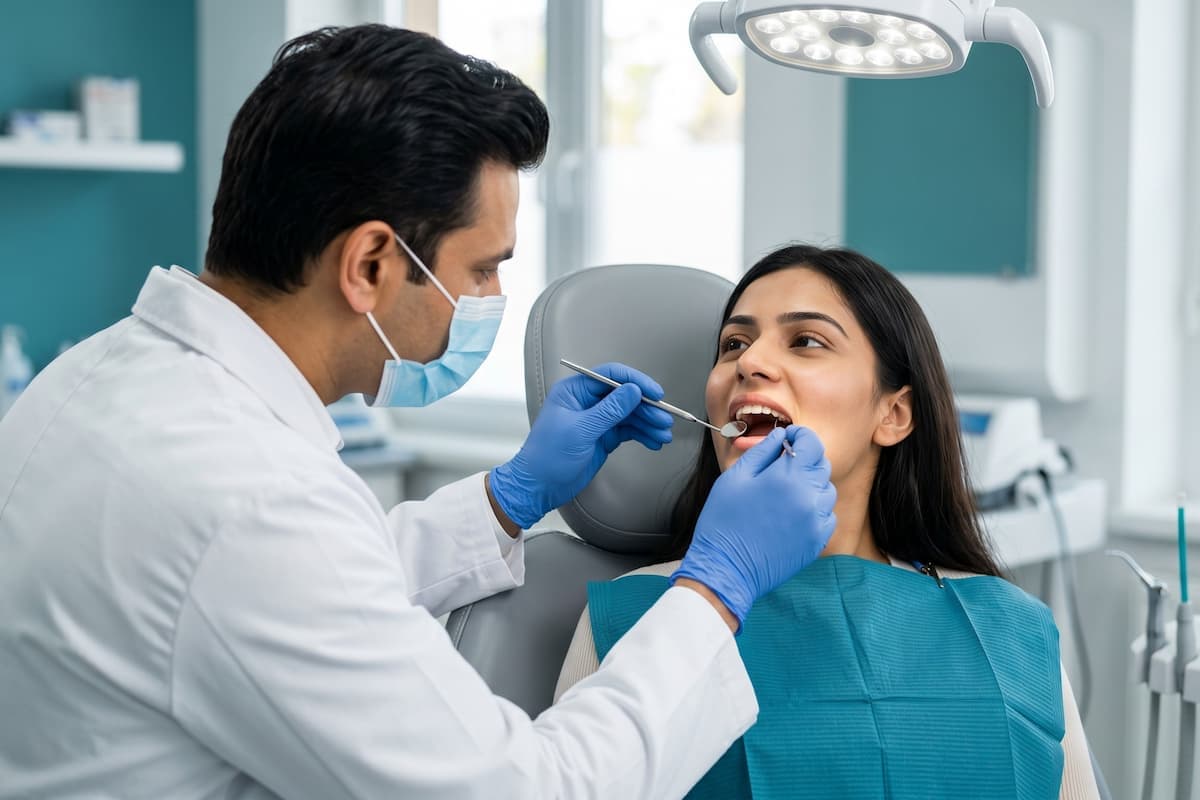
A private dental examination is a comprehensive and personalised assessment of your oral health. Unlike a brief check-up, a private examination typically allows more time, greater clinical thoroughness, and a more in-depth discussion of your dental health and any concerns you may have.
Understanding what a private dental examination involves can help ease any apprehension and encourage patients to attend regularly. In this article, we explain each stage of the examination process, what your dentist is looking for, and why these appointments play an important role in maintaining long-term oral health.
Featured Snippet: What Happens During A Private Dental Examination?
What happens during a private dental examination?
A private dental examination is a thorough assessment of your teeth, gums, soft tissues, and jaw. Your dentist will review your medical history, assess your oral health, take X-rays where appropriate, and discuss any findings with you. The appointment typically includes an oral cancer screening and a personalised treatment or prevention plan.
Why Patients Choose Private Dental Examinations
Private dental care in the UK offers patients an alternative to NHS dental services, with the key distinction being greater flexibility, appointment availability, more time with your dentist, and access to a broader range of treatment options.
Many adults in London seek private dental care for a variety of reasons: some have been unable to access an NHS dentist, others want a more detailed and unhurried consultation, and some are simply looking to take a more proactive approach to their oral health.
A private dental examination is not only about identifying problems — it is equally about understanding your current oral health status, discussing preventative strategies, and exploring treatments that may improve both the function and appearance of your smile, should you wish to.
Private practices, such as Wimpole Dental, are regulated by the Care Quality Commission (CQC) and all dentists are registered with the General Dental Council (GDC), ensuring professional and clinically safe care regardless of whether treatment is delivered on an NHS or private basis.
What Your Dentist Will Ask Before the Examination Begins
Before your dentist examines your mouth, they will typically begin by reviewing or updating your medical and dental history. This is an essential step that helps your dentist provide safe and appropriate care.
You may be asked about:
• Current medications — certain medicines can affect oral health, including dry mouth, gum changes, or increased risk of tooth decay
• Allergies — particularly relevant before any treatment involving local anaesthetic, materials, or products
• Medical conditions — conditions such as diabetes, heart disease, osteoporosis, or a compromised immune system can directly affect oral health
• Previous dental history — any past treatments, surgeries, orthodontics, or concerns
• Current dental symptoms — pain, sensitivity, swelling, bleeding gums, or anything else you have noticed
Being open and honest during this stage helps your dentist tailor the examination to your individual needs and ensures nothing clinically relevant is overlooked.
Step 1: Visual Examination of the Teeth and Gums
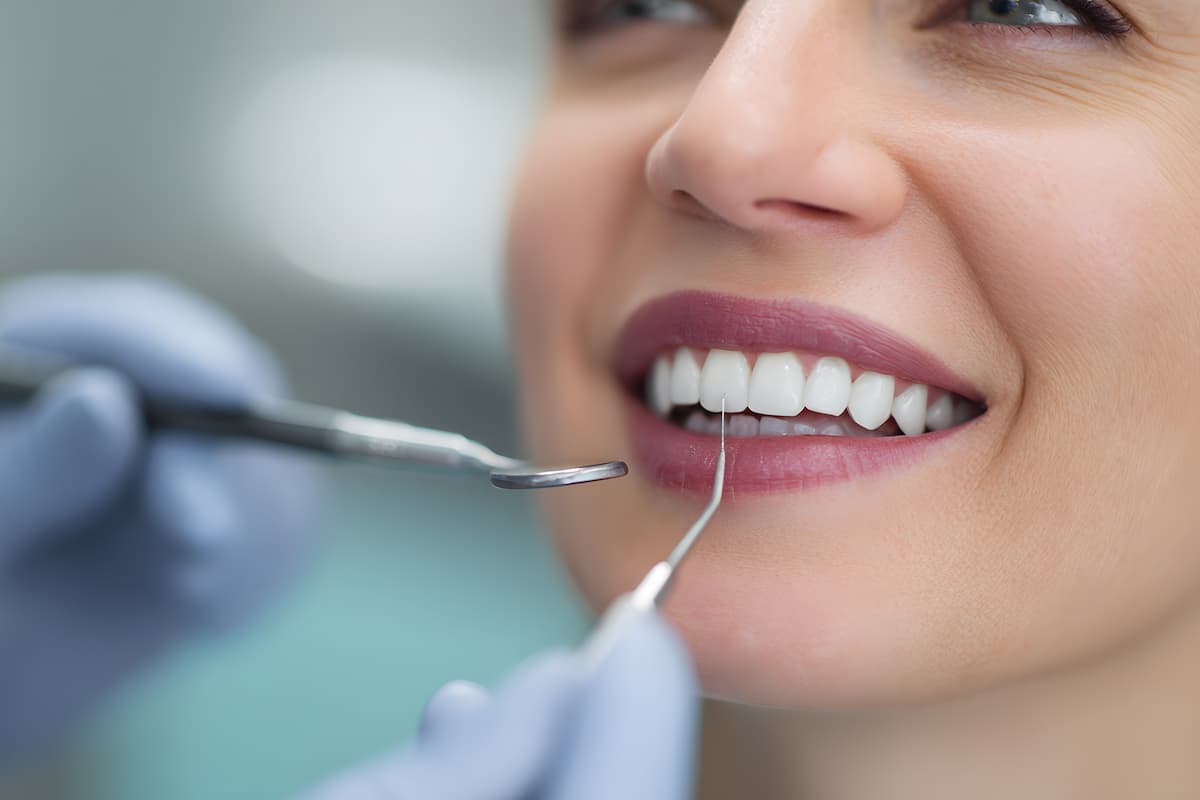
Your dentist will begin with a thorough visual inspection of each tooth, using a small mirror and light to view all surfaces. They will look for:
• Early signs of tooth decay (dental caries)
• Cracked, chipped, or worn teeth
• Existing restorations such as fillings, crowns, or bridges — checking these remain intact and effective
• Signs of acid erosion or tooth surface loss
• Any unusual discolouration or changes to tooth structure
This stage allows the dentist to identify visible changes that may require further investigation or monitoring over time.
Step 2: Gum Health Assessment
Gum health is a fundamental part of any dental examination. Your dentist or dental hygienist may use a small measuring probe to assess the depth of the spaces between your teeth and gums, known as periodontal pockets.
Healthy gum tissue sits snugly around each tooth with shallow pocket depths. Deeper readings can indicate the presence of gum disease (periodontal disease), which — if left unaddressed — can progress and affect the supporting bone around your teeth.
Your dentist will also observe whether your gums:
• Bleed easily on gentle probing
• Appear inflamed, swollen, or receding
• Show any signs of infection
Identifying gum concerns early is important, as periodontal disease is one of the most common causes of tooth loss in adults. If you would like to learn more about maintaining gum health, our periodontal disease treatment page provides detailed information about assessment and care options available at our practice.
Step 3: Dental X-Rays
Dental radiographs (X-rays) are an important diagnostic tool used to reveal what cannot be seen with the naked eye alone. Not every patient will require X-rays at every appointment — your dentist will decide based on your clinical needs, dental history, and any concerns identified during the visual examination.
X-rays can help identify:
• Decay between teeth that is not visible on the surface
• Changes in bone levels around the teeth and jaw
• The condition of tooth roots
• Impacted or unerupted teeth
• Cysts, abscesses, or other structural concerns beneath the gumline
Modern dental X-ray equipment uses very low doses of radiation, and your dentist will only recommend radiographs when they are clinically justified.
Step 4: Oral Cancer Screening
A responsible and thorough private dental examination will include a soft tissue examination of the mouth, lips, tongue, cheeks, floor of the mouth, and throat.
This is carried out to identify any unusual changes to the soft tissues, such as:
• Ulcers or sores that have not healed within two to three weeks
• Red or white patches (erythroplakia or leukoplakia)
• Unexplained lumps or swellings
• Changes in texture or colour of the soft tissues
An oral cancer screening is a routine and non-invasive part of the examination. If anything of concern is noted, your dentist will discuss this calmly and explain the appropriate next steps, which may include a referral for specialist assessment. Early detection is clinically significant, and routine screening enables any unusual changes to be identified promptly.
Step 5: Jaw, Bite, and Muscle Assessment
Your dentist may also evaluate the function of your jaw joint (temporomandibular joint or TMJ), the alignment of your bite, and the muscles surrounding your jaw.
This can help identify:
• Signs of bruxism (tooth grinding or clenching), which can cause significant wear and jaw discomfort
• Bite alignment issues that may be causing strain on specific teeth
• Tenderness or clicking in the jaw joint
These findings may not always require immediate treatment, but documenting and monitoring them over time helps your dentist track any progression and discuss options with you at an appropriate stage.
The Clinical Science Behind a Dental Examination
To understand why each element of a private dental examination matters, it helps to know a little about the structure of the teeth and supporting tissues.
Each tooth comprises several layers: the enamel (the hard outer surface), the dentine (a softer layer beneath), and the dental pulp (containing nerves and blood vessels at the centre). When enamel is damaged by decay or erosion, bacteria can begin to penetrate deeper layers — a process that, if unchecked, can affect the pulp and ultimately require more complex treatment.
Surrounding each tooth is the periodontium — a collection of supporting structures including the gums (gingiva), the periodontal ligament, and the alveolar bone. Bacterial plaque accumulation at the gumline triggers an inflammatory response in the gum tissue, which — if chronic — can erode these supporting structures over time.
A dental examination is designed to assess the integrity of both the teeth themselves and these surrounding tissues, providing your dentist with a complete picture of your oral health at that point in time. Many dental conditions develop gradually and without noticeable symptoms in their early stages, which is one of the primary reasons regular examinations are considered clinically valuable.
What Happens After the Examination?
Once the examination is complete, your dentist will explain their findings clearly and in language that is easy to understand. You should feel comfortable asking questions at this stage.
Your dentist may:
• Confirm that your teeth and gums are in good health and advise when to return for a routine review
• Identify areas that require monitoring over time
• Discuss treatment options for any concerns identified — explaining the clinical reasons, what each treatment involves, and any alternatives available
• Refer you to a specialist if required for a specific area of concern
• Advise on a personalised oral hygiene routine, including brushing technique, flossing, and dietary recommendations
All treatment decisions remain entirely your own. Your dentist's role is to provide you with clear, accurate, and balanced information so you are able to make informed choices about your dental care.
When It May Be Appropriate to Seek a Dental Assessment
Whilst routine private dental examinations are recommended at intervals determined by your dentist (typically every six to twelve months for most adults), there are certain symptoms that may warrant an earlier appointment:
• Persistent toothache or sensitivity — particularly to hot, cold, or sweet foods and drinks
• Bleeding gums, especially if this occurs regularly during brushing or spontaneously
• Swelling in the gums, jaw, or face
• A loose tooth in adulthood
• Mouth ulcers that have not healed within two to three weeks
• Jaw pain, clicking, or difficulty opening the mouth
• Changes in the appearance of gums or soft tissues
These symptoms do not automatically indicate a serious condition, but they are worth having evaluated by a dental professional. Early assessment often enables simpler management options and helps to prevent minor concerns from developing further.
Preventative Advice: How to Support Your Oral Health Between Examinations
Regular private dental examinations work best when supported by a consistent oral hygiene routine at home. The following evidence-based habits can help maintain your oral health between appointments:
• Brush twice daily using fluoride toothpaste (at least 1,350–1,500 ppm fluoride for adults), for a minimum of two minutes each time
• Clean between your teeth daily using floss, interdental brushes, or a water flosser to remove plaque from areas a toothbrush cannot reach
• Limit sugary foods and drinks, particularly between meals, as frequent sugar exposure increases the risk of tooth decay
• Stay well hydrated with water, which helps maintain saliva production — an important natural defence against tooth decay
• Avoid tobacco products, which are strongly associated with gum disease, oral cancer, and compromised healing following dental treatment
• Attend a professional hygienist appointment as recommended — professional cleaning removes hardened tartar that cannot be removed by brushing alone
For more guidance on maintaining healthy teeth and gums, our dental hygiene and prevention services can provide personalised advice tailored to your oral health needs.
Key Points to Remember
• A private dental examination is a thorough, personalised assessment of your teeth, gums, jaw, and soft tissues — not simply a visual check of the teeth
• Your dentist will review your medical history, carry out a clinical examination, and may take X-rays where clinically appropriate
• An oral cancer screening is a routine and important part of a comprehensive private dental examination
• Findings will always be discussed with you clearly, and any treatment options explained in full before any decisions are made
• Many dental conditions develop gradually without obvious symptoms — regular examinations help identify changes early
• Good oral hygiene at home, combined with professional dental reviews, forms the foundation of long-term oral health
Frequently Asked Questions
1. How long does a private dental examination take?
A private dental examination typically takes between 30 and 60 minutes, depending on the complexity of your dental history, whether X-rays are required, and the time needed to discuss your findings thoroughly. One of the key advantages of private dental care is that appointments are generally less time-pressured than NHS check-ups, allowing for a more detailed and unhurried consultation. Your dentist will use this time to carry out a comprehensive assessment and to answer any questions you have about your oral health.
2. Is a private dental examination painful?
A private dental examination is generally a comfortable and straightforward process. The examination itself — including the visual assessment and gum probing — may involve very mild sensitivity in areas where gum inflammation is present, but it is not intended to be painful. Your dentist will work gently and will always communicate what they are doing at each stage. If you experience any discomfort during the appointment, you should let your dentist know so they can adjust their approach accordingly.
3. How often should I have a private dental examination?
The frequency of dental examinations is determined individually based on your oral health status, dental history, and any risk factors your dentist identifies. For many adults with good oral health, an examination every 12 months may be appropriate. Others with a higher risk of decay, gum disease, or other concerns may be advised to attend more frequently — typically every six months. Your dentist will recommend an examination interval that is clinically appropriate for your individual circumstances.
4. Will I need X-rays at every appointment?
Not necessarily. Whether X-rays are taken at a given appointment depends on your clinical needs, dental history, and any concerns identified during the visual examination. Your dentist will only recommend X-rays when they are justified by your individual circumstances. When taken, dental X-rays use very low doses of radiation and provide valuable information about areas of the teeth and supporting bone that cannot be assessed visually. Your dentist will explain the reasons for any X-rays recommended.
5. What is the difference between a private and an NHS dental examination?
Both private and NHS dental examinations must be carried out by GDC-registered dentists and are subject to CQC regulatory oversight, ensuring a baseline of clinical safety in both settings. The primary differences lie in appointment length, the range of treatments available, and the fees involved. Private examinations typically allow more time for a comprehensive assessment and discussion, and private practices may offer a wider selection of treatment options — including cosmetic and advanced restorative treatments — that fall outside the scope of NHS dentistry. Treatment suitability and recommendations will always be based on your individual clinical needs.
6. Can I discuss cosmetic dental treatments during a private examination?
Yes. A private dental examination is an appropriate opportunity to raise any concerns or questions about the appearance of your smile, as well as your oral health. Your dentist can explain the options available, discuss whether you may be a suitable candidate, and outline what any treatment would involve. However, suitability for any cosmetic or restorative treatment can only be assessed properly following a thorough clinical examination. If you are interested in exploring cosmetic options, our cosmetic dentistry treatments page provides an overview of the services available at our practice.
Conclusion
A private dental examination is far more than a simple check of your teeth. It is a comprehensive, individualised assessment of your overall oral health — encompassing your teeth, gums, jaw, and soft tissues — designed to identify any concerns early, provide personalised preventative advice, and support you in making informed decisions about your dental care.
Understanding what to expect can make attending your appointment a more comfortable and constructive experience. Whether you are attending for the first time, returning after a break, or considering switching to private dental care, knowing that your dentist is carrying out a thorough and systematic evaluation is reassuring.
Maintaining regular private dental examinations, combined with a consistent oral hygiene routine at home, is one of the most effective ways to support your long-term dental health.
Dental symptoms and treatment options should always be assessed individually during a clinical examination.
If you have any concerns about your oral health, or if you have been experiencing symptoms that have prompted you to seek dental advice, we encourage you to arrange an appointment with a qualified dental professional at your earliest convenience.
Disclaimer
The information contained in this article is intended for general educational and informational purposes only. It does not constitute professional dental advice, diagnosis, or treatment. The content of this article is not a substitute for a clinical examination carried out by a qualified, GDC-registered dental professional. Individual dental health concerns, symptoms, and treatment needs vary from person to person and can only be accurately assessed during a face-to-face dental examination. Nothing in this article should be used to self-diagnose or to delay seeking appropriate professional dental advice. No guarantees of treatment outcomes are implied or stated. This article has been produced in accordance with GDC communication standards, CQC patient safety principles, ASA CAP Code healthcare advertising guidelines, and GMC ethical communication guidance.
Written Date: 07 August 2026 Next Review Date: 07 August 2027
Written by Wimpole Dental Editorial Team · reviewed by Wimpole Dental Clinical Team
This article is general information, not personal clinical advice. For a diagnosis and a plan tailored to you, book a consultation with a GDC-registered dentist.
Related treatments at our Wimpole Street practice