Dental Hygiene Appointment: What to Expect, Costs & Duration
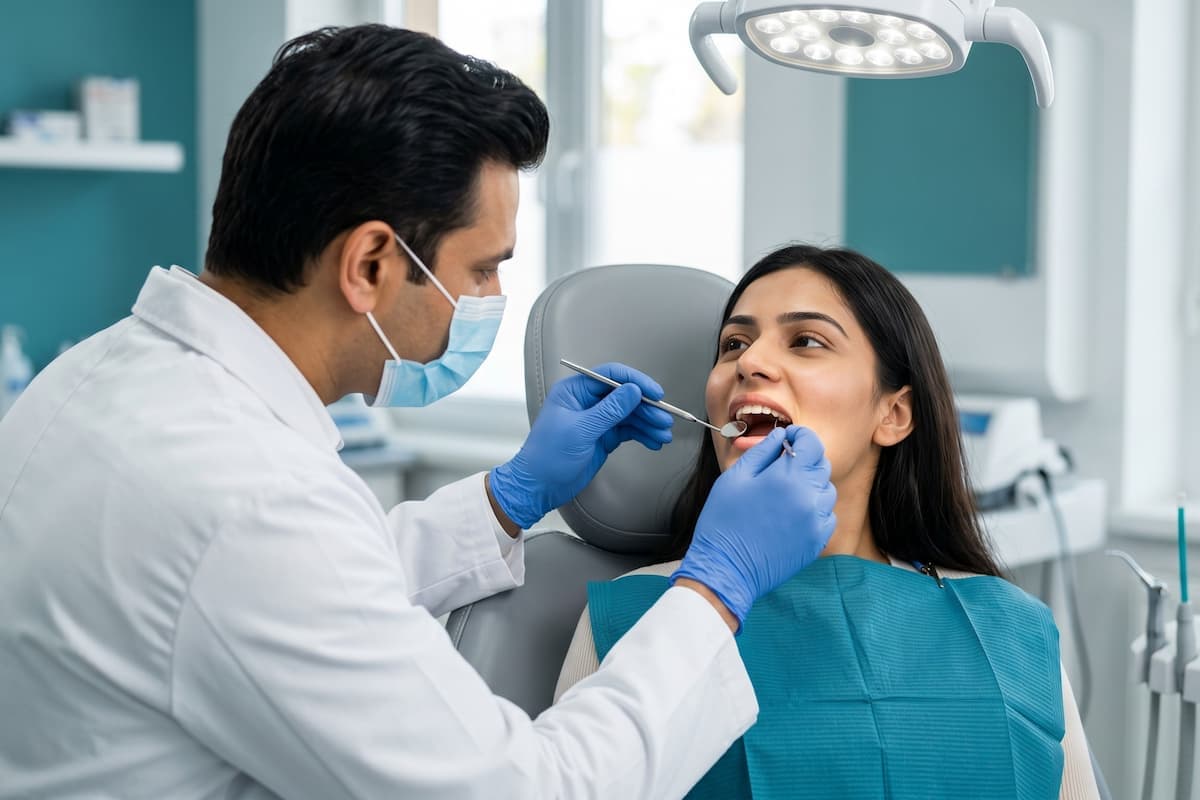
Many people feel uncertain about what to expect when they book a private dental hygiene appointment in London. Whether it is your first visit to a hygienist or a long-overdue return, it is entirely normal to have questions — about the process, how long it takes, whether it will be uncomfortable, and what it might cost.
This guide aims to answer those questions clearly and honestly, helping you feel informed and prepared before your appointment.
What Is a Dental Hygiene Appointment?
A dental hygienist is a qualified and registered oral health professional regulated by the General Dental Council (GDC). Their primary focus is preventive dentistry — helping patients maintain healthy gums, clean teeth, and good long-term oral health. During a dental hygiene appointment, they assess, treat, and educate — with a strong emphasis on supporting patients in improving their daily oral hygiene at home.
What Happens During a Dental Hygiene Appointment?
Understanding what a dental hygiene appointment consists of can help reduce uncertainty and any understandable anxiety.
Initial Assessment
Before any cleaning begins, your hygienist will typically take a brief health history or update your existing records. They may ask about:
• Any changes to your general health or medications
• Areas of sensitivity or discomfort you have noticed
• Changes in your gums, such as bleeding when brushing
• Your current oral hygiene routine
This information is clinically relevant — certain medications, medical conditions, and lifestyle factors can affect gum health and the way professional cleaning is carried out.
Gum Health Examination
Your hygienist will often carry out a gum health check, which may include measuring the depth of the spaces around your teeth (called periodontal pockets) using a small, blunt probe. This is a standard part of assessing periodontal health and is generally not painful, though some mild sensitivity is possible.
Healthy gums typically show shallow pocket depths and minimal bleeding. Where deeper pockets or signs of active gum disease that may need structured treatment are present, the hygienist may note this and discuss it with you or communicate findings to your dentist.
Professional Cleaning (Scale and Polish)
The core of most dental hygiene appointments is the removal of plaque and tartar from the tooth surfaces and along the gum line. Plaque is the soft, sticky film of bacteria that forms constantly on teeth. When it is not removed effectively through daily brushing and interdental cleaning, it hardens into calculus (tartar), which cannot be removed by brushing alone.
Professional cleaning may involve:
• Scaling: Using handheld or ultrasonic instruments to remove tartar deposits from above and below the gum line
• Polishing: Removing surface staining and plaque using a special paste and a rotating brush or rubber cup
• Air polishing: In some practices, a pressurised stream of air, water, and fine powder particles may be used to remove staining and biofilm — particularly useful around areas that are difficult to reach
The experience of professional cleaning varies from patient to patient. Some people find it entirely comfortable; others experience mild sensitivity, particularly around the gum line or where tartar has built up below the gum margin. If at any point you find the sensation uncomfortable, it is always appropriate to let your hygienist know.
Personalised Oral Hygiene Advice
An important part of any dental hygiene appointment is the guidance provided on maintaining your oral health at home. This is not about judgement — it is about helping you develop a routine that works for your specific needs.
Your hygienist may advise on:
• Toothbrushing technique and frequency
• Choice of toothbrush (manual or electric)
• Interdental cleaning — whether with floss, interdental brushes, or water flossers
• Use of fluoride toothpaste
• Lifestyle factors that can affect oral health
Current UK oral health guidance, including recommendations from the NHS and Public Health England, emphasises the importance of twice-daily brushing with fluoride toothpaste and regular interdental cleaning. A hygienist can help you refine this routine in a way that is realistic and tailored to your situation.
How Long Does a Dental Hygiene Appointment Take?
One of the most common questions patients ask is: how long is a dental hygiene appointment?
The honest answer is that appointment duration can vary. A typical private dental hygiene appointment may last anywhere from approximately 30 to 60 minutes. Some practices offer shorter maintenance appointments for patients who attend regularly and have good gum health; others schedule longer sessions for patients who require more thorough scaling or periodontal assessment.
Factors that can affect how long your appointment takes include:
• The amount of plaque and tartar present
• Whether you have significant surface staining
• Your gum health status and whether deeper periodontal cleaning is needed
• Whether it is your first hygiene visit or a routine maintenance session
• Whether a full gum assessment is included
• Individual sensitivity levels, which can influence the pace of treatment
Rather than expecting a fixed time, it is more helpful to allow a little flexibility in your schedule and to ask your practice in advance how long they expect your appointment to be.
Dental Hygiene Appointment Checklist
Preparing well for your appointment can help it go smoothly.
Before Your Appointment
• Confirm your appointment time and any specific instructions from the practice
• Brush and floss as normal — do not skip your routine before the visit
• Make a note of any areas of sensitivity, bleeding, or gum discomfort to mention to your hygienist
• Update your medical history information, including any new medications or health changes
• Let the practice know if you have any dental anxiety or concerns about specific instruments
During Your Appointment
• Tell your hygienist about any sensitivity or discomfort as it occurs
• Ask questions about your gum health and what you can do to improve it
• Request a demonstration of brushing or interdental technique if you are unsure
• Discuss any concerns about bleeding, staining, or gaps in your oral hygiene routine
After Your Appointment
• Follow any specific aftercare advice provided by your hygienist
• Be aware that mild gum sensitivity or slight redness can occur for a short period after cleaning — this is generally normal
• Continue or improve your daily brushing and interdental cleaning routine
• Book any follow-up appointments as recommended
How Much Does a Dental Hygiene Appointment Cost?
Cost is understandably a practical consideration for many patients. The honest answer is that dental hygiene appointment costs in the UK vary depending on a number of factors.
Factors That Influence the Cost
• Private versus NHS provision: Private hygiene appointments are priced differently from NHS dental treatment
• Practice location: Dental fees in London and other major cities may differ from those in other parts of the UK, reflecting higher operating costs
• Appointment length: Longer or more complex appointments may be priced accordingly
• What is included: Some practices include a gum assessment and detailed oral hygiene advice; others offer separate pricing for different elements
• Whether specialist periodontal treatment is required: If more intensive periodontal treatment is recommended, this may be costed separately
London Private Dental Hygiene Fees
Private dental practices in London typically operate their own fee structures. For practices in areas such as Marylebone or Wimpole Street, professional hygiene appointments reflect the level of clinical expertise, appointment time, and care provided. If you are considering a dental hygiene appointment in London, it is advisable to confirm current fees directly with the practice before booking.
Wimpole Dental's current hygiene fees are available directly from the practice — please contact the team for up-to-date pricing information.
NHS Versus Private Dental Hygiene Appointments
This is an area that causes considerable confusion for patients, so it is worth addressing clearly.
NHS Dental Hygiene: What You Should Know
NHS dental treatment in England is provided through a banded charging system. Current NHS dental charges and band information are available on the NHS website, and it is important to check this directly for the most up-to-date figures, as charges are subject to periodic review.
Importantly, not all NHS dental practices offer dedicated hygienist appointments as a standalone NHS service. Whether a separate hygiene appointment is available — and how it is charged — can vary between practices. Patients on NHS dental care should check with their dental practice directly about what hygiene services are available and under what arrangement.
NHS dental treatment is focused on clinical need. Certain hygiene-related procedures may be carried out as part of routine NHS dental care, but the scope and frequency may differ from private arrangements.
Private Dental Hygiene: Key Differences
Private dental hygiene appointments offer greater flexibility in terms of:
• Appointment length and scheduling
• Depth and individualisation of assessment
• Choice of techniques, including air polishing where clinically relevant
• Frequency of maintenance visits tailored to your gum health status
• Time available for detailed oral hygiene education
For patients with ongoing gum health concerns, those managing early gum inflammation, or those unsure about recall timing, guidance such as how often to see a hygienist based on your individual risk profile can help frame the right schedule alongside professional advice.
How Often Should You Attend for Professional Hygiene Care?
There is no universally fixed interval that applies to every patient. Current UK dental guidance suggests that the recommended frequency of professional dental visits — including hygiene appointments — should be determined by your individual oral health needs rather than a blanket schedule.
Your dental team may recommend:
• More frequent hygiene visits if you are managing active gum disease, undergoing periodontal maintenance, or have a higher plaque and calculus build-up
• Less frequent visits if your gum health is stable and your daily oral hygiene is consistently good
This is a clinical decision made in discussion with your dentist and hygienist, taking into account your full dental and medical history.
Does a Dental Hygiene Appointment Hurt?
Dental anxiety is common, and concern about discomfort is one of the most frequently raised barriers to attending a hygiene appointment.
The reality is that most patients find professional cleaning manageable and, for many, entirely comfortable. That said, patients with sensitive teeth, inflamed gums, or significant calculus build-up may experience some discomfort during scaling, particularly around the gum line.
Things that can help include:
• Letting your hygienist know about any sensitivity before the appointment begins
• Asking for breaks if needed
• Using desensitising toothpaste in the weeks before your appointment, if recommended by your dental team
It is also worth knowing that gum sensitivity and minor bleeding after a hygiene appointment can be normal, particularly if your gums were inflamed before treatment. This typically settles within a day or two with good oral hygiene care.
If you have significant dental anxiety, it is always appropriate to tell the practice when booking — many dental teams are experienced in supporting anxious patients and can adjust their approach accordingly. You may find it reassuring to read more about practical ways to manage dental anxiety before your appointment before your visit.
What Happens If Concerns Are Identified?
A dental hygiene appointment is also an opportunity for your hygienist to observe your oral health more broadly. If they identify signs that may require further assessment — such as changes in gum tissue, areas of concern around existing restorations, or potential signs of gum disease progression — they will typically communicate this to your dentist.
A hygienist is not in a position to diagnose conditions, and any findings requiring diagnosis or treatment planning will be referred appropriately to a dentist. This collaborative approach is central to how dental teams in the UK are expected to work under GDC standards.
Supporting Your Oral Health Between Appointments
Professional hygiene care and daily home care work together — they are not alternatives to each other.
A practical, evidence-supported way to maintain healthy gums and teeth between appointments is through:
• Brushing twice daily with fluoride toothpaste (spitting, not rinsing)
• Cleaning between the teeth daily using floss, interdental brushes, or similar aids
• Attending routine risk-based dental check-ups with your dentist as recommended
• Following any specific advice provided by your hygienist
Preventive dentistry is built on consistent daily habits, supported by periodic professional care. No single hygiene appointment replaces the importance of what you do at home every day.
Considering a Dental Hygiene Appointment?
If you have not attended a hygiene appointment for some time, or if you have noticed changes in your gum health — such as bleeding when brushing, persistent bad breath, or increased sensitivity — it may be appropriate to speak with a dental professional.
At Wimpole Dental, our clinical team provides professional hygiene care as part of a broader commitment to long-term oral health. Whether you are attending for routine maintenance or require a more detailed gum assessment, we aim to provide a calm, thorough, and patient-focused experience.
If you would like to understand more about your gum health or to book a dental hygiene appointment in London, you are welcome to contact our team, who can advise on availability and current appointment options.
Frequently Asked Questions
1. Do I need a dentist's referral to see a hygienist?
In many private dental practices, you can book a dental hygiene appointment directly without a prior dentist referral. However, practices may vary in their approach, particularly if you are a new patient. It is always worth checking with the practice directly. If you have not had a dental examination recently, your hygienist may recommend a routine dental check-up alongside or following your hygiene appointment.
2. Will my gums bleed during or after a hygiene appointment?
Mild bleeding during or shortly after a hygiene appointment can occur, particularly if your gums are inflamed due to plaque build-up. Bleeding gums are often a sign of gingivitis, which is a reversible form of gum disease. As gum health improves with professional care and better daily hygiene, bleeding typically reduces over time. If bleeding is persistent or significant, your hygienist may recommend further assessment.
3. Should I avoid eating or drinking before a hygiene appointment?
There are no universal clinical restrictions on eating or drinking before a routine hygiene appointment. Brushing your teeth before attending is generally encouraged. If you have any concerns, check with your practice in advance, as individual practices may have their own guidance.
4. How is a dental hygiene appointment different from a dental check-up?
A dental check-up is carried out by a dentist and focuses on assessing the overall health of your teeth, gums, soft tissues, and bite. A dental hygiene appointment is focused specifically on gum health, professional cleaning, and preventive care. Both are complementary, and many patients attend both as part of their routine dental care. Some practices offer a combined appointment where appropriate.
5. Can I have a hygiene appointment if I have dental implants?
Yes. Dental hygienists are experienced in caring for patients with implants, bridges, and other restorations. Specific techniques and instruments are used to clean around implants without causing damage. It is important to mention any implants or significant dental work when you book, so the hygienist can prepare appropriately.
6. Can a hygiene appointment help with teeth staining?
Professional cleaning can remove certain types of surface staining caused by tea, coffee, red wine, or tobacco. The degree of staining removal depends on the nature and depth of the stain and the cleaning methods used. Intrinsic staining (within the tooth structure) is not removed by hygiene treatment and may require a different approach, which a dentist can advise on separately.
7. What if I am pregnant — is a hygiene appointment safe?
Dental hygiene care is generally considered safe and is often recommended during pregnancy. Hormonal changes during pregnancy can increase the risk of gum inflammation, sometimes referred to as pregnancy gingivitis. Maintaining good gum health during pregnancy is considered clinically important. Always inform your hygienist and dental team that you are pregnant, including details of how far along you are, so they can tailor your care appropriately.
8. How soon will I notice improvements after a hygiene appointment?
Some patients notice cleaner, smoother teeth and fresher breath quite quickly after professional cleaning. Gum health improvements — such as reduced bleeding and less inflammation — typically develop gradually over several weeks, particularly as daily oral hygiene is improved and maintained. Results vary depending on the starting condition of your gums and your commitment to home care.
9. What is periodontal maintenance, and is it different from a standard hygiene appointment?
Periodontal maintenance refers to a more structured programme of professional cleaning and monitoring for patients who have been treated for periodontal (gum) disease. It involves more frequent and often more detailed hygiene visits, with careful monitoring of pocket depths and gum response. If you have been diagnosed with or treated for periodontitis, your dental team may recommend this approach rather than a standard routine hygiene appointment.
10. What should I do if I cannot currently afford regular private hygiene appointments?
Maintaining good daily oral hygiene — thorough twice-daily brushing with fluoride toothpaste and daily interdental cleaning — is the most important foundation of gum health and is within everyone's reach. If you are registered with an NHS dentist, speaking with them about what hygiene care is available within your NHS provision is a reasonable first step. For those seeking private care, it is worth discussing options with the practice directly, as appointment structures and frequency can sometimes be adjusted to suit individual circumstances.
Dental Disclaimer
This article is for general educational information only. It is not personal dental advice, diagnosis, or a treatment plan. Care decisions should follow an in-person assessment by a GDC-registered dental professional. If you have pain, swelling, bleeding, or new symptoms, seek professional advice promptly. Outcomes and treatment suitability vary by individual clinical circumstances.
Written Date: 2 September 2026 | Next Review Date: 2 September 2027
Written by Wimpole Dental Editorial Team · reviewed by Wimpole Dental Clinical Team
This article is general information, not personal clinical advice. For a diagnosis and a plan tailored to you, book a consultation with a GDC-registered dentist.
Related treatments at our Wimpole Street practice